
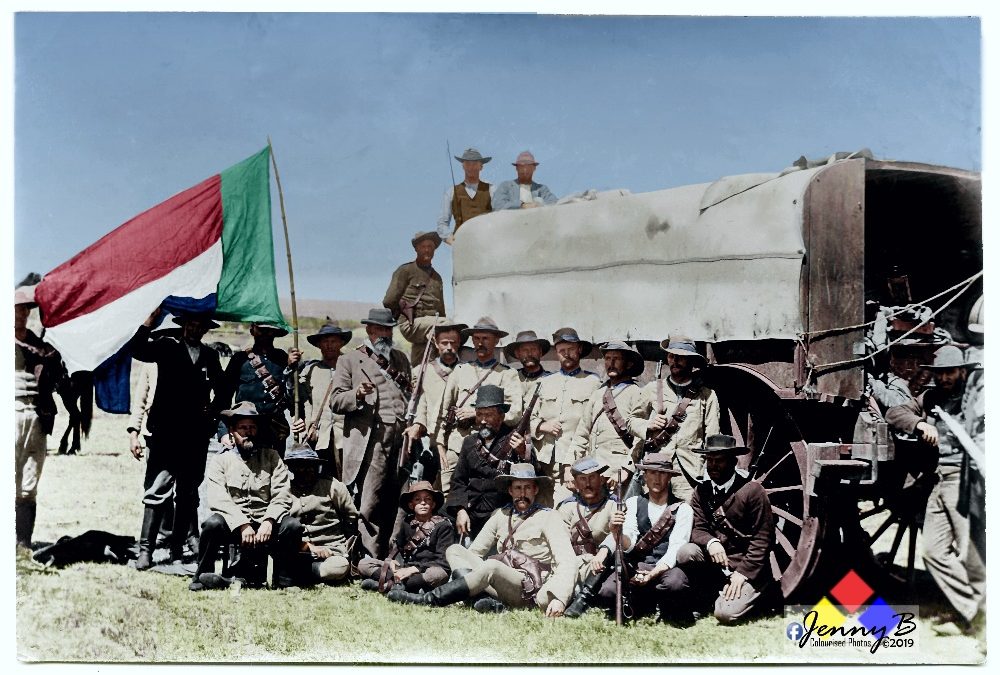
ABW: Mafeking – Nongqai Vol 17 No 6
8 – BESEIGED FOR SEVEN MONTHS THE SIEGE OF MAFEKING
By JennyB

Abstract
This article provides a concise historical overview of the Siege of Mafeking (October 1899 – May 1900), one of the most iconic episodes of the Second Boer War. The document highlights the leadership of Colonel Robert Baden‑Powell, whose innovative defensive tactics, including “dummy fortifications, fake minefields, and other tricks used to exaggerate British strength,” helped a vastly outnumbered garrison withstand a 217‑day Boer siege. The narrative incorporates the experiences of civilians, the Mafeking Cadet Corps, and notable figures such as Lady Sarah Wilson, Lt‑Col Gordon Chesney Wilson, and Sol Plaatje, whose diary remains a vital first‑hand account of the siege. Excerpts from Sergeant‑Major Edward ‘Teddie’ Jollie’s diary vividly illustrate the daily hardships, shelling, food shortages, and human cost of the prolonged bombardment: “We have all been on half rations since January, and thirsty and hungry we are.” The article also outlines the roles of Boer commanders General Piet Cronjé and General J.P. Snyman and explains how the relief of Mafeking became a major psychological victory for Britain, giving rise to the term “mafficking” for public celebration. The siege’s legacy endures through its cultural impact, its influence on Baden‑Powell’s later founding of the Scout movement, and its place in Anglo‑Boer War memory.
Keywords
- Siege of Mafeking
- Second Boer War
- Robert Baden‑Powell
- Mafeking Cadet Corps
- Lady Sarah Wilson
- Gordon Chesney Wilson
- Sol Plaatje
- Edward “Teddie” Jollie
- General Piet Cronjé
- General J.P. Snyman
- British South African Police (BSAP)
- Boer artillery bombardment
- Relief of Mafeking
- “Mafficking”
- Anglo‑Boer War civilian experience
8 – Besieged for seven months the siege of Mafeking
The Siege of Mafeking was a famous episodes of the Second Boer War where the town of Mafeking was besieged by Boer forces from October 1899 until May 1900, a period of 217 days. Robert Baden-Powell, who commanded the British garrison, was heavily outnumbered but through careful planning, deception, and determined defence managed to hold the town.
A key reason for the successful defences was Baden-Powell’s ability to convince through deception. The Boers thought that the town was more strongly defended than it really was through BP’s cunning use of dummy fortifications, fake minefields, and other tricks used to exaggerate British strength.
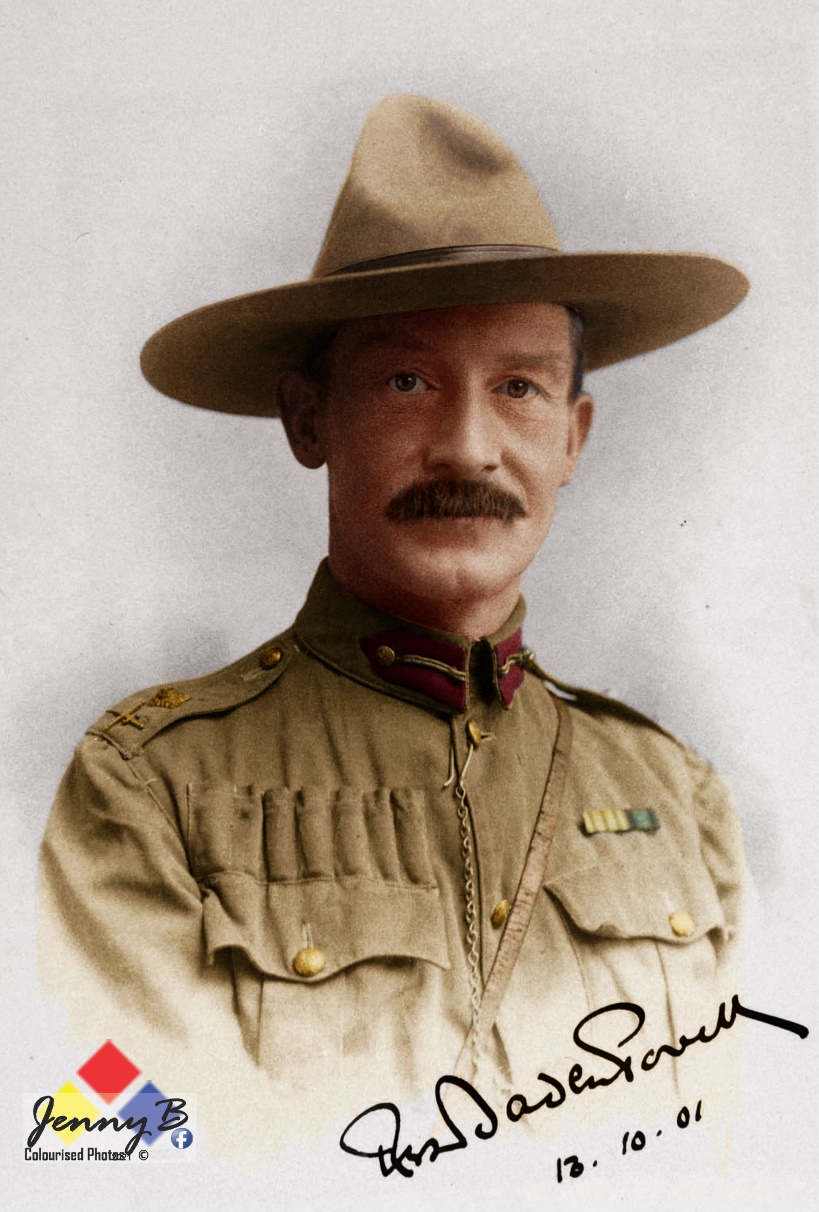
Robert Baden-Powell – Royal Collection Trust –
- The commanding officer of Mafeking and the central figure of the siege.
- Organized the town’s defences, employed deception tactics, and became a national hero after the relief of the town.
- Later founded the Scout movement.
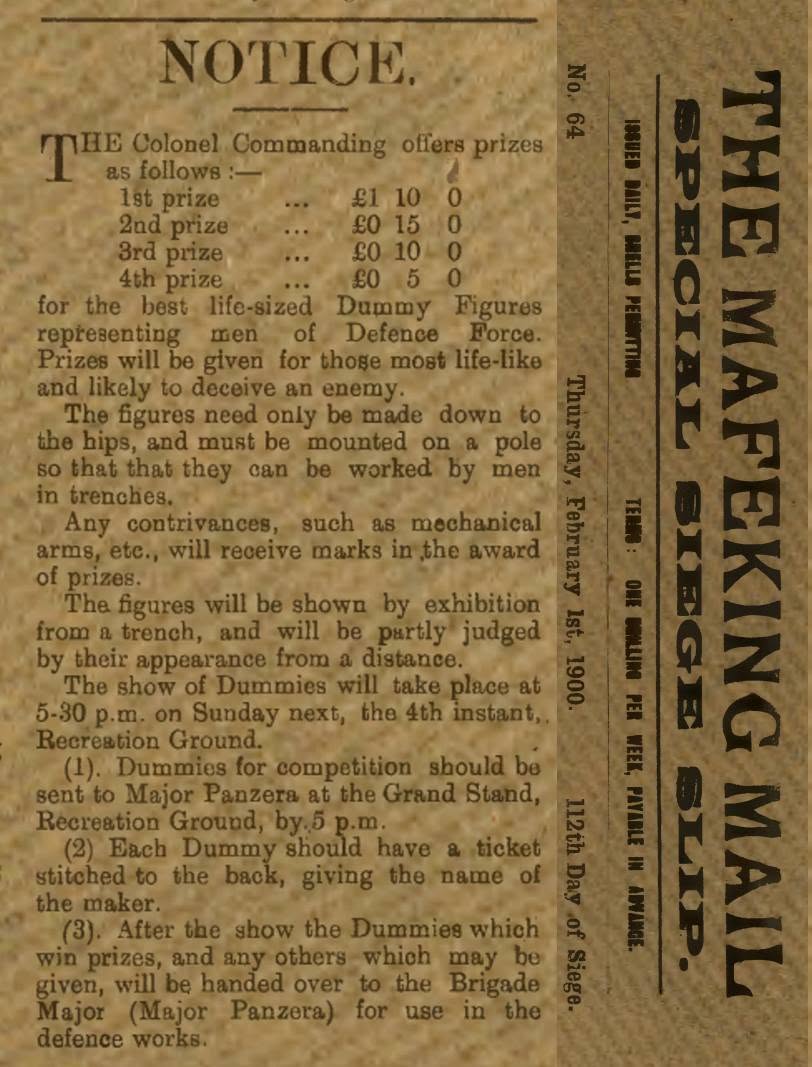
Dummy Building Competition Notice
_________________________________________________________________________
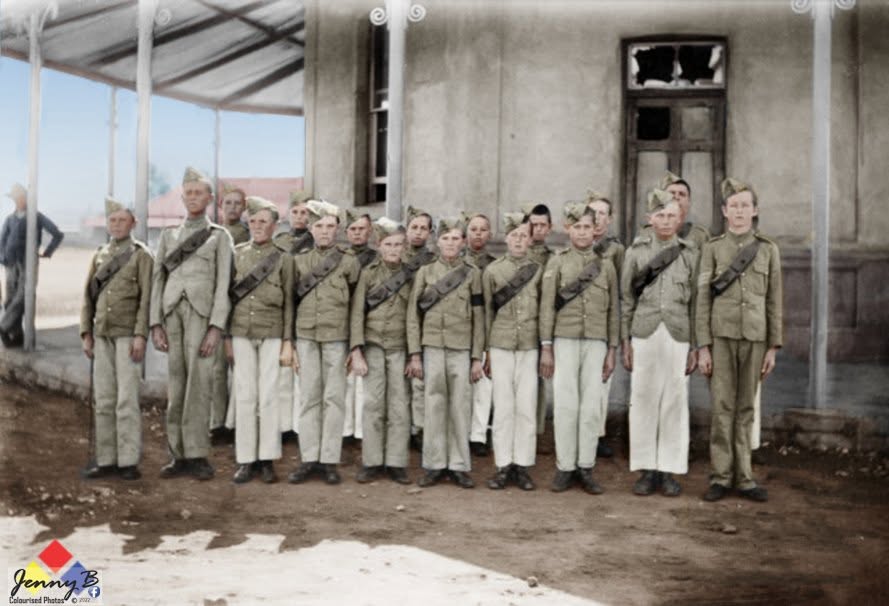
Mafeking Cadet Corps
The civilian population endured severe hardships, including food shortages, shelling, and disease. Young boys assisted with messenger and support duties through the Mafeking Cadet Corps. This later influenced Baden-Powell’s creation of the Scout movement.
____________________________________________________________________________
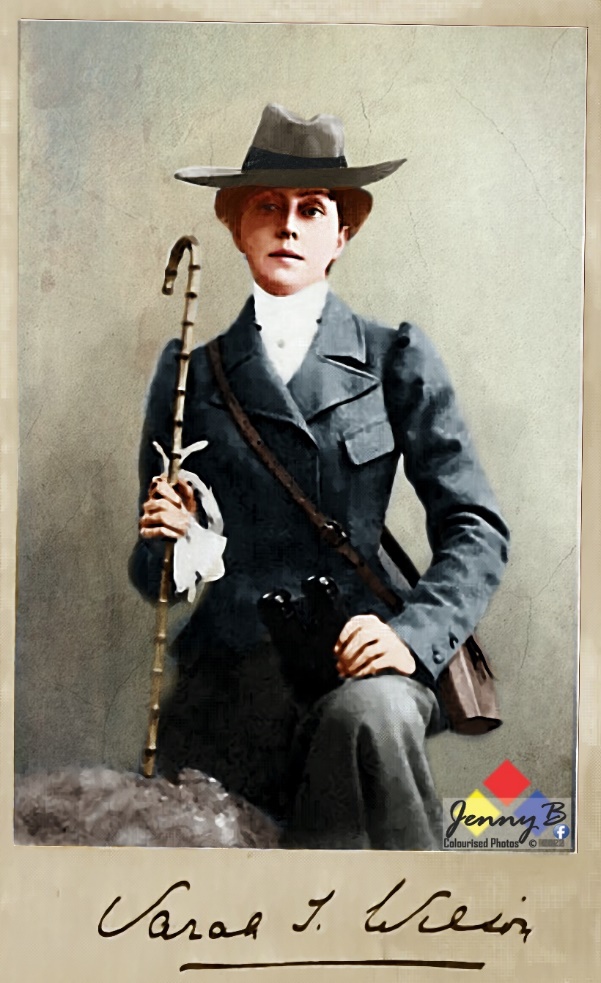
Lady Sarah Wilson
Lady Sarah Wilson (Aunt of Winston Churchill) became a war correspondent during the Siege of Mafeking after a Daily Mail reporter was captured by the Boers. Living in the town with her husband, an aide to Colonel Robert Baden-Powell, she briefly left Mafeking for safety but was captured and later exchanged for a horse thief before returning to the besieged town. Back in Mafeking, Wilson reported on life under constant shellfire, helped nurse wounded soldiers, and was herself slightly injured during a bombardment. Her dispatches balanced accounts of casualties and hardship with stories of community spirit, describing social events and celebrations that helped sustain morale despite food shortages, disease, and continued Boer attacks.
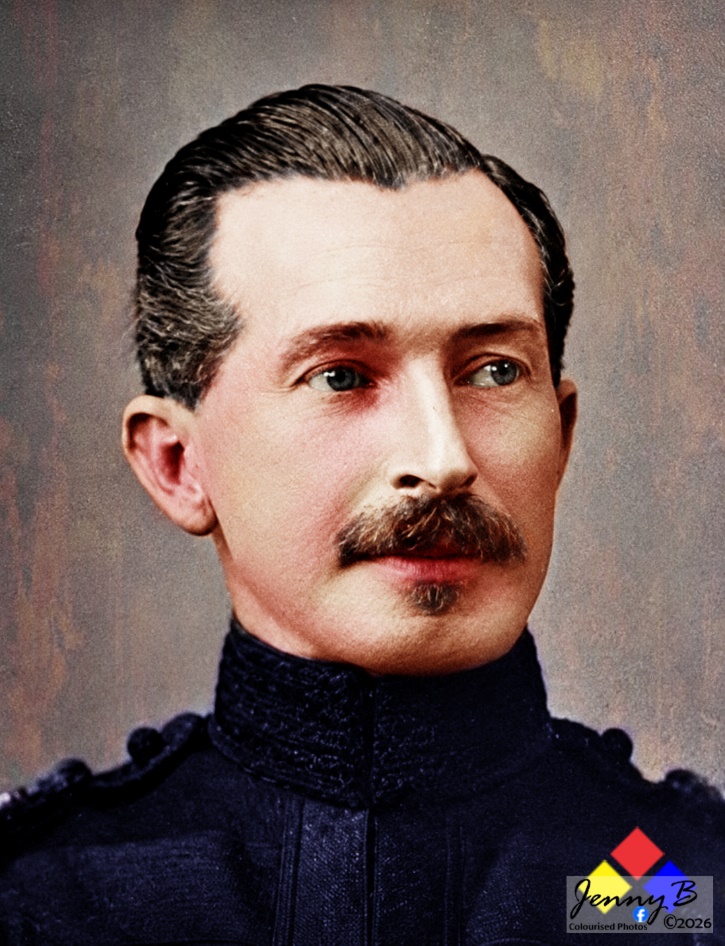
Lieutenant-Colonel Gordon Chesney Wilson – Wikipedia –
Lieutenant-Colonel Gordon Chesney Wilson MVO was a British Army officer and husband of the war correspondent Lady Sarah Wilson. He assisted in thwarting attempted assasination on Queen Victoria in 1882. As a captain, he was appointed aide-de-camp to Robert Baden-Powell and served through the Siege of Mafeking. He was created a Member of the Royal Victorian Order in 1901.
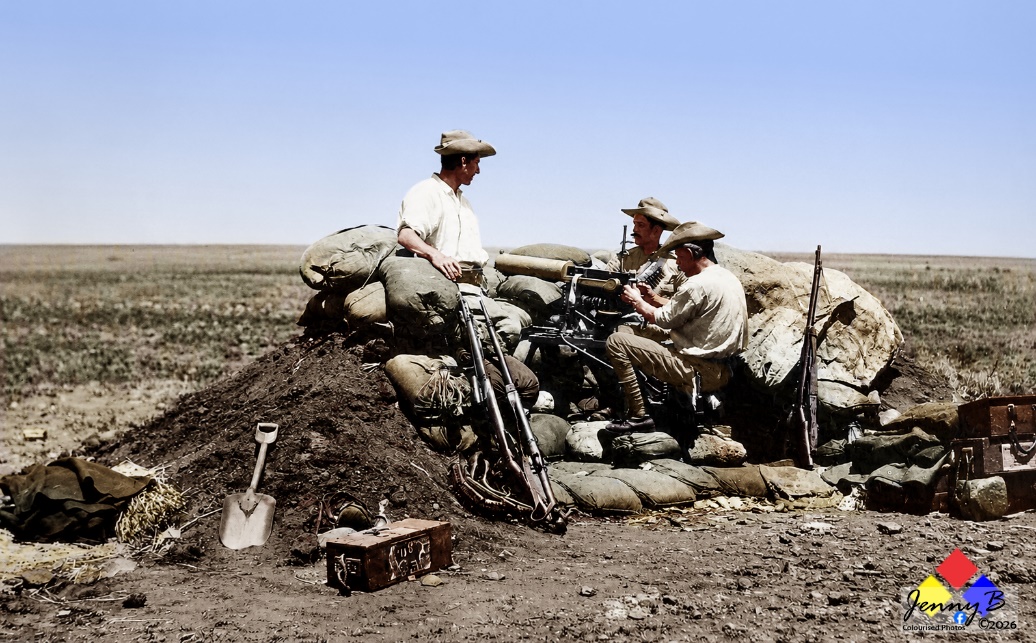
Members of the BSAP at a Maxim outpost on Cannon Kopje during the siege of Mafeking, 1899 – FB-Rhodesian History Remembered –
______________________________________________________________________
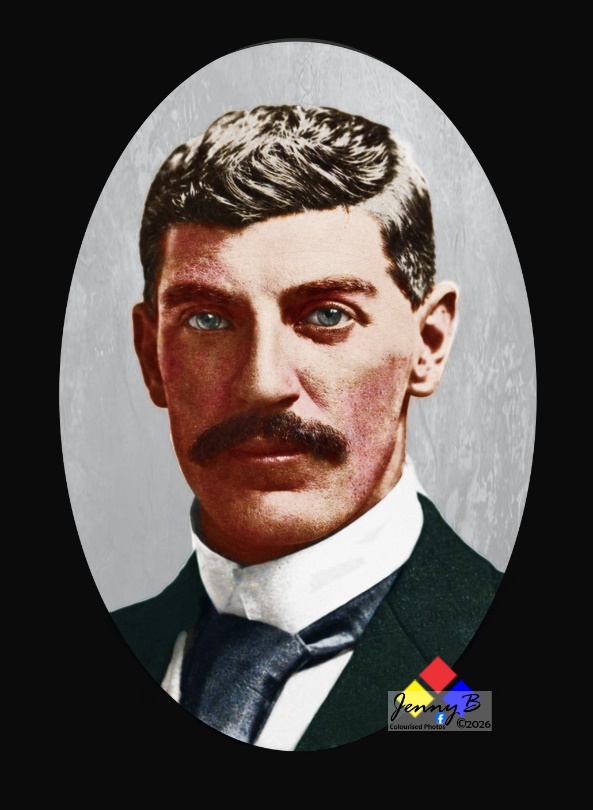
Sergeant-Major Edward ‘Teddie” Jollie.
Teddie served with the British South African Police and came from New Zealand.
Excerpts from Jollie’s diary for March – E. JOLLIE’S MAFEKING DIARY – “BESIEGED” MAFEKING, BECHUANALAND, JANUARY 22ND, 1900.
March.- They started on the 1st by shelling the brickfields very heavily. We lost several. More rumours (8th) that Cronje has been taken prisoner with 5000 Boers. We all hope it is true. Snyman is in command around Mafeking here : Cronje was, but had to go South.
March 13th.- To-day came near to being my last on this festive scene. Until lately we have worked (Paymaster Staff) above ground in the Magistrate’s office. Lately the shelling etc., has been so bad, and the work has grown and become more intricate, so that we found we couldn’t get through it all with the constant interruption of rushing out and getting behind a wall when the bell went ; besides we are dealing with a lot of money, which on such occasions is left on the table, there being no inclination to stay and put it away at the risk of a shell catching one in the act ; so we have had a big underground office built just outside where we work now together, though I still pay the boys, night and morning, from the office above, through the window, as there are too many boys and they smell too much to bring them into the dug-out. Well, on this occasion about 5.45 p.m., I happened to be particularly busy down below. The boys, about 200 of them, were sitting on and around the dug-out above my head, waiting for me to come up and pay them. The foreman came down and said they were ready. I said “ Wait a minute,” when the fire bell went and bang came a 94-pounder into the office above, wrecking it completely. Much of the shell came plump into the earth above my head, kicking-up such a dust that we down below were in total darkness. I thought the roof was coming in. When it got lighter I made my way up above and found three boys killed and five badly wounded. Me they were looking for under the bricks and debris of what had once been the office, thinking I was in there at the time ; another half-minute, and I should have been there, or at least pieces of me would. It was only through my being too busy at the moment to come up that I escaped.
March 27th.-The Boers must have got an extra supply of ammunition, for they have given us the severest day’s shelling since the beginning of the siege.
A woman standing at her back door was shot to-day by a Mauser bullet. She had only been married six months. We have had ne siege wedding. One of the railway-men married a Dutch girl ; she couldn’t speak English and he couldn’t speak Dutch – a curious union.
We have all been on half rations since January, and thirsty and hungry we are.
Source: https://www.angloboerwar.com/…/25690-sergeant-major…
– Anglo Boer War Forum.com and transcribed by ‘nigelr’ –
___________________________________________________________________________
‘Bradley’s Fort’, Mafeking, 1900
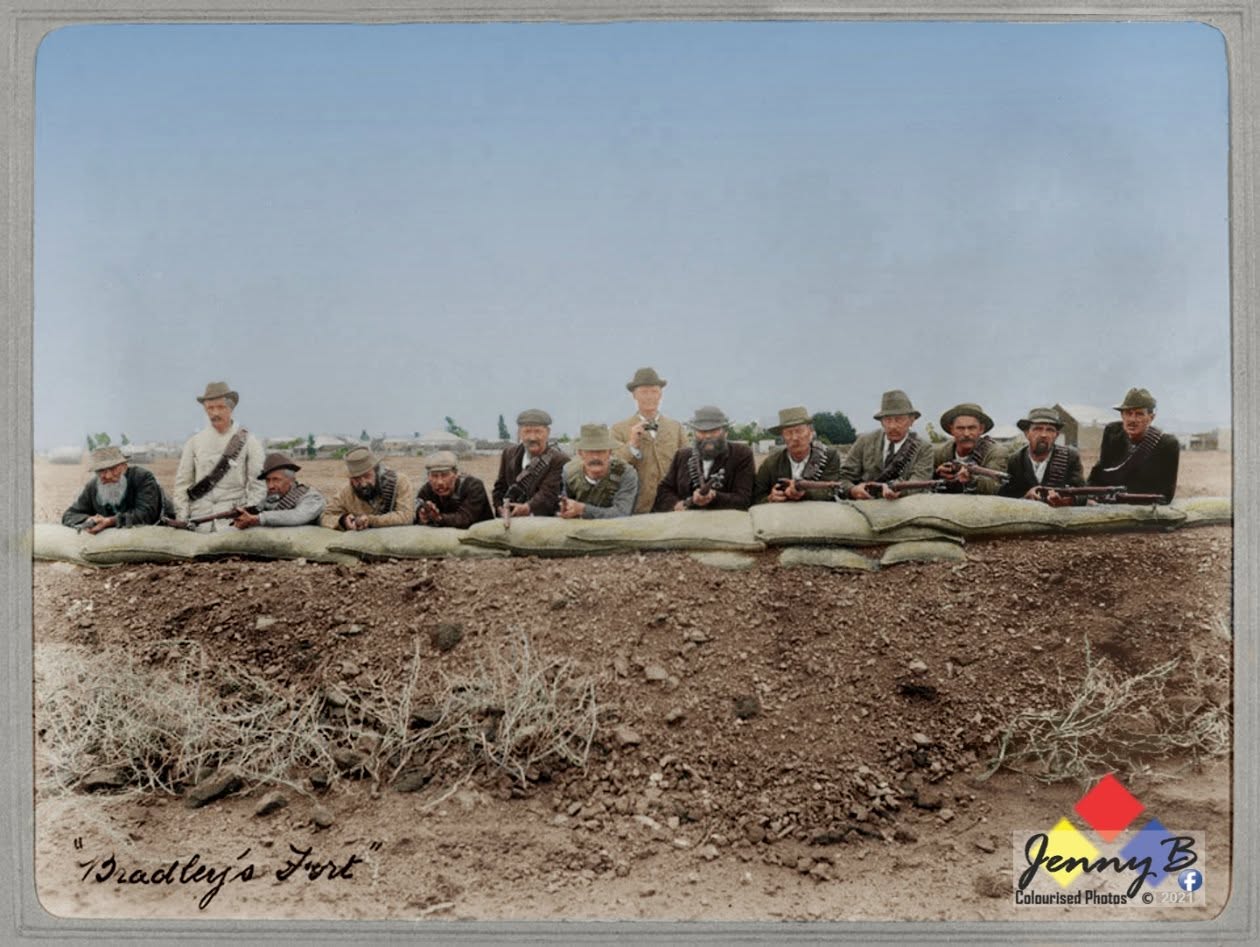
The most northerly town in Cape Colony, Mafeking was immediately besieged by the Boers following the outbreak of war. The British commander there was Colonel Robert Baden-Powell. His garrison included 750 locally raised troops and a force of 400 irregulars formed from the townspeople. In addition, more than 600 black Africans were employed as cattle guards. The Boer bombardment of Mafeking began on 16 October and ended on 17 May 1900, the longest of the war.
- Credit – National Army Museum – online collection –
The siege became a powerful symbol in Britain. Newspapers reported on events almost daily, and public interest grew as the siege dragged on. When Mafeking was finally relieved on 17 May 1900 by British forces, celebrations erupted across Britain. The term “mafficking” even entered the English language, meaning to celebrate exuberantly in public.
Although the siege was not the largest battle of the war, its psychological and political impact was enormous. It boosted British morale during a difficult period of the conflict, elevated Baden-Powell to national hero status, and became one of the most remembered events of the Boer War. Its legacy also lives on through the worldwide Scout movement that Baden-Powell founded a few years later.
- Src:
- Encyclopaedia Britannica
- National Army Museum
- Thomas Pakenham’s The Boer War
- Brian Gardner’s The Siege of Mafeking
_______________________________________________________________
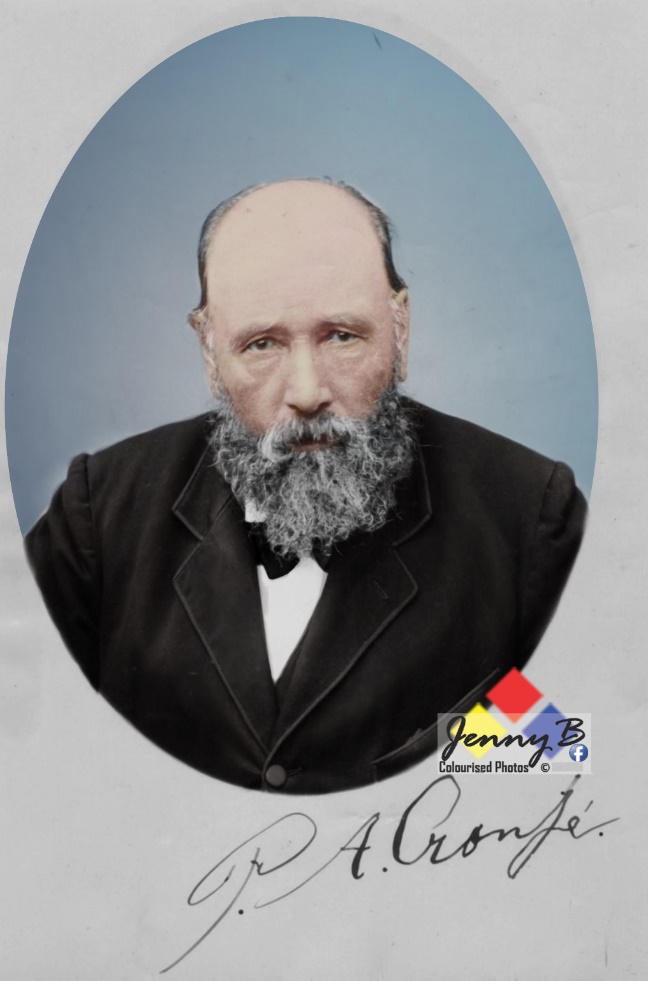
Piet Cronjé
General Piet Cronjé commanded the initial Boer forces besieging Mafeking. Leading a force of 2,000 to 6,000 men, he cut the railway and telegraph lines and heavily bombarded the town in an attempt to force Baden-Powell’s 1,200 defenders into an early surrender. – ebsco.com –
___________________________________________________________________________
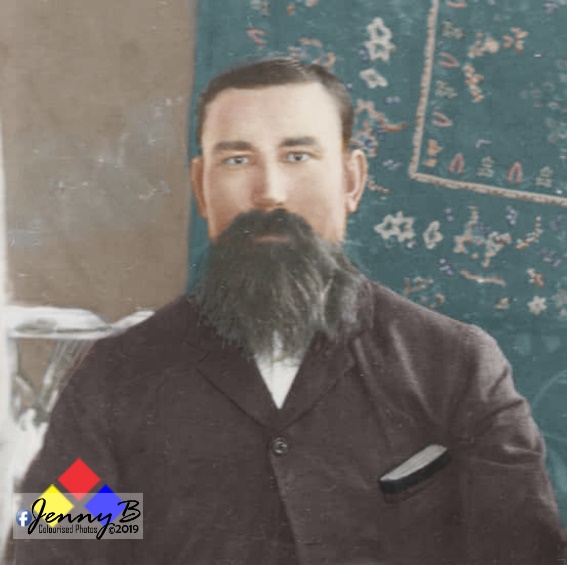
Gen. Jacobus Petrus Snyman – Alexander Armenis –
General Snyman assumed command of the Boer forces surrounding Mafeking after Cronjé left in November 1899 to take part in operations further south. Snyman’s task was complicated by shortages of men and supplies. He maintained a prolonged artillery bombardment, and generally adhered to a more cautious approach. Despite his efforts, the Boer forces were unable to overcome Mafeking’s defences, and the siege ended when a British relief column reached the town on 17 May 1900. – Pakenham’s The Boer War –
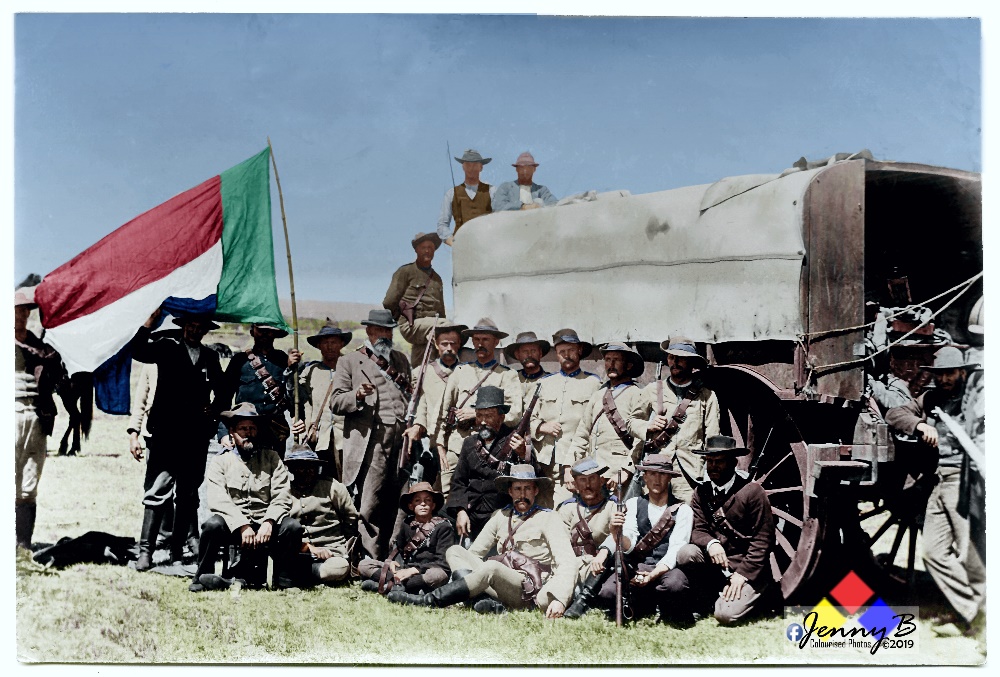
ZAR Staats-Artillerie at Mafeking with Lt Col Trichardt and Gen Snyman. – Alexander Armenis –
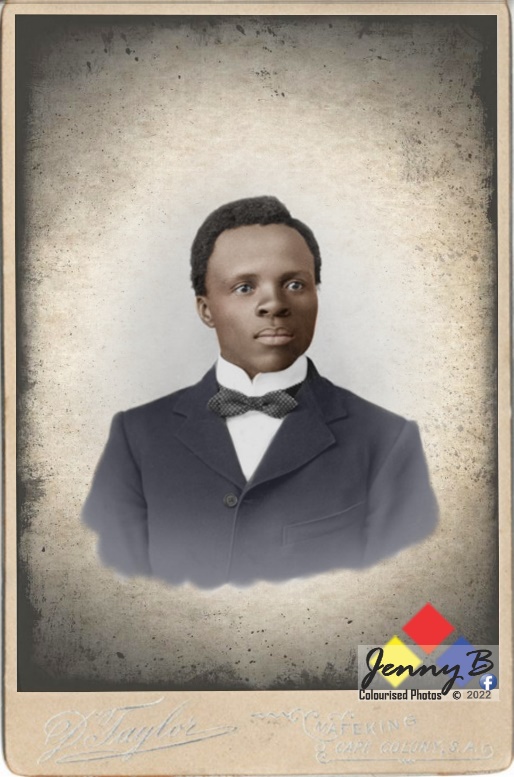
Sol Plaatje
Sol Plaatje was a young court interpreter and clerk in Mafeking during the siege of 1899–1900. He was fluent in several languages serving as an important link between the British authorities and the town’s African population, helping with communication, administration, and the management of local affairs during the long period of isolation.
He is best remembered for keeping a detailed diary throughout the siege, recording military events as well as the experiences of African residents. Published later as Mafeking Diary, his writings provide one of the most valuable first-hand accounts of the siege and offer a unique perspective on life in Mafeking during the Second Boer War. – Pakenham’s The Boer War –
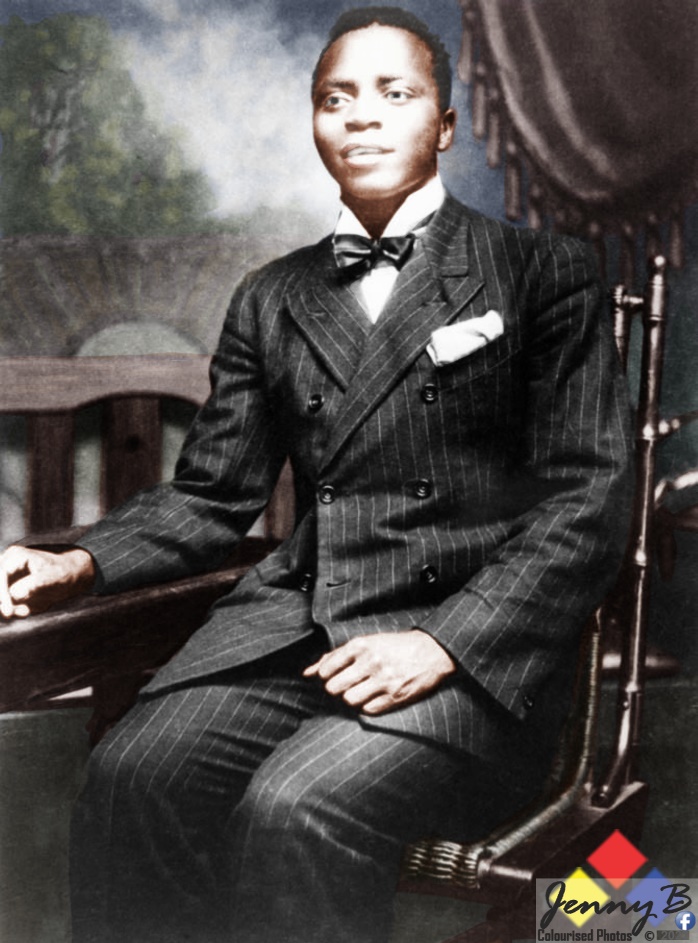
Sol
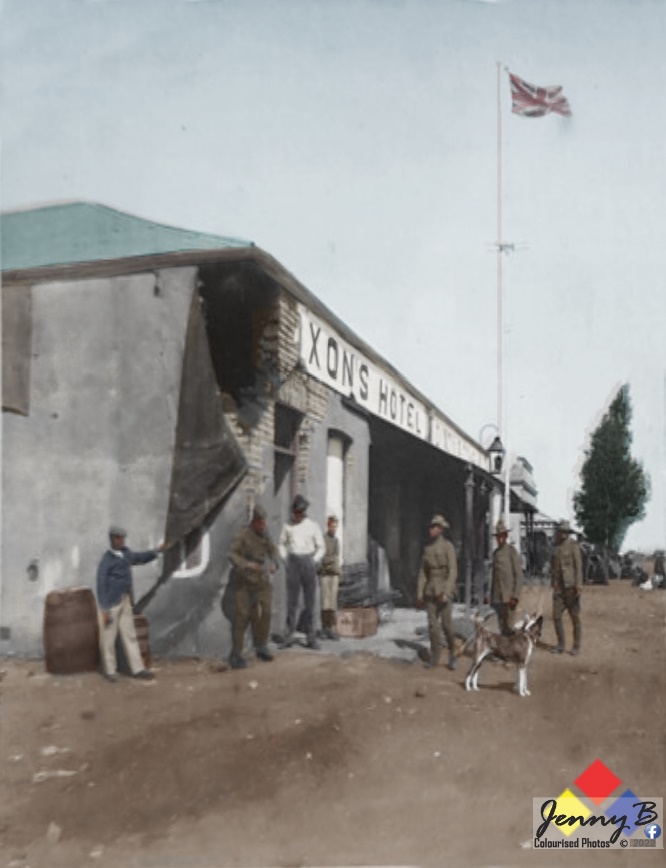
Dixon’s Hotel – Siege of Mafeking, aftermath –FB-