Nongqai Vol 17 No 8B – Blue Uniforms, Blackened Reputations
BLUE UNIFORMS, BLACKENED REPUTATIONS
Cover photo
Keywords
Police officers of Indian decent, South Africa, policing; public service, racial barriers, police history, corruption, integrity, justice, police legacy.
Abstract
The article looks at the history and contribution of Indian police officers in South Africa. It describes how many officers served with courage despite racial barriers and difficult conditions. It highlights important police officers and families who built a strong legacy of public service.
The article also discusses corruption and the loss of trust in parts of the police service. It ends by calling for integrity, justice and a return to the true spirit of policing.
BLUE UNIFORMS, BLACKENED REPUTATIONS
Yogin Devan
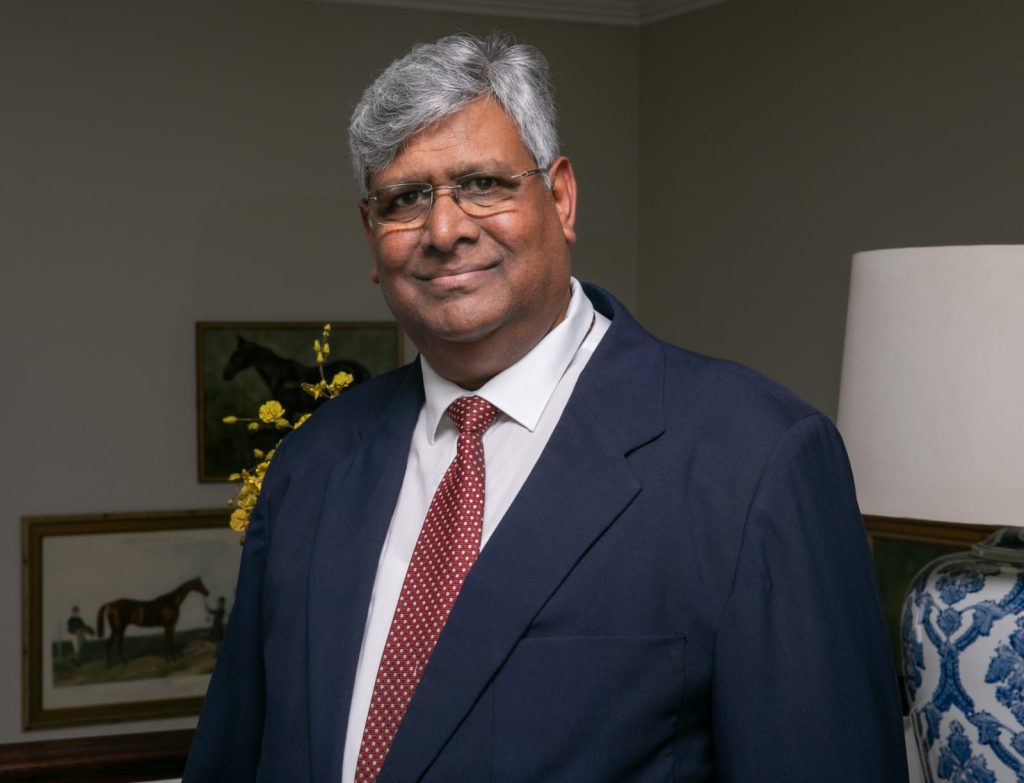
Yogin Devan
(Published in Nongqai Magazine with the kind permission of Mr Yogin Devan. Forwarded for publication by Logan Govender – [LG])
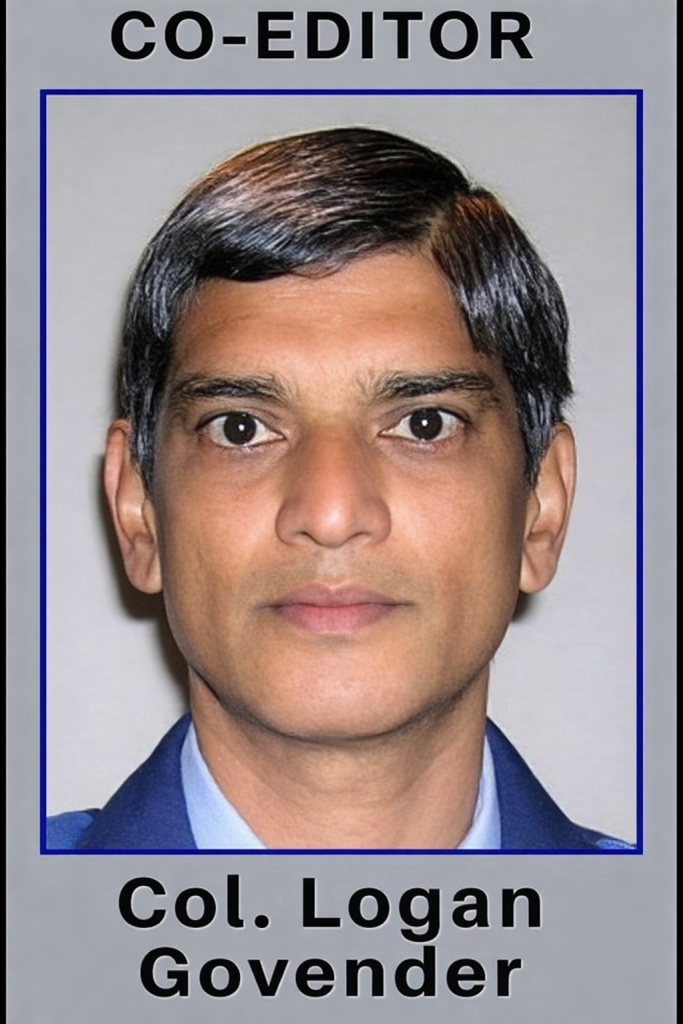
Logan Govender – [LG]
BLUE UNIFORMS, BLACKENED REPUTATIONS
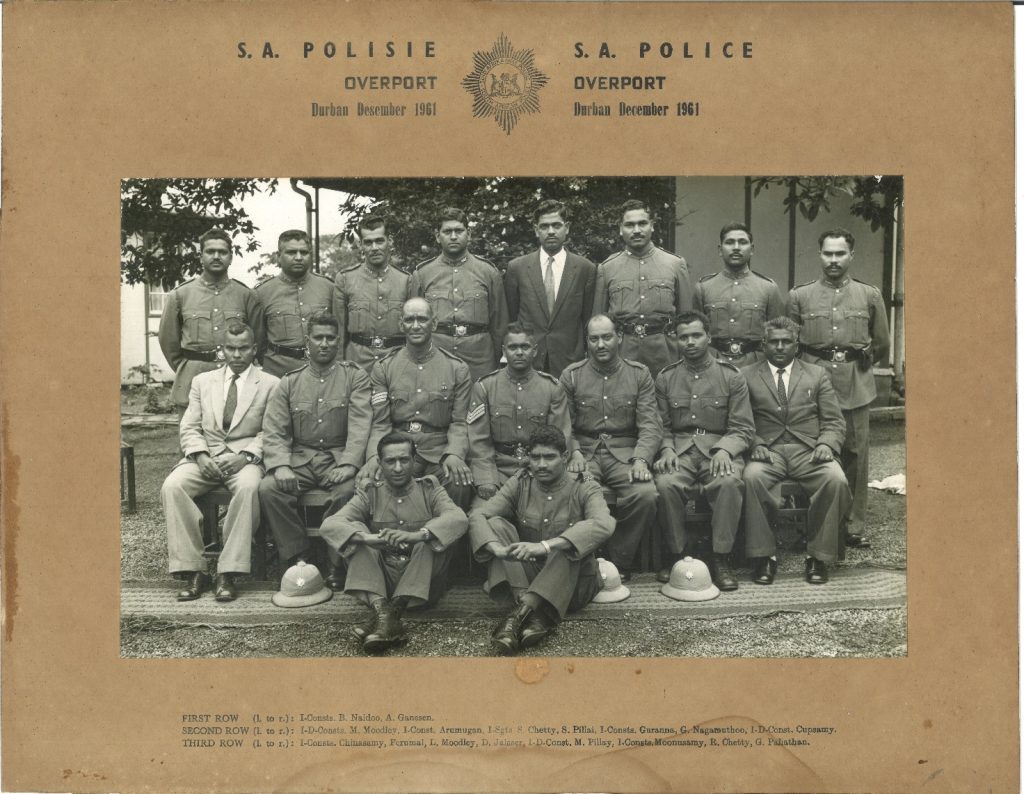
SOUTH AFRICAN POLICE
OVERPORT
DECEMBER 1961
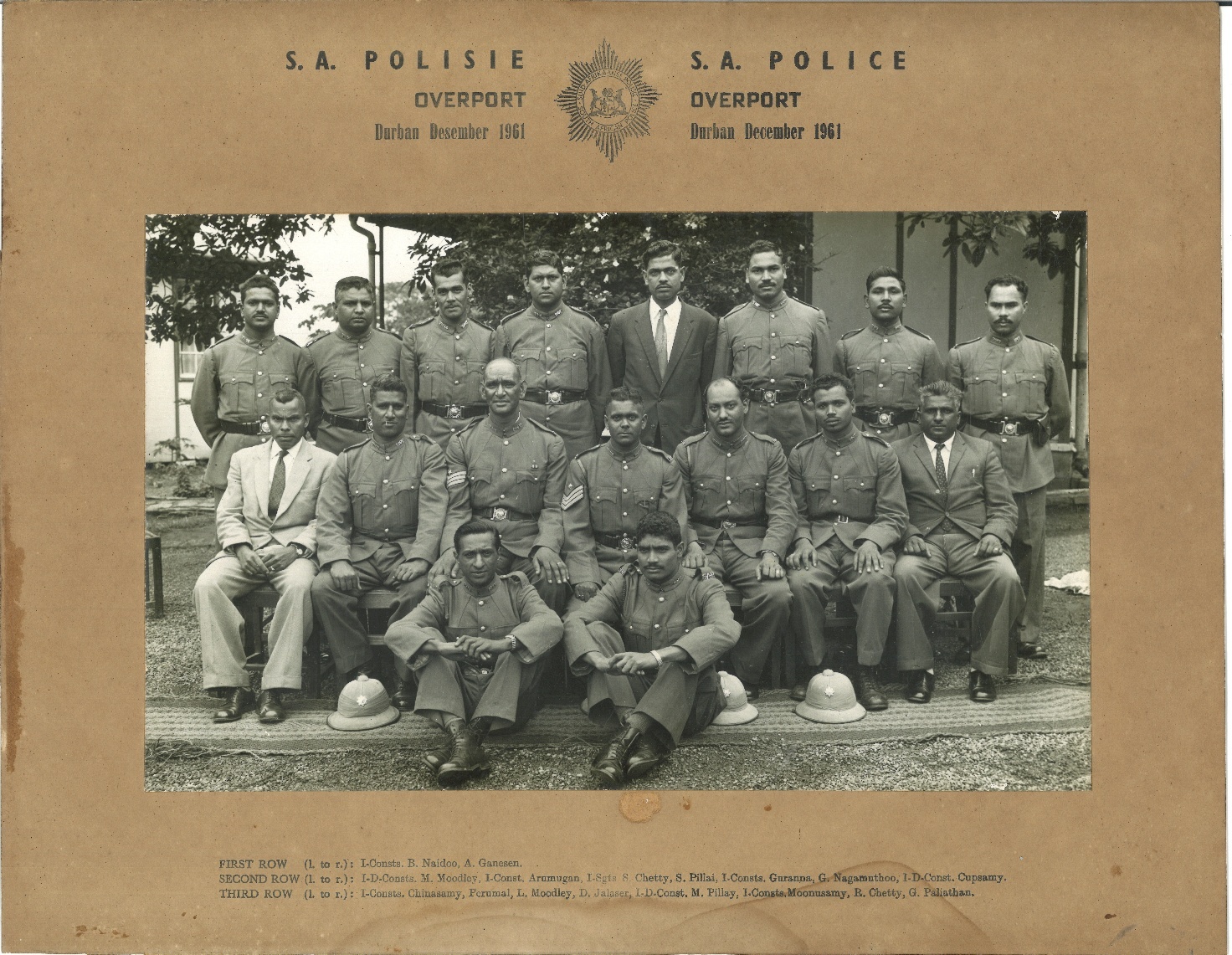
South African Police, Overport, December 1961. Seated: _-Consts. B. Naidoo and A Ganesan. Centre row: I-D-Consts, M Moodley, I-Const. Arumurugan, I-Sgts S Chetty, S. Pillai, I-Consts. Guranna, G Nagamuthoo and I-D-Consts Cupsamy. Back from left: I-Consts. Chinasamy, Perumal, L. Moodley, D. Jalaser, I-D Consts M. Pillay, I-Consts Moonusamy, R. Chetty and G. Paliathan.
Image: Supplied
When I watch certain top-level policemen shuffle before the Madlanga Commission, dragged there not for valour but for getting tangled in corruption and criminality, I feel not sorrow but derision.
They are not guardians of justice; they are the hollow echoes of uniforms once revered, now reduced to props in a national farce.
Once upon a time, policemen made headlines for meticulous investigations, for medals pinned to their chests, for certificates proudly displayed on their lounge walls that spoke of distinguished and meritorious service. Policemen were the steel in the spine of the nation.
Today, too many of them are making headlines for the wrong reasons, not as hunters of crime but as its accomplices. They stand on the wrong side of the law they swore to uphold.
South Africa’s criminal justice system, once a temple of duty, now feels like a circus tent, and some of the clowns are wearing blue. There has been testimony at the Madlanga Commission about an “Indian cabal” operating within Crime Intelligence and specialised police units to protect drug networks and handle rogue informants.
CID CHATSWORTH 1968
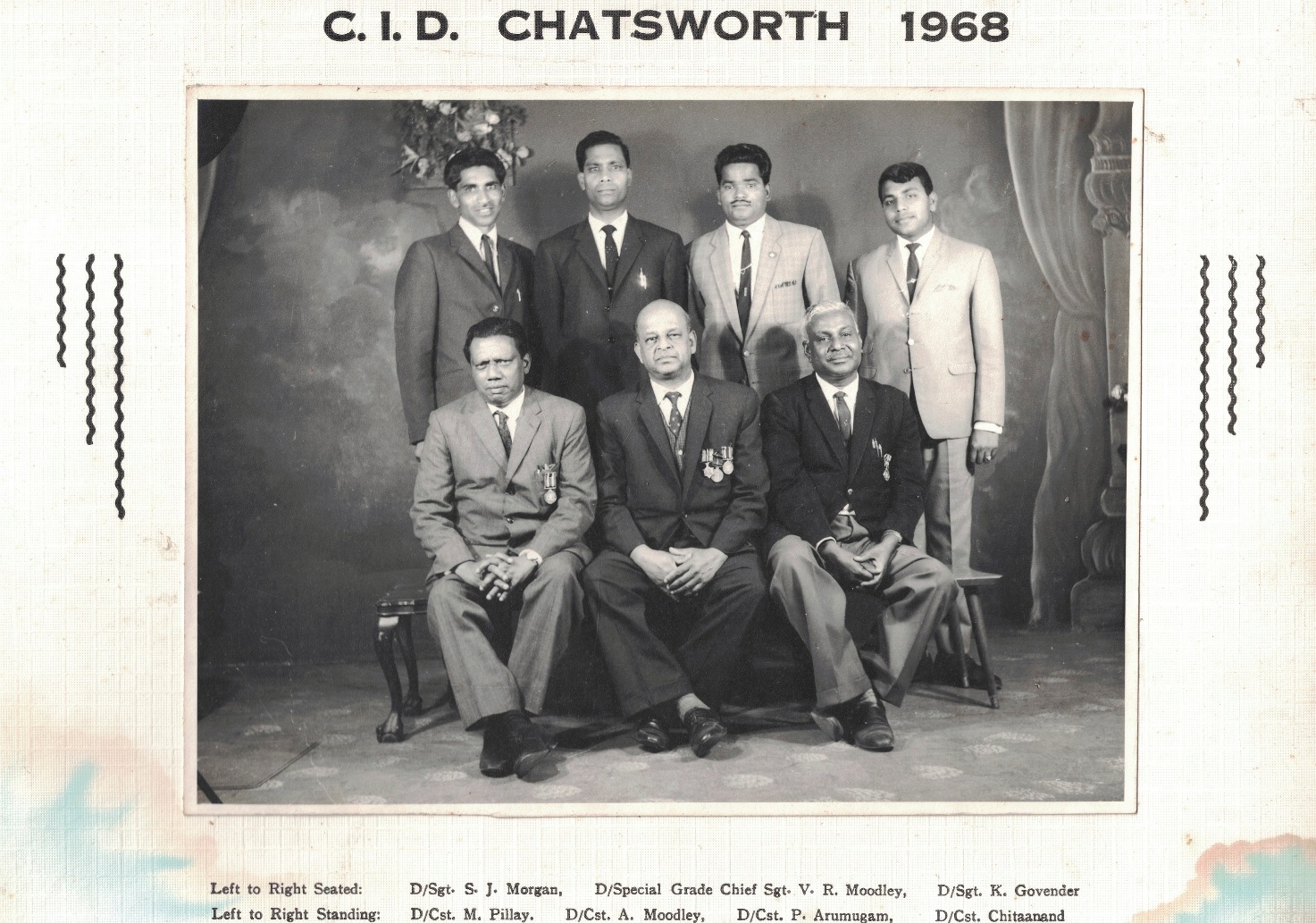
CID Chatsworth 1968. Seated, from left: D/Sgt SJ Morgan, D/Special Grade Chief Sgt VR Moodley and D/Sgt K Govender. Standing from left: D/Cst. M. Pillay, D/Cst. A. Moodley, D/Cst P. Arumugam and D/Cst. Chitaanand.
Image: Supplied
As a young journalist, my notebooks filled with tales of courage and fidelity from Indian policemen whose service was stitched with honour. I sought out the recently retired, men who wore their long‑service medals like quiet testaments to decades of duty – 30, even 40 years of unbroken commitment. Their voices carried stories of relentless investigations, of criminals finally brought to heel, of justice secured not by chance but by sheer perseverance.
Historically, many conservative Indian parents were reluctant to let their sons join the police force, seeing it as a dangerous and politically fraught occupation. They preferred safer, more stable professions such as teaching, commerce and administration. Also, Indians, like other non-white officers, faced systemic exclusion from senior positions, discouraging parents from seeing it as a viable career path. Despite these hurdles, pioneering policemen broke barriers and inspired later generations to enter policing.
There was a time when the Railways Police offered Indian recruits a narrow but vital doorway into policing. Parents, reluctant to send their sons into the dangers of mainstream SAP, often conceded that the Railways Police – guarding stations, trains, and railway property – was at least respectable, if not entirely safe. It was the stepping stone: a way to gain experience, earn a uniform, and eventually transfer into the South African Police. The retired police spokesperson, Major General Bala Naidoo, started at the Railway Police before joining SA where he served more than four decades and became the darling of the media as police communications head.
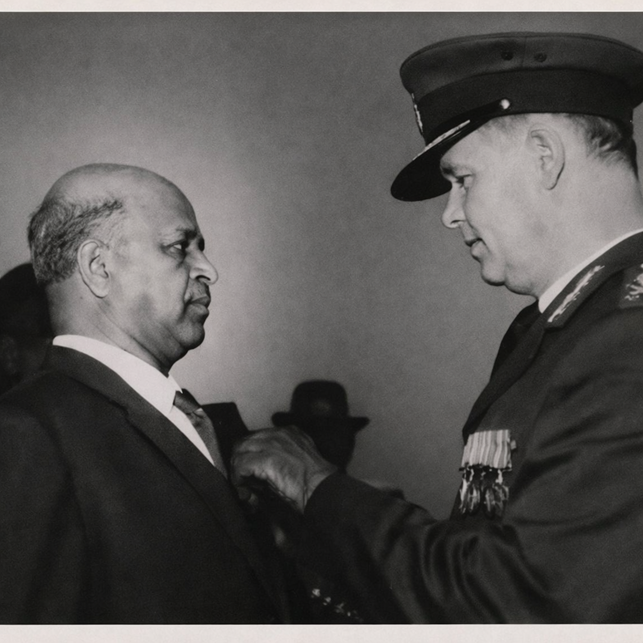
Special Grade Chief Sergeant VR Moodley receiving The South African Police Star for Merit, 30 years of loyal service and exemplary conduct from the Commissioner of The South Africa Police, General JM Keevy.
Image: Supplied
Serving as a reservist – a part‑time volunteer assisting with policing duties – was indeed another pathway into the police service. Reservists received basic police training, exposure to investigations, and operational duties, making them eligible for full‑time recruitment later. Many reservists later rose to senior ranks after transferring into SAP, becoming role models in their communities.
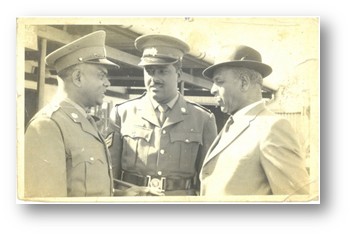
Chief Sergeant Soobramoney Govender (centre), deputy Chief of the Chatsworth Police, welcomes Lieutenant S Pillai (left) back to the Chatsworth Police Station. Sergeant VR Moodley, branch head of the CID looks on
Image: Supplied
SOUTH AFRICAN POLICE
TRAINING COLLEGE
WENTWORTH
DURBAN
PLATOON 32
01st August 1980 to 20th February 1981
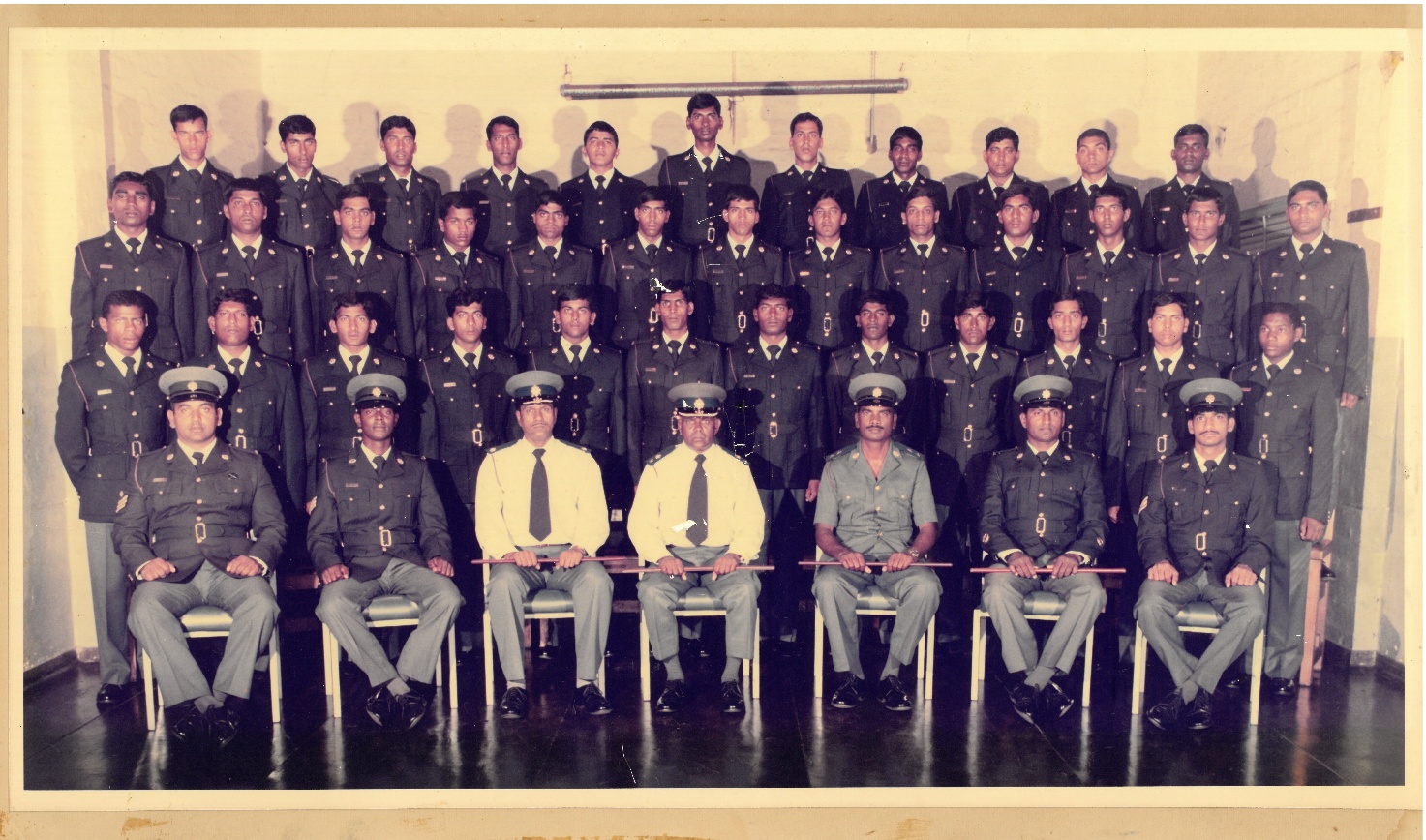
Image Supplied
Across the generations, the community bore witness to a saga of inheritance that saw sons rising as heirs to their fathers’ duty, stepping into the ranks of the police as though answering a call etched in destiny itself. Some examples I have come across are Brigadier Anesh Haripersad following his father Sergeant Bhaul Haripersad; Sergeant M Murugan who served for 36 years inspired his two sons to become police officers; Lieutenant General Sharma Maharaj, who ascended to become the first Indian Provincial Commissioner of Gauteng, followed in the bootsteps of his father Detective Sergeant Ramkaran Maharaj; and Detective Lieutenant Dewnund Maharaj’s son Colonel Udesh Maharaj became Principal Forensic Investigator at the Special Investigating Unit.
Many policemen of yesteryear went far beyond the call of duty, working long hours under dangerous and harsh conditions. Without the advantage of fast cars, 4×4 vehicles, firearms, bullet-proof vests and two-way radios, they traversed rural areas on foot in bad weather and exposed themselves to dangerous criminals.
During the late 70s, I interviewed a detective who was formally awarded a certificate of special commendation for his sustained pursuit of a wanted suspect, conducted on bicycle over several days from Durban to Northern Natal, relying solely on a baton, flashlight and whistle. After his arrest, the handcuffed suspect was brought back to Durban by train. The yellowing framed certificate was the pinnacle of the proud officer’s career.
In the early years of Indians in the police force, detectives primarily operated out of the Grey Street Complex, investigating commercial fraud, illicit gambling, and political underground movements. Early detectives were frequently deployed as multi-lingual investigators because white officers could not navigate the linguistic nuances of Durban’s Hindi, Tamil and Gujarati-speaking communities. Despite their high success rates in solving crimes, in the 1930s Indian detectives could not outrank white constables due to systemic racial laws, making their post-war promotions to Sergeants and Lieutenants hard-fought victories.
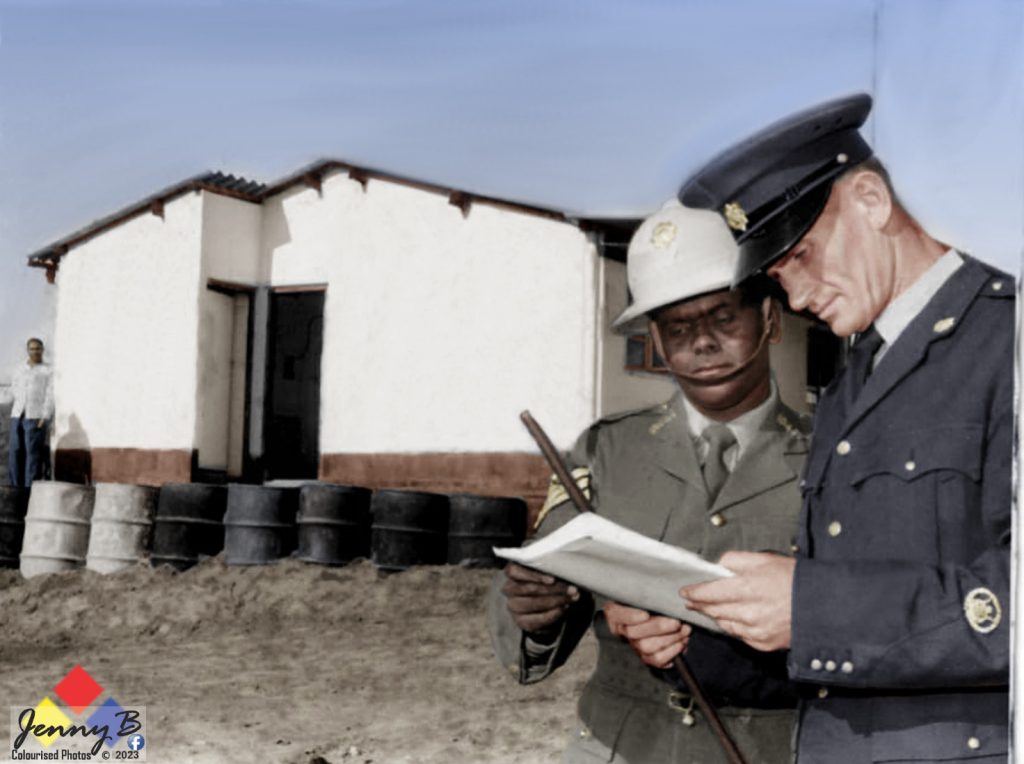
Chief Sergeant Subramoni Pillai and Warrant Officer G Smit discuss plans for the new Chatsworth Police Station – the first entirely Indian-staffed station in South Africa. In the background, a section of the temporary police station can be seen.
Image: Supplied
In September 1965, the first completely Indian-staffed police station in South Africa was opened, serving exclusively the residents of Chatsworth. With CID and uniform branch staff, the station was headed by then Chief Sergeant Subramonia Pillai who was previously stationed at Bellair which served Chatsworth before the township got its own police station. Later promoted to rank of Colonel, Pillai became head of the police training college at Wentworth.
Many hundreds of Indian policemen gave yeoman service during the past century. Retired Lieutenant-Colonel Aurry Pillay and Colonel Logan Govender (the first Indian policeman to serve at the SAPS head office in Wachthuis, Pretoria) are dedicated contributors to police alumni and legacy networks and often post interesting snippets about veteran police officers on social media.
In recalling the names of certain officers whose service has been etched into the public record over the years, I do so with reverence, mindful that countless others – steadfast men and women who gave of themselves faithfully to the police force across long decades – may not be mentioned here. Their devotion remains no less worthy, and their families may rightly take pride in a legacy of honour and duty.
In no particular order of age, years of service and rank, some police officers who stand out are Colonel Rangasamy Munsamy, Lieutenant General Vinesh Monoo, Major General Raj Ramsaroop, Captain Govindsamy Reddy, Major General Danny Pillay, Brigadier NG Govender, Captain Bob Sewpersad, Colonel Daniel Naidoo, Captain Dave Naidoo, Brigadier Anil Beharie Ram, Colonel Pat Nair, Brigadier NG Govender, Captain Valentine Naidoo, Major General Doraval “George” Govender, Sergeant K “CID” Govender, and Colonel Ronnie Heeralall.
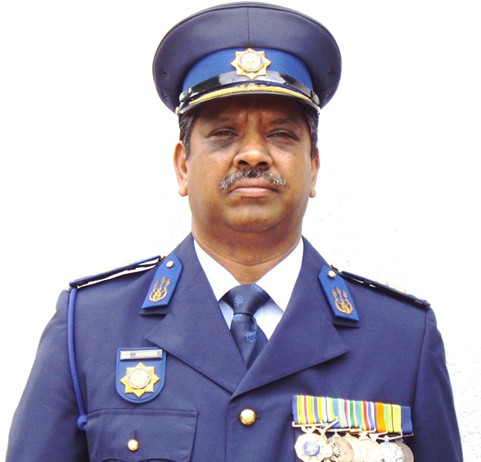
Major General (Professor) George D Govender.
Image: Supplied
Many prominent policemen were born in Magazine Barracks, Durban, which housed Durban Corporation workers. Indian Sergeant Perumal Subben – yes, up to a certain period during Apartheid, police ranks were preceded by the officer’s race – was born in Magazine Barracks in 1926. He enlisted in the SAP during the 1950s and served at the Somtseu Road, Overport, Sydenham and Chatsworth police stations. Detective Warrant Officer Mike Nagamuthoo who was also born in Magazine Barracks in 1935 joined the SAP in Clairwood. Last year (2025) he celebrated his 90th birthday.
Lieutenant General Morgan Chetty was a barrier breaker. His leadership at Wentworth and other police training colleges ensured Indian and other non‑white recruits were fully integrated into the SAP. He was appointed the first Indian Deputy National Commissioner of Police. His wife Brigadier Indera Chetty was also a trailblazer. She switched jobs as deputy principal at St Anthony’s Catholic Primary School in Durban to join as the first Indian woman in the SAP in May 1982. She trained the first intake of Indian female recruits at the training college in Wentworth and went on to break further ground by becoming the first Indian Commanding Officer of the SA Police Training College in Pretoria.
Following Brigadier Chetty, scores of Indian women in the SAP have risen to prominence, breaking barriers and earning national recognition. Colonel Priscilla Naidu who retired in 2024 after 40 years in the police force was for many years the source of information for crime stories in newspapers and on radio bulletins throughout the Eastern Cape. From humble beginnings in Merebank to national recognition, Lieutenant Colonel Vini Naidoo has three decades of service in detective and forensic fields. Captain Catherine Govender served as a detective at Chatsworth Police Station and earned the nickname “The Iron Lady of Chatsworth” for fearless pursuit of corruption and violent crime. In 2024 Lieutenant-Colonel Shenlatha Raghoonundan was appointed the first female commander of SAP in Bayview, Chatsworth.
Pietermaritzburg can also boast its fair share of top cops. Warrant Officer Kistan Naidoo who joined the SAP during 1954 became the first Indian at the Local Fingerprint Department in Pietermaritzburg (later Forensic Science Laboratory). Sergeant Mariemuthu Isusan was born in 1914 at Bainsfield, Pietermaritzburg. He enlisted with the SAP in Verulam in January 1937 and also served at Durban Central and Mountain Rise. He retired in 1970 after 33 years of service.
Lieutenant Kathavarayan Rajgopaul was a distinguished detective. Born in Verulam in 1915, he joined the SAP at Durban Central in 1937. He served the police force for 38 years before retiring as Head of the Criminal Investigation Department at Bayview, Chatsworth, in 1975.
Lieutenant-Colonel Ray Munilall Mathura was a pioneering detective, remembered for his courage and professionalism. His son Vikash is a former Lotus FM presenter, a businessman and popular part-time man of mirth, better known as Bala in the hit comedy series Bala & Peru.
Captain Rajoo “Tiger” Ellappan was a man of paradoxes – a stern Drill and Musketry Instructor with a booming voice at the police training college, he doubled as a crowd‑pulling hero in the wrestling ring.
Special Grade Chief Sergeant VR Moodley was a pioneering Indian police officer. Overcoming severe racial barriers, he served for 39 years, becoming one of the first Indian officers to attain senior rank and head the CID in Chatsworth, having also previously served in Pietermaritzburg, Durban, and Cato Manor.
In the shadows of yesteryear’s underworld, one name stirred unease – Vasa Arumugam Pillay, the formidable Senior Detective Sergeant who held sway from Durban Central. His legacy carried forward in the judiciary through his son, retired Judge Barathanathan “Thumba” Pillay.
Maverick detective partners Suresh “Bushy” Singh and Patrick Singh worked on some of Durban’s highest-profile murders. Affable Major General Hans Jissok former was Cluster Commander of eThekwini and Detective Head of SAPS, Chatsworth.
Brigadier Vishnu Naidoo, with over 35 years of service, was the public face of SAPS communications for 16 years, handling media relations. Since 2022, he has overseen inspections of police stations in KwaZulu‑Natal.
In recent years, greed has corroded the moral fibre of the force. Here, think of the four officers who were marched off to prison for the SBV heist in 1996. After Apartheid, the police force underwent rapid transformation. While this opened doors for many, it also weakened internal discipline and accountability systems. The old ethos of service gave way to opportunism in some quarters.
Yet even amid this theatre of disgrace, I hold to the belief that the spirit of sound policing is not extinguished. The rot of corruption cannot forever eclipse the light of integrity. There are still men and women in uniform who carry the weight of duty with quiet dignity, who remind us that the badge can be more than a costume – it can be a covenant.
Renewal will not come from commissions alone, but from a collective insistence that justice be restored to its rightful throne. The flame of duty can be rekindled. South Africa has been wounded by its own guardians, yet it is not beyond healing. And when that day arrives, the laughter will no longer be at clowns in blue, but at the triumph of a nation that refused to surrender its soul.
Yogin Devan is a media consultant and social commentator. Share your comments with him on: yogind@meropa.co.za
Logan Govender



Powerful read, A reminder of what policing once represented; honour, discipline, courage and service. Sadly, the contrast with what we see today is hard to ignore.
Thank you for an apt comment. Appreciated. Logan