Nongqai Vol 17 No 10 – (49) Fake Degrees
Excerpt
The growing trade in fake degrees and unaccredited qualifications threatens professional credibility, ethical standards, and public trust.
Abstract
In this thought-provoking article, Adv Anton Wiid examines the increasing prevalence of fake degrees and qualifications issued by so-called “degree mills”. He argues that professional titles such as “Dr.” and “Prof.” are often accepted without proper verification of the issuing institution. The article highlights the risks associated with unaccredited qualifications, stressing that their use is not merely a matter of personal vanity but may involve serious ethical, professional, and legal consequences. Wiid calls on employers, professional bodies, and the public to exercise greater diligence when assessing academic credentials and professional standing.
Keywords
fake degrees, degree mills, academic fraud, professional ethics, SAQA, qualifications, credential verification, professional standards, academic integrity, fraud, higher education, accreditation, professional titles.
Fake degrees, really! Perhaps flavour of the month.
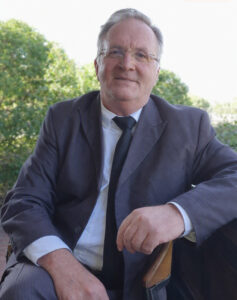
AJ Wiid (Pleb iv)
What started as a casual observation—prompted by the sheer volume of advertisements for “instant” degrees—became a realisation that we are used as a dumping ground for illegal qualifications in some form. It concerns institutions outside the public domain. While I know several dismissals have occurred in government because of this, the problem is far more pervasive than the public sector.
In our collective rush to upskill and climb the corporate ladder, many are falling into the trap of “degree mills”—institutions that offer PhDs and other degrees for a fee, without the years of rigorous study and academic scrutiny we have come to expect
It is becoming increasingly clear that this isn’t just an isolated incident; it is prevalent across the professional sector. We have become far too comfortable accepting titles like “Dr.” or “Prof.” at face value, without ever questioning the source.
At what point does an “online-only” degree cross the line from being a legitimate, modern alternative to being a complete fabrication? The answer is Simple: If the institution is not registered or recognised by SAQA, it isn’t an education—it is a transaction.
As professionals, how many of us usually check a colleague’s credentials before we accept them as an authority? While professional verification services exist, are they usually reserved for the initial employment process?
Many people seem to think that using a title from an unaccredited university is just a “Harmless vanity project.” It is anything but. Using a fake title to gain professional standing is not just unethical; it can lead to serious legal consequences include fraud charges and violations of the NQF Amendment Act. Using the Dr title from an unregistered institution is illegal, even an honoris causa, I believe.
We spend our entire careers building our reputations through hard work and genuine experience. Yet, it seems incredibly easy for someone to jeopardise that entire standard of excellence with a “fast-track” qualification.
I am certainly not knowledgeable about this topic and don’t refer to it in a specific profession. (Adv Anton Wiid)


Commentary
This article addresses a highly relevant and contemporary issue that extends well beyond the public sector. Its strength lies in challenging readers to question assumptions about academic qualifications and professional titles that are often accepted without scrutiny. Wiid adopts a balanced and accessible approach, raising important questions rather than presenting himself as the final authority on the subject.
For Nongqai readers, the article is particularly pertinent because credibility, competence, and integrity are fundamental values within the security, intelligence, legal, and law-enforcement professions. The misuse of unaccredited qualifications undermines trust and devalues the achievements of those who have earned their credentials through genuine study and experience.
Editorial Assessment
A concise, timely, and thought-provoking article that highlights an often-overlooked threat to professional standards. It should stimulate meaningful discussion among readers about academic integrity, public trust, and the importance of verifying credentials in an increasingly complex professional environment.