
Nongqai Vol 17 No 10 – (9) Anglo Boer War: The battle at Poplar grove
BATTLE OF POPLAR GROVE
“At Poplar Grove, Roberts won the ground — but De Wet saved his commandos.”

Jennifer Bosch
Abstract
The Battle of Poplar Grove, fought on 7 March 1900 during Lord Roberts’ advance on Bloemfontein, was intended to be a decisive encirclement of the remaining Free State commandos after Cronjé’s surrender at Paardeberg. Christiaan de Wet had regrouped the Boer forces along the Modder River, establishing an extended defensive line to delay the British advance. Roberts planned a wide flanking movement by General Sir John French’s cavalry to trap the Boers, supported by infantry and artillery pressure from the front. As French successfully turned the Boer left flank and British guns intensified their fire, De Wet recognised the danger and ordered a rapid withdrawal, preventing the destruction of his force. The Boers’ retreat—later described by De Wet as “The Wild Flight from Poplar Grove”—allowed Roberts to occupy the abandoned positions and continue his advance toward Bloemfontein. The battle opened the road to the Free State capital, leading to subsequent engagements at Driefontein and the British occupation of Bloemfontein on 13 March 1900. A notable incident was President Paul Kruger’s brief and ill‑timed visit to the Boer camp on the morning of the battle. Poplar Grove remains significant as an example of Boer mobility and De Wet’s tactical acumen in avoiding encirclement despite British numerical superiority.
Keywords
Poplar Grove, Anglo‑Boer War, Lord Roberts, Christiaan de Wet, Boer commandos, Modder River, Paardeberg, John French, British advance, Bloemfontein, Paul Kruger, Boer retreat, Driefontein, Orange Free State, encirclement strategy, military manoeuvre, 1900 campaign
BATTLE OF POPLAR GROVE
The Battle of Poplar Grove was fought on 7 March 1900 during Lord Roberts’ advance on Bloemfontein, the capital of the Orange Free State. Coming immediately after the British victory at Paardeberg and the surrender of Piet Cronjé, it was an important moment in the British advance through the Free State.
Rather than becoming the major battle Roberts had anticipated, Poplar Grove developed into a relatively brief action in which the Boer forces withdrew before they could be decisively engaged.
The Boer position
Following Cronjé’s surrender at Paardeberg on 27 February, the remaining Free State commandos needed to regroup. Christiaan de Wet concentrated Boer forces at Poplar Grove, also known as Modderrivierpoort, approximately ten miles east of Paardeberg.
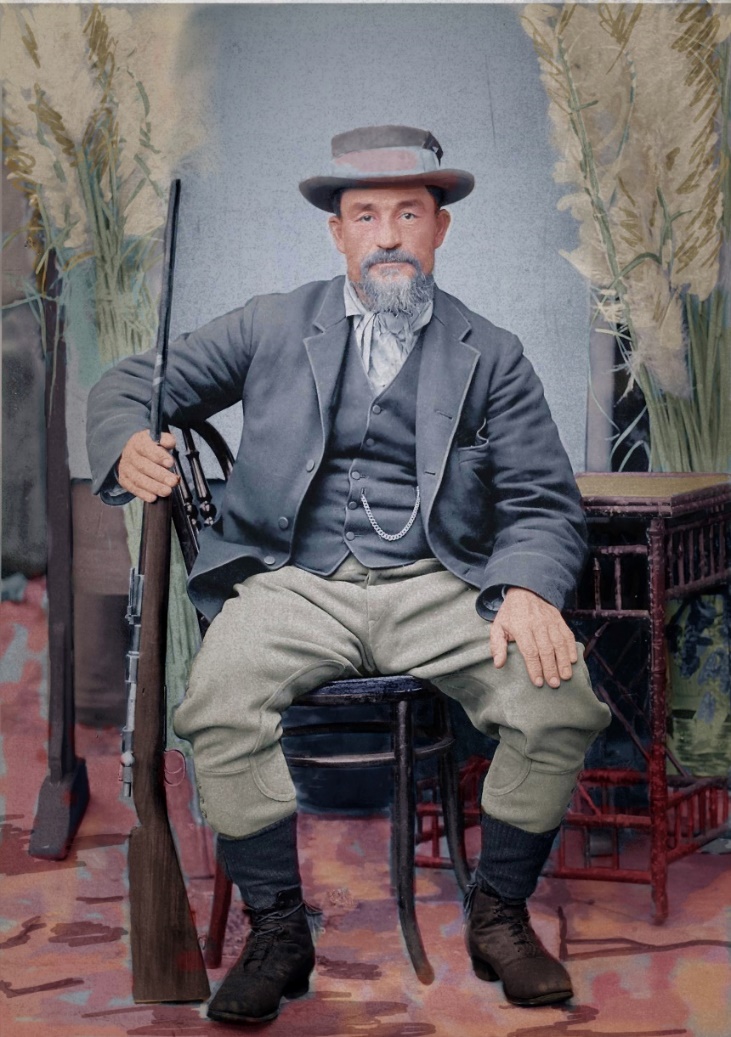
Christiaan de Wet
De Wet established defensive positions along the Modder River, using a series of hills and sangars extending over a considerable distance. His intention was to delay Roberts’ advance towards Bloemfontein.
The situation was already difficult for the Boers. Cronjé’s surrender had seriously affected morale, while British forces were advancing in overwhelming numbers.
Roberts’ plan
Lord Roberts planned to envelop the Boer position rather than simply attack it frontally. General Sir John French’s cavalry was ordered to make a wide sweep around the Boer left flank and threaten their rear. Meanwhile, British infantry and artillery would advance against the Boer positions from the front and flank.
The plan depended upon the Boers remaining in their positions long enough to be surrounded.
The British advance began during the early hours of 7 March. French’s cavalry made its wide circuit while the infantry divisions advanced towards the Modder River.
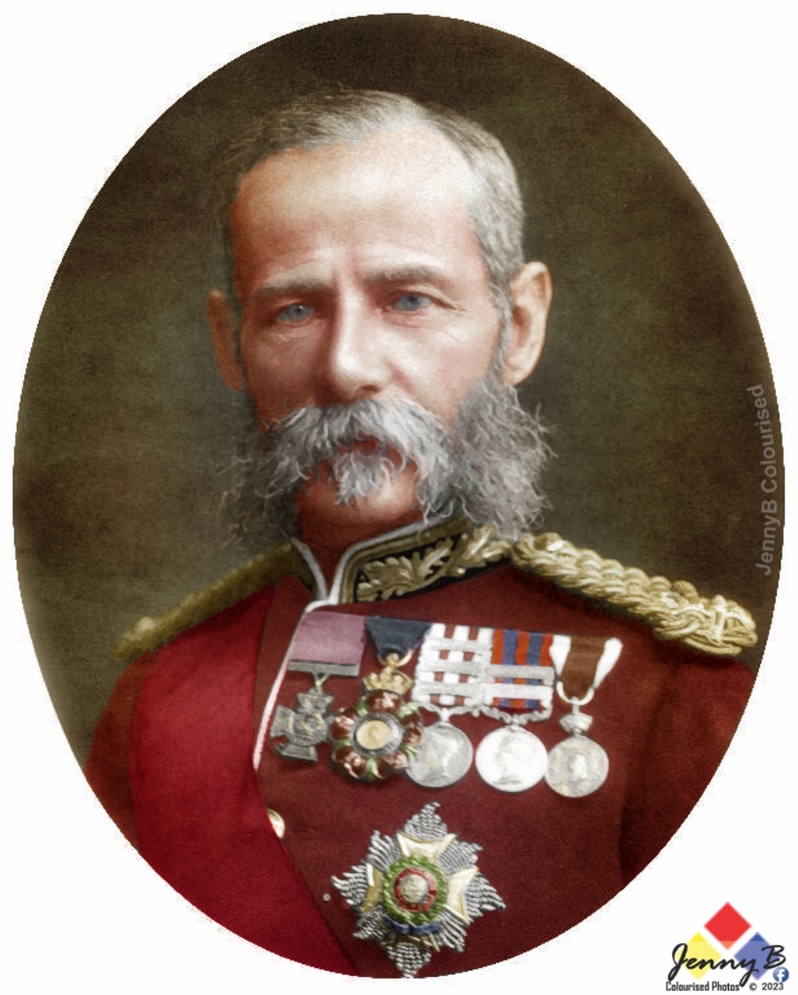
Lord Roberts
The Battle
As the British forces approached, French succeeded in turning the Boer left flank. British artillery also began to put pressure on the Boer positions. The situation became increasingly dangerous for De Wet. Rather than allowing his commandos to become trapped, he ordered them to withdraw.
The Boer retreat was remarkably rapid. British cavalry, mounted infantry and horse artillery pursued the withdrawing commandos, while the infantry moved forward and occupied the abandoned positions. Contemporary accounts describe the Boer withdrawal as a disorderly flight, while De Wet himself later titled his account of the episode “The Wild Flight from Poplar Grove.”
One particularly interesting aspect of Poplar Grove is that Roberts’ elaborate encircling plan did not result in the destruction or capture of the Boer force. De Wet had recognised the danger and withdrew before the trap could close.
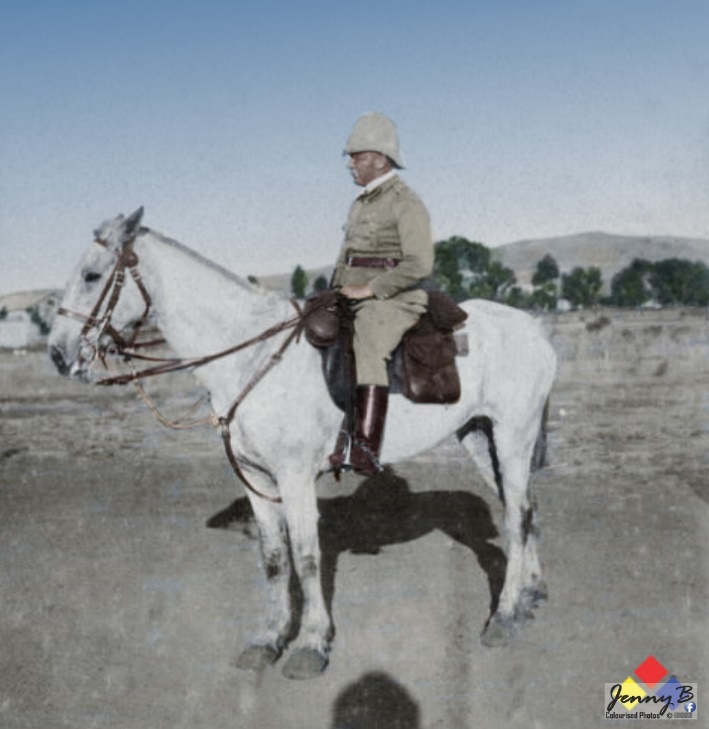
General Sir John French
An Unexpected Visitor
There was a remarkable coincidence on the morning of the battle.
President Paul Kruger, travelling from the Transvaal, arrived at Poplar Grove to visit the remaining Boer forces. He had scarcely arrived when news reached the Boer camp that Roberts’ army was advancing. According to De Wet’s later account, Kruger had little opportunity to stay. He was quickly sent away in his carriage as the British advance developed.
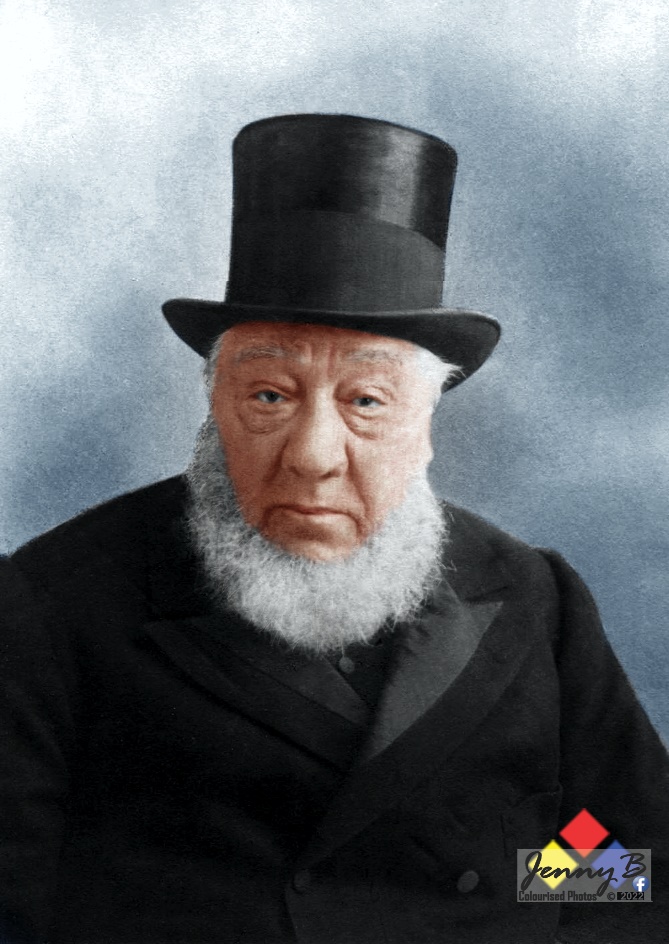
President Paul Kruger
The Aftermath
Poplar Grove opened the road towards Bloemfontein. Roberts established his headquarters at Poplar Grove while the retreating Boers moved north and east.
De Wet attempted to reorganise his commandos farther along the route. The next major engagement came only three days later at Driefontein (Abrahamskraal) on 10 March. There the Boers made a more determined stand before again being forced to retreat.
On 13 March 1900, British forces entered Bloemfontein without significant resistance.
Key Role Players
Lord Roberts — British Commander-in-Chief in South Africa, directing the advance towards Bloemfontein.
Lord Kitchener — Roberts’ Chief of Staff and one of the principal figures in planning and directing British operations.
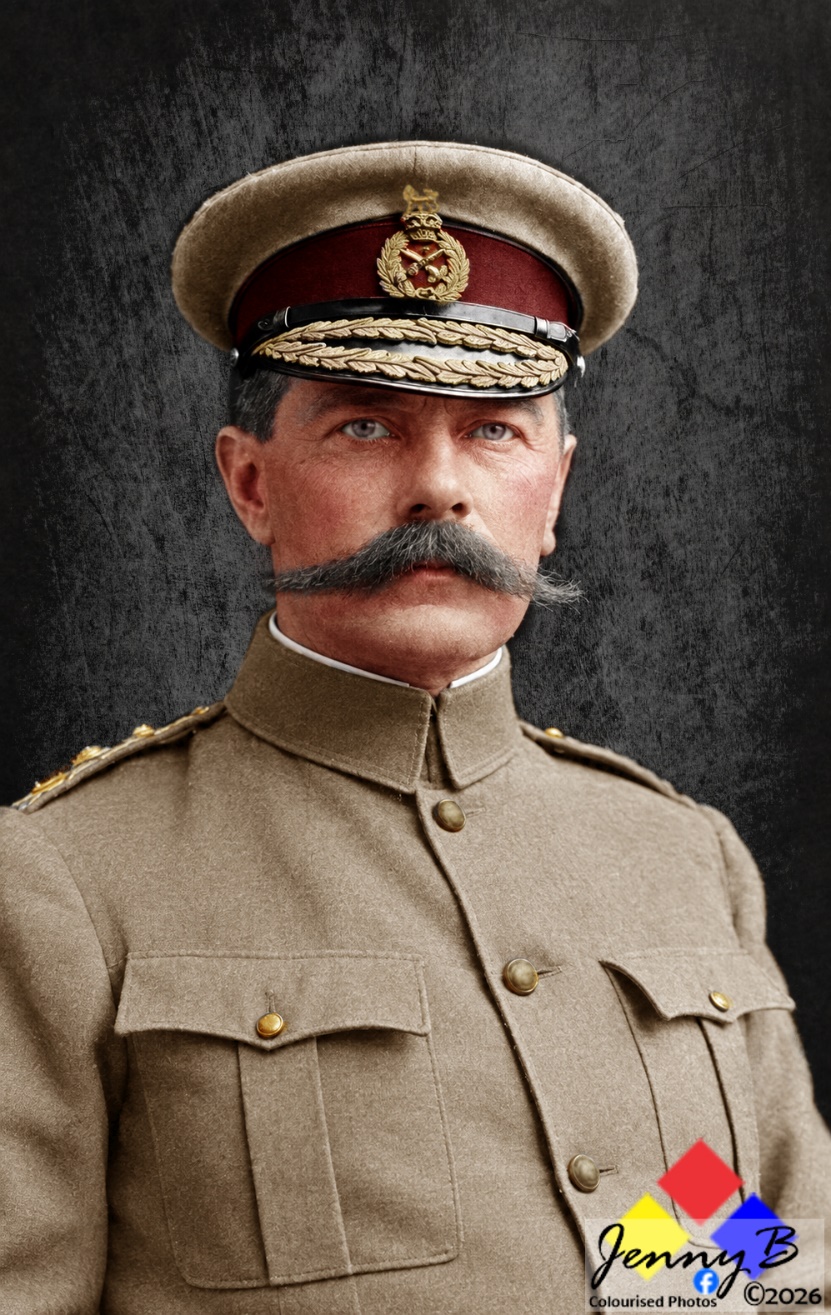
Lord Kitchener
General Sir John French — commanded the British cavalry and carried out the wide flanking movement that threatened the Boer rear.
Christiaan de Wet — Free State commander who had taken responsibility for regrouping the Boer forces after Cronjé’s surrender. He avoided having his commandos trapped by ordering their withdrawal.
Paul Kruger — President of the South African Republic (Transvaal), who arrived at Poplar Grove on the morning of the battle.
Prince Christian Victor Albert Louis Ernst Anton of Schleswig-Holstein
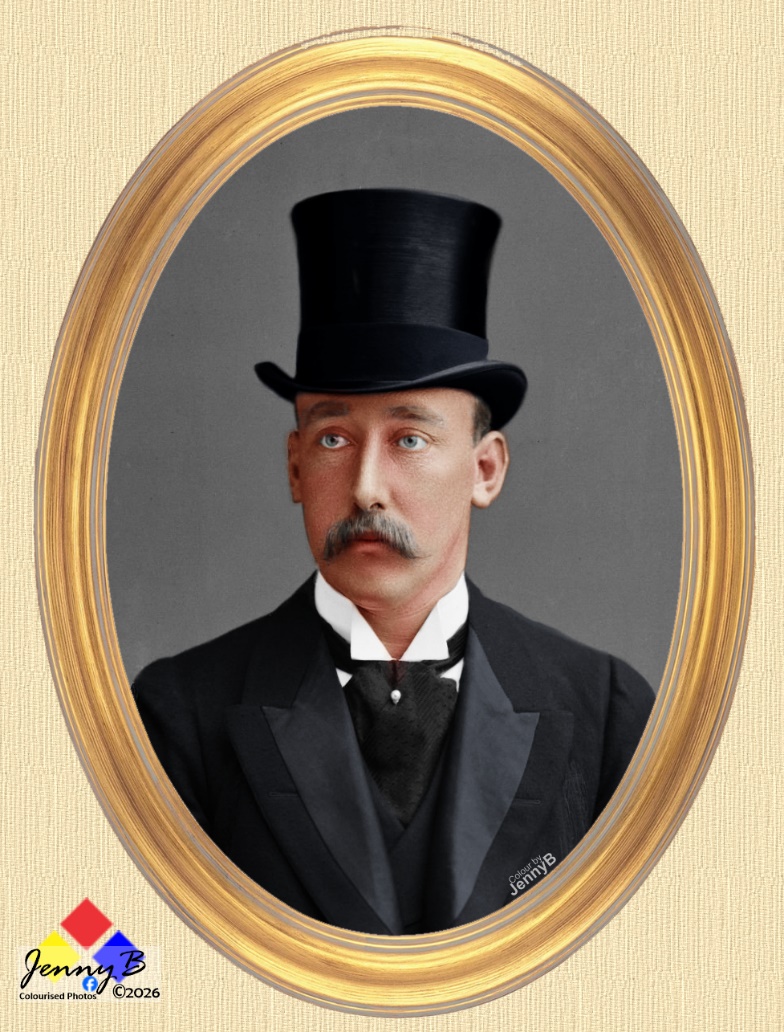
Prince Christian Victor Albert Louis Ernst Anton of Schleswig-Holstein (14 April 1867 – 29 October 1900) was a member of the British royal family. He was the eldest son of Princess Helena, third daughter of Queen Victoria. He served as a staff officer in the King’s Royal Rifle Corps during the Anglo-Boer War and was involved in the relief of Ladysmith under General Sir Redvers Buller and later was with Lord Roberts in Pretoria.
Prince Christian Victor died in Pretoria on 29 October 1900, aged 33, after contracting malaria which was followed by enteric (typhoid) fever. Although he had survived several previous military campaigns without serious illness or injury, he succumbed to disease during the Anglo-Boer War. He was buried in Pretoria Cemetery on 1 November 1900.
Sources: Christiaan de Wet’s memoir Three Years’ War; Arthur Conan Doyle’s The Great Boer War; Louis Creswicke’s South Africa and the Transvaal War; and the Encyclopedia of the Boer War, 1899–1902.

