
Nongqai Vol 17 no 9 – (25.2) The Battle of Paardeberg
Excerpt
Cronjé’s encircled Boer force collapsed after ten days of siege at Paardeberg, marking a decisive turning point in the war.
Abstract
The Battle of Paardeberg (17–27 February 1900) was a major British victory during the Anglo‑Boer War, culminating in the surrender of General Piet Cronjé and more than 4,000 Boer fighters. After Roberts’ rapid manoeuvre from the Modder River and French’s relief of Kimberley, Cronjé’s retreating column was intercepted at Paardeberg. A disastrous British frontal assault on 18 February, directed by Kitchener, resulted in the highest single‑day British casualties of the war. Roberts then imposed a siege, tightening the encirclement as conditions inside the Boer laager deteriorated. Despite Christiaan de Wet’s attempted rescue, Cronjé refused to break out. Canadian troops played a key role in the final night advance of 26–27 February, suffering heavy losses. Cronjé surrendered on 27 February—ironically the anniversary of Majuba—delivering a severe psychological blow to the Boer republics and enabling the British advance toward Bloemfontein. The chapter also recounts the accidental death of Ignatius “Naas” Ferreira, whose loss forced the appointment of Christiaan de Wet as Chief Commandant.
Keywords
Paardeberg, Lord Roberts, John French, Piet Cronjé, Horatio Kitchener, Canadian forces, Royal Canadian Regiment, Christiaan de Wet, Boer surrender, Modder River, siege warfare, Anglo‑Boer War, Naas Ferreira, friendly fire, Bloemfontein advance
New Chapter 13

Chapter 13 – The Battle of Paardeberg
Jennifer Bosch
The Battle of Paardeberg was fought from 17–27 February 1900 and was one of the most important British victories of the War. It followed Field Marshal Lord Roberts’ bold advance from the Modder River and the successful relief of Kimberley and ended with the capture of more than 4,000 Boer soldiers under General Piet Cronjé.
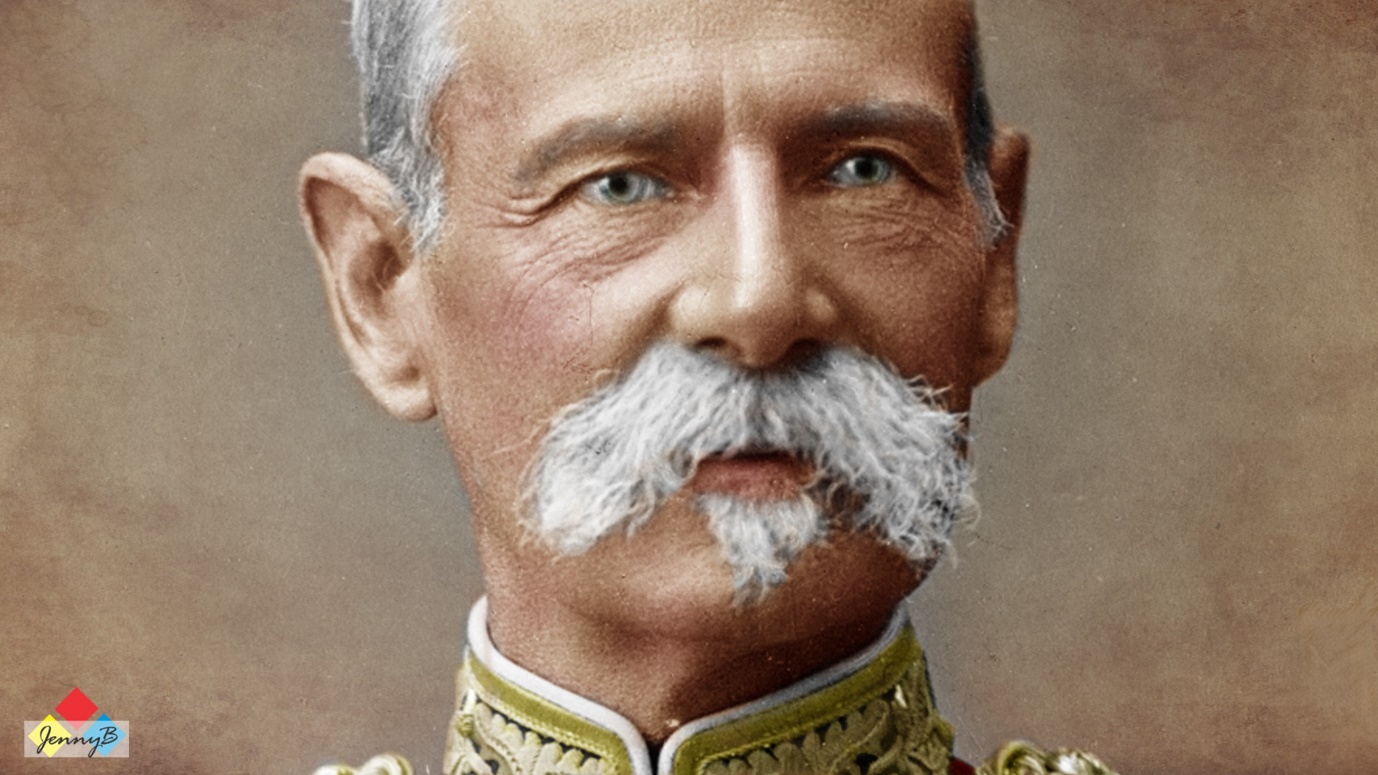
Frederick Sleigh Roberts
In February 1900, Roberts abandoned the railway and moved his army southeast from the Modder River, intending to cross the Riet River and advance into the Orange Free State. At the same time, his cavalry, commanded by Sir John French, swept north towards Kimberley, which had been under siege by the Boers.
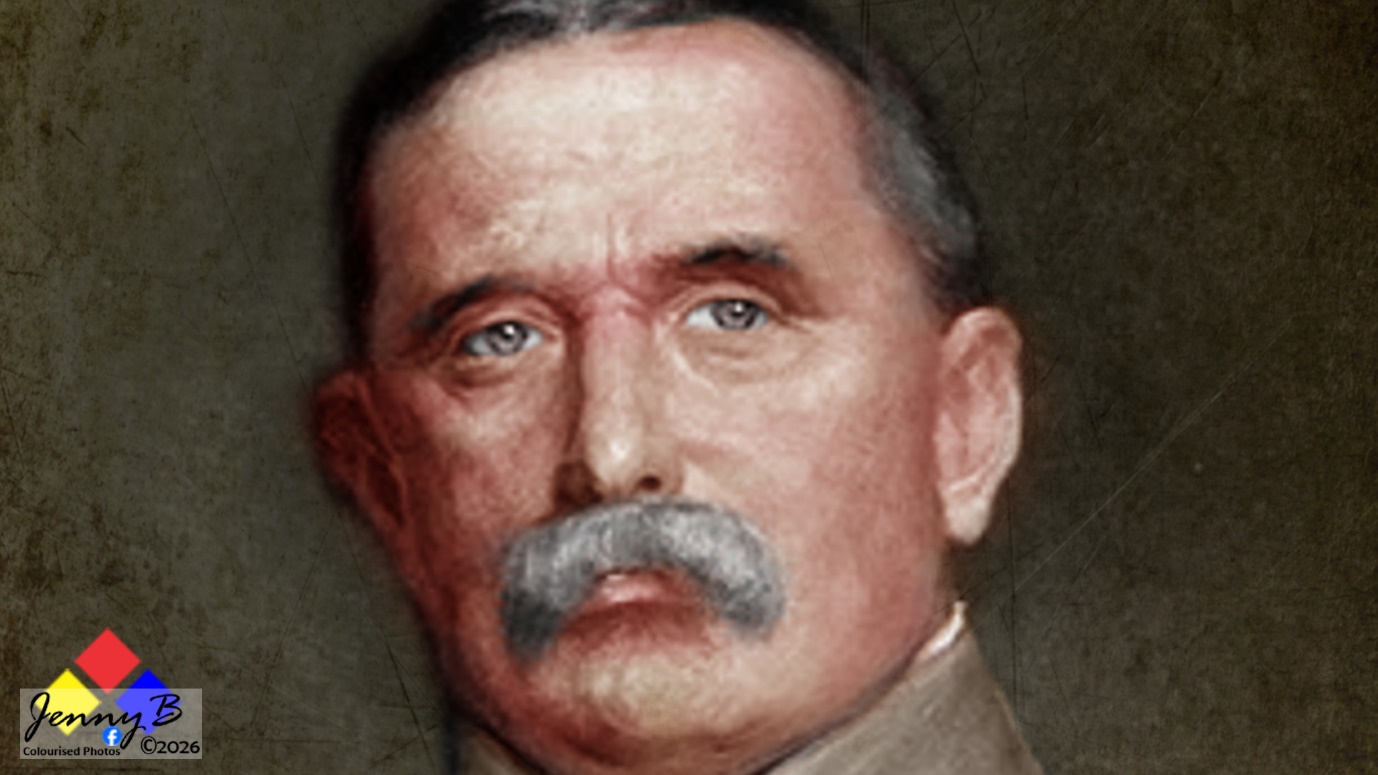
Gen. J.D.French
The manoeuvre caught the Boers by surprise. French reached Kimberley on 15 February and General Cronjé suddenly found himself in danger of being cut off from the Orange Free State. He began retreating eastwards with his command, accompanied by women and children. His force was also hampered by a shortage of horses after the long campaign around Magersfontein.
On 17 February, Cronjé’s column reached the Modder River at Paardeberg and stopped to rest believing themselves to be safe. Instead, French’s cavalry soon arrived and opened fire, catching the Boer camp by surprise. Although heavily outnumbered, the British cavalry managed to contain Cronjé until reinforcements arrived.
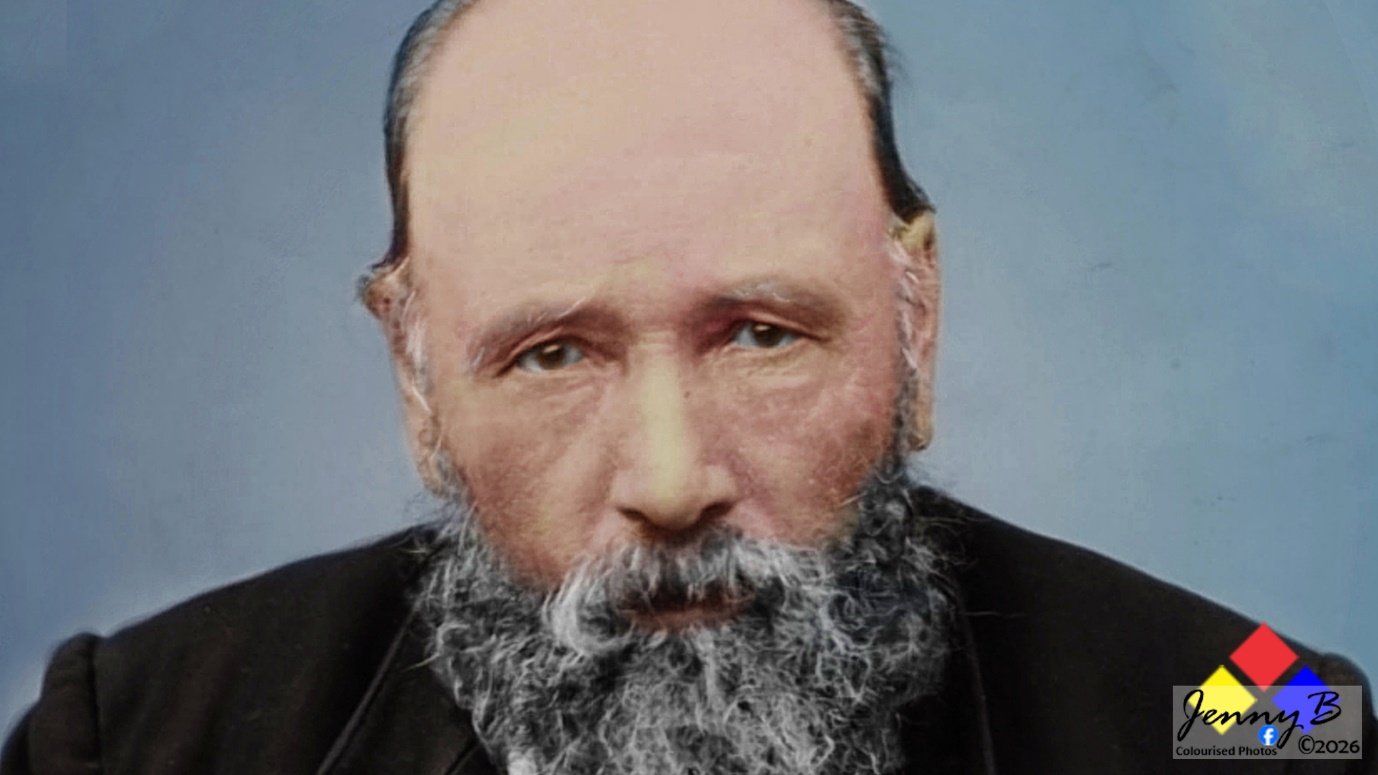
Gen. Pieter Arnoldus ” Piet ” Cronjé
A Costly British Assault
The following day, 18 February, became one of the bloodiest days of the entire war. With Lord Roberts temporarily incapacitated by illness, Lord Kitchener took command at Paardeberg. Rather than waiting to bombard the Boer position into submission, Kitchener ordered a series of frontal attacks.
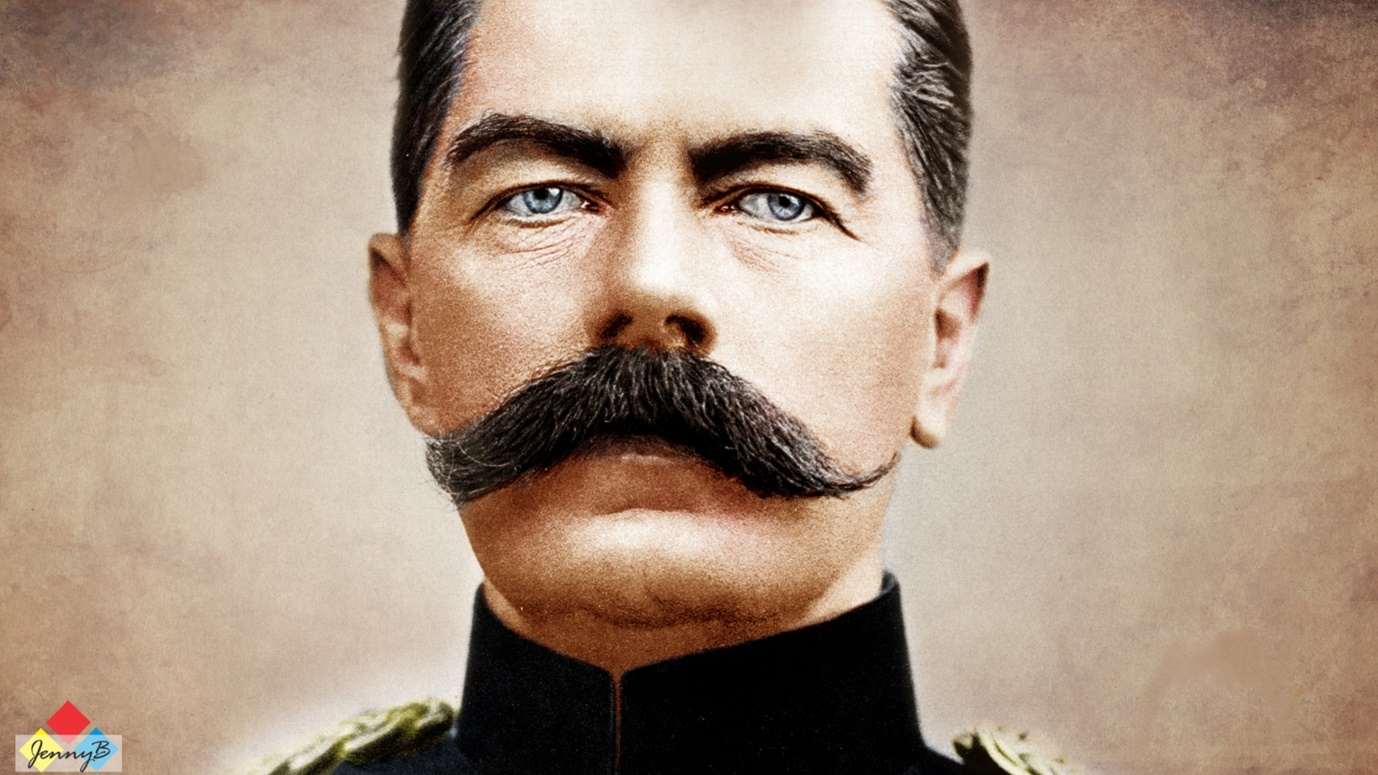
Horatio Herbert Kitchener
The assaults met devastating rifle, machine-gun and pom-pom fire from the well-protected Boer trenches. British troops had to cross open ground with virtually no cover, making them easy targets. Among those involved was Lieutenant Gideon Grieve, a New South Wales Military Forces officer serving with the Black Watch. Despite being wounded, Grieve went forward to rescue a more seriously wounded soldier. Both men were killed.
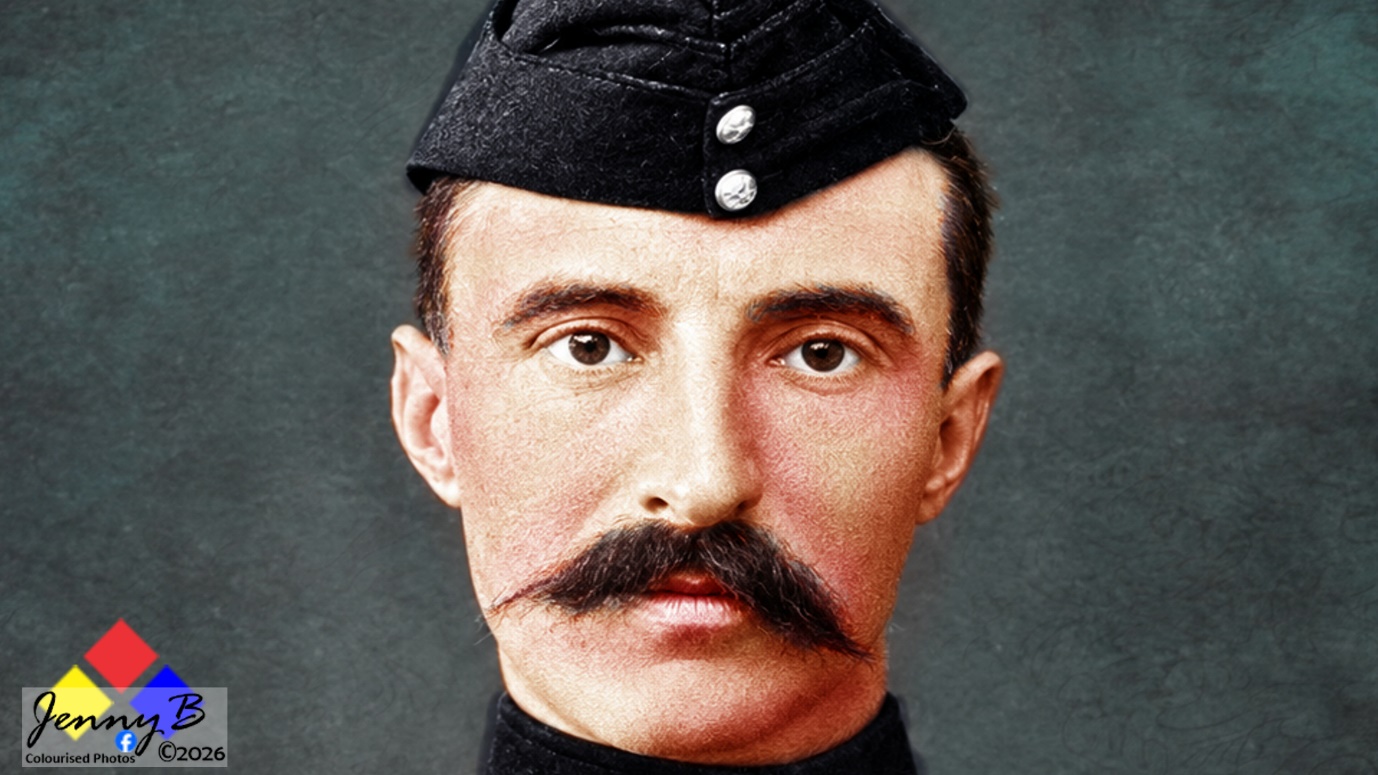
Lieutenant Gideon Grieve
By the end of the day, the British had suffered 320 killed and 942 wounded – the highest British casualties recorded on a single day during the war. Roberts arrived at Paardeberg on 19 February and immediately halted further costly frontal attacks recognising that the Boer position could be defeated more effectively through siege and bombardment.
The Siege of Cronjé’s Laager
The British gradually surrounded Cronjé’s force. On 22 February, the New South Wales Lancers, reinforced by men of the Australian Horse, moved to Koodoesrand Drift and joined the encircling forces. Conditions for the Boers trapped inside their laager deteriorated. British guns surrounded them, while the Modder River became polluted with the carcasses of dead horses and cattle. Approximately 40–80 women and children were with Cronjé’s force and Roberts offered them safe passage out of the camp, but Cronjé refused. His only real hope was that another Boer force would arrive to rescue him. That rescue attempt came from Christiaan de Wet, who approached with about 500 men. De Wet managed captured a nearby koppie, messaging Cronjé to break out but Cronjé refused forcing De Wet to withdraw.
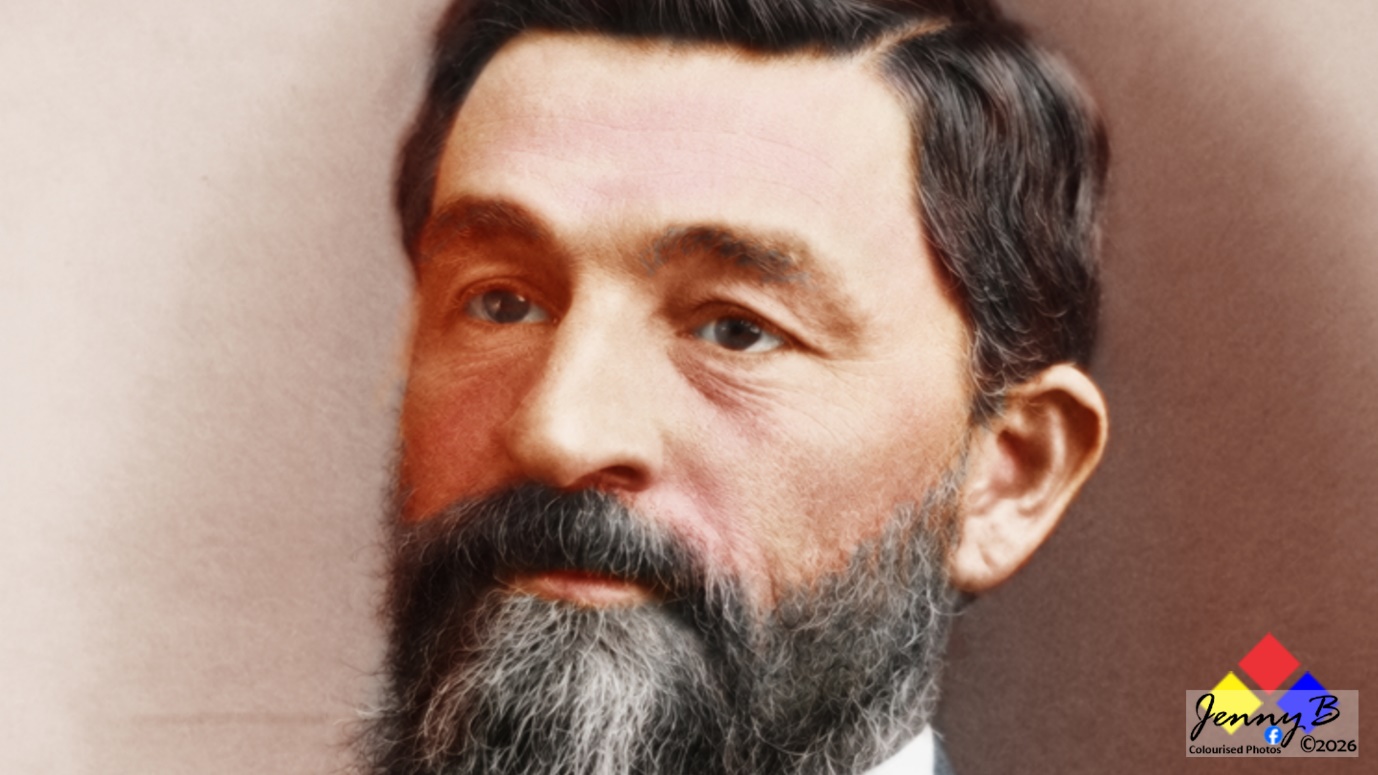
Christiaan Rudolf de Wet
The Boer Surrender
After eight days of siege, Cronjé finally agreed to surrender. On the night of 26 February, Canadian troops, supported by men of the New South Wales Mounted Rifles, worked their way close to the Boer lines.
In the early hours of 27 February, Canadian troops launched a surprise advance towards the Boer positions. The operation was intended to bring the British lines closer to the Boer trenches under cover of darkness.
The attack nearly succeeded, but a tripwire alerted the Boers to the approaching Canadians. Heavy firing immediately broke out. While some of the Canadian troops became confused and withdrew after an order to “retire” was shouted, others continued to press forward. The men of “G” and “H” Companies remained in the exposed position and continued the attack, while troops behind them dug desperately into the hard ground for protection.
Despite the confusion and heavy fire, the Canadian advance placed considerable pressure on Cronjé’s already desperate position. By the morning, it was clear that the Boer force could not hold out indefinitely.
The Canadians suffered particularly heavy losses, with 18 men killed and 60 wounded on the first day alone. For the Canadian forces, it made for the bloodiest single day of the entire war.
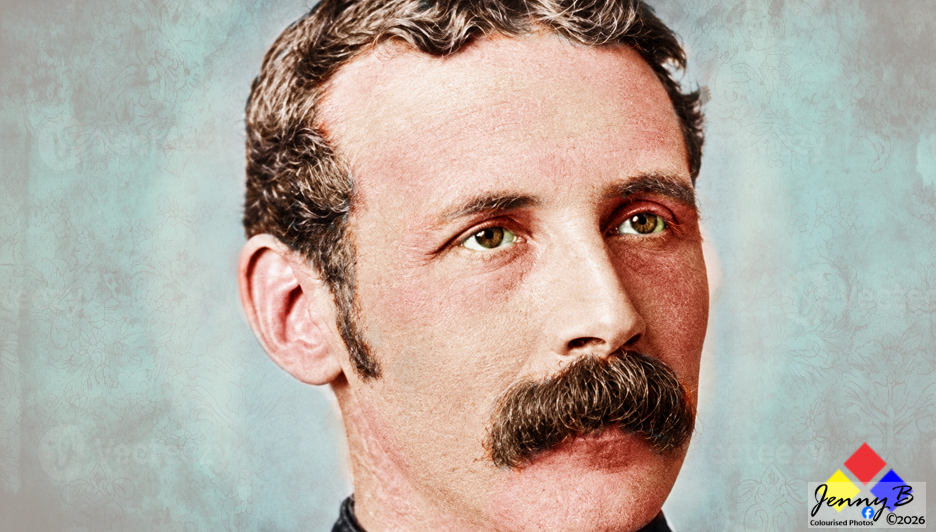
Lieutenant-Colonel William Dillon Otter led the Canadian forces during the Battle of Paardeberg
As commanding officer of the 2nd Battalion, Royal Canadian Regiment of Infantry, Otter was known for his strict, no-nonsense approach to military discipline. His uncompromising standards sometimes brought him into conflict with officers and men.
His determination was shaped by memories of young Canadian militiamen breaking and fleeing in panic during the Battle of Ridgeway in 1866. Otter was determined that Canadian soldiers would never again lose their discipline and cohesion under fire.
Although his stern methods did not always make him popular with his men, Otter was steady and courageous in battle. His austere professionalism produced results, and British officers regarded the 2nd Battalion, Royal Canadian Regiment as one of the finest infantry battalions serving in South Africa.
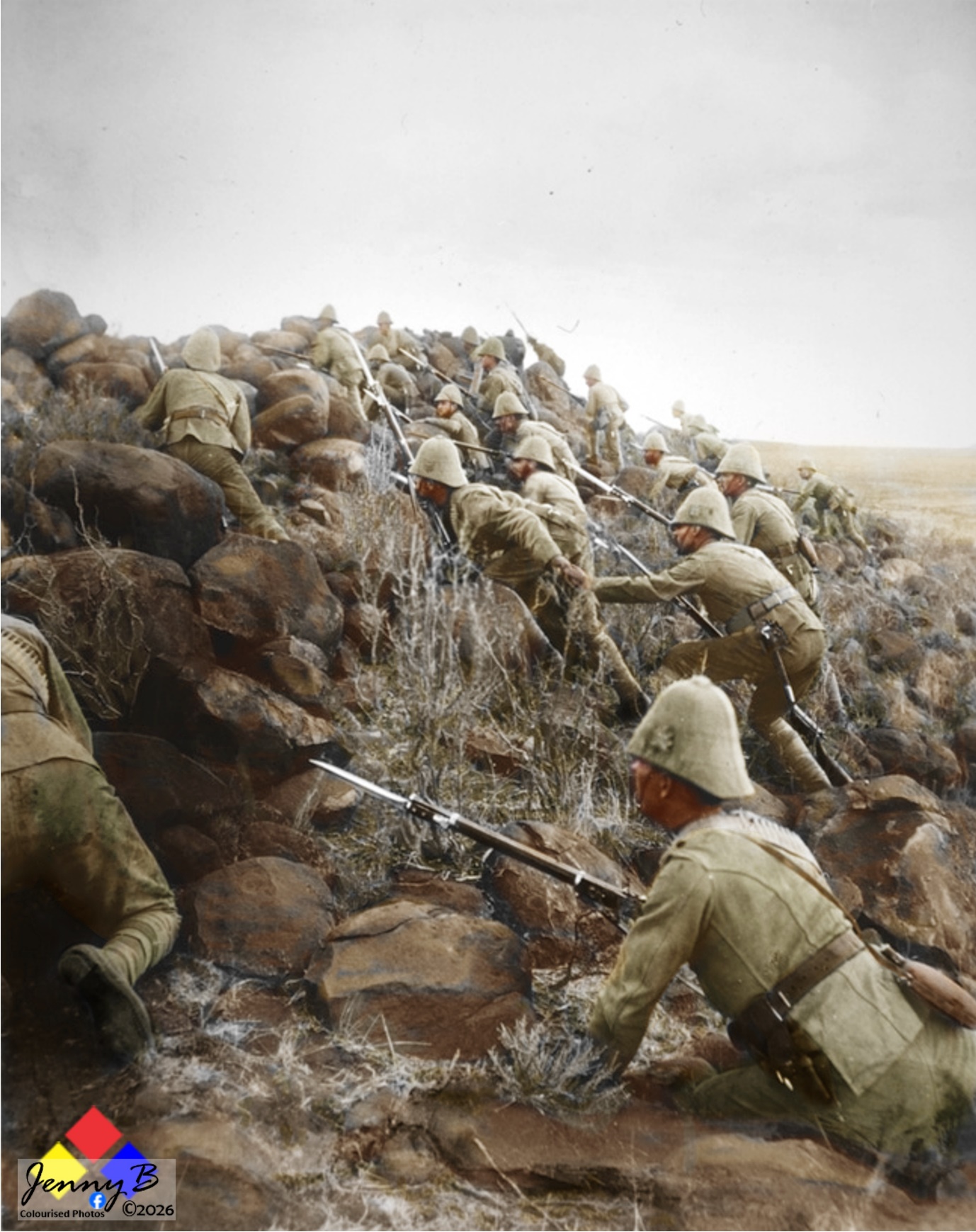
Canadians storm an outlying Koppie, in front of the main Boer trench line at Paardeberg Drift
The following morning, 27 February 1900, Cronjé surrendered with just over 4,000 men. The victory was particularly humiliating for the Boers because the surrender occurred on the anniversary of their famous victory over the British at Majuba in 1881. Cronjé’s defeat sent a wave of despondency through the Boer republics.
Paardeberg therefore marked a major turning point in the war. The British had suffered heavily, particularly during the disastrous attacks of 18 February, but the eventual capture of Cronjé and his army gave Roberts’ campaign considerable momentum and opened the way for the British advance towards Bloemfontein.
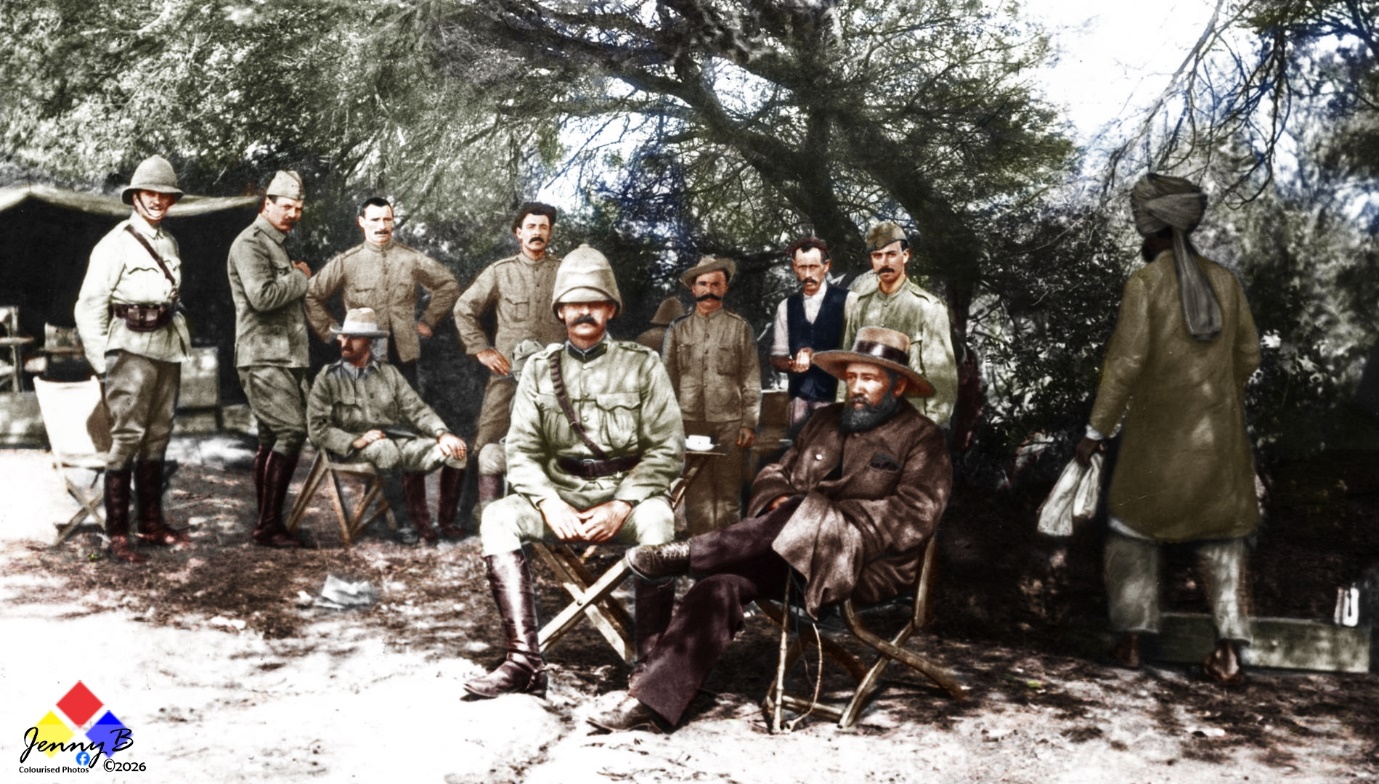
Cronje with British Officer after surrender.
Oom Naas
On the night of 18 February 1900, during the Boer encirclement at Paardeberg, Ignatius Stephanus “Naas” Ferreira was fatally wounded in a tragic incident of friendly fire. While attempting to rouse a sleeping sentry by prodding him with the butt of his Mauser, Ferreira startled the burgher. The man instinctively grabbed at the rifle near the breech, causing it to discharge. The bullet struck him in the heart, killing him almost instantly. He was 55years old.
Ferreira’s death was therefore not the result of enemy fire, but a tragic accident in the confusion and tension of the battlefield. His sudden loss came at a critical moment in the Paardeberg campaign and left the Orange Free State forces without their senior commander.
The following day, 19 February, Christiaan Rudolf de Wet was appointed Chief Commandant in Ferreira’s place.
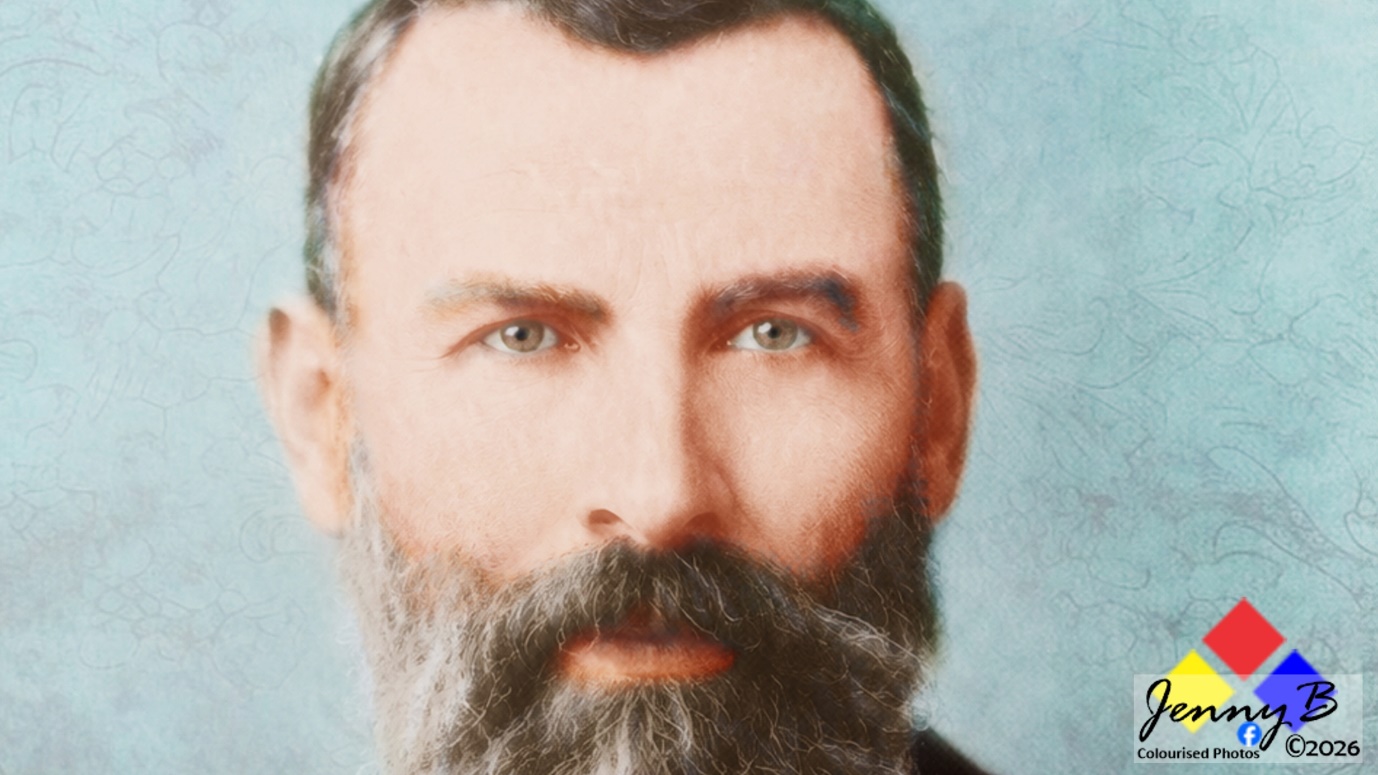
Ignatius Stephanus “Naas” Ferreira
Sources:
https://bwm.org.au/warcourse/Paardeberg.php
https://www.veterans.gc.ca/en/remembrance/military-history/south-african-war/battle-paardeberg
https://www.warmuseum.ca/cwm/exhibitions/boer/williamotter_e.html


My Paternal Great Grandfather Father Andries Johannes Hendrik Kruger was captured there and sent to St Helena age 24, he was from Potchefstroom. My Maternal Great Grandfather Alfred Henry Royal fought for the British, was at The siege of Mafikeng and later The Bushveldt Carbineers / Pietersburg Light Horse. Lets just say my Family had a complicated History.