Anglo Boer War (Colenso) – Nongqai Vol 17 No 6
CHAPTER 7. THE BATTLE OF COLENSO
Jennifer Bosch
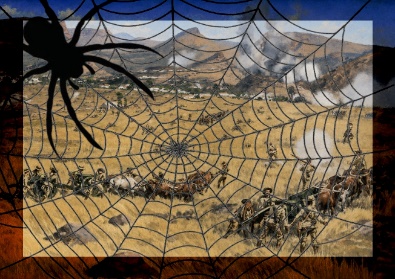
– Come in to my Parlour……

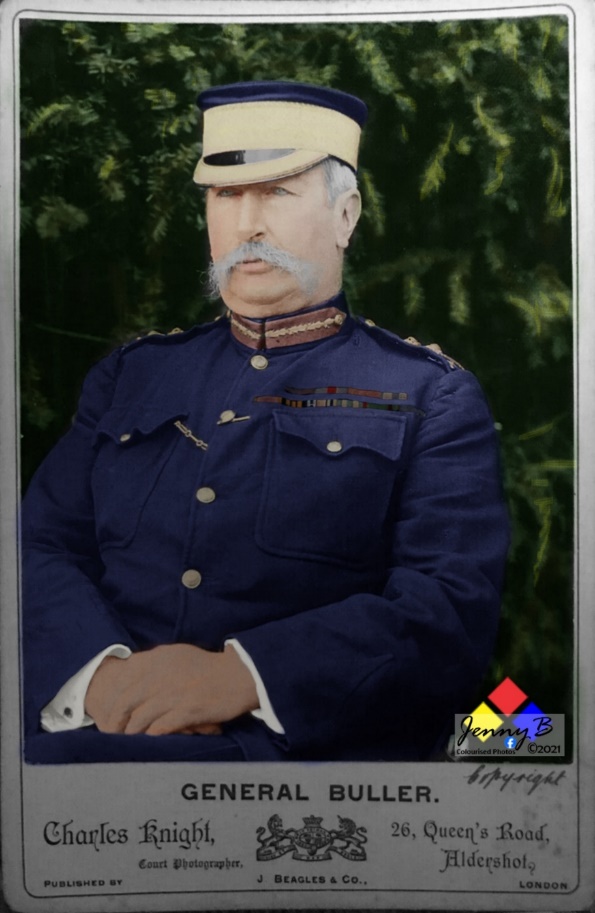
Buller rode along the lines, oblivious to the whizzing bullets and shrapnel all around him. “Steady, men,” he called out. “Don’t lose your heads.” When a shell fragment hit him in the ribs, Buller told his doctor that it “had only just taken his wind a bit.” On the open plain ahead, 12 of Long’s field guns lay abandoned, their panic-stricken horses still tied to the traces. “Now, my lads, this is your last chance to save the guns,” Buller called out. “Will any of you volunteer to fetch them?”
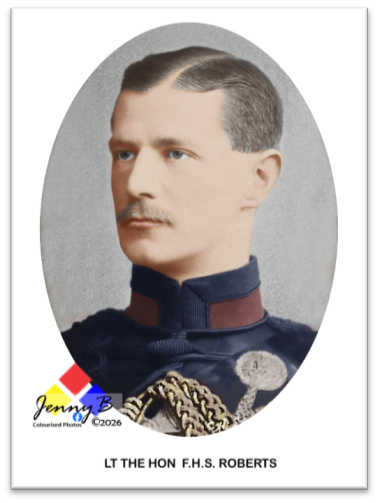
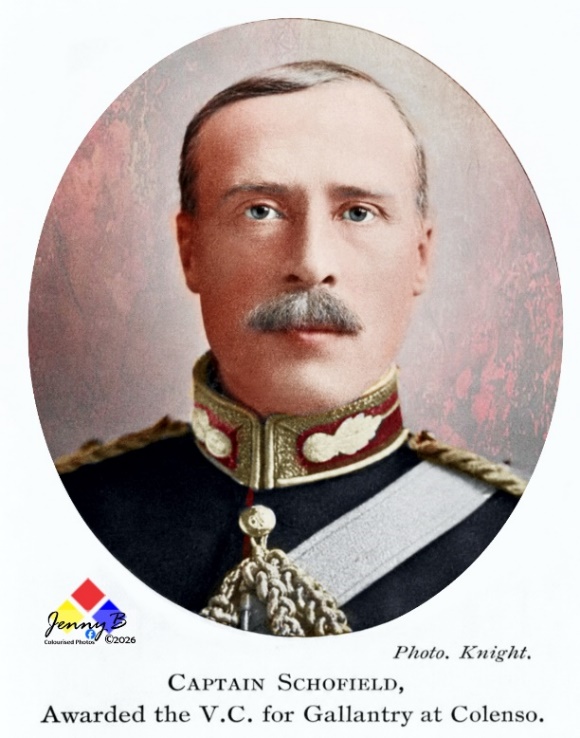
A handful of soldiers and junior officers stepped forward, including Lieutenant Frederick H. S. Roberts, son of British field marshal Frederick Sleigh Roberts. Mounting up, they dashed toward the guns, disappearing in a storm of bullets and dust. Somehow, Captain Harry Norton Schofield and a corporal managed to bring back two 15-pounders. Freddy Roberts had taken a mortal wound in the stomach. Buller cabled his father in Ireland with the crushing news: “Your gallant son died today. Condolences. Buller.” – historynet.com-
Unnerved by the bad news from Stormberg and Magersfontein, Buller decided that he must attack immediately at Colenso. “Am coming through via Colenso,” he heliographed Lieutenant General Sir George White, the British garrison commander at Ladysmith. Like Gatacre and Methuen before him, Buller decided on a frontal assault. The four-foot-deep Tugela River zigzagged between steep banks; the British soldiers would have to cross a triangulated plain of gunfire to even reach the river. The unwelcome task was given to Major General Henry J. T. Hildyard and his headquarters brigade. “May the Lord have mercy on our souls,” someone murmured on hearing the plan. – historynet.com-
Some 300 yards away, the Boers waited patiently in their trenches. When all four British regiments had entered the loop, they opened fire with their Mausers and shrapnel-loaded Krupp artillery. – historynet.com-

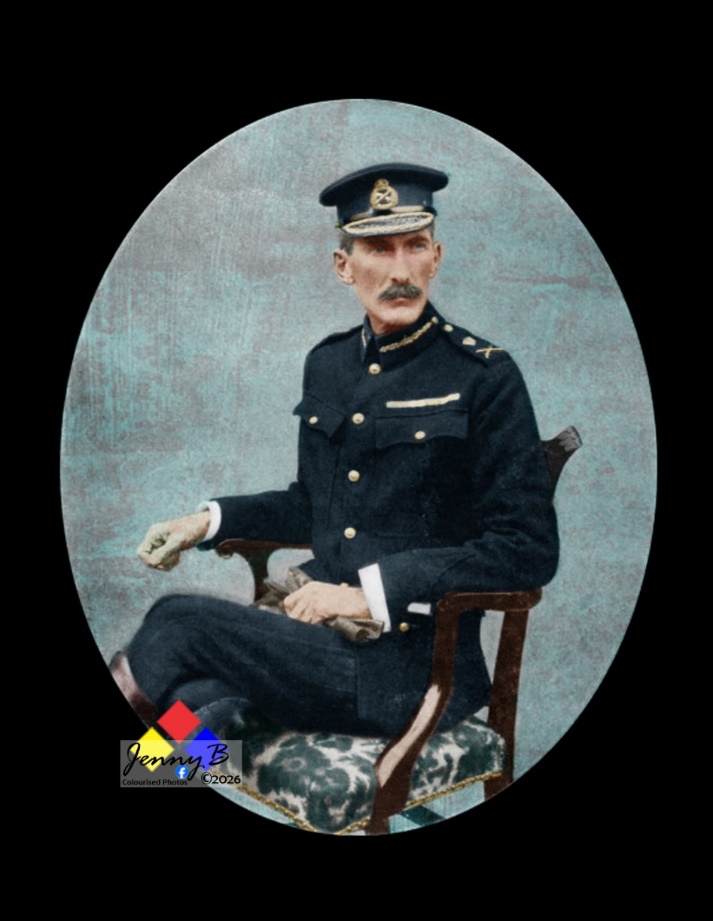
Major-General Henry J. T. Hildyard played a key infantry role at the Battle of Colenso on 15 December 1899, leading the 2nd Infantry Brigade in Buller’s attempt to force a crossing of the Tugela River and relieve Ladysmith. His men advanced into Colenso itself, but the attack was fatally undermined by poor coordination, exposed artillery, and intense Boer fire, turning the brigade’s progress into part of a costly British defeat. Hildyard’s brigade was one of the formations dragged into the confusion of the withdrawal, and Colenso soon became remembered as a stark example of how difficult it was for the British to recover from Black Week.
While the Battle of Colenso was a massive defeat for the British, Hildyard later redeemed his reputation. He went on to command the 2nd Brigade during the successful Battle of Tugela Heights in February 1900.
– The RAMC Ass. – Warfare History Network –
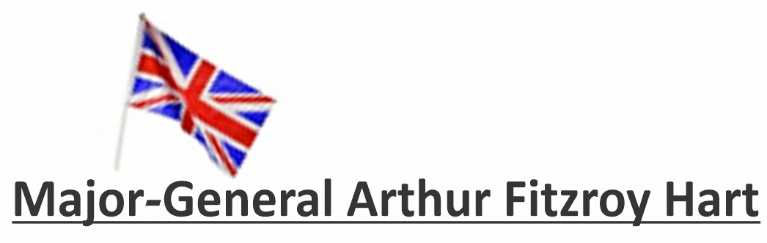
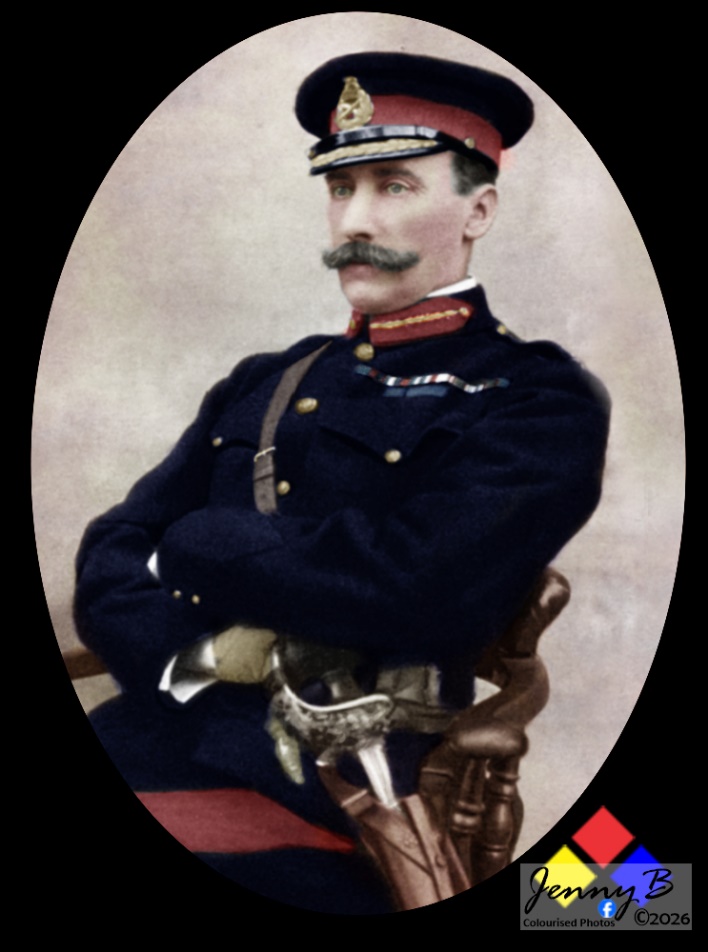
Major General A. Fitzroy Hart commanded the British 5th Brigade, the Irish Brigade, in Sir Redvers Buller’s attempt to force the Tugela crossing at Colenso on 15 December 1899. Buller intended Hart’s men to cross at a drift two miles upstream from the village, but poor reconnaissance and a misguided guide led the brigade to the wrong ford, where they became trapped in a loop of the river under Boer fire. – 1066.co.nz –
Hart’s brigade was then exposed in close formation and suffered very heavy casualties before it could withdraw, making it one of the most disastrous episodes in the battle. Although the attack failed, Hart’s brigade later returned to the fighting in the relief of Ladysmith, and his men helped drive the Boers from Colenso in February 1900.
– boer-war.com –

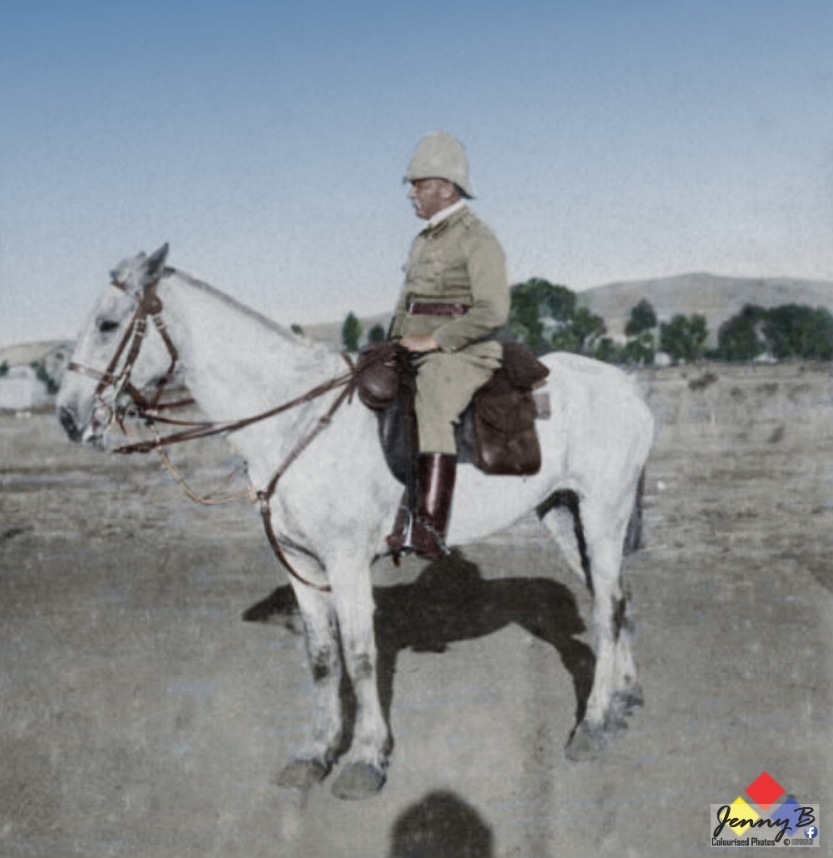
Major General John French did not directly participate in the disastrous frontal assault at the Battle of Colenso on December 15, 1899. Instead, his Cavalry Division was assigned a protective flanking role on the right of the British advance, tasked with guarding the army’s flank and securing the crossings of the Modderspruit.
– YouTube, Colonial Battles –

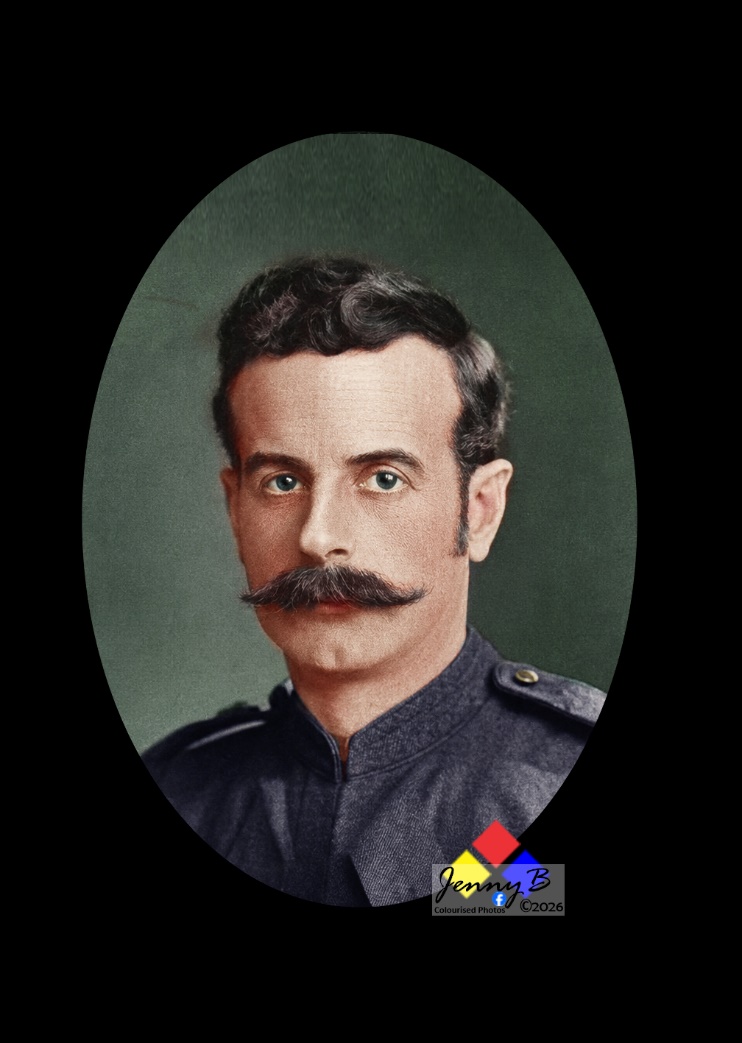
Lord Dundonald commanded the British mounted brigade on the extreme right flank during the December 1899 Battle of Colenso. His orders were to protect the flank and assault Hlangwane Hill, a vital Boer stronghold on the south bank of the Tugela River.
-The Victorian Web –
Dundonald made steady progress towards capturing the hill. However, the plan fell apart when the main British infantry attacks in the centre faltered. Lacking adequate infantry support, Dundonald was forced to halt his advance and withdraw, as his mounted forces could not secure the position alone against entrenched Boer artillery and rifle fire.
-Warfare History Network –
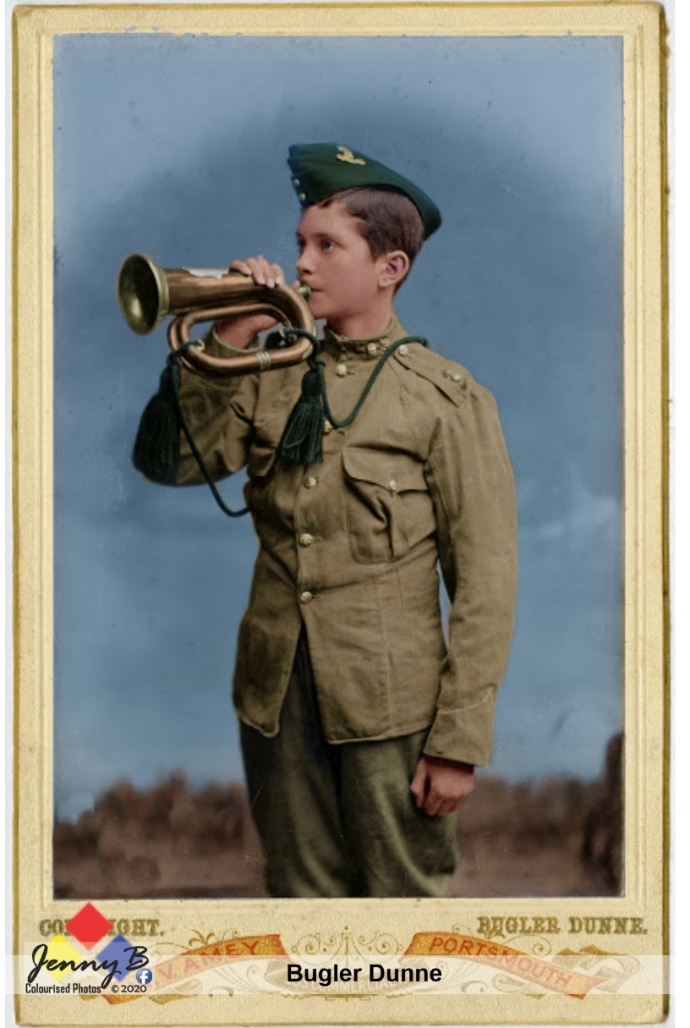
John Francis Dunne (1884–1950) was a teenage soldier whose made him a celebrated figure across Britain and the Isle of Man.
Dunne joined his father’s regiment in 1898 as a bugler and drummer boy and in 1899 he sailed with the regiment to South Africa, where British forces were attempting to relieve the besieged town of Ladysmith. During the failed British assault at Colenso on 15 December 1899, Dunne distinguished himself under intense fire. When a bugle call for retreat—believed to be a Boer deception—was heard, the fifteen-year-old instead sounded the “Advance” on his own initiative. He was shot through the arm but continued forward into the river under fire, demonstrating notable bravery despite the eventual withdrawal of British forces.
Invalided home, Dunne received a hero’s welcome and he was presented a replacement bugle inscribed in recognition of his actions. His military career ended in 1902 due to his injuries. His story reflects both the heroism and the fleeting nature of fame during the Boer War, with his youthful bravery at Colenso remaining the defining episode of his life.
-FB page of Royal Dublin Fusiliers –

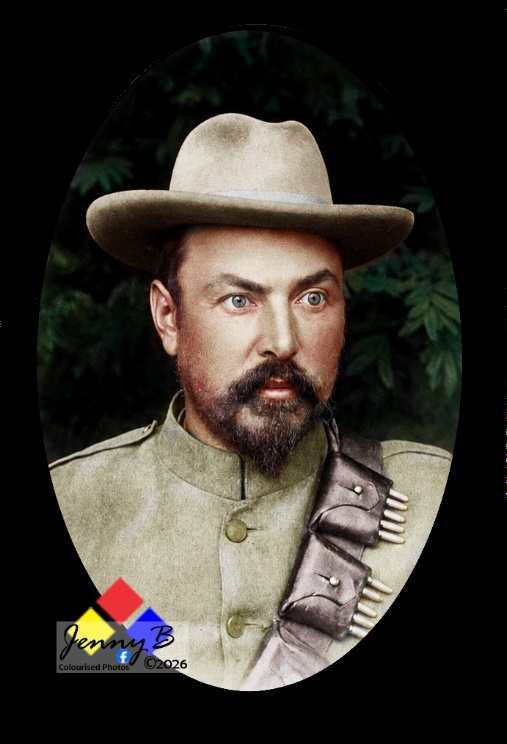
Louis Botha was the Boer commander who directed the defence at Colenso and turned the Tugela River line into a trap for Buller’s army. He helped position Boer troops on the far bank and nearby heights, using the terrain and accurate rifle fire to repel the British assault and secure one of the Boers’ most important victories of the war.
In a concise phrase: Botha was the man who made Colenso a Boer triumph.
- Oxford Reference – Warfare History Network –