Nongqai vol 17 No 10 – (23) The origin and development of ranks in the British Army
The origin of ranks in the army and in the police
Maj TJ Edwards via Lt-Col William Marshall (SANDF- Ret)
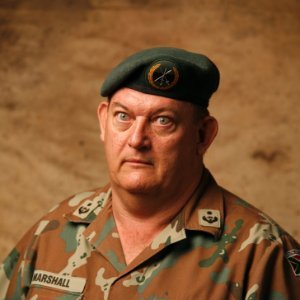
Introduction
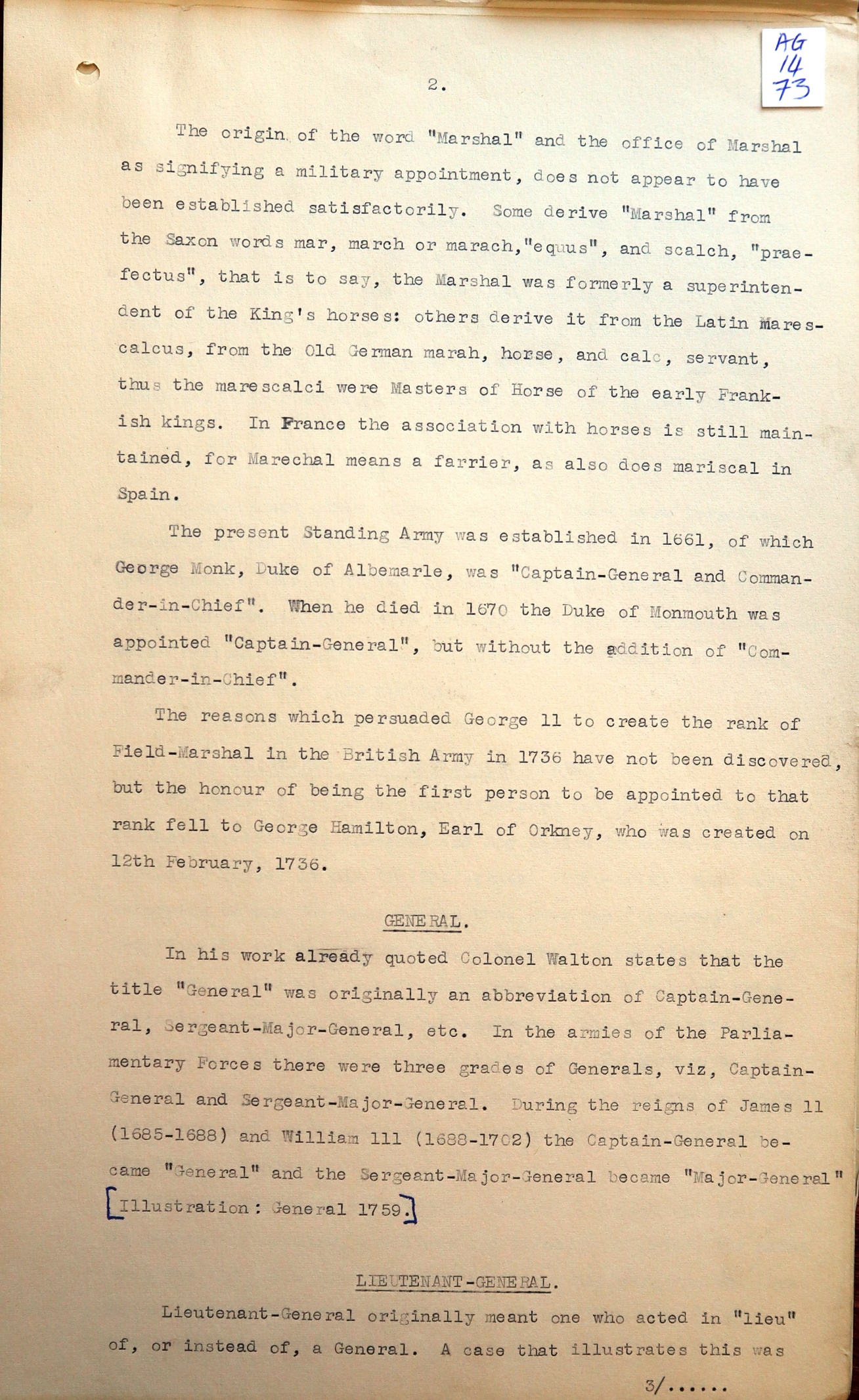
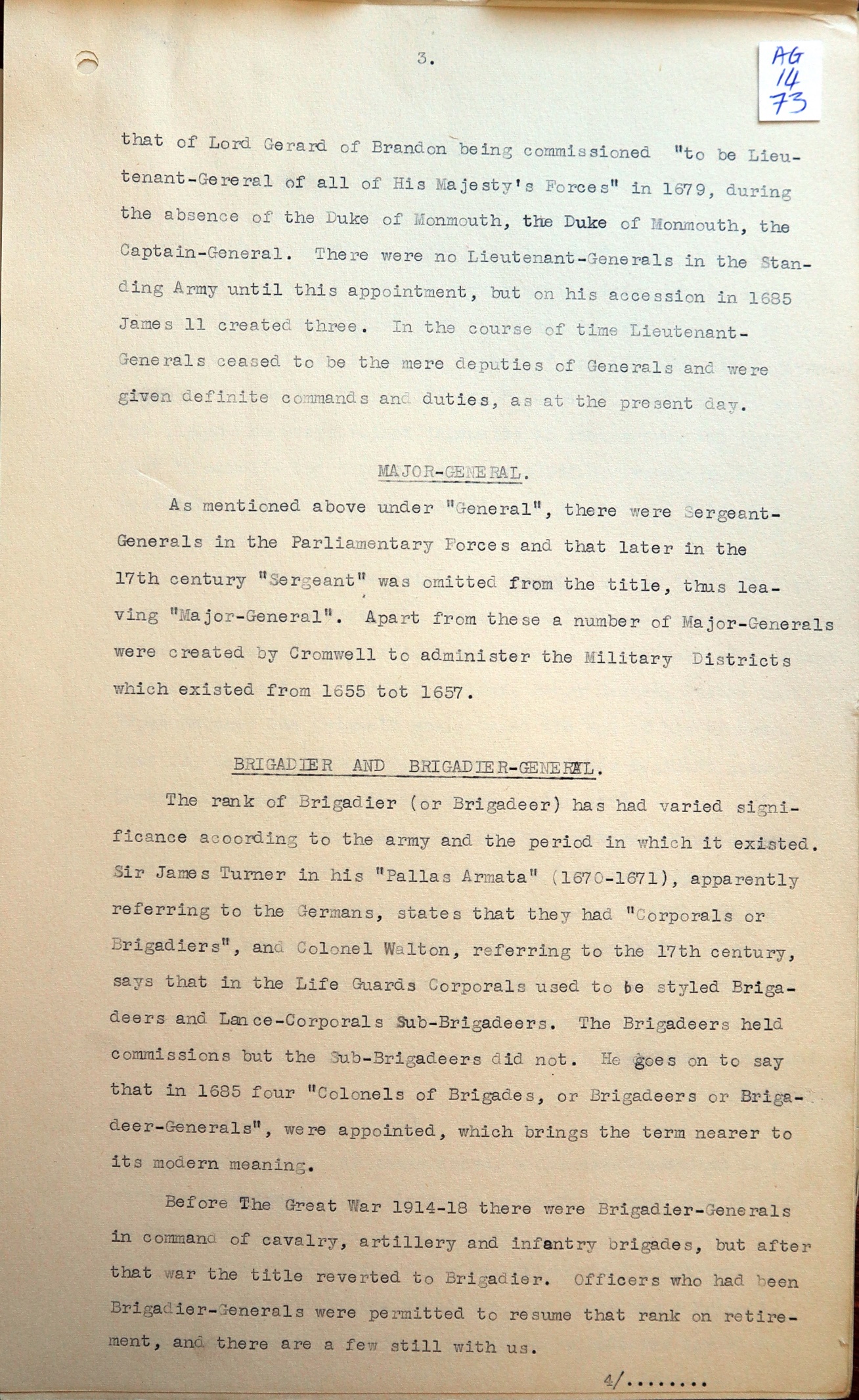
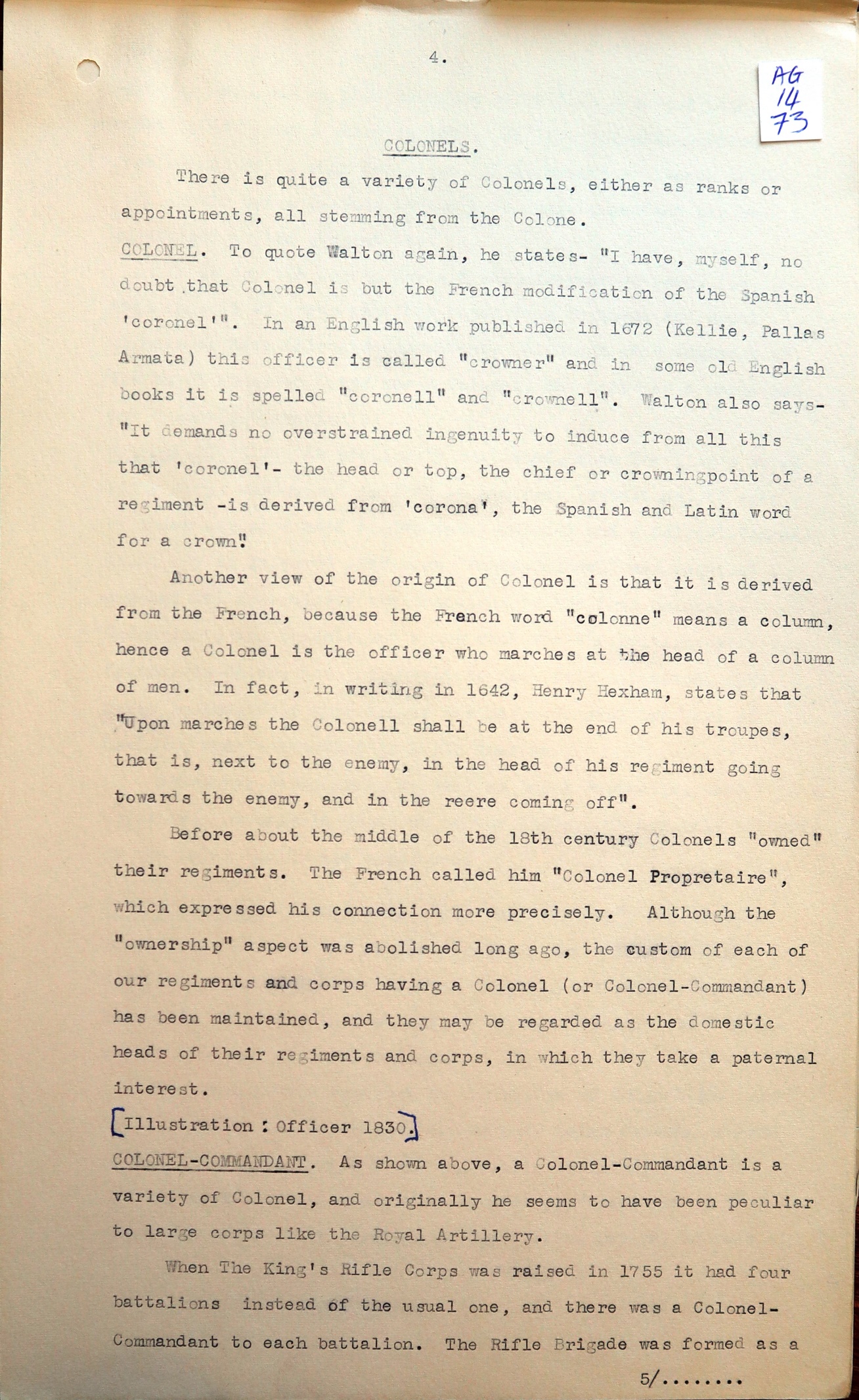
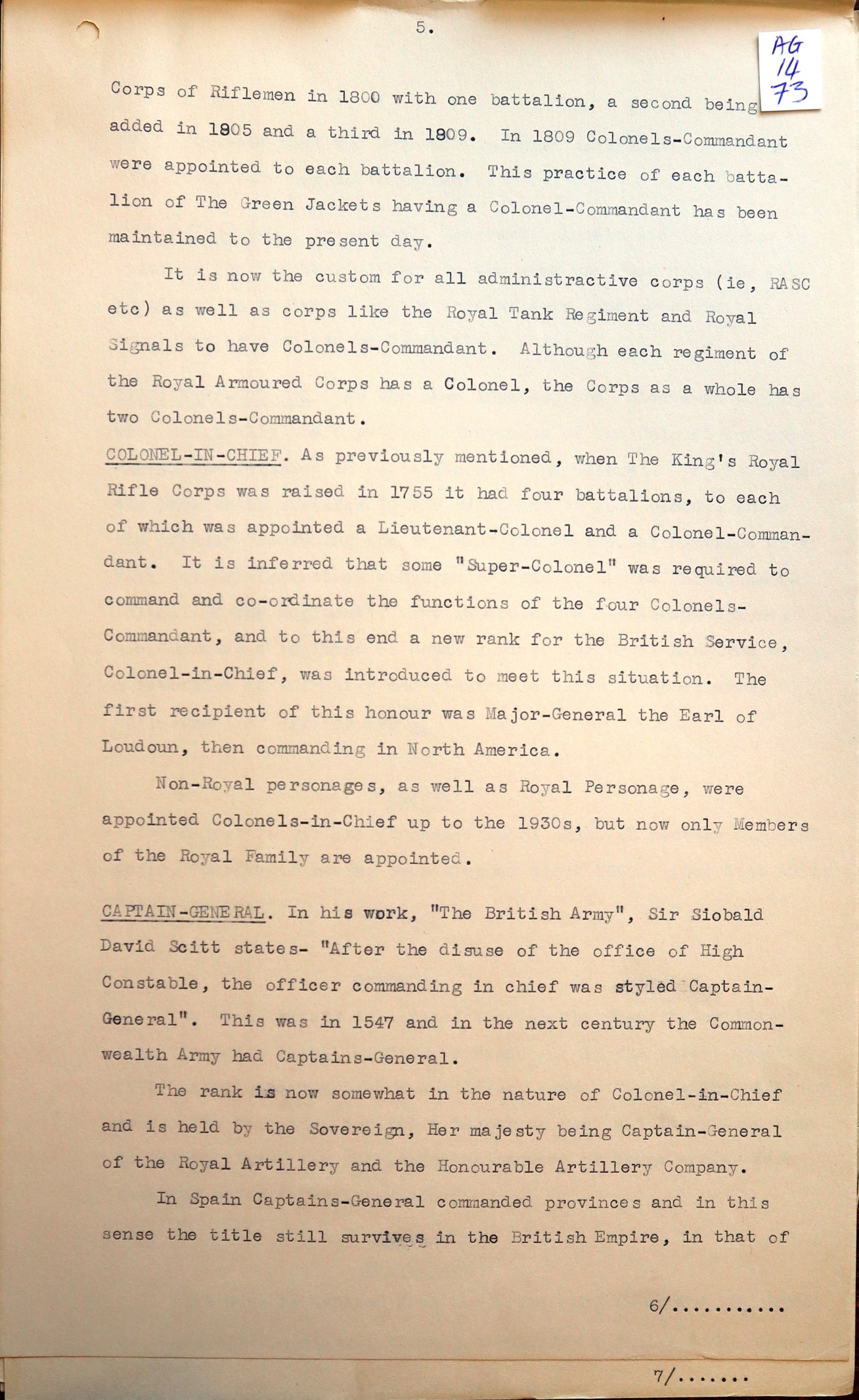
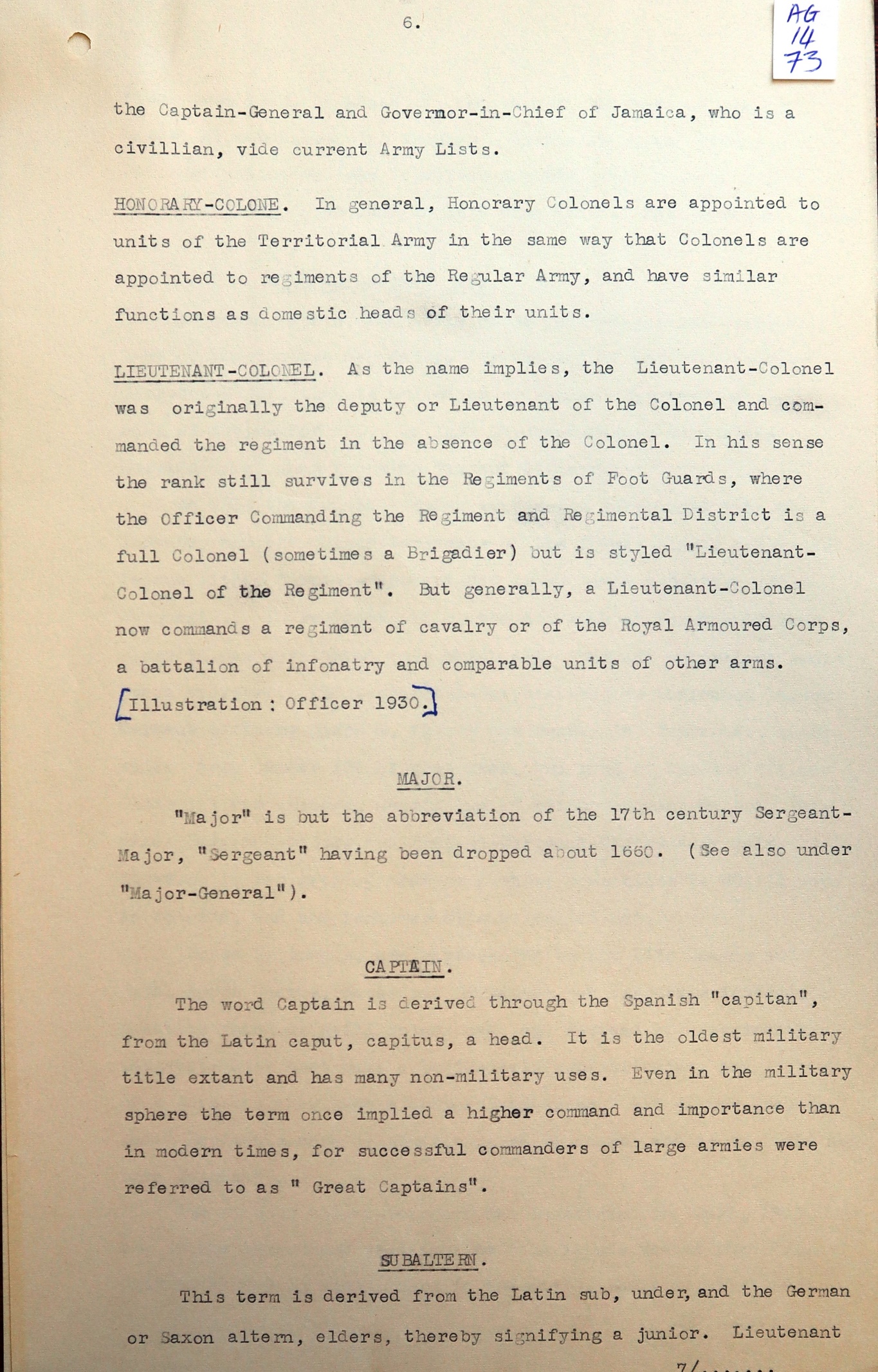
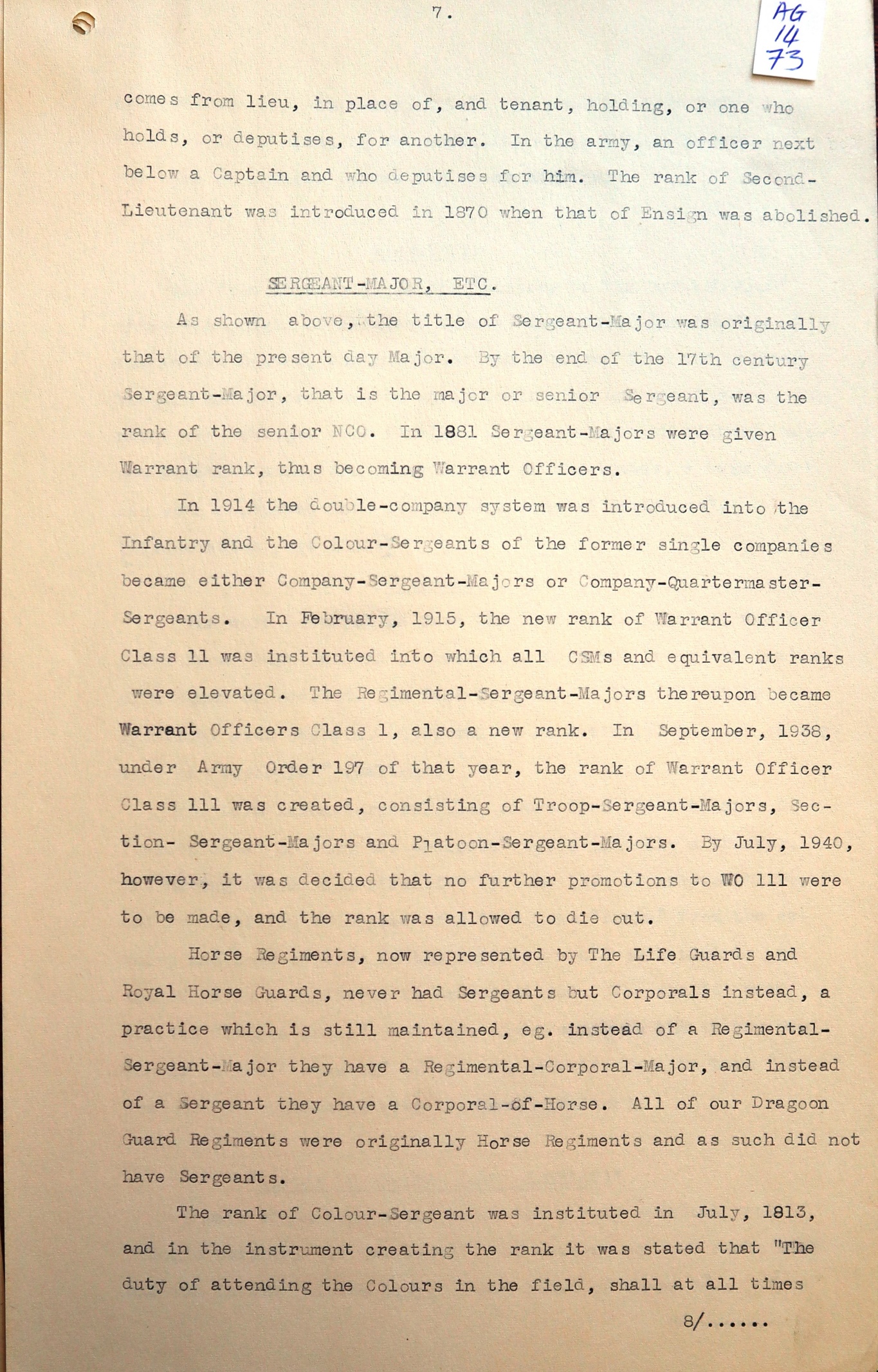
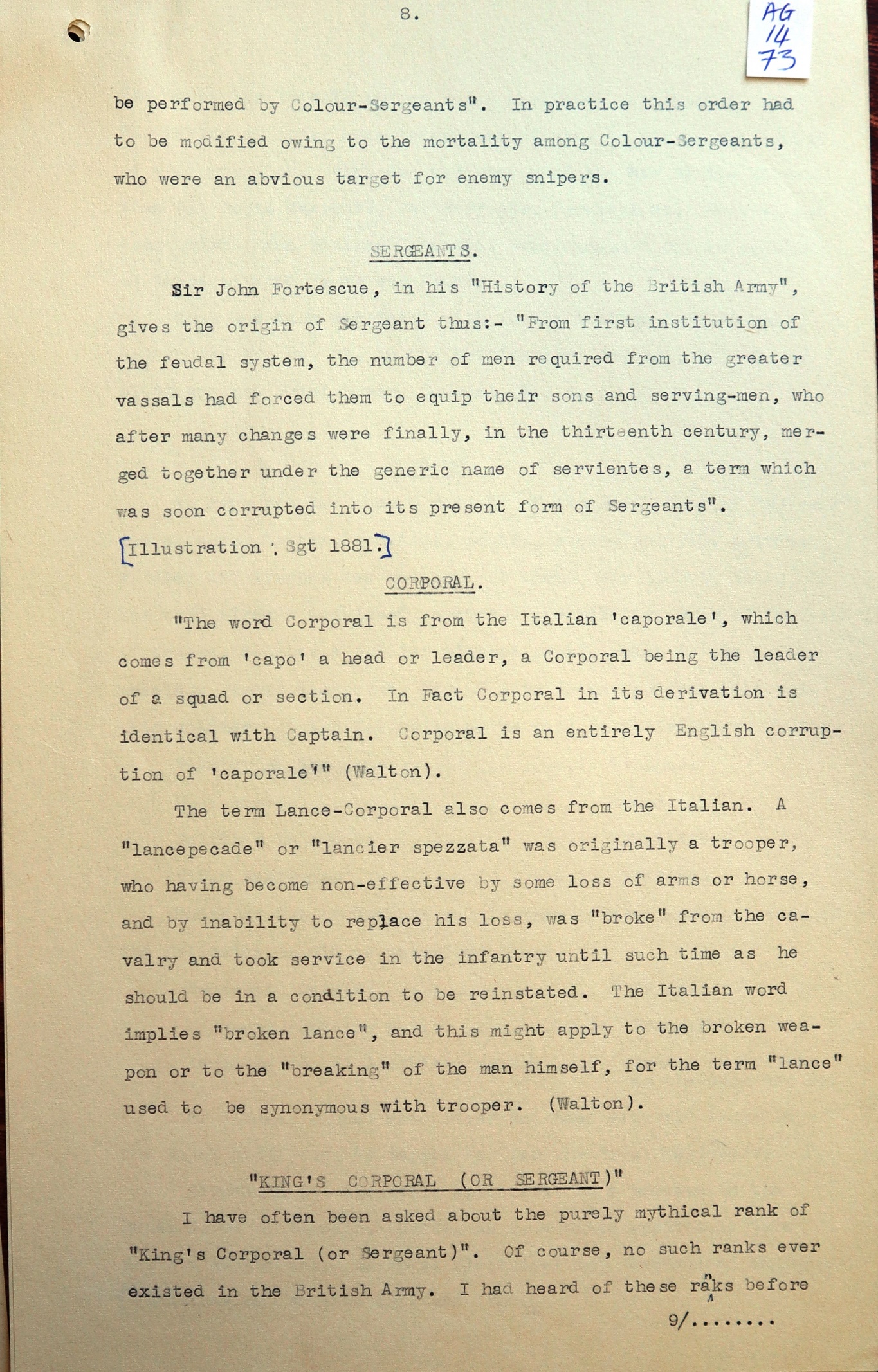
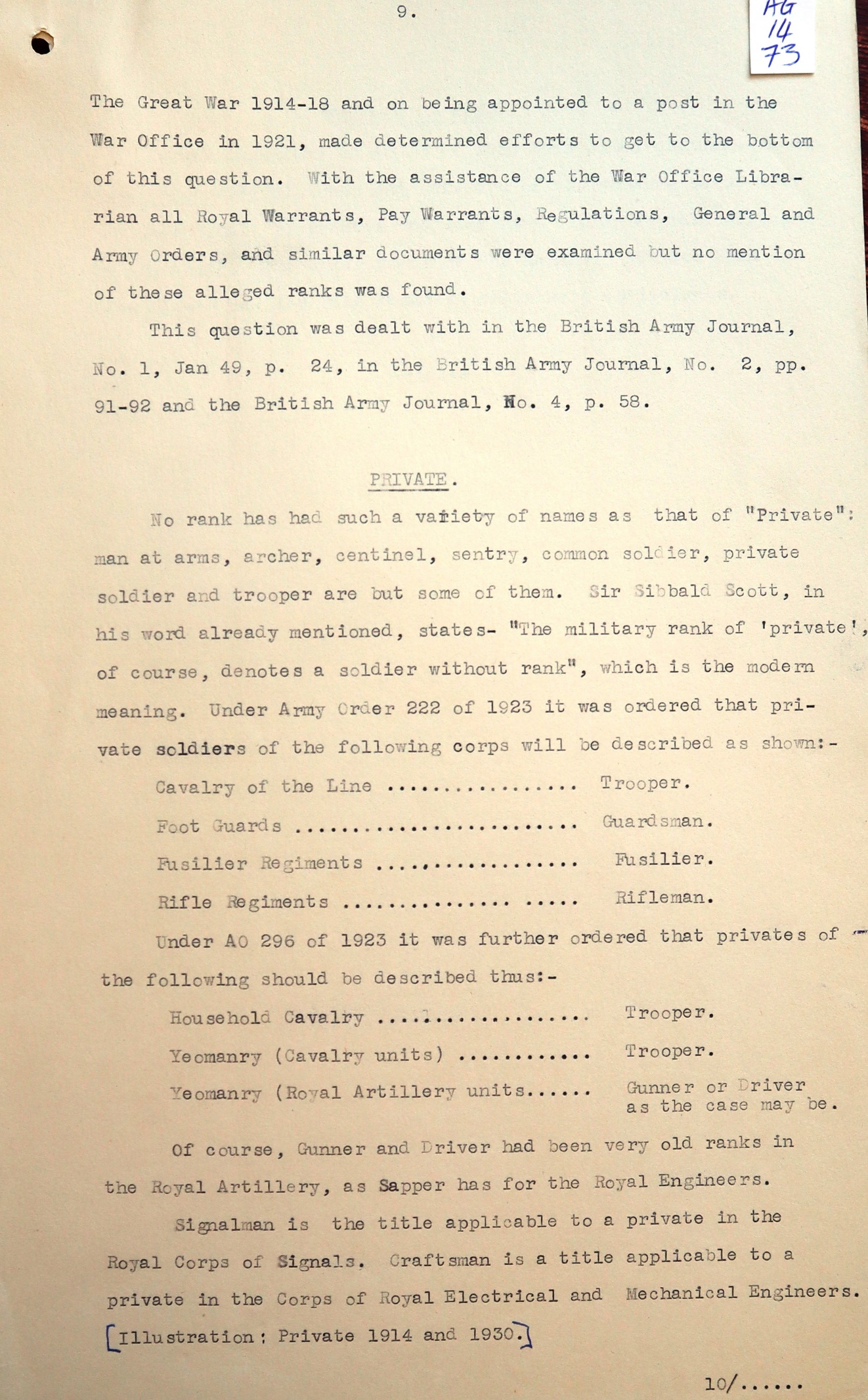
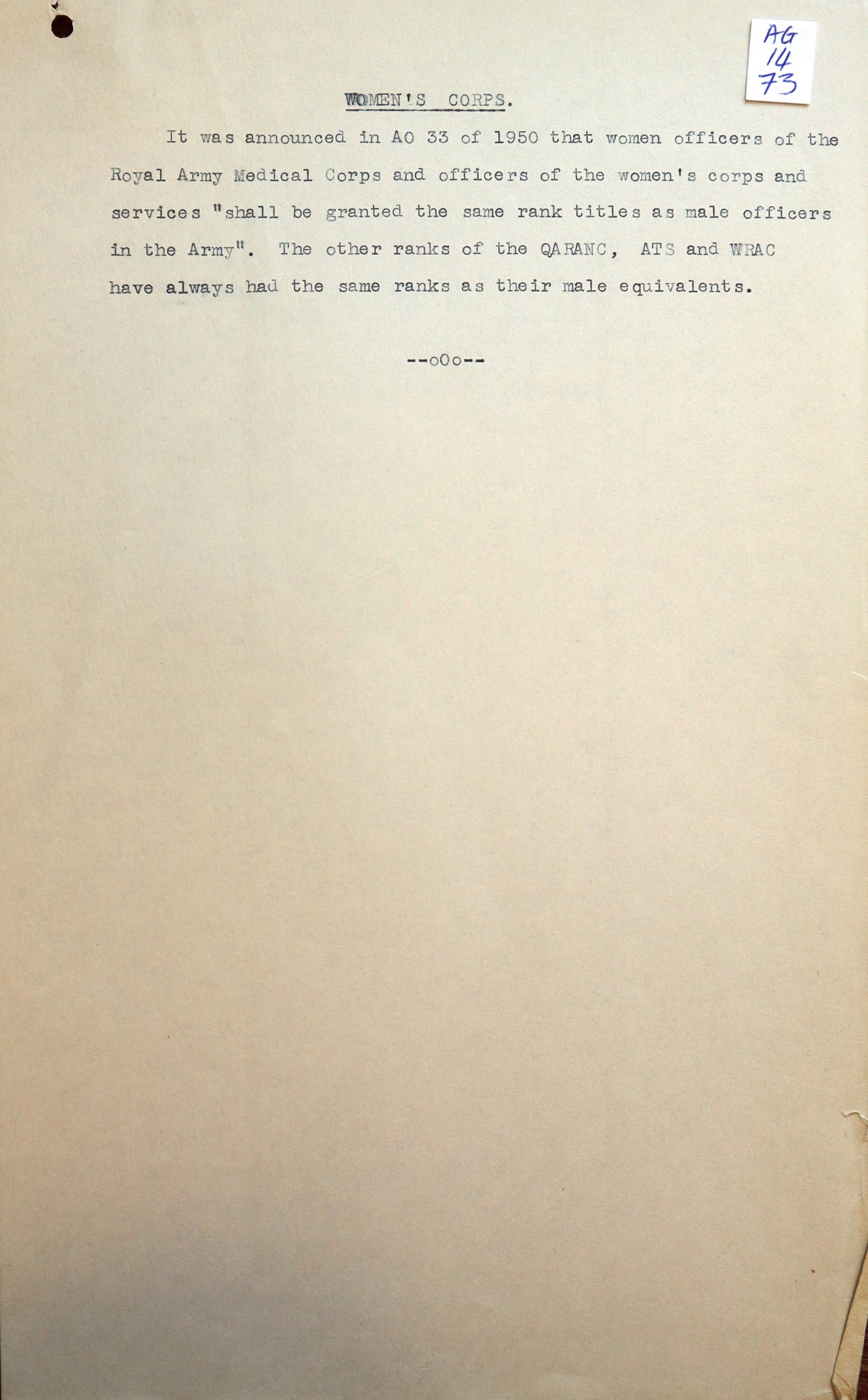
The British Army’s rank system grew gradually from the 17th century, when early regiments were privately raised and equipped by their colonels. This early structure created the foundation for distinguishing commissioned officers—men who held authority through a royal commission—from other ranks, who served as non‑commissioned officers and enlisted soldiers. Over time, the Army formalised its hierarchy to ensure clearer command and control. By the 18th and 19th centuries, rank insignia such as crowns, stars (Bath stars), batons, and chevrons were introduced and standardised, helping soldiers visually identify authority on the battlefield.
Throughout the 19th and 20th centuries, reforms refined the system further: field officers received distinctive badges in 1810, insignia moved to epaulettes in 1880, and the rank of brigadier was reclassified in the 1920s. After the Second World War, promotions to field marshal became honorary only, marking the modern era of rank usage. Today, the British Army maintains a structured hierarchy—from private to general—rooted in centuries of tradition, symbolism, and evolving military needs.
Comments by Hennie Heymans
I have always found the history and development of rank structures deeply interesting. In South Africa, the earliest systems were based on Dutch military ranks, which also influenced the police. Later, the Boer Republics developed their own rank hierarchy, inherited from the traditional commando system, with ranks such as General, Combat General, Commandant, Captain, and Field Cornet.
Natal and the Cape Colony, by contrast, were shaped by British military influence. After the Union of South Africa in 1910, both the Defence Force and the Police adopted the British rank system and broader military culture. The Police also retained certain civilian-style ranks, including Head Constable, Sub‑Inspector, Inspector, Chief Inspector, and Deputy Commissioner, while the Commissioner held the rank of Colonel.
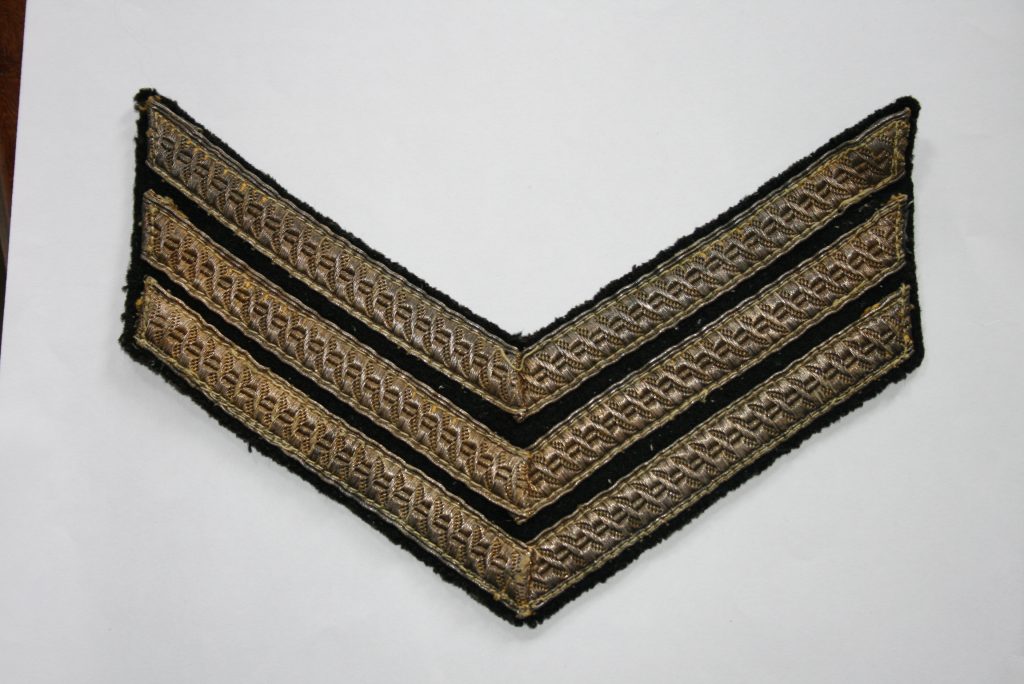
Within the South African Police, influences came strongly from the South African Constabulary and the Transvaal Police. The Foot Police followed the traditions of the British Guards, using Lance‑Sergeants with chevrons on both sleeves. The Mounted Police, however, followed the pattern of the Household Cavalry, using Lance‑Corporals and Corporals instead of Lance‑Sergeants, with chevrons worn on the right sleeve only.
The Navy has always maintained its own distinctive rank system. A Captain in naval service commands a ship and is equivalent in status to a full Colonel in the Army.
During a research trip to the Netherlands, I discovered that a brigadier there is not a officer, but rather a rank above private, similar to a corporal. A Dutch officer once asked me about my rank; after some explanation, he concluded that in his country I would be a brigade‑generaal — and he promptly presented me with a general’s tie! In Taiwan brigadiers were also treated as “one star” generals.
Historically, the term Marshal (Mareschal) originally referred to the stable master, who eventually rose to become the head of the army. The same applies to the rank Constable, derived from the French “comte de l’écurie” — literally, the count of the stable, who evolved into the commander of the forces. Ironically Constable is the lowest rank in the police.

