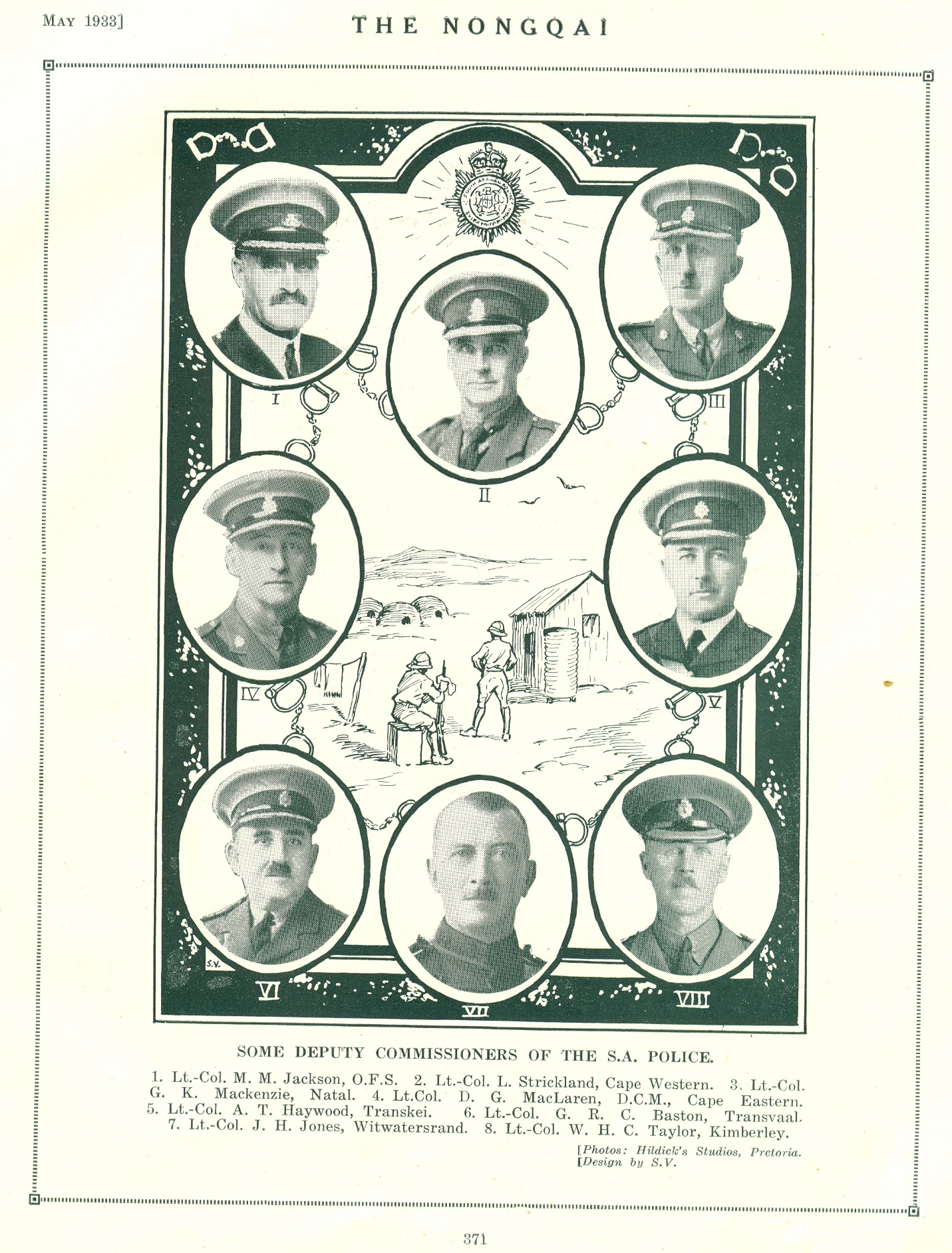
Nongqai Vol 17 No 6 – Lt-Col W.H.C. Taylor
Abstract
This article examines a rare photographic album attributed to Colonel W.H.C. Taylor, documenting an inspection tour of police stations and temporary Foot-and-Mouth Disease control posts conducted in 1935 across regions historically associated with Bechuanaland and the Kalahari fringe. The collection, preserved in the McGregor Museum, Kimberley, provides valuable visual and contextual insights into policing infrastructure, mobility (including camel transport), and rural administration in remote areas during the interwar period.
Beyond its administrative significance, the article highlights Taylor’s broader historical importance, including his career in the South African Police and his contributions to early archaeological interpretation. Particular focus is given to a photograph labelled “Buck jumper,” depicting a figure imitating an antelope through costume and movement. This image has played a notable role in anthropological discourse, especially in interpretations of San rock art and therianthropic imagery, suggesting possible links between ritual performance and artistic representation.
The article also reflects on historical naming conventions and colonial administrative perceptions, noting the continued informal use of “Bechuanaland” decades after its official political status had changed. Overall, the study underscores the interdisciplinary value of Taylor’s photographic record for historians, anthropologists, and researchers of southern African heritage.
Key Words
W.H.C. Taylor,
South African Police history,
Bechuanaland / Botswana,
Kalahari Desert,
Foot-and-Mouth Disease control,
Colonial policing infrastructure,
McGregor Museum Kimberley,
Anthropological photography,
Cultural performance,
Historical mapping,
Rural administration (1930s),
COL WHC TAYLOR
Dr Henry Abbott
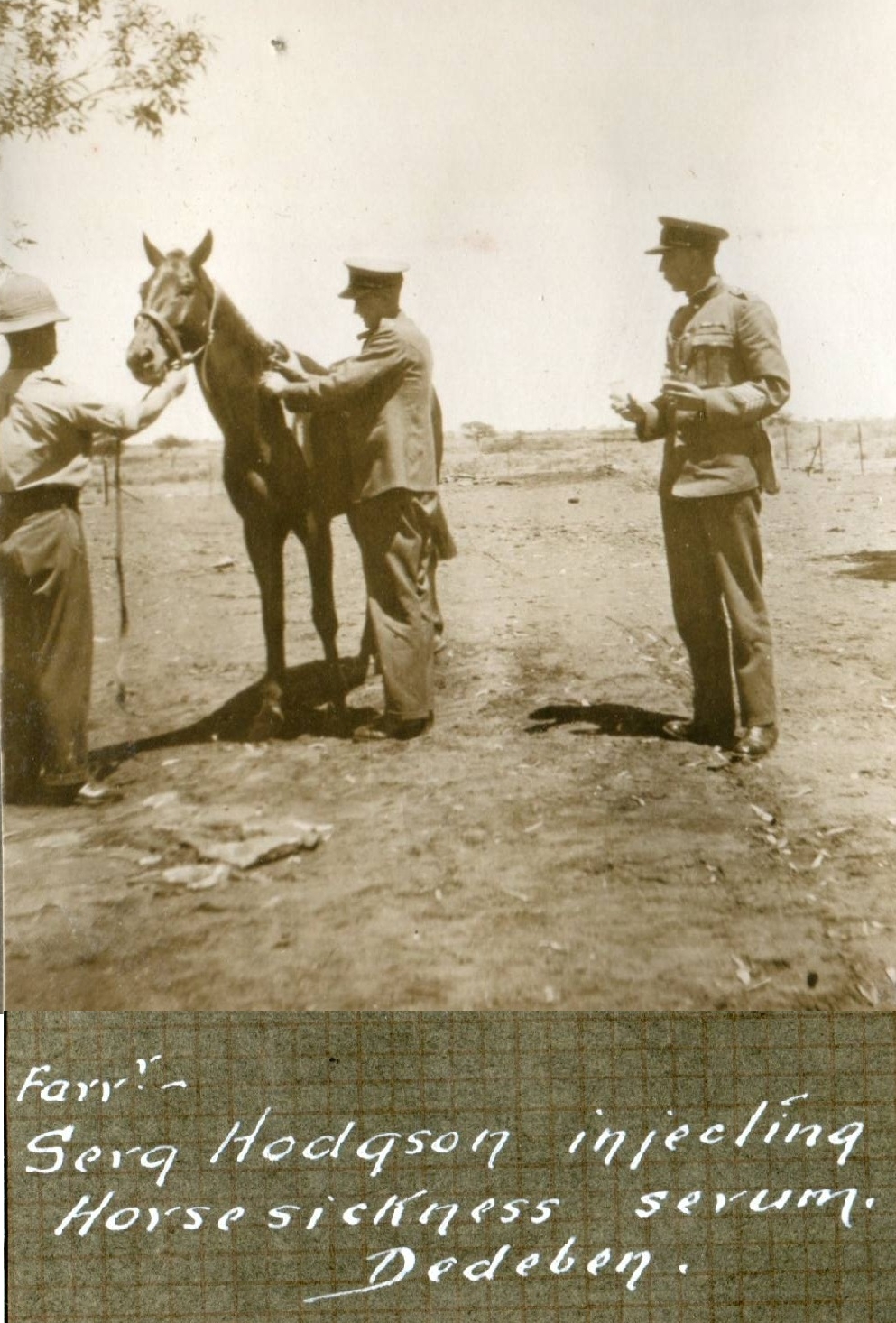
Dedebeng
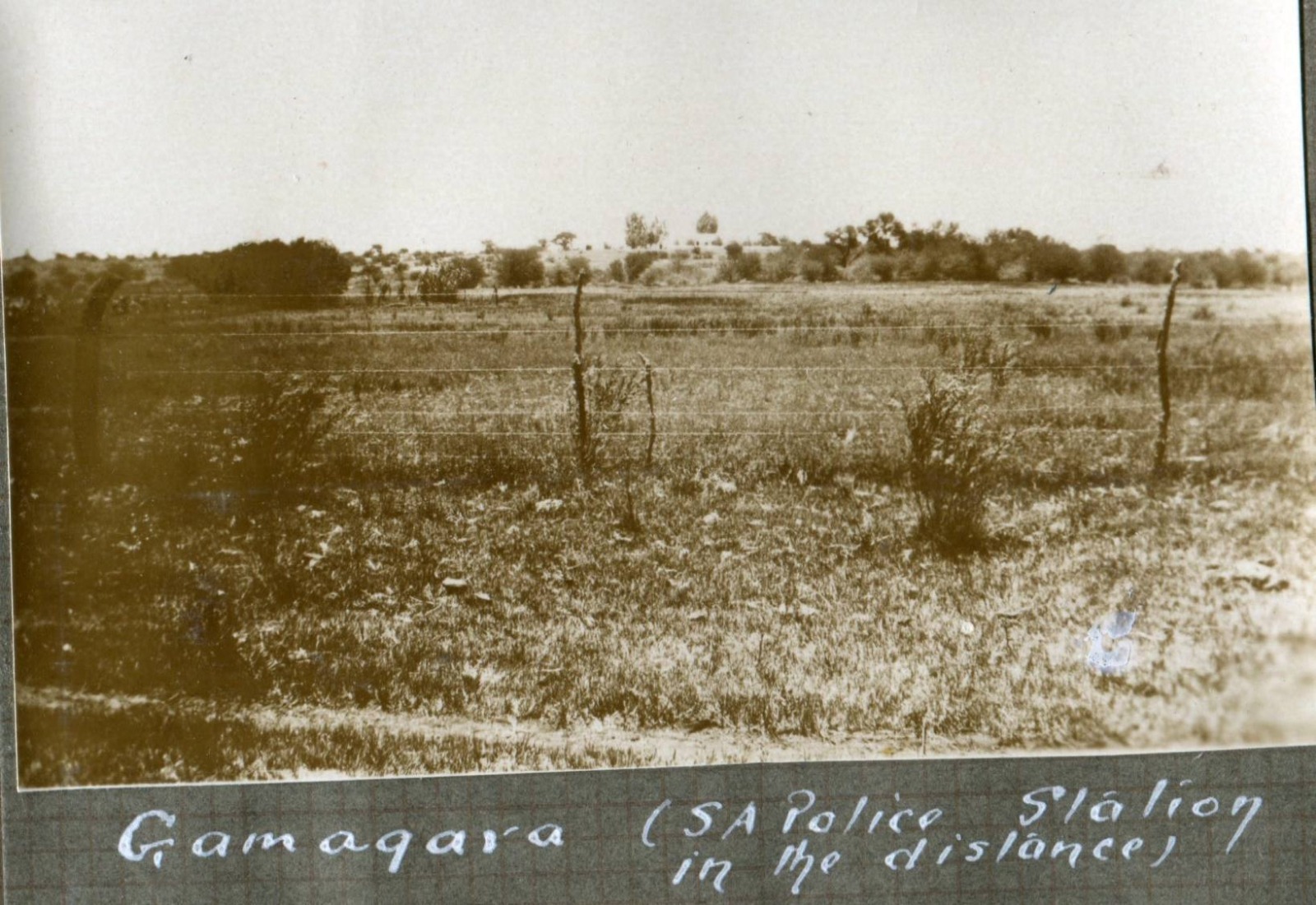
Gamagara
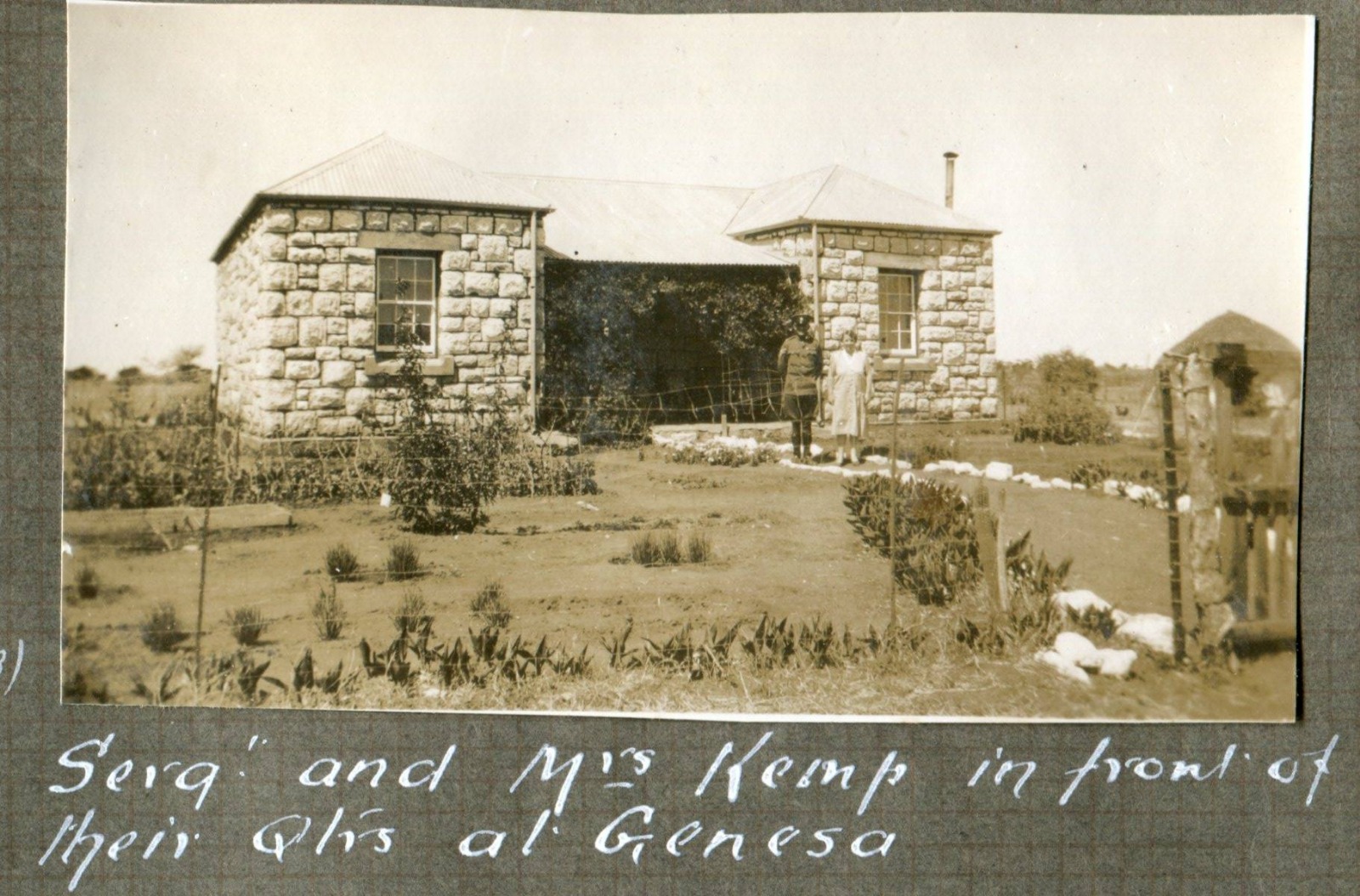
Genesa
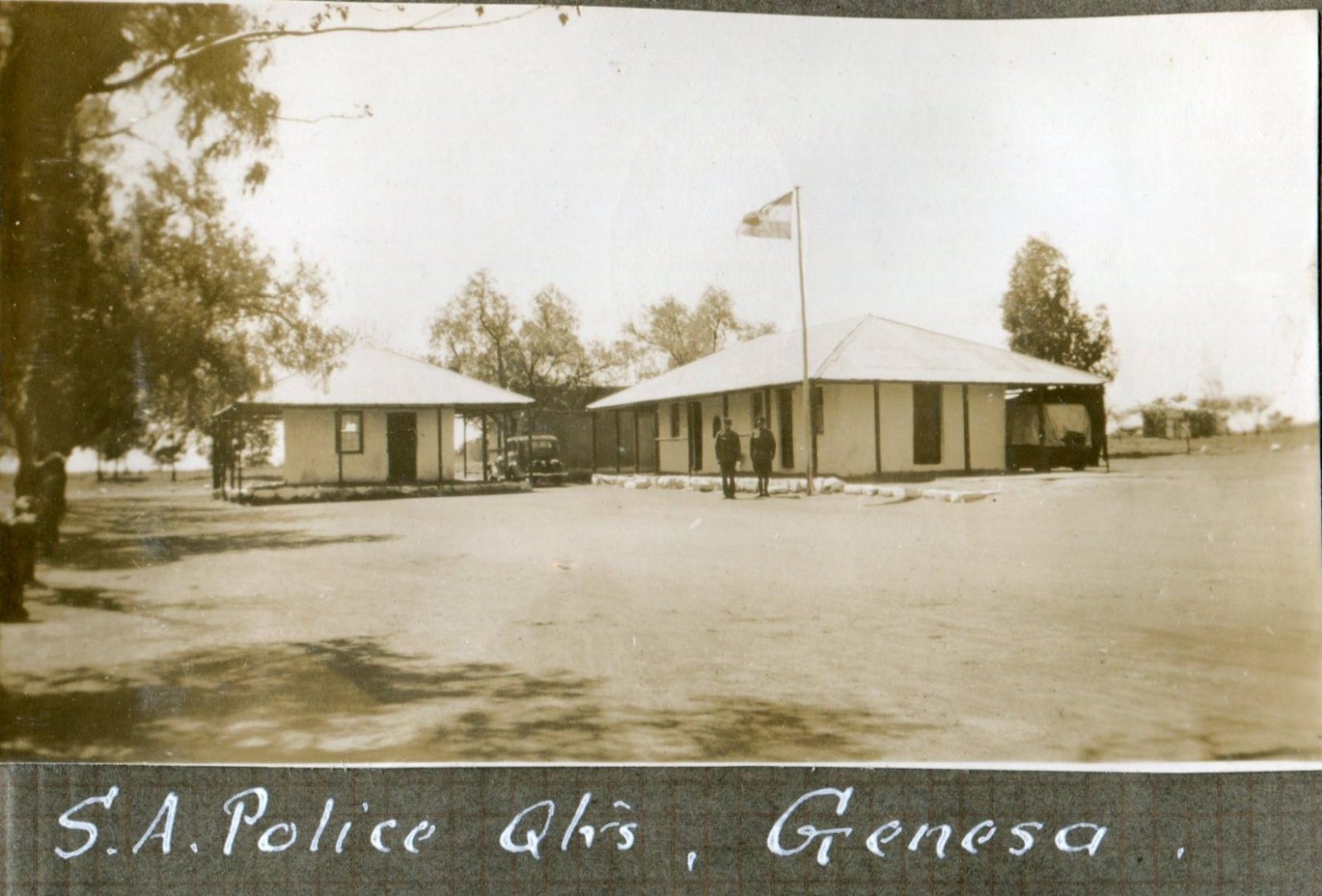
Genesa
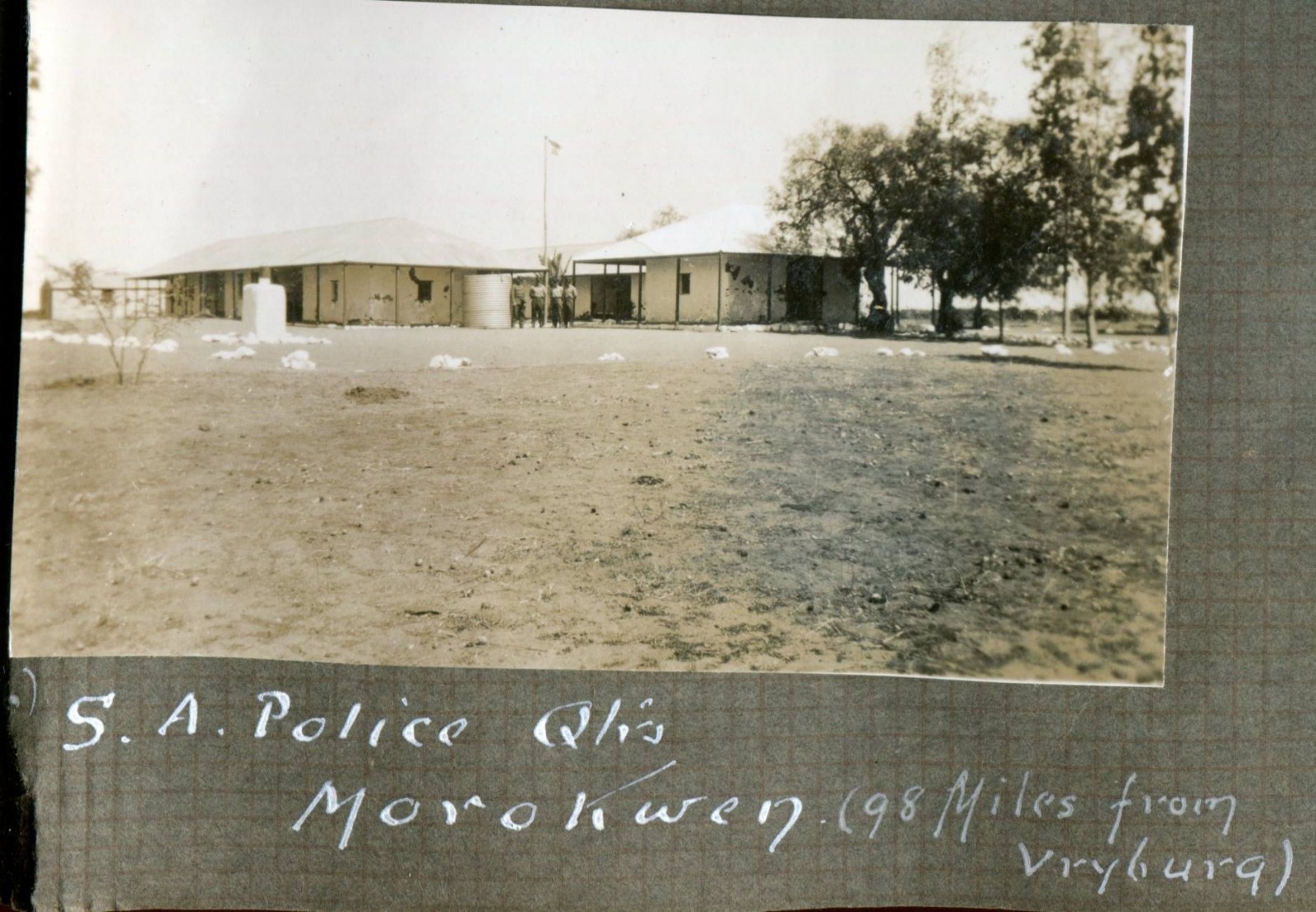
Morokwen
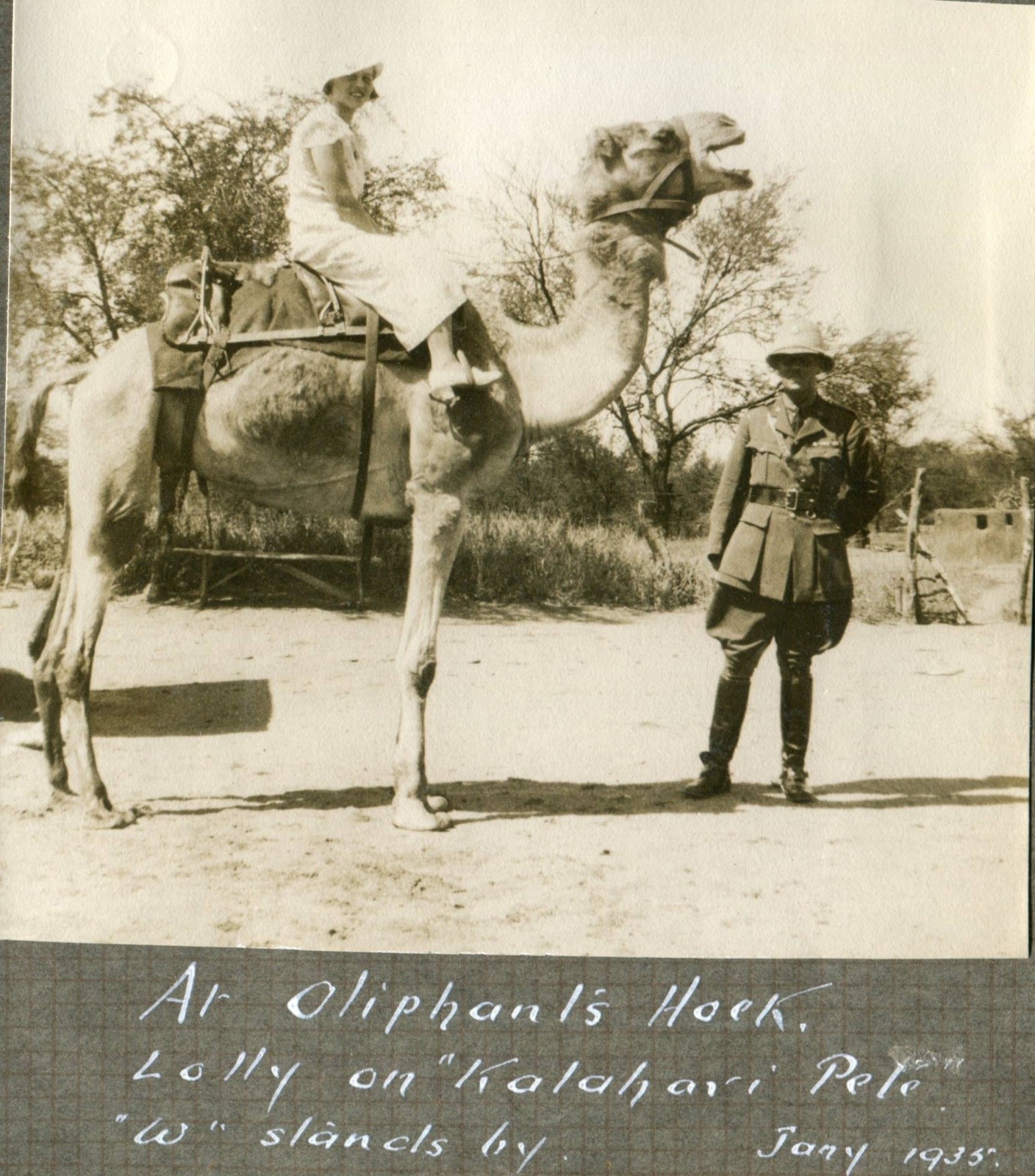
Olifantshoek
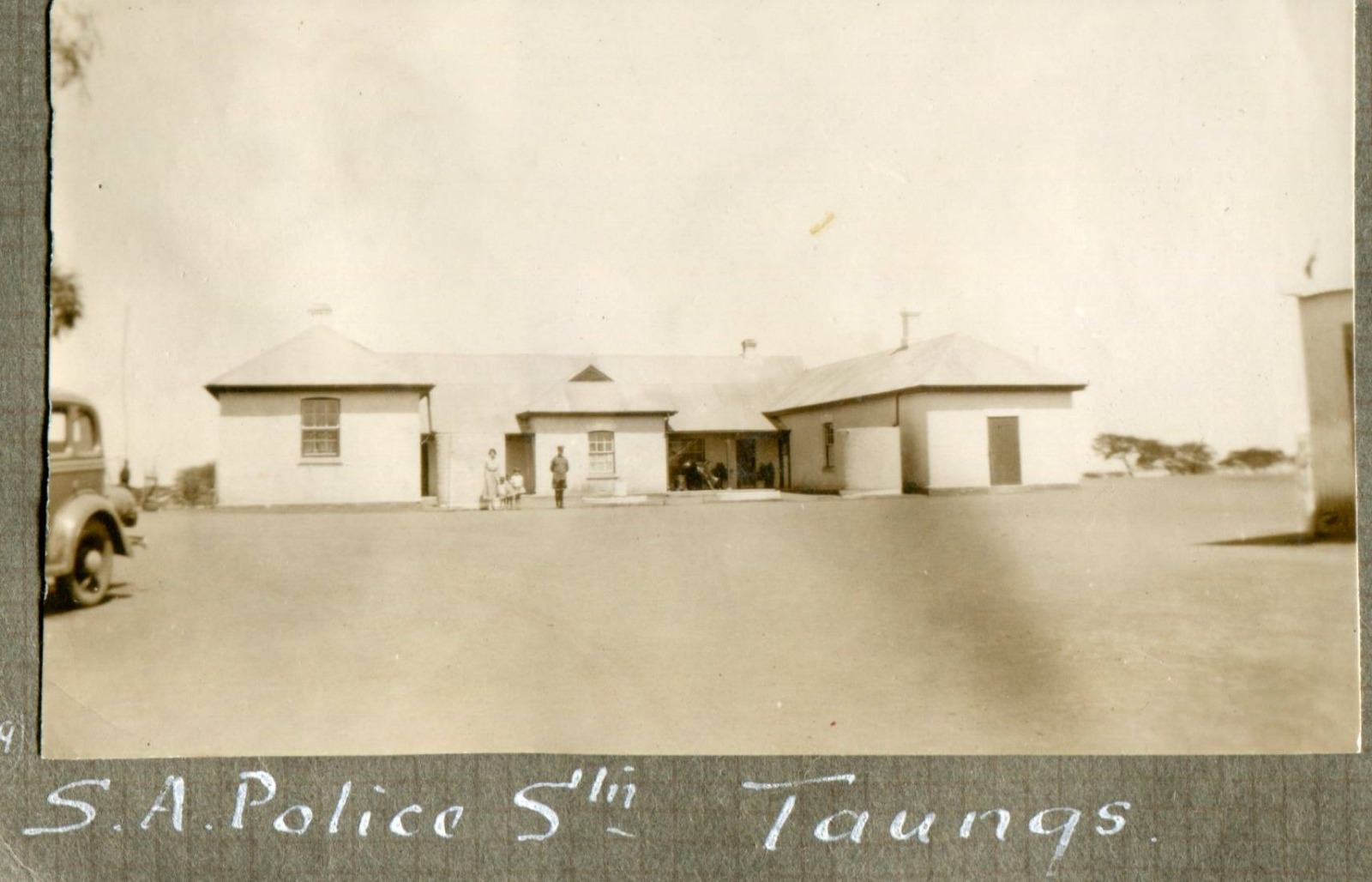
Taungs
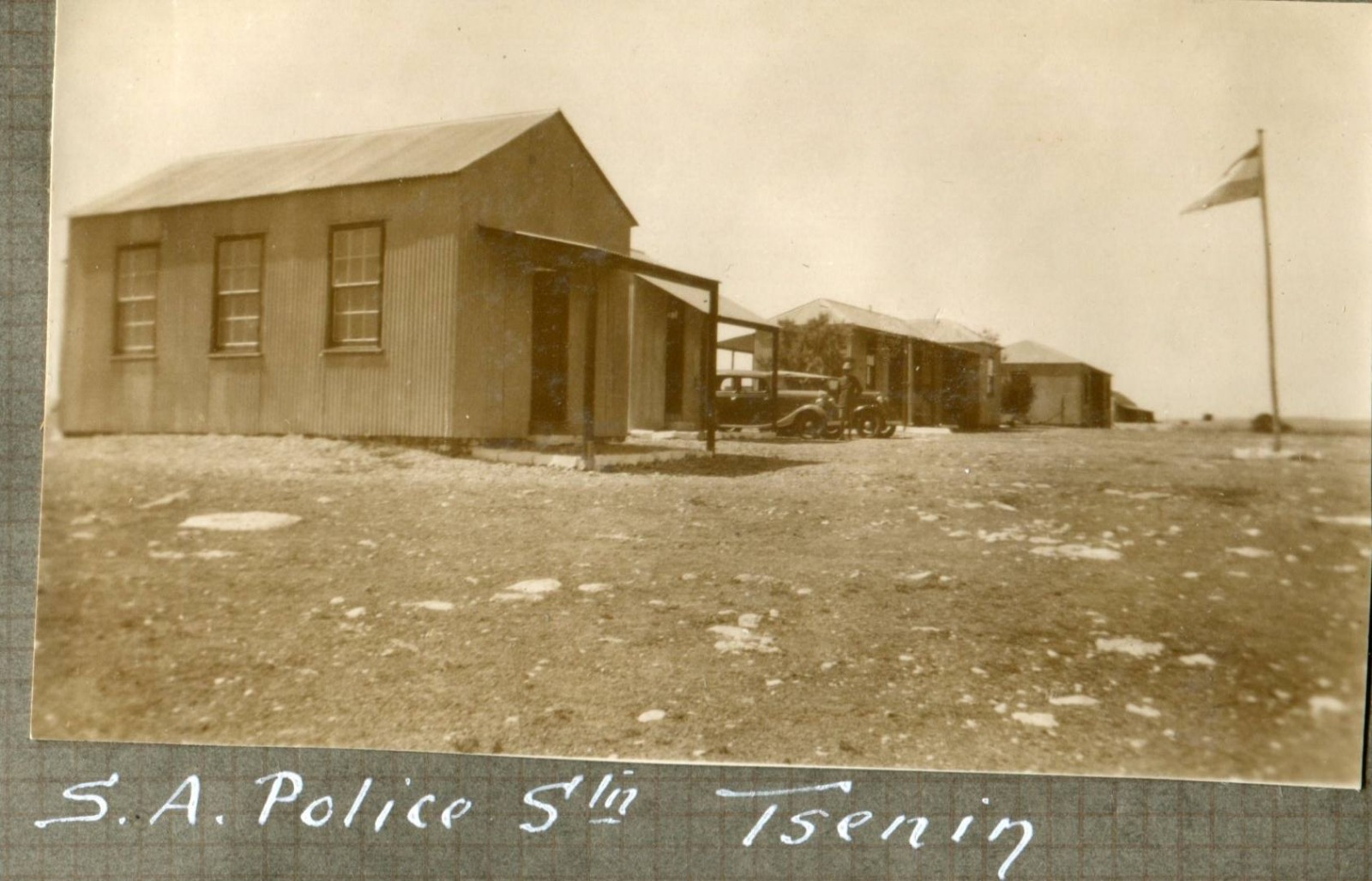
Tsenin
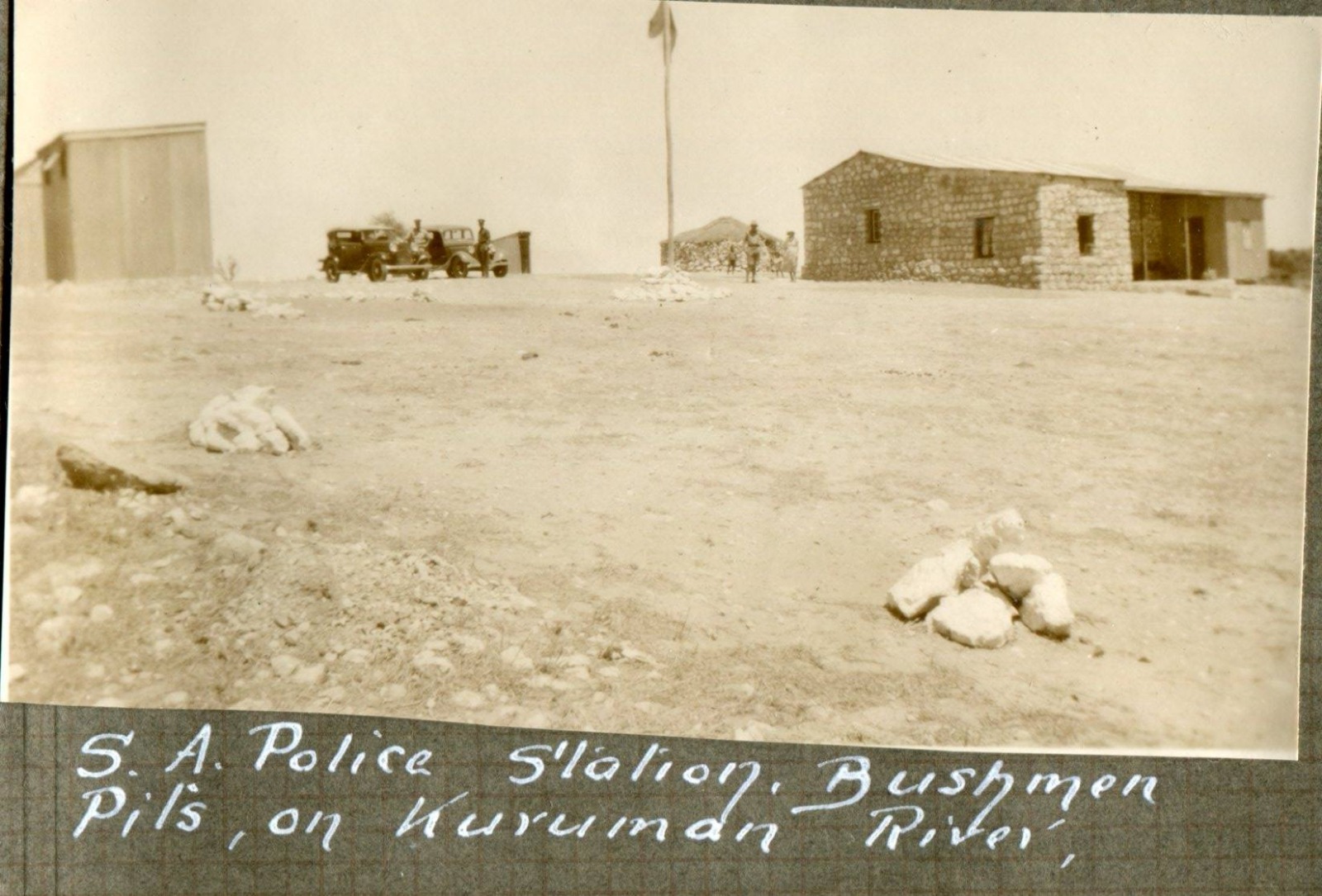
Bushmen Pils
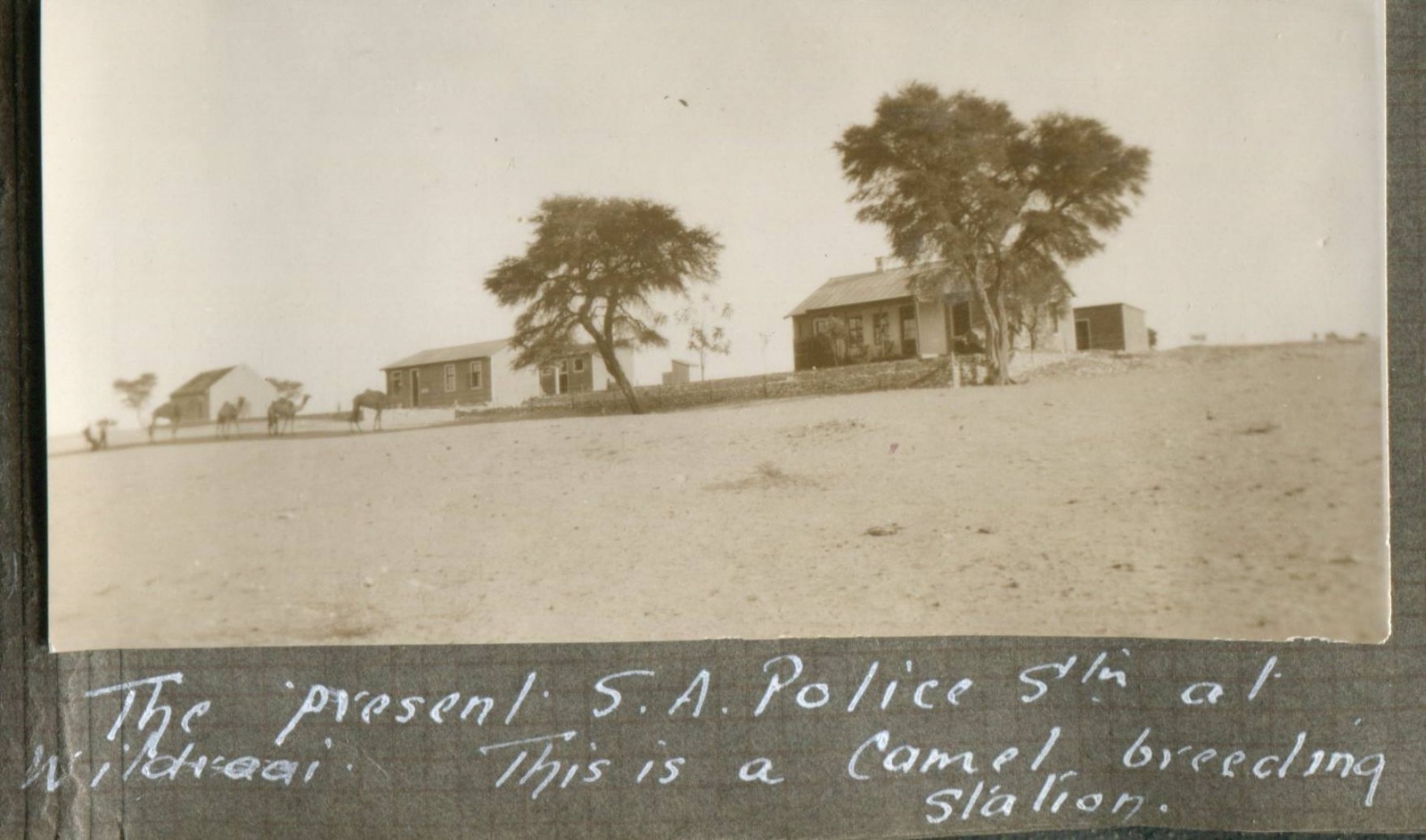
Witdraai
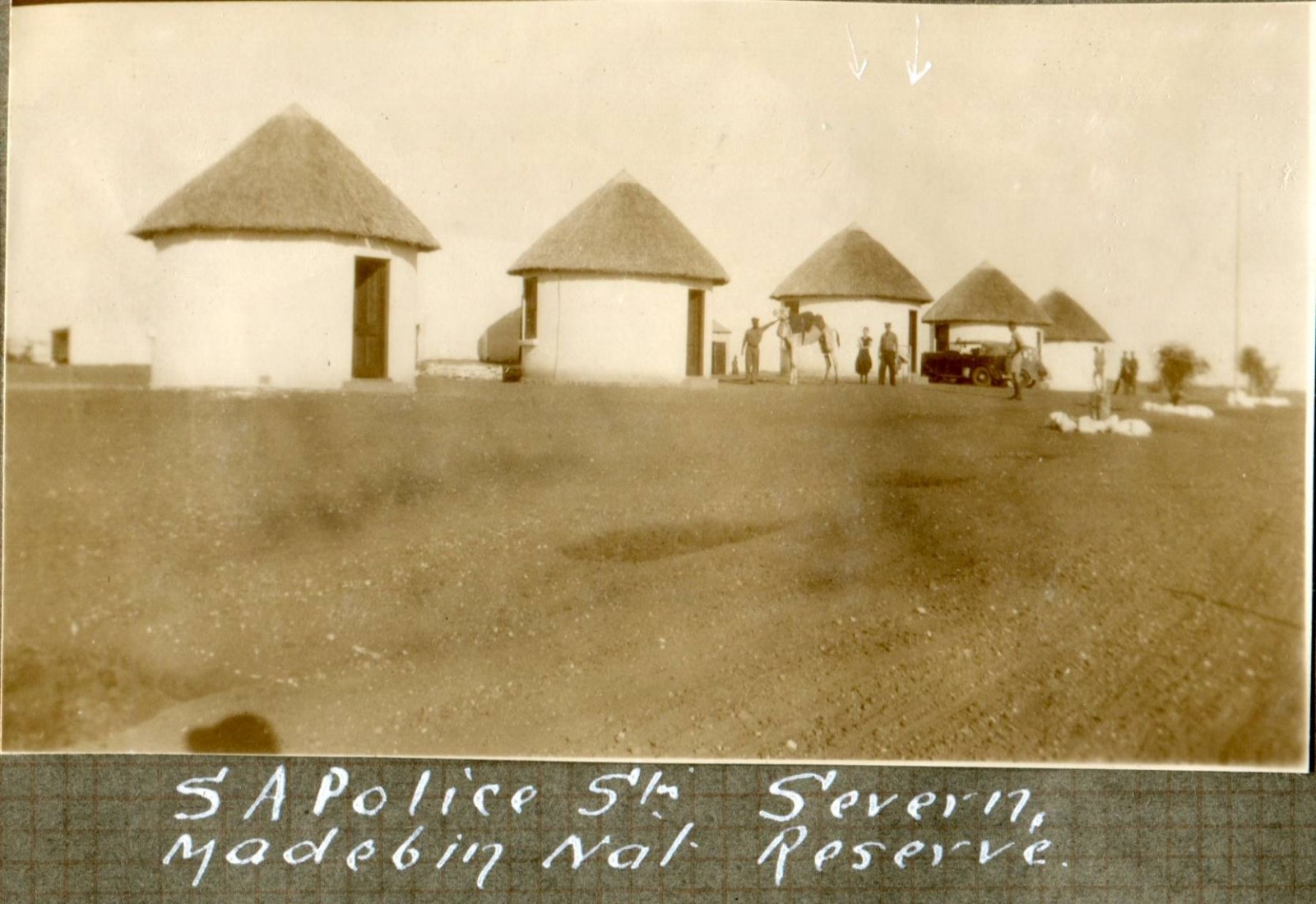
Severn
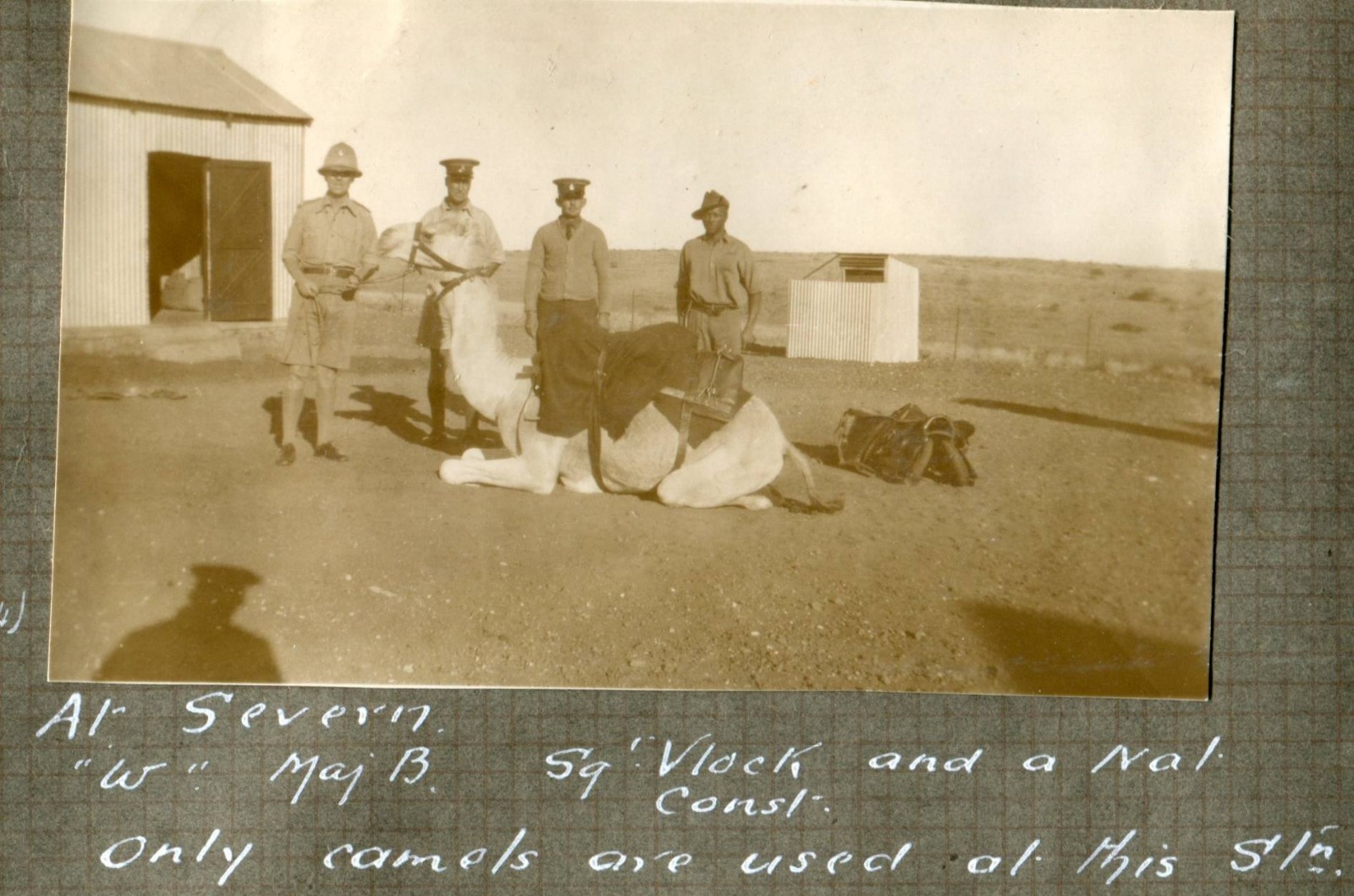
Severen police station: Camel transport
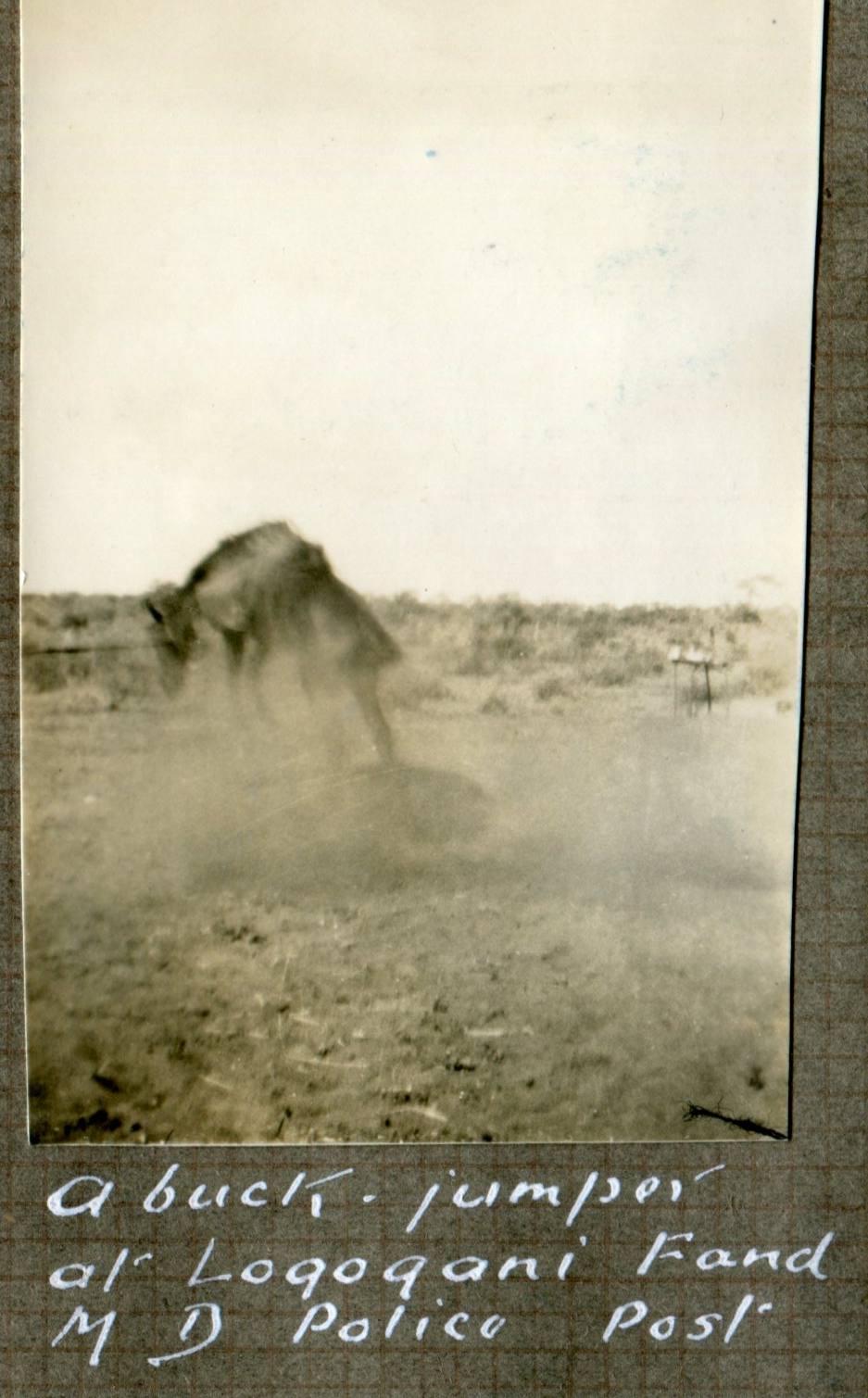
Buck Jumper (police horse?) at Logogani Foot & Mouth Police Post
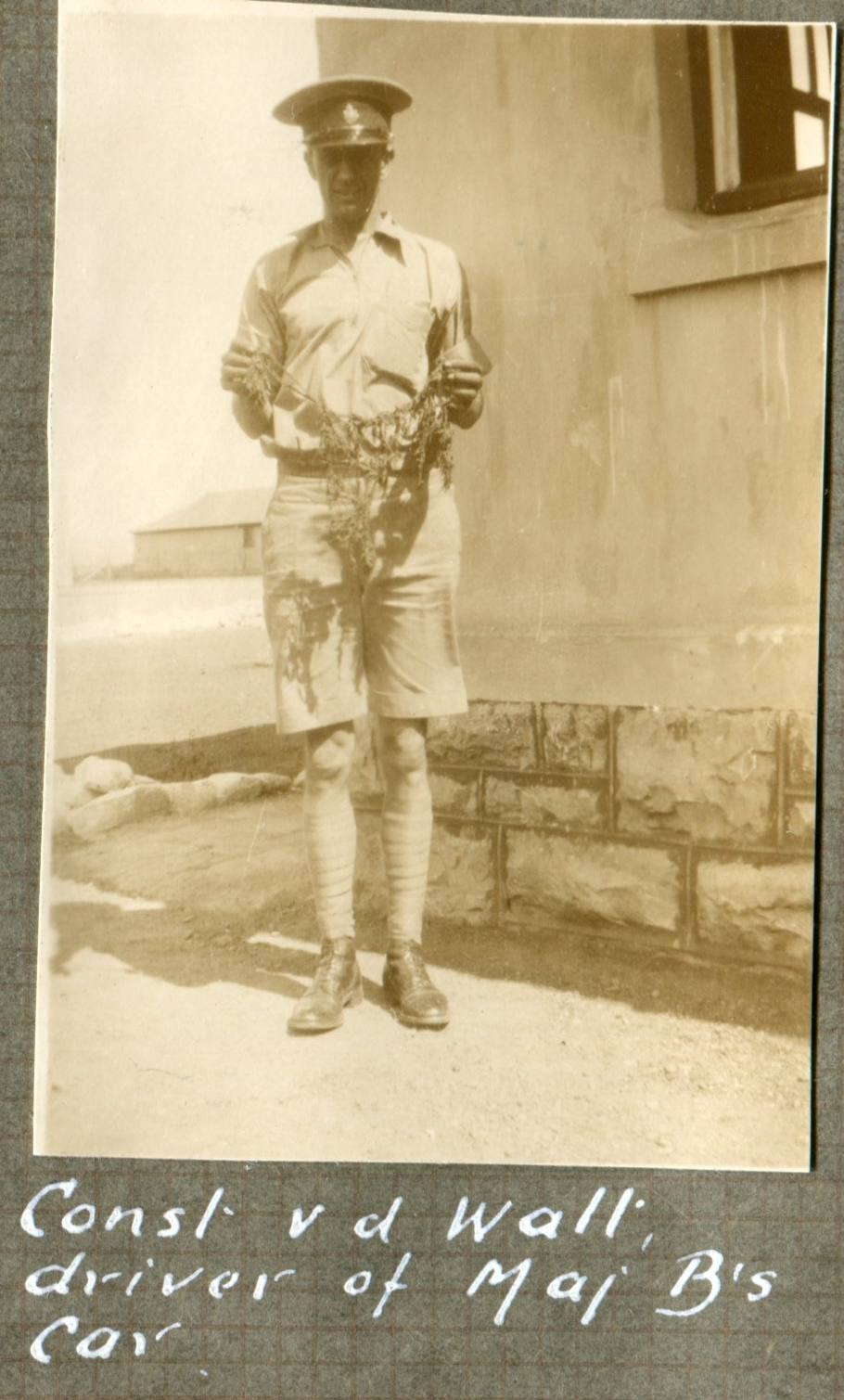
Const Van der Walt
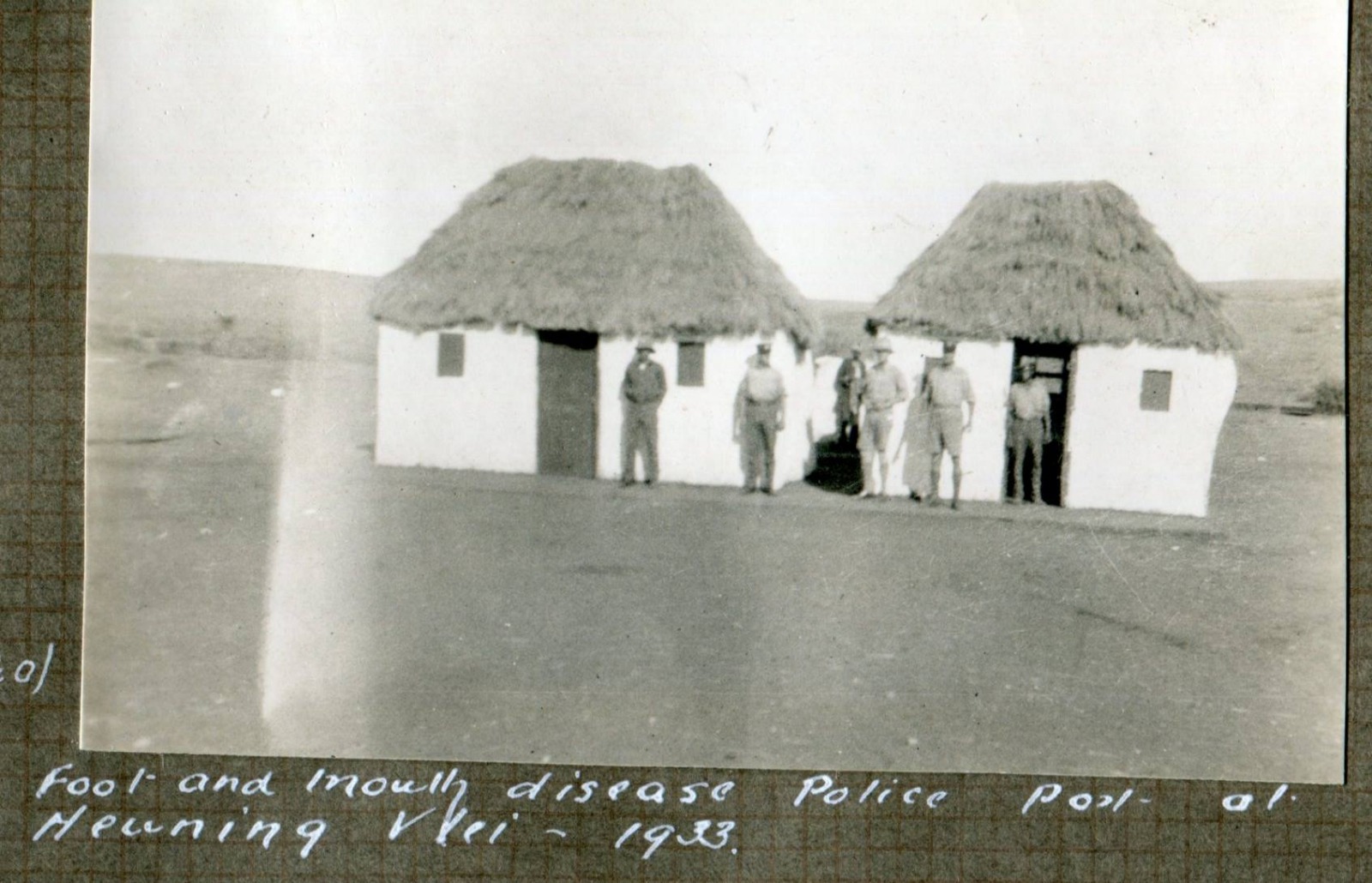
Heuningvlei – Foot & Mouth Police Post
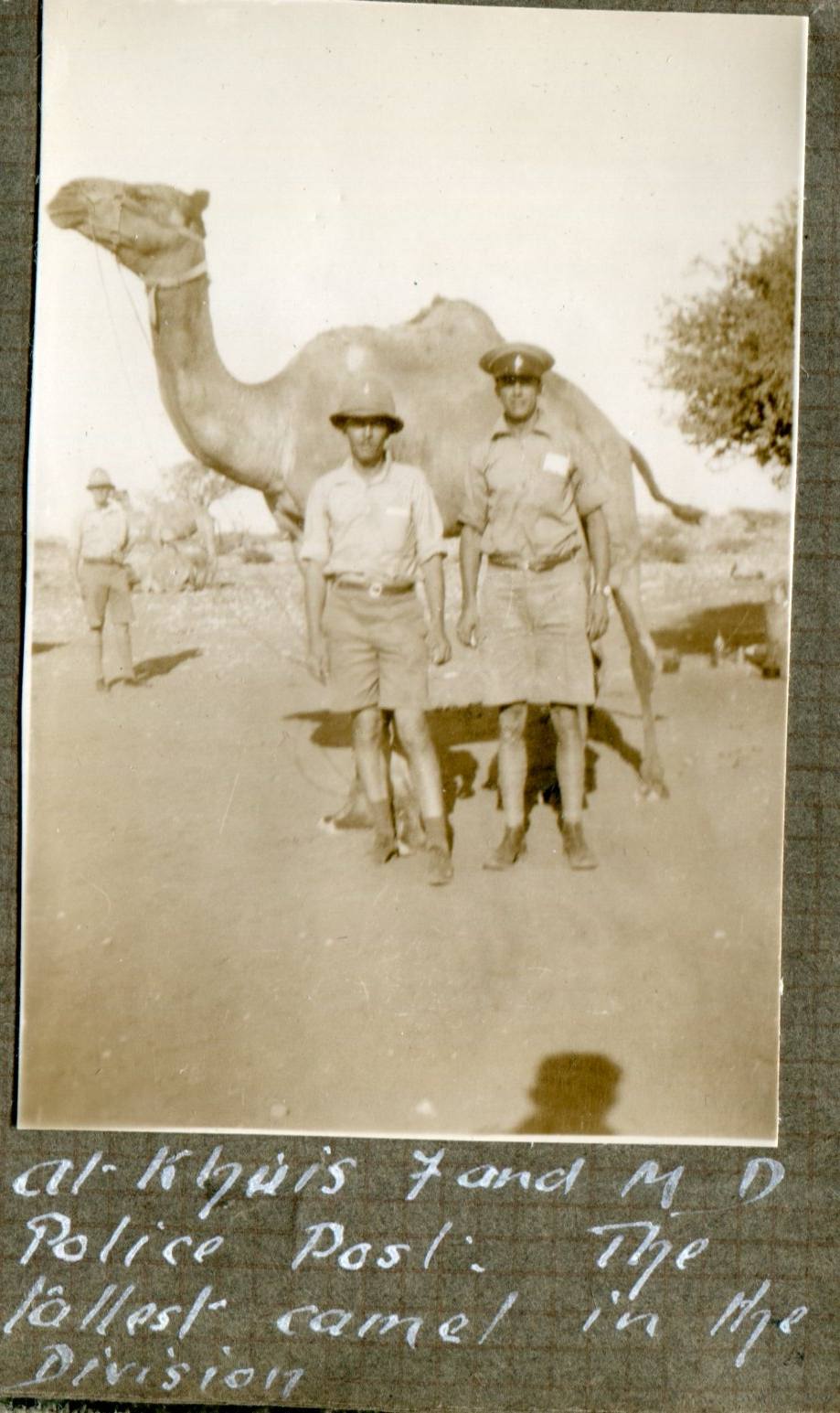
Khuis
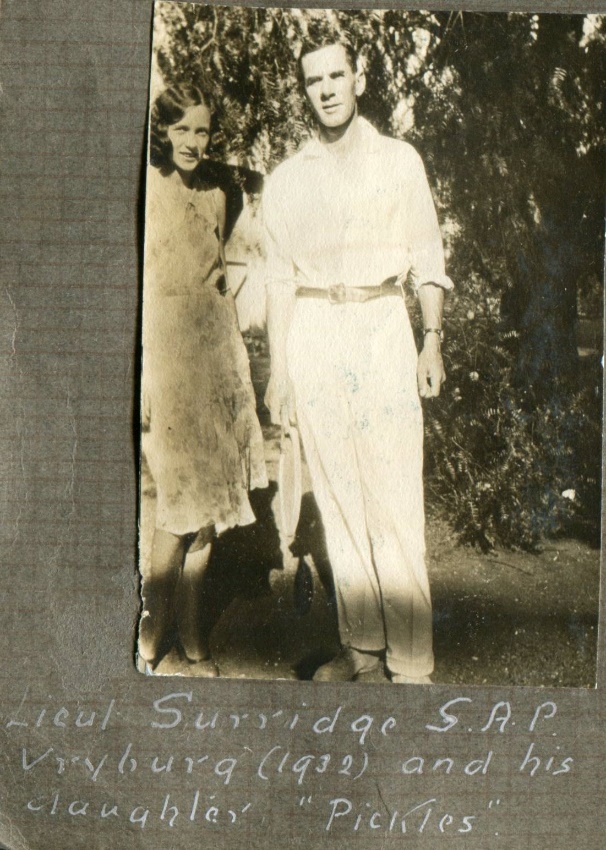
Lt Surridge and Miss Pickels Surridge
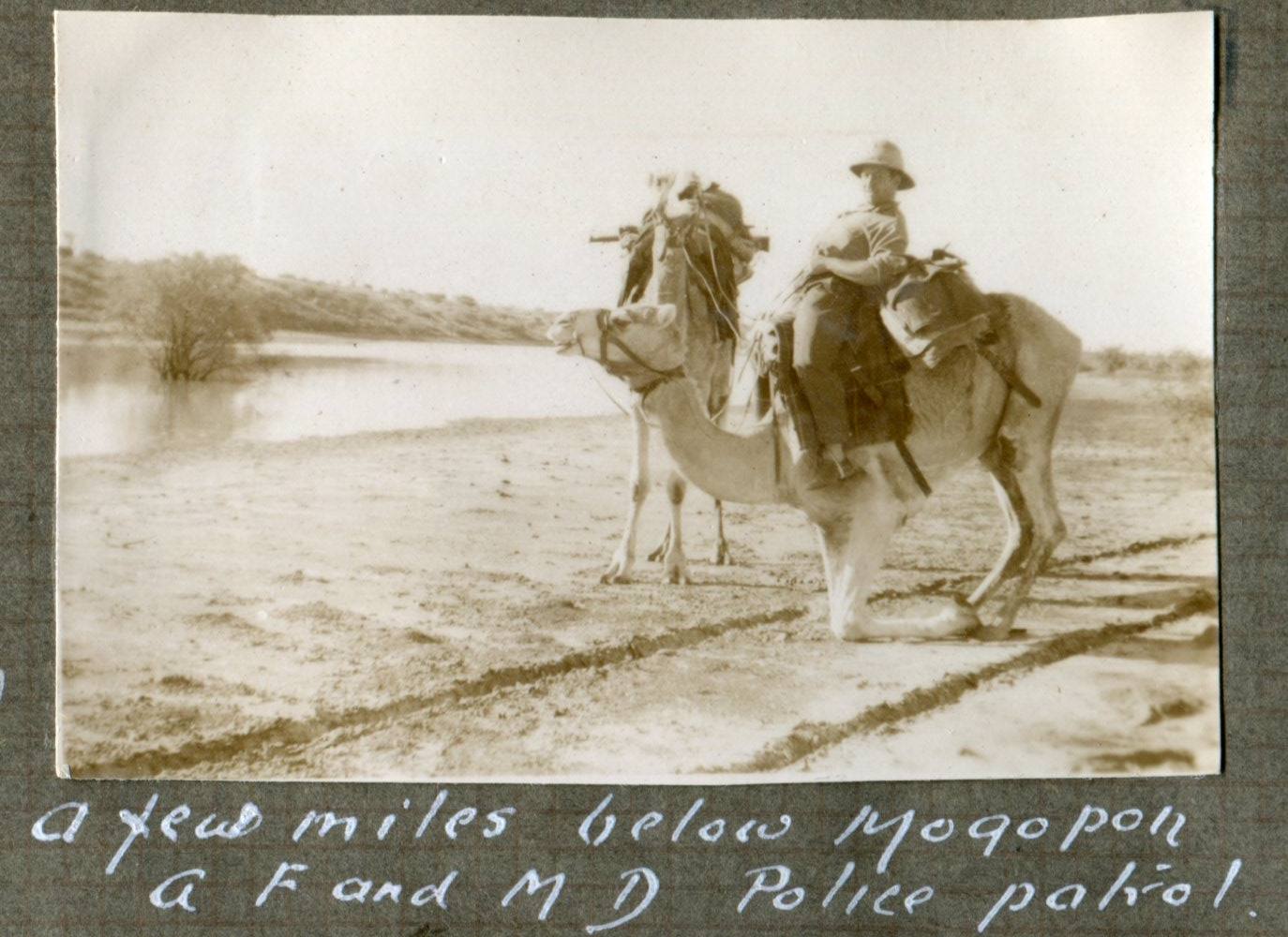
Mogopon Foot & Mouth
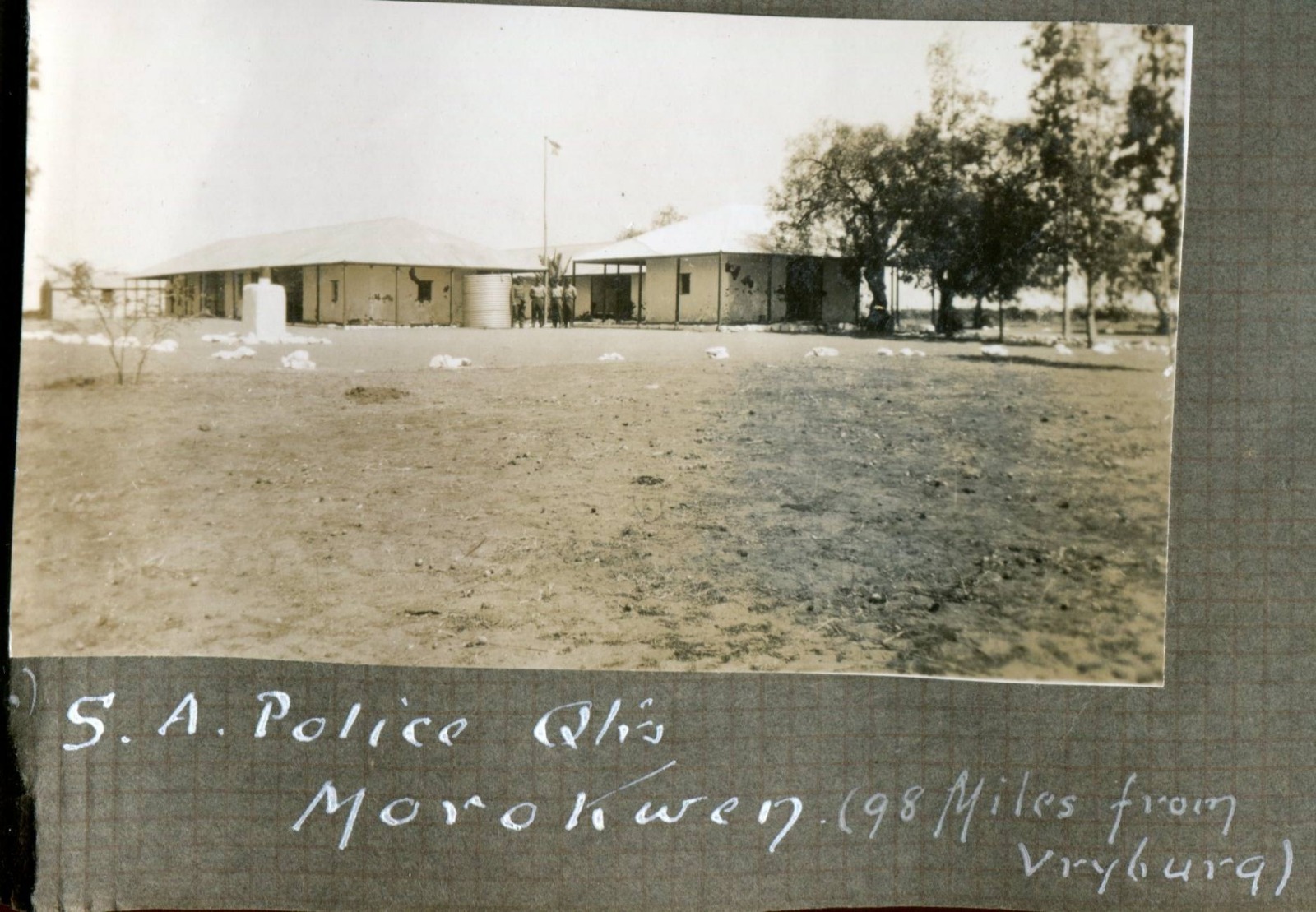
Morokwen
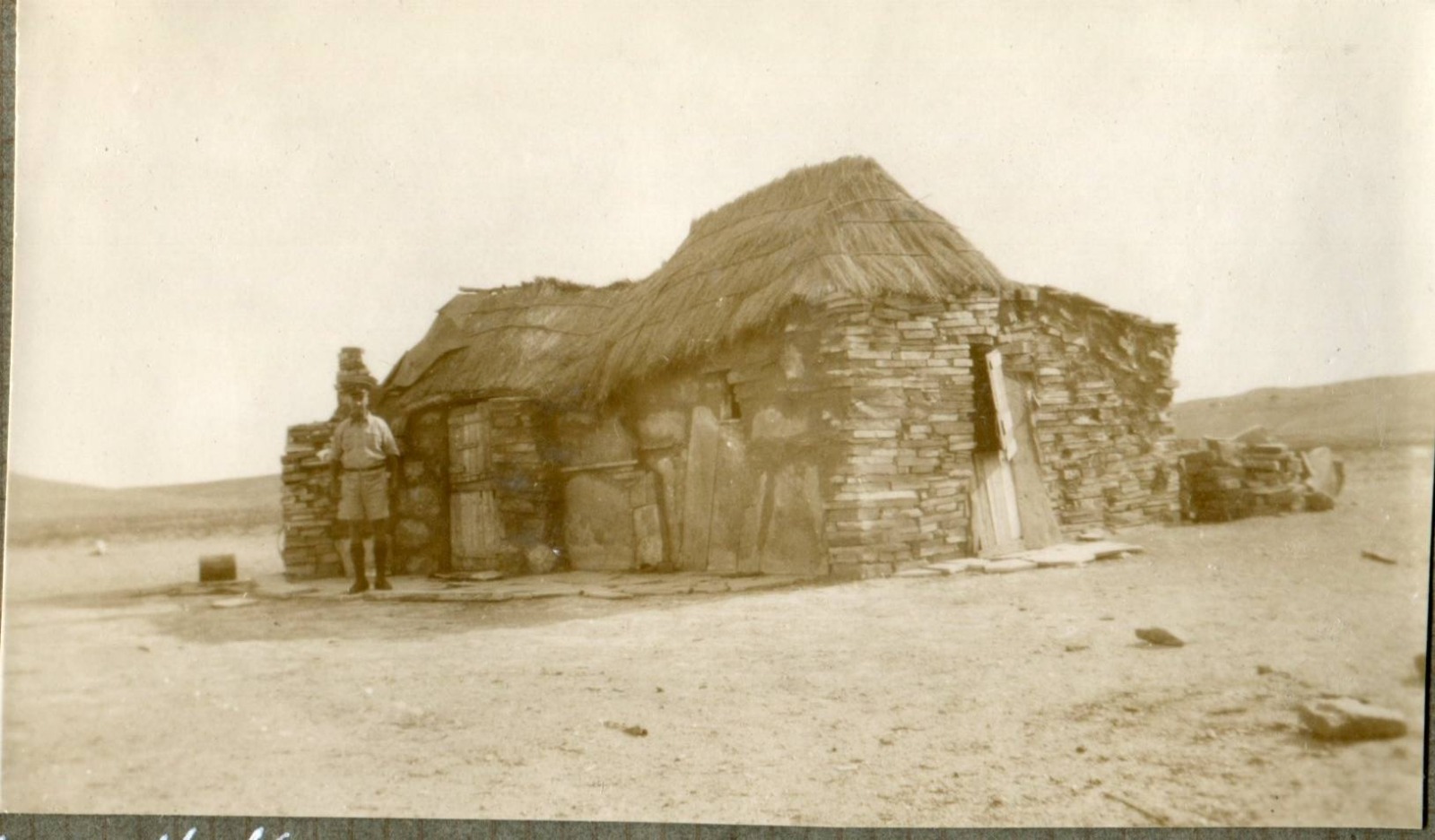
Smugglers House on the Molopo
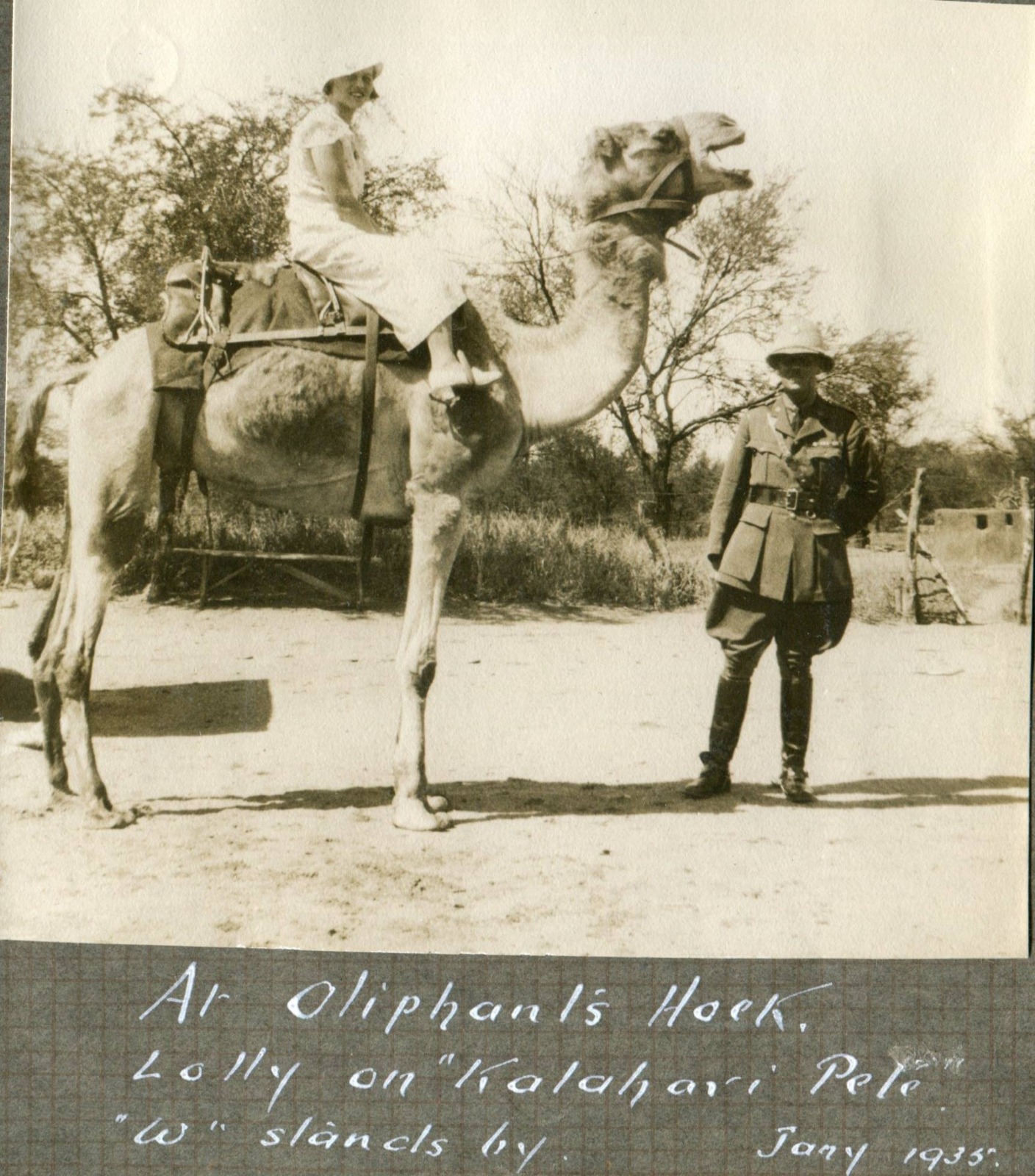
Olifantshoek
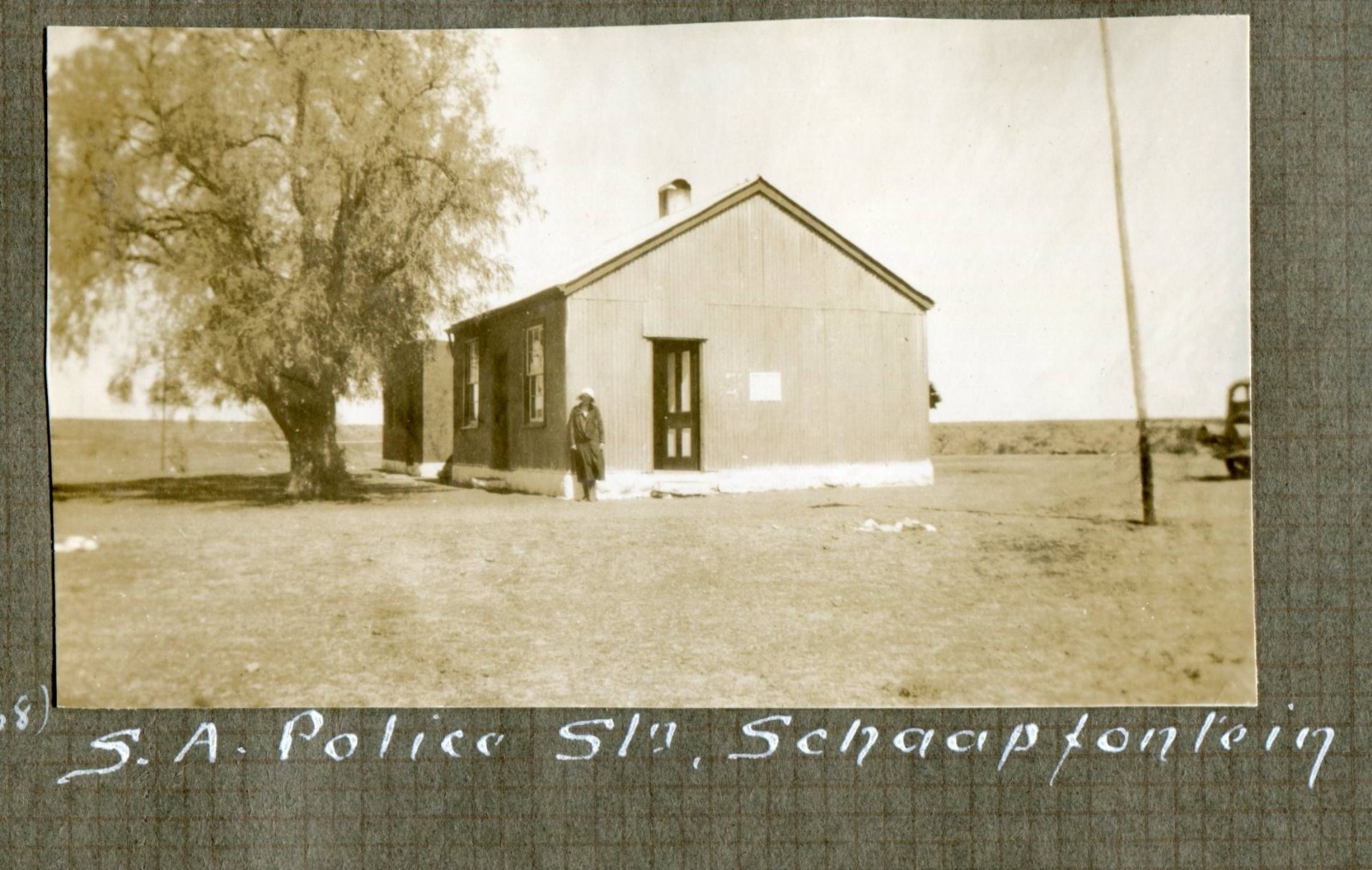
Schaapfontein
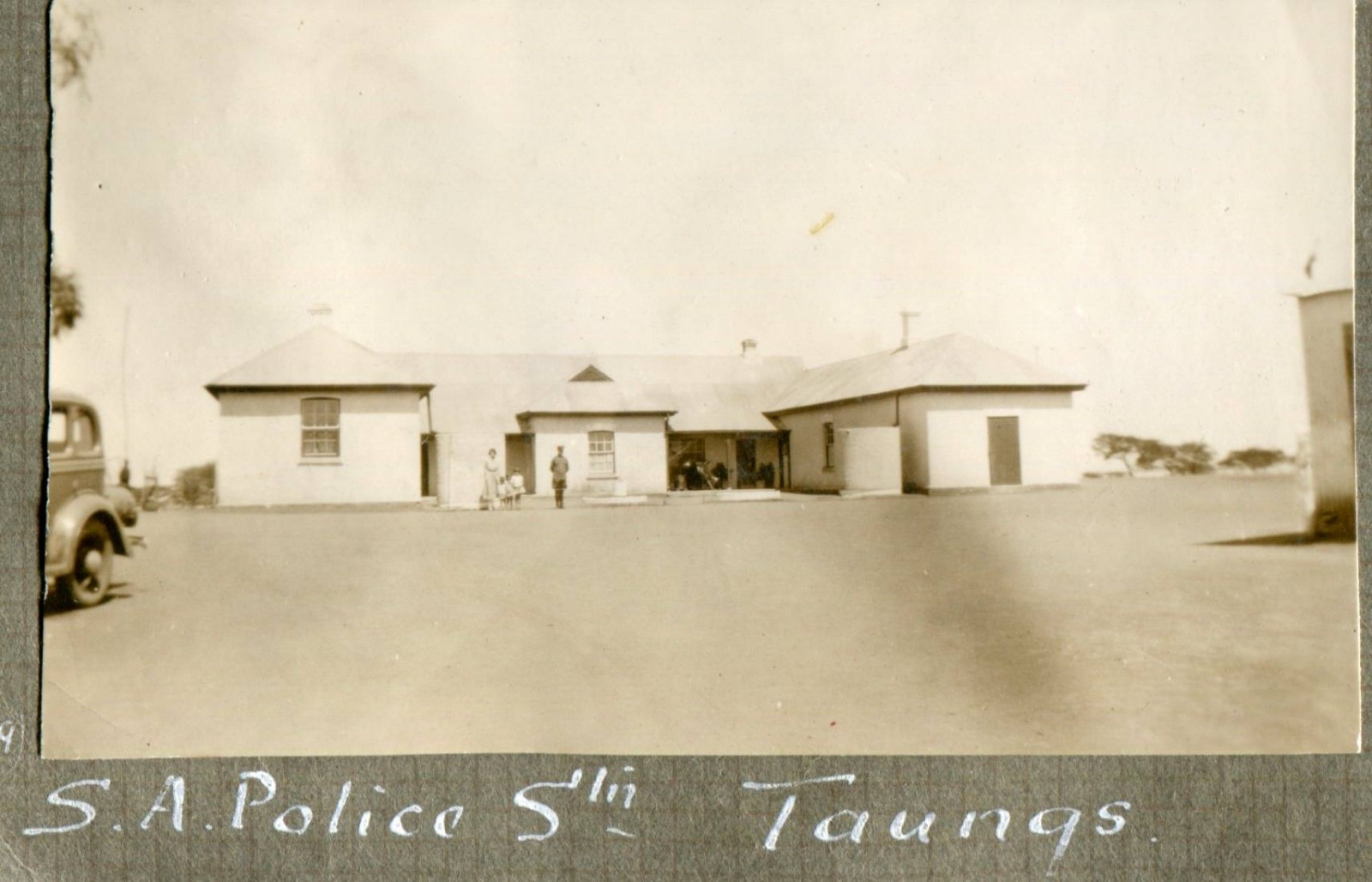
Taungs
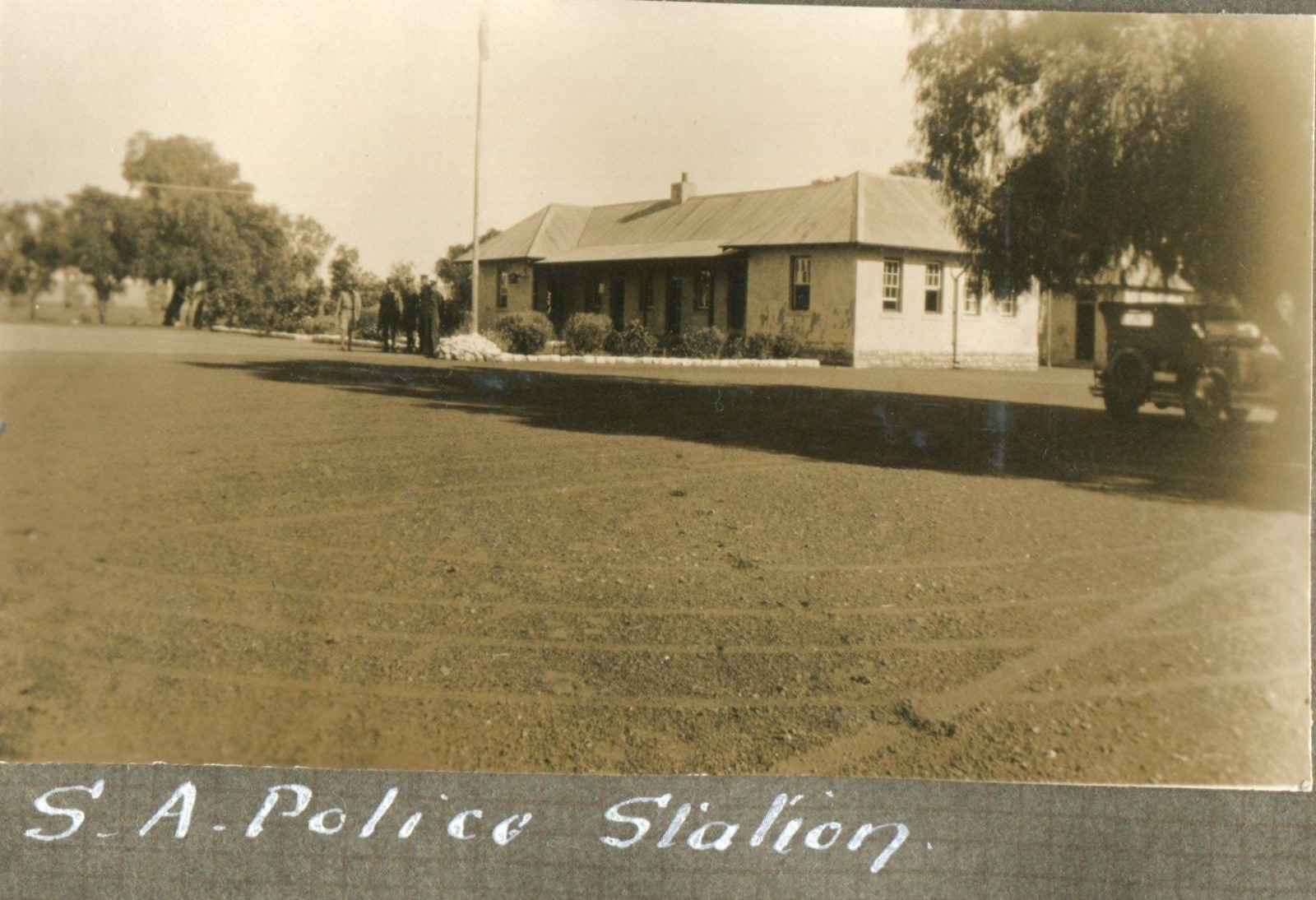
These photos come from an Album, acquisition no. MMKP -4081 held in the McGreggor Museum
in Kimberly. The album is Listed as belonging to Col. Taylor. The photos were taken during an inspection visit to Police stations and temporary foot and Mouth disease control stations during 1935.
An interesting observation is, that the British Bechuanaland Crown Colony, or cis-Molopo, which briefly existed from 1885 to 1895, did not exist Officially 40 years later, in 1935, However, it is still called Bechuanaland by Taylor. The far-off Government in Cape Town may make its laws and pass decrees, but on the ground things move slowly. Taylor calls the Crown Colony simply “Bechuanaland” and uses “Protectorate” to signify todays Botswana. Many of the places can be found on a modern map, possibly with spelling changes, I have tried to enhance the digital copy of Taylor’s hand-drawn map, to show his route and the location of the places he mentions.
Re-enacting this trip and taking photos as it is now, would be on my bucket list, but seems unlikely due to my health constraints.
Your comment about personal connection or interest in any of these places, and the current state of the stations, if they still exist, and possibly more recent photographs, will be appreciated.
Henry Abbott
Key Historical Details
- Police Career: Taylor rose through the ranks of the South African police force, serving as a Divisional Inspector before being promoted to Deputy Commissioner in November 1929. Earlier in his career, he held the rank of Sergeant and applied for a transfer to the Basutoland Police.
- Military Rank: He is also referred to in historical records as Colonel W.H.C. Taylor, often associated with the East London area.
- Archaeological Contribution: He is frequently cited in South African archaeological literature for a 1934 photograph he took on the southern margin of the Kalahari Desert.
- The photograph captured a person acting as a “buckjumper”—wearing an animal skin and using sticks to mimic the behaviour and appearance of an antelope.
- This image has been used by researchers like J. Francis Thackeray to interpret San rock art, specifically the depiction of “therianthropes” (human-animal hybrids).
A very indistinct photograph by Taylor, labelled “Buck jumper”, at Logagani” with no further details has been used in Anthropology to further our understanding of the meaning of Rock paintings and by providing evidence that therianthropes may have been an actual occurrence, and not as previously surmised, purely the creation of shamanistic trance visions. The buck skin in the photo, has been identified as either a roan or a sable antelope. This is similar to the better-known mimicking of Ostriches during hunting. A rock-painting in Lesotho, show three figures that bear a striking similarity to the Taylor photograph, showing 3 figures, two with sticks, covered by Roan head and skins.
You can read the article at the link below; you need to register as the site to gain access. Relates to their supreme being Tsui //Goam and Heitse Eibib. He traces the possible influence of this wider in the wider African context. Please read the original article, as some of the AI generated nonsense creates a some very conflicting summaries.
Comments by Brig Hennie Heymans
I furnish photos of Lt-Col WHC Taylor, Divisional Commissioner, Kimberley
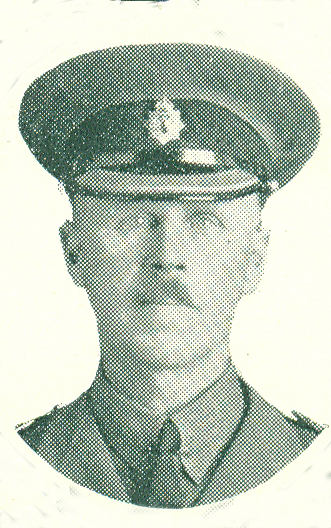
Lt-Col WHC Taylor