Nongqai Album 4/2026
Nongqai Photo Album: April 2026
Keywords
The Castle Cape Town,
Durban Borough Police,
The Anglo Boer War,
1900’s German Camel Police, GSWA,
1913 Mine Workers strike – Kleinfontein,
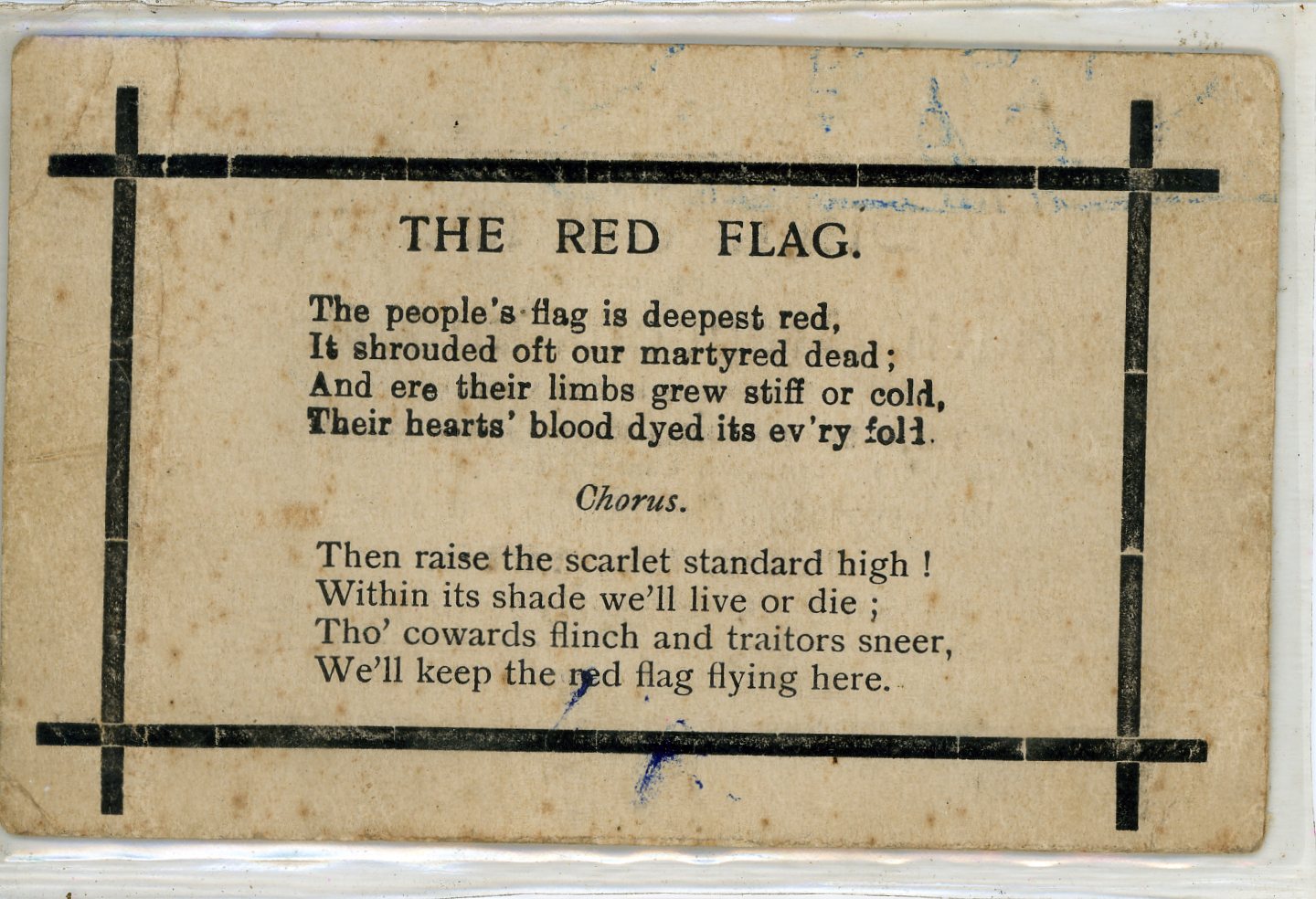
1913 – The Red Flag in Revolutionary Booklet,
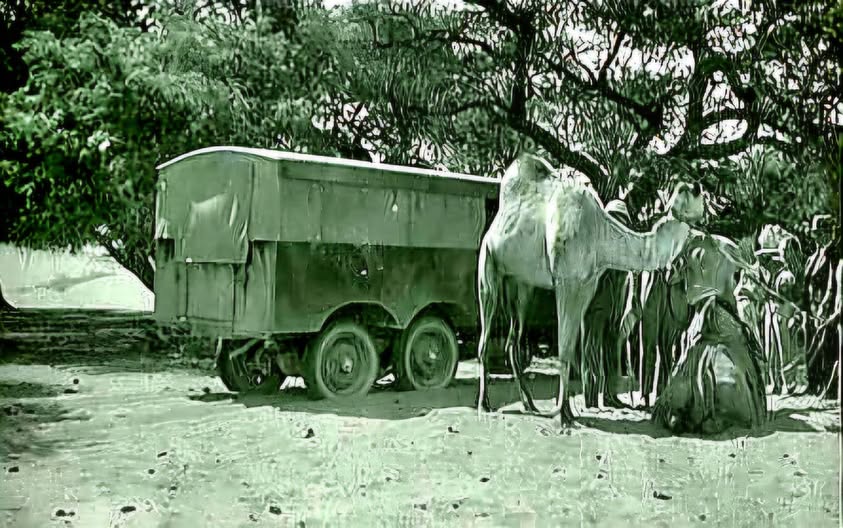
1930’s – SWA Police camel & SAR Bus,
1930’s Special Service Battalion UDF South Africa,
1666: The Castle Cape Town
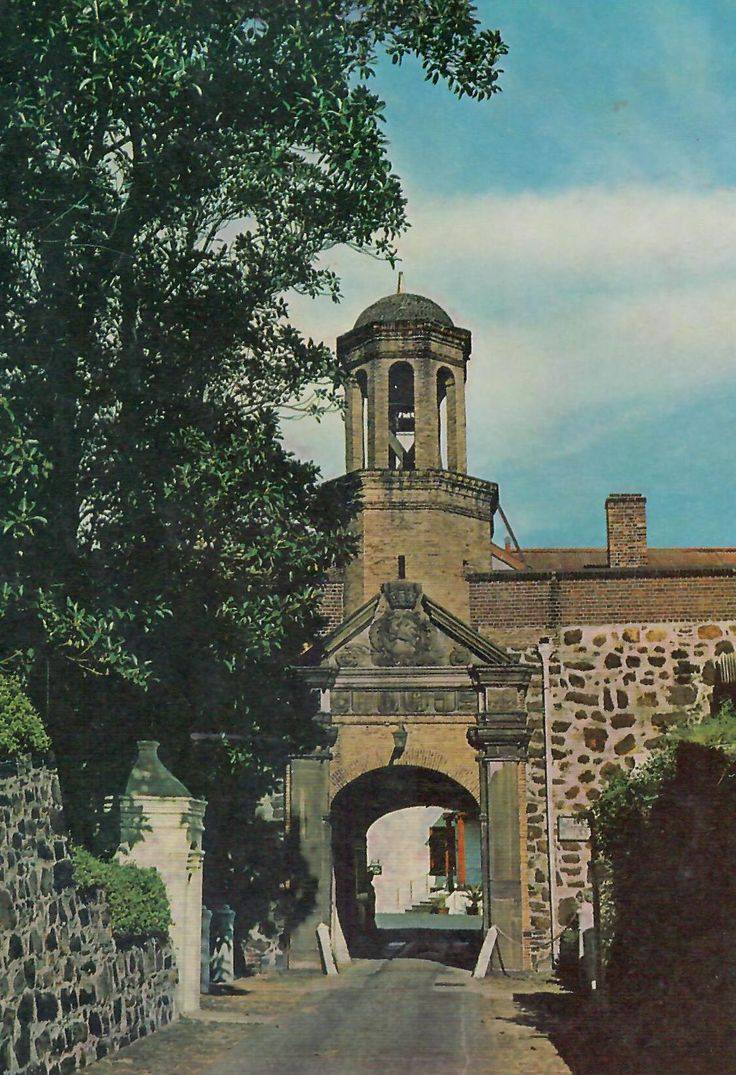
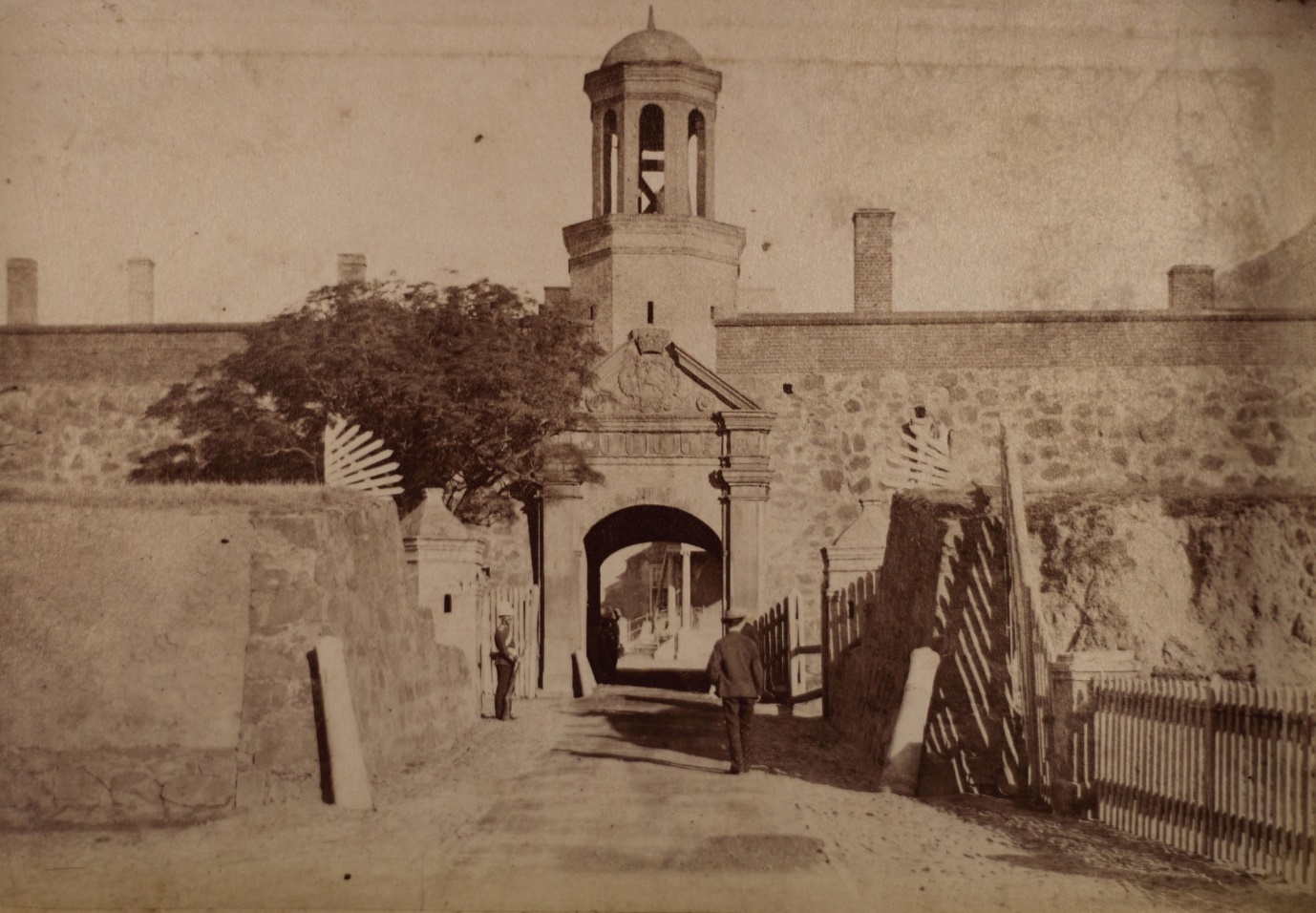
The Castle Cape Town circa 1900.
A Short Historical Overview of the Durban Borough Police
The Durban Borough Police (Durban Gemeente Politie) was established in 1854, the same year that Durban was formally proclaimed a borough under the Natal colonial administration. The force was created in terms of Ordinance No. 1 of 1854, which provided for a locally controlled police service under a Borough Police Board. According to the Durban City Council Archives, the first Chief Constable appointed was Edwin Lee, followed in 1855 by William Harrison.
During the mid‑19th century, the Borough Police was responsible for maintaining public order, enforcing municipal by‑laws, and supporting colonial authorities in a rapidly growing port town. As Durban expanded, the police force evolved in structure and capability, reflecting the broader development of policing in the Colony of Natal.
By the early 20th century, the Durban Borough Police had grown into a more formalised urban police service. In 1935, following Durban’s elevation to full city status, the force was renamed the Durban City Police. It continued to operate as a municipal police service until the late 20th century, when it was eventually incorporated into the modern Durban Metro Police after municipal restructuring in the post‑apartheid era.
The Durban Borough Police is historically significant as one of the oldest organised municipal police forces in South Africa, predating many later colonial and national policing structures.
References
These are publicly accessible, non‑copyrighted reference points:
1. Durban City Council Archives – Records on the establishment of the Borough and early municipal services.
2. Natal Ordinances, 1854, Ordinance No. 1 – Legal framework for the creation of the Borough Police.
3. Laband, J. The Rise and Fall of the Natal Police (contextual background on policing in Natal).
4. Swanson, M. W. “The Rise of Multiracial Durban: Urban History in Natal, 1850–1910.” Journal of African History.
5. eThekwini Municipality Heritage Notes – Historical summaries of Durban’s municipal institutions.
6. A History of the Durban City Police – Revd. J Jewell, Durban City Council, 1989
1854: Durban Borough Police / Durban City Police
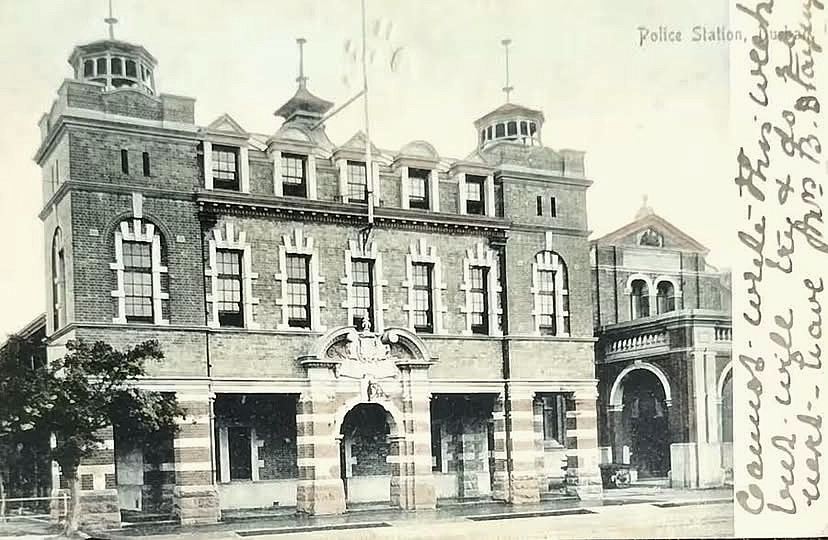
Durban Central Borough Police Station (R van Wyk)
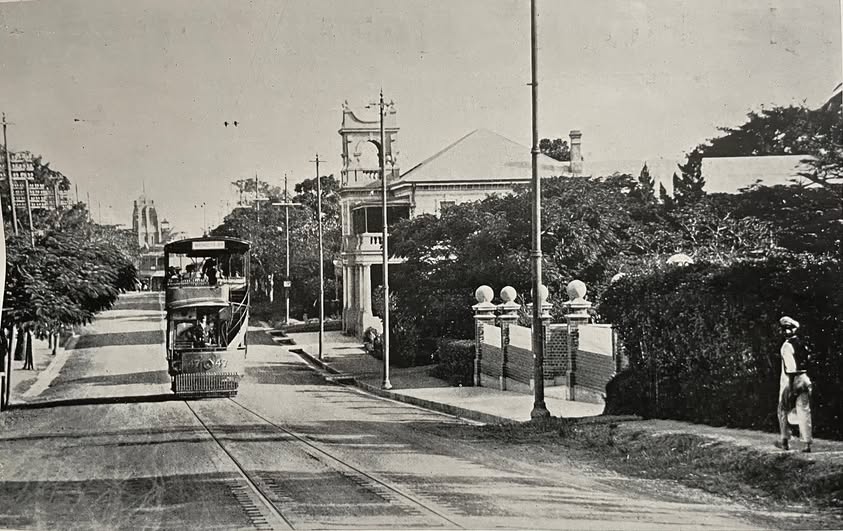
Musgrave Road in 1909. Police station to the right of the tram. (R van Wyk)
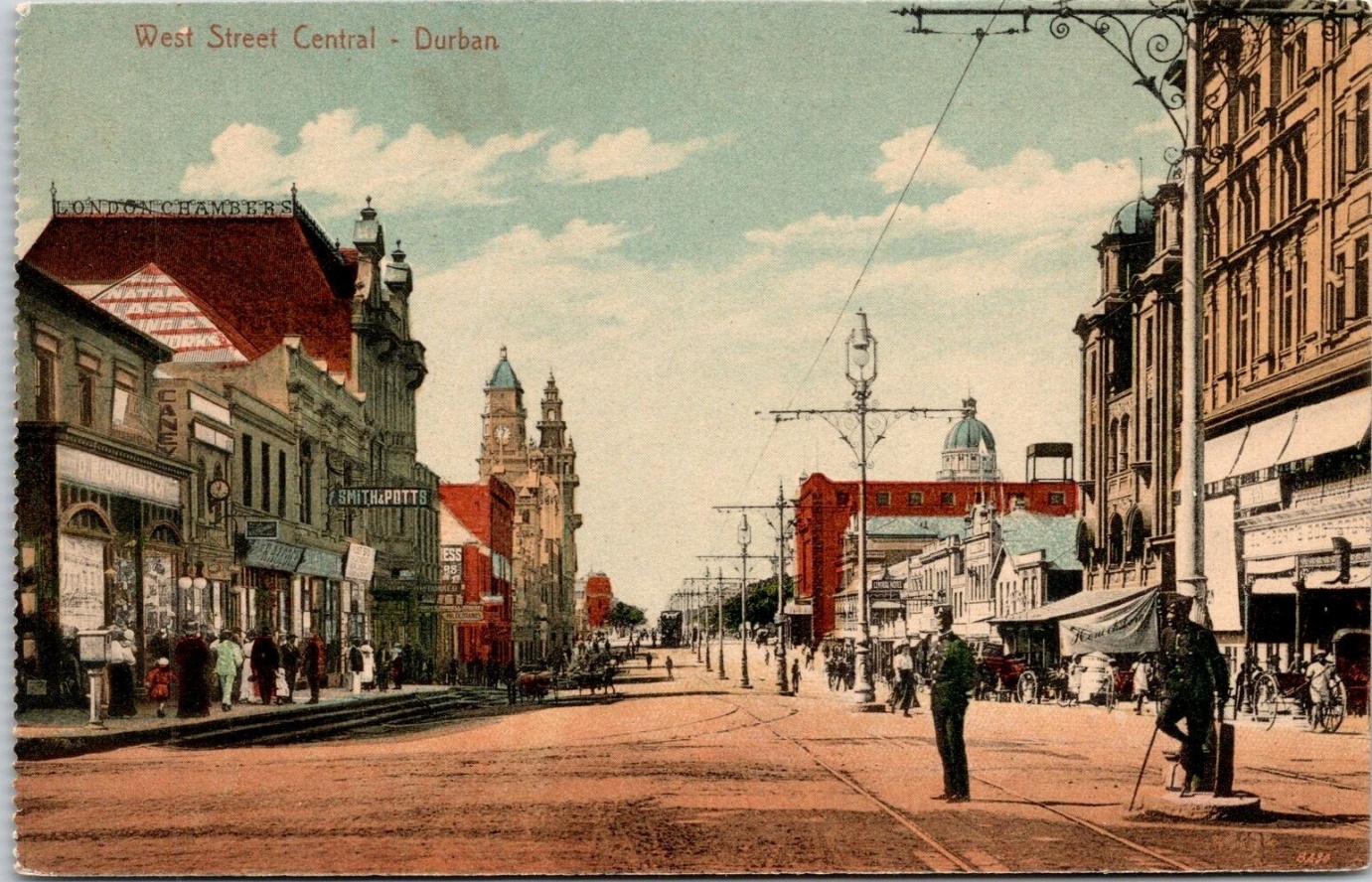
Durban Borough Police in West Street (Durban)
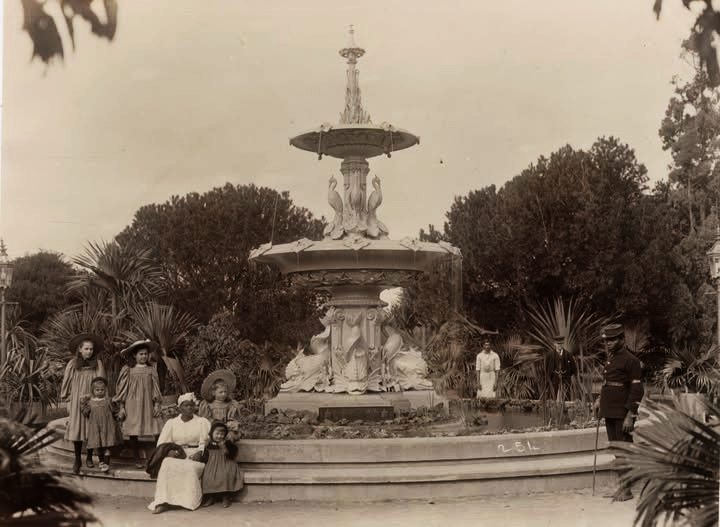
The Jubilee Fountain, Farewell Square, Town Gardens, Durban. (R van Wyk)
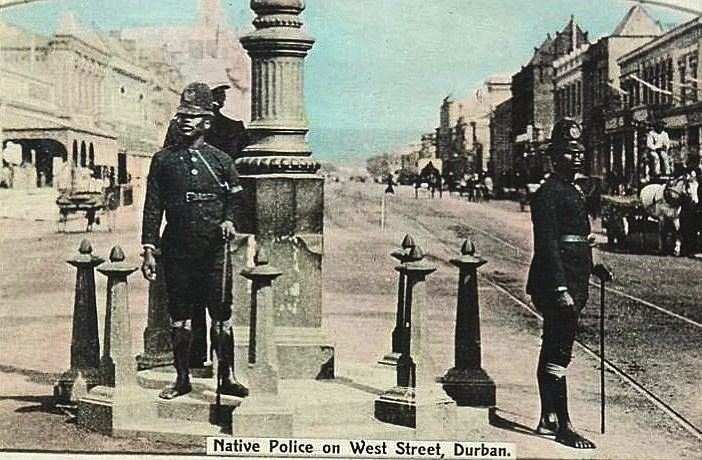
Barefoot Police on duty in West Street. (R van Wyk)
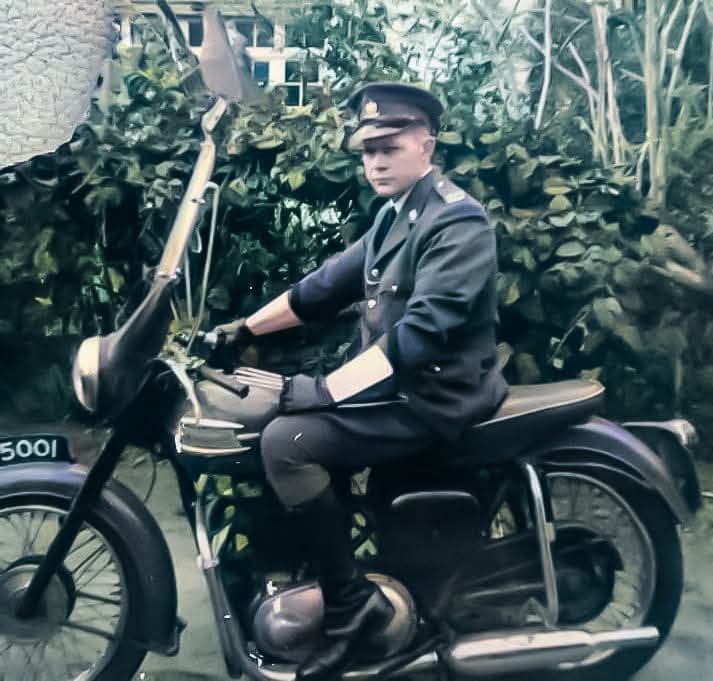
Photo: D Newcombe
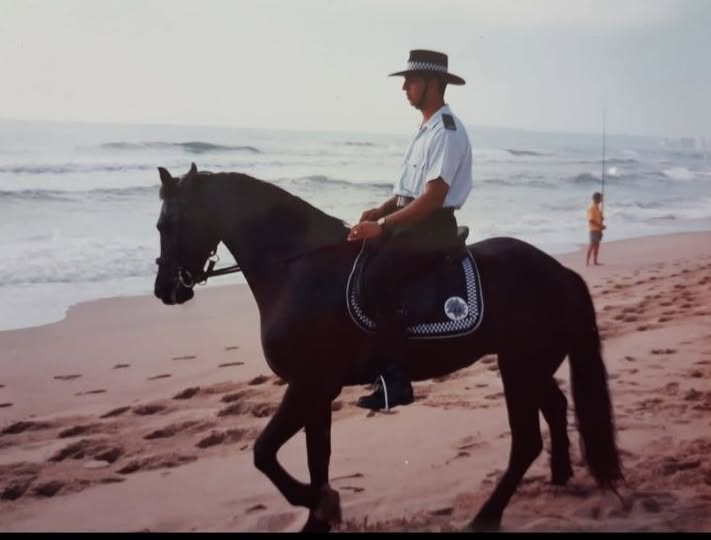
Photo: D Newcombe
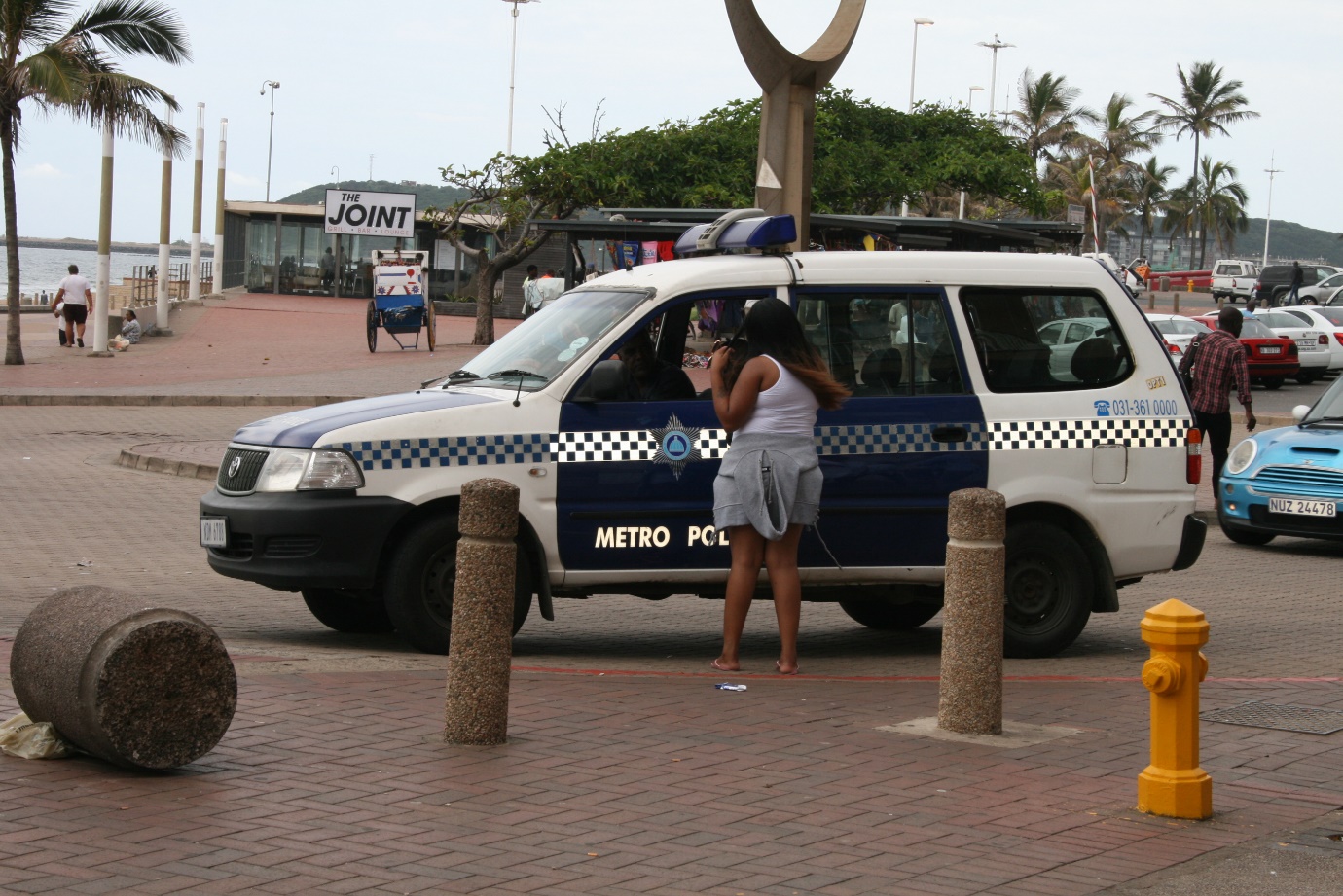
Durban Metro Police (Photo HBH).
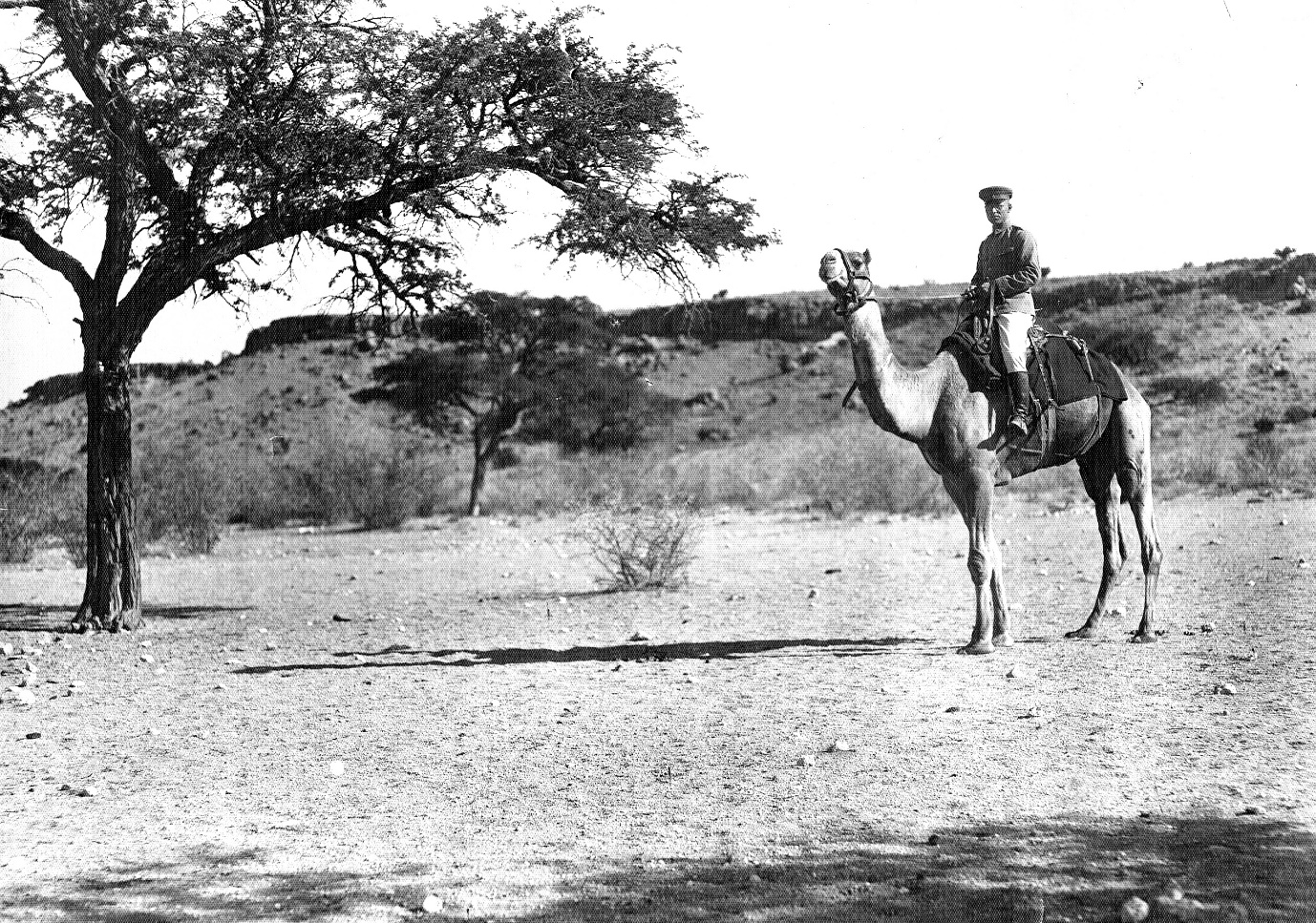
1900: German Police: German South West Africa
1899 – 1902: Anglo Boer War
Lest we forget!!!
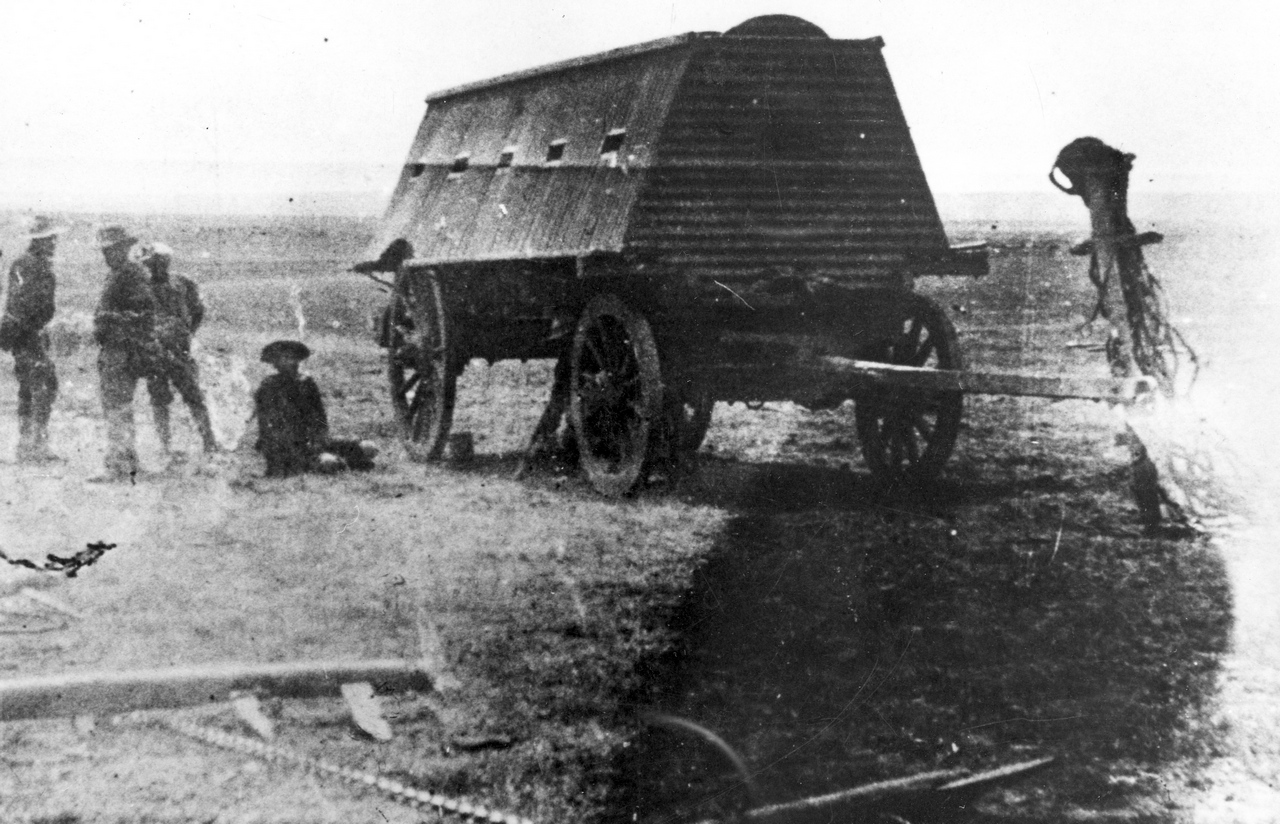
An Armoured Ox Wagon.
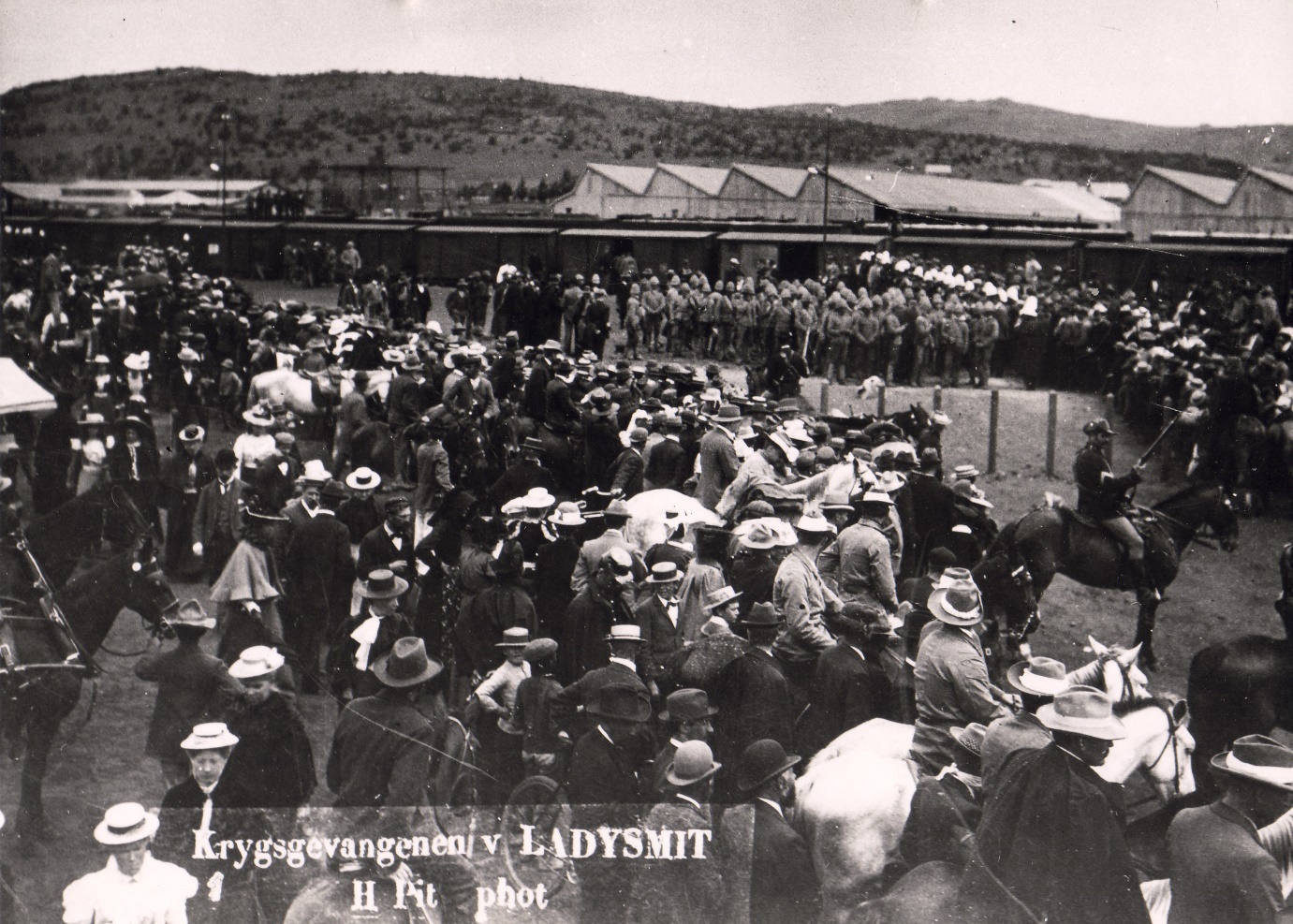
British POW’s arrive at Pretoria railway station.
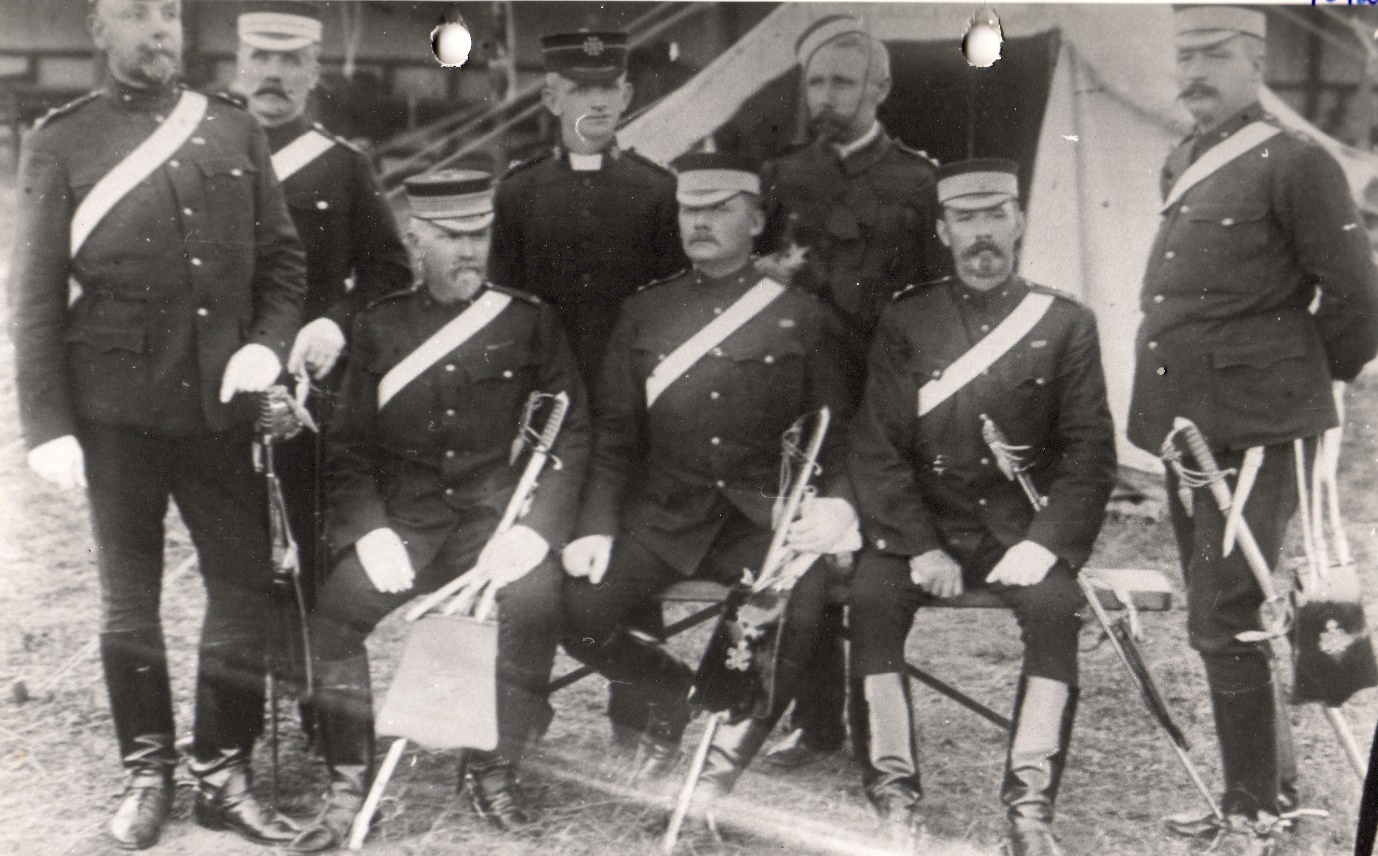
Hoofkwartier van die Vrywillige Korps personeel Natal ABO
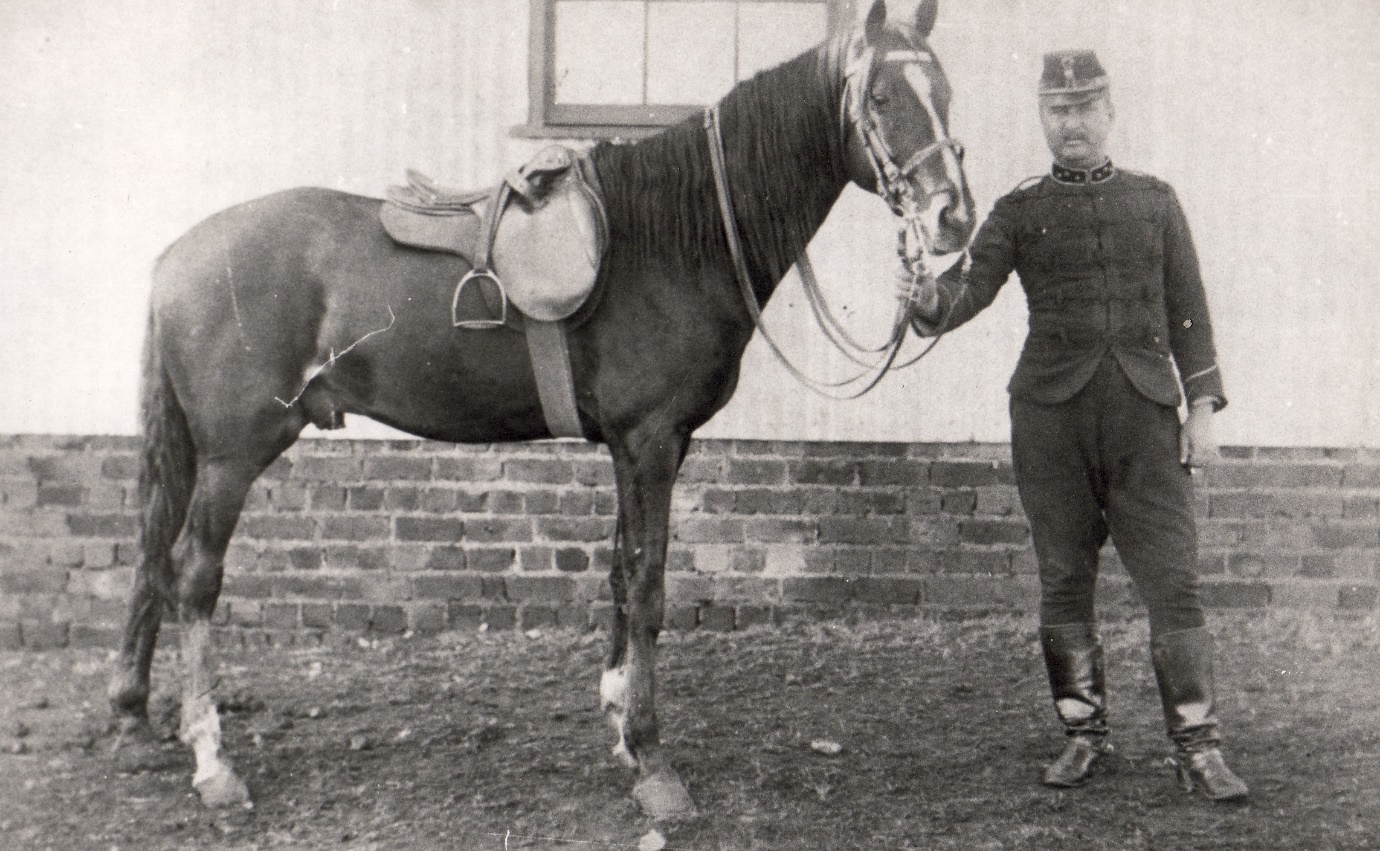
Maj Erasmus of the Staatsartillerie
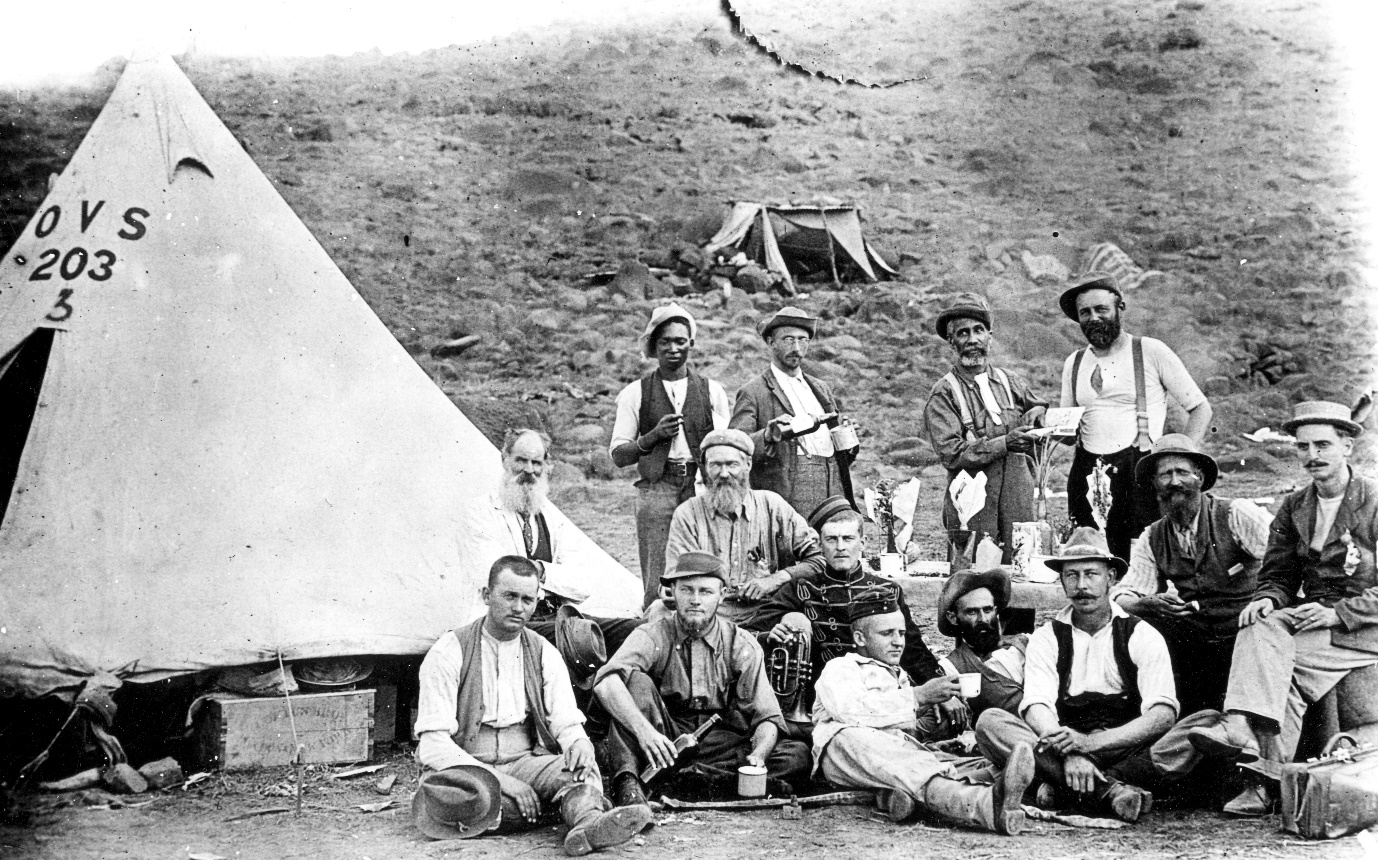
Free State burgers in Natal
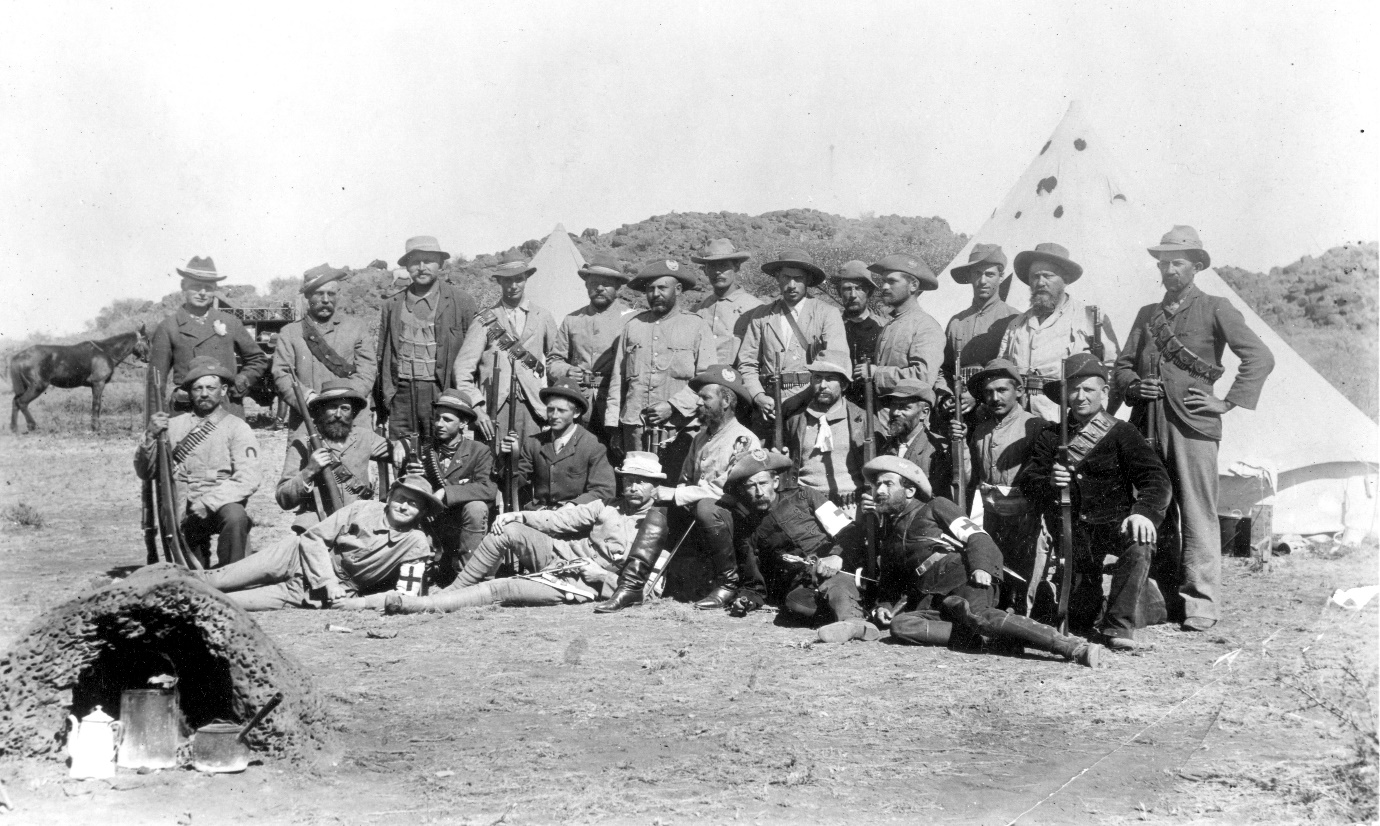
Free State burgers in Natal cooking in an antheap.
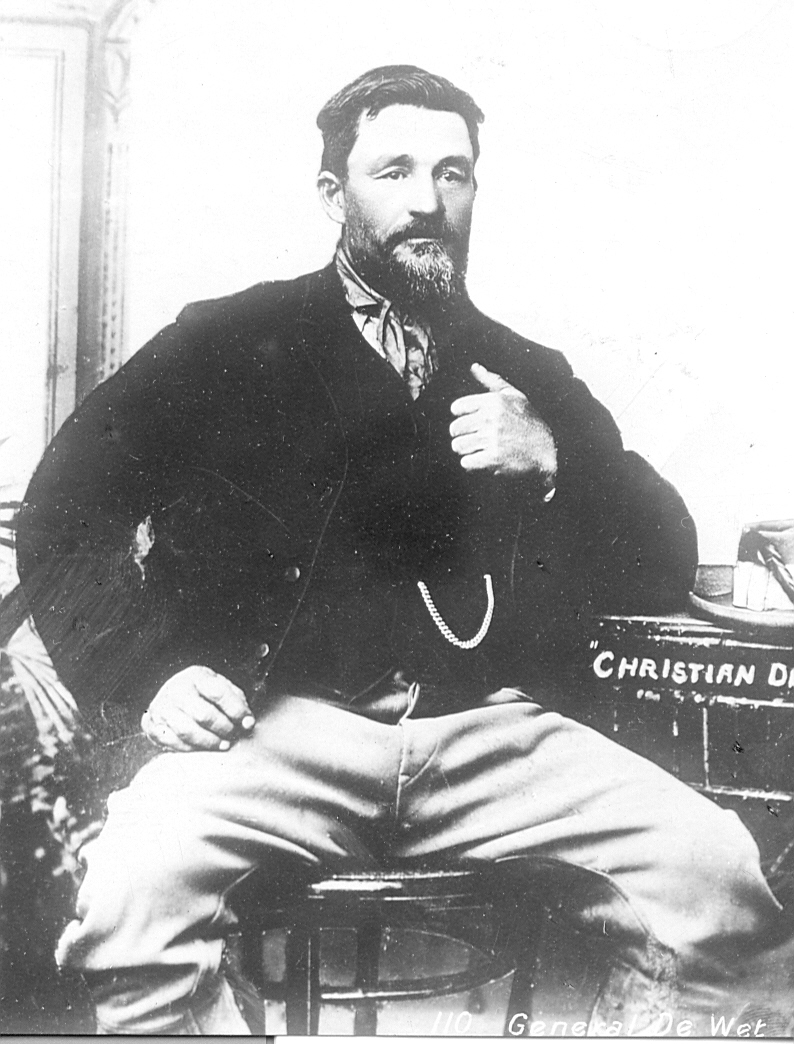
Gen CR de Wet of the Free State
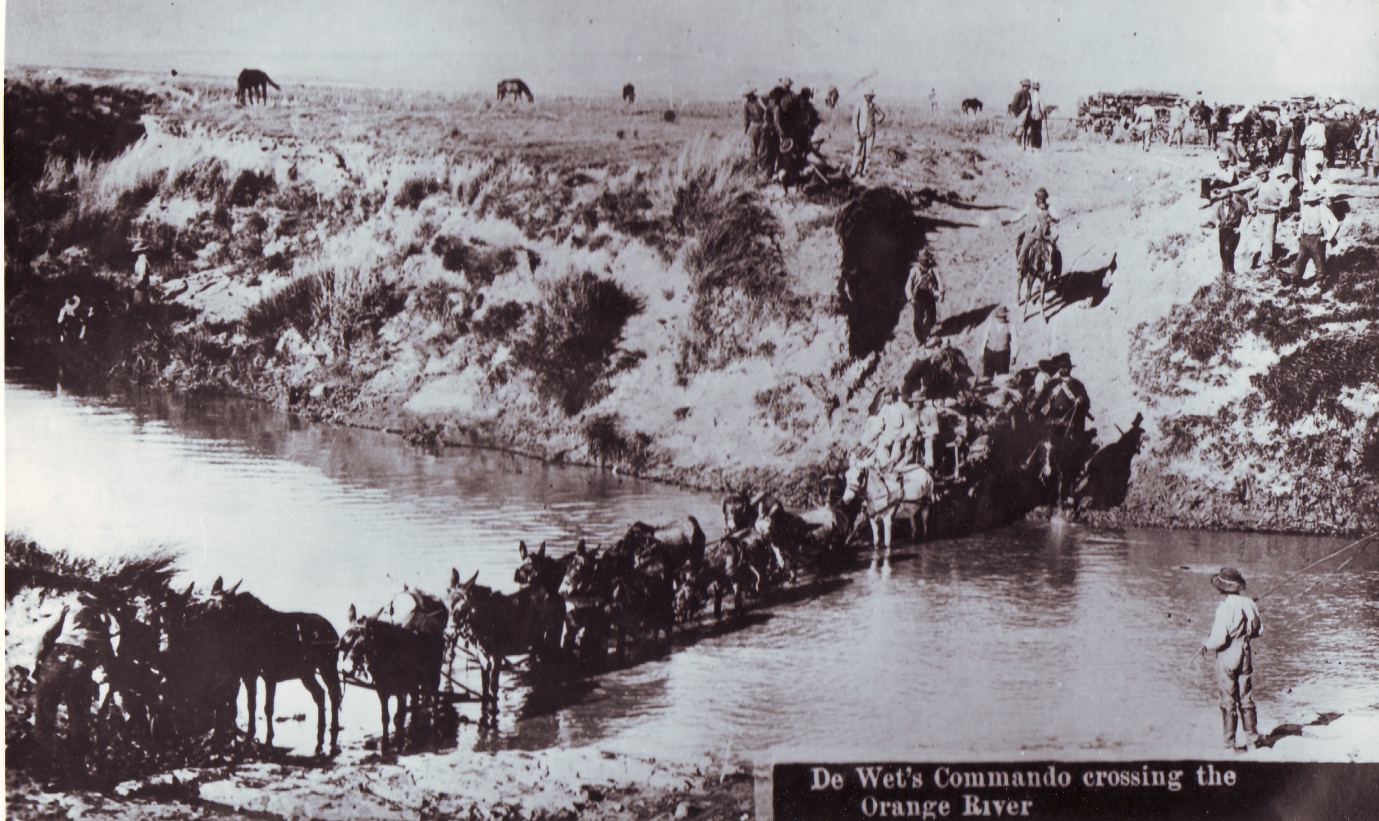
Gen CR de Wet crossing the Orange River.
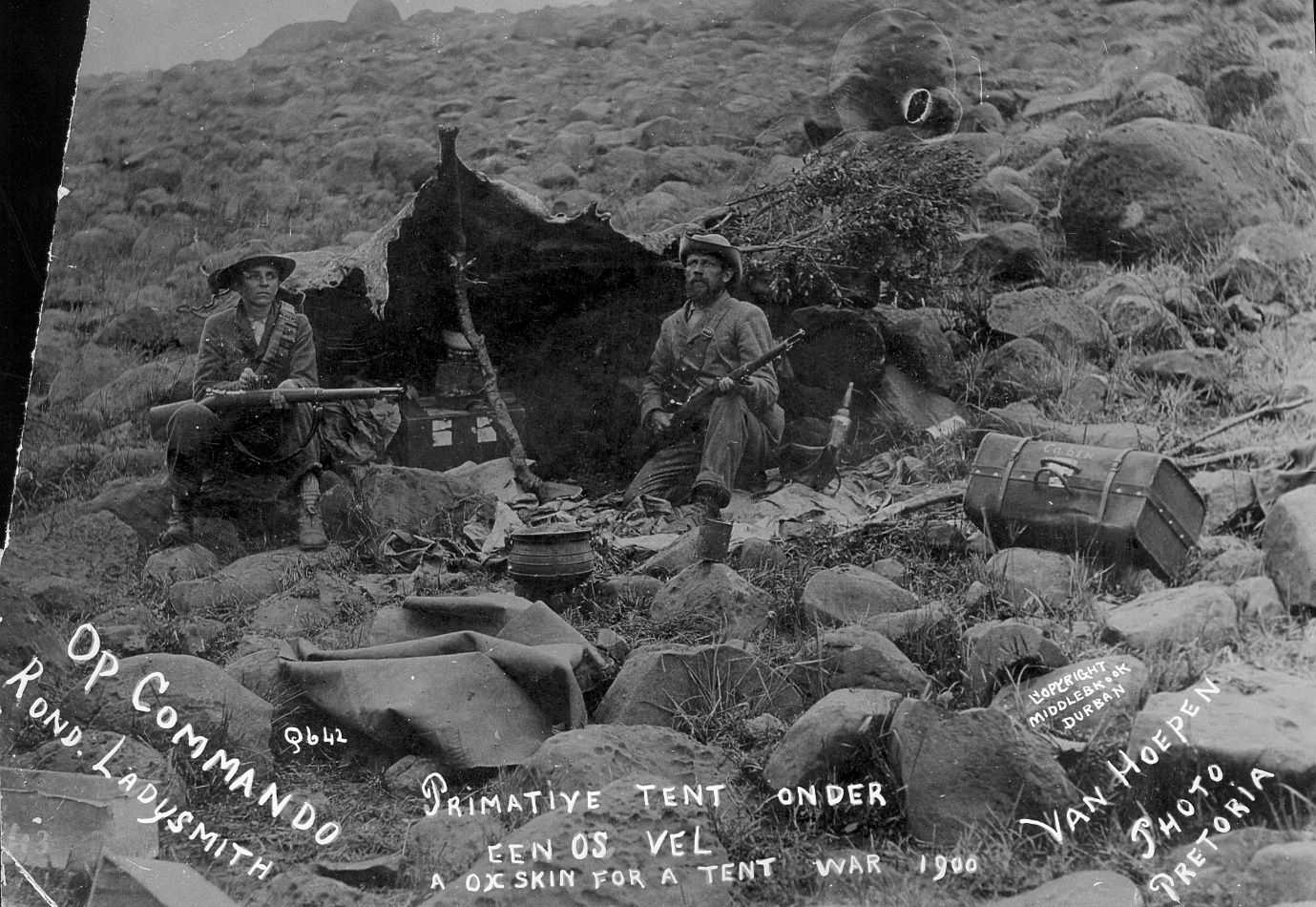
Natal front: Using an ox hide as a tent…

British troops near Swinburne in the Free State.
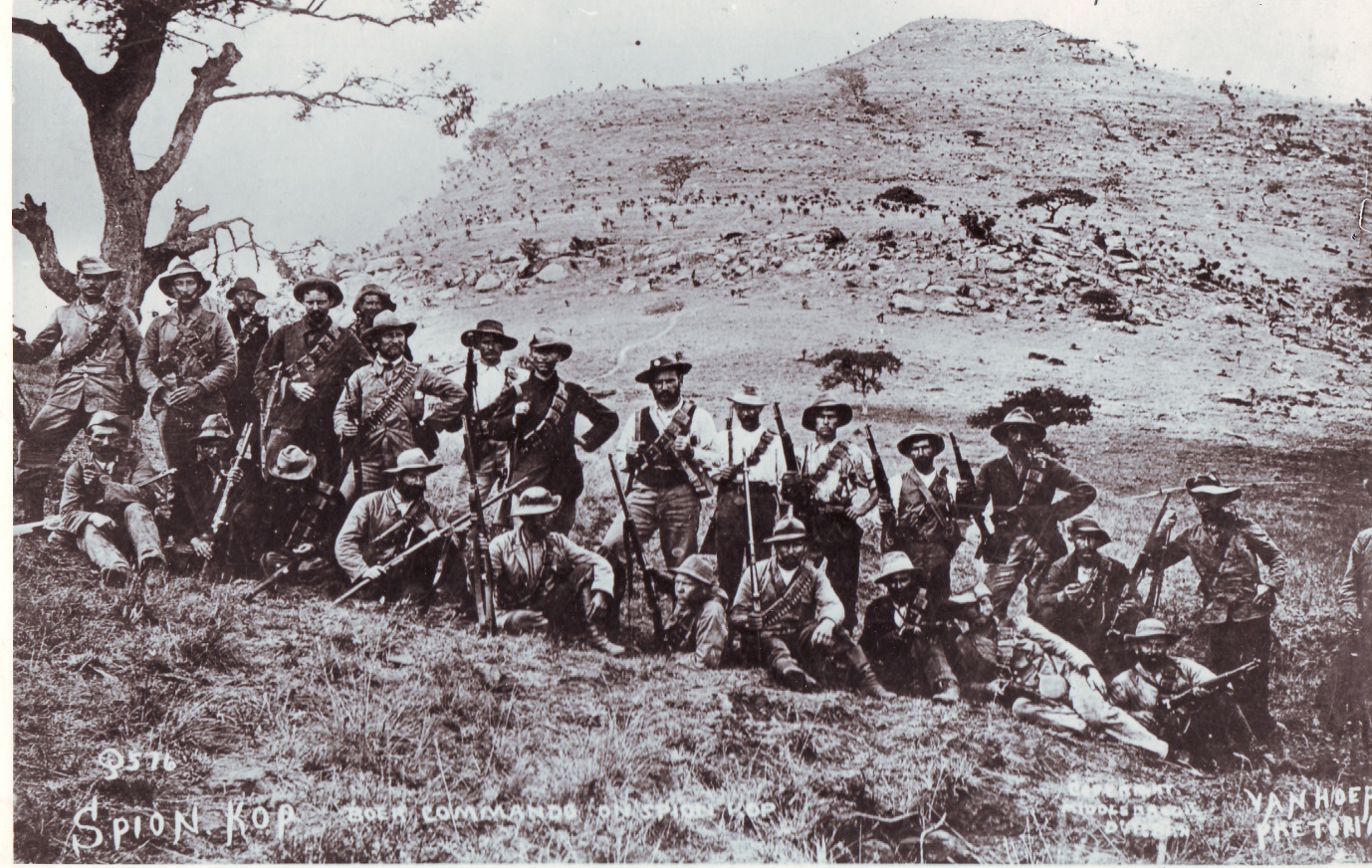
Boer forces at Spioenkop
1913: SA POLICE & UNION DEFENCE FORCE: RIOTS: WITWATERSRAND

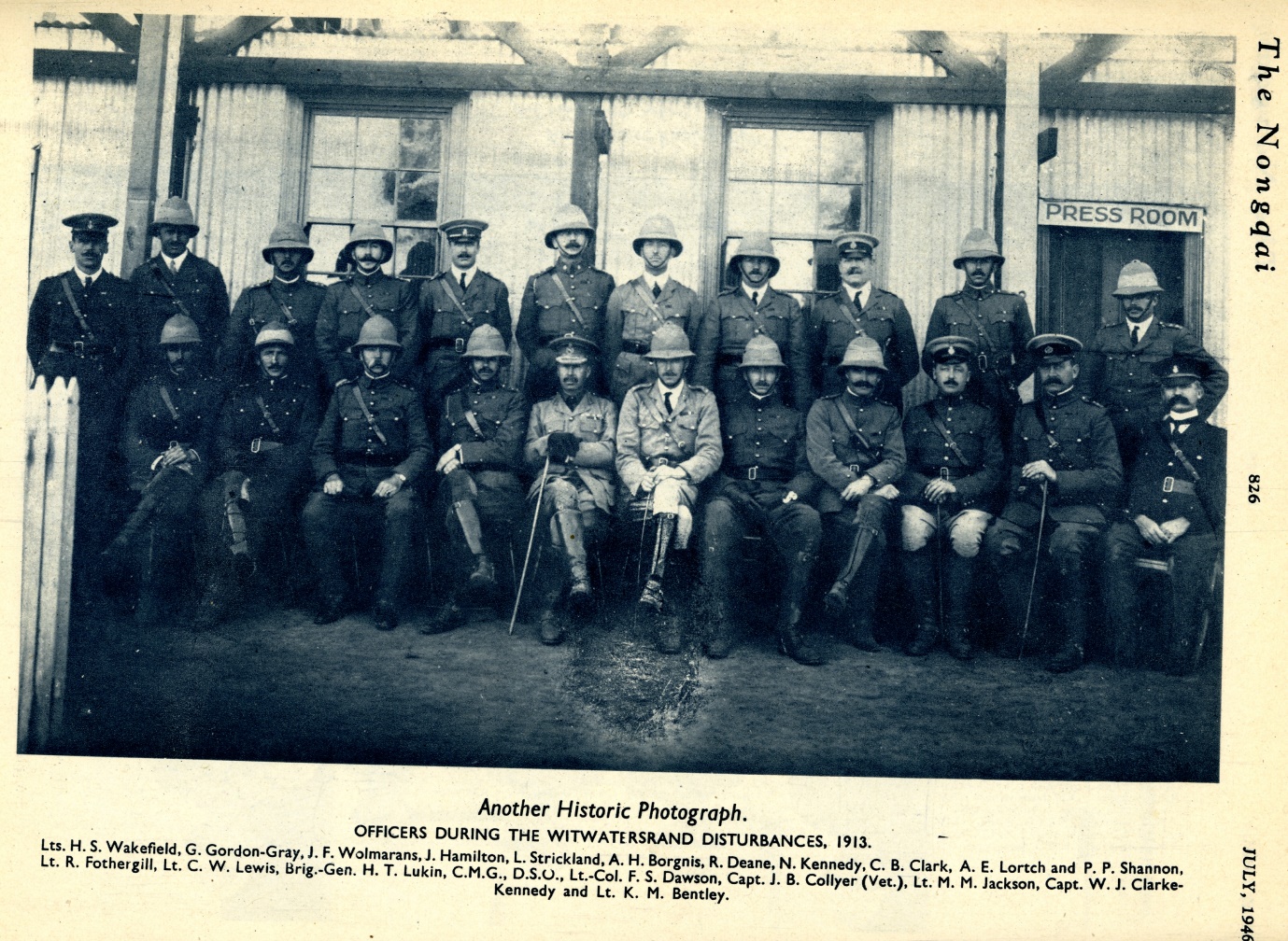
The Nongqai July 1946 page 826.
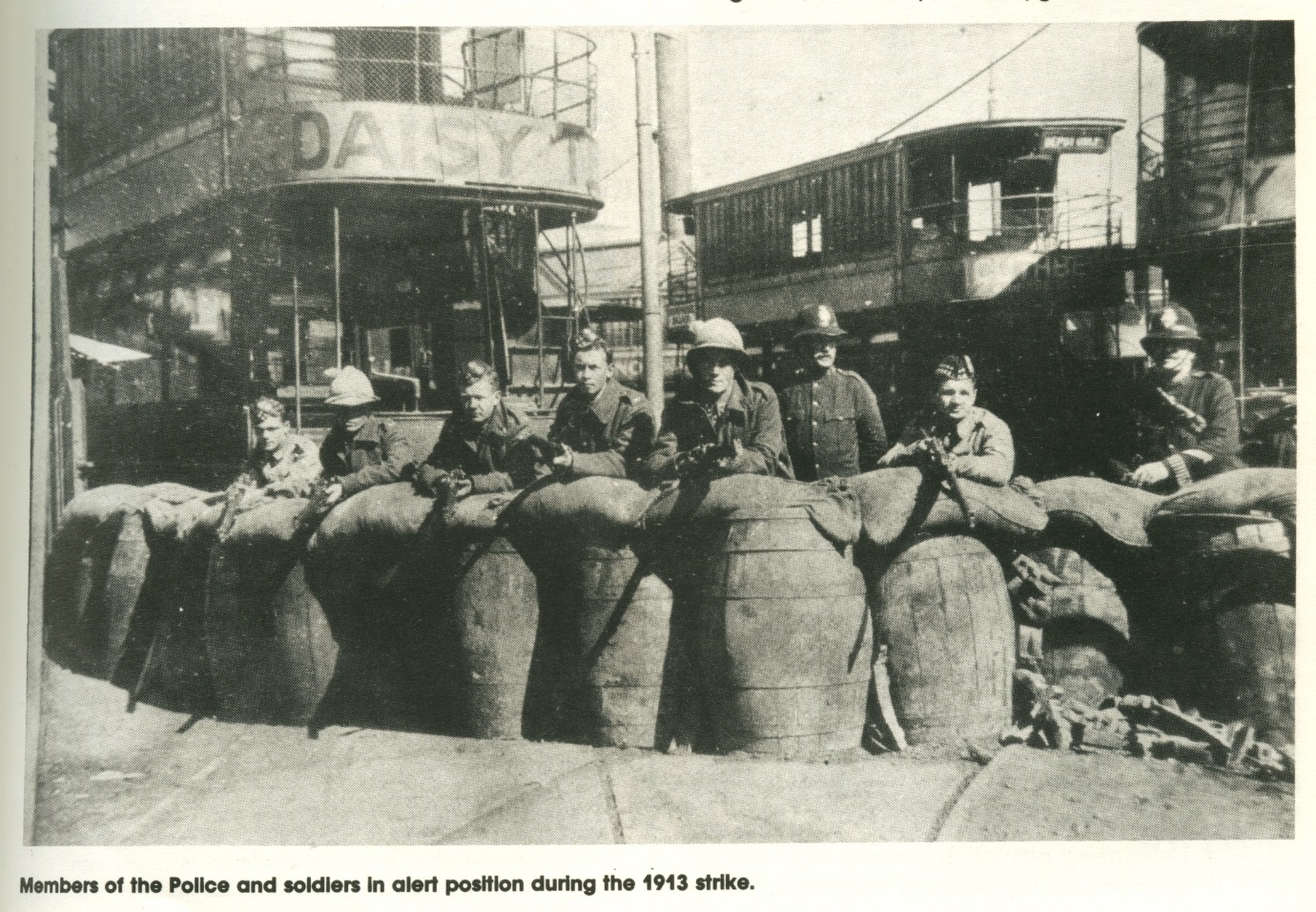
[SAP 1913 – 1983]
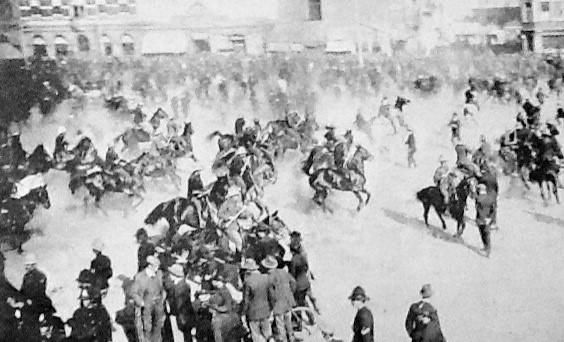
1913 Mineworkers Strike – New Kleinfontein mine in May 1913. It escalated into a general strike involving over 18,000 workers.
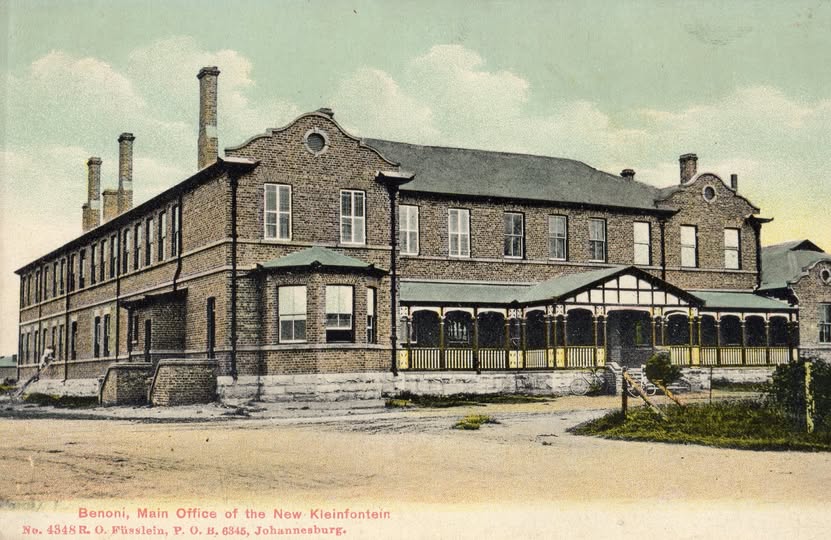
New Kleinfontein Main Office
Scan of 1913 Historical Document

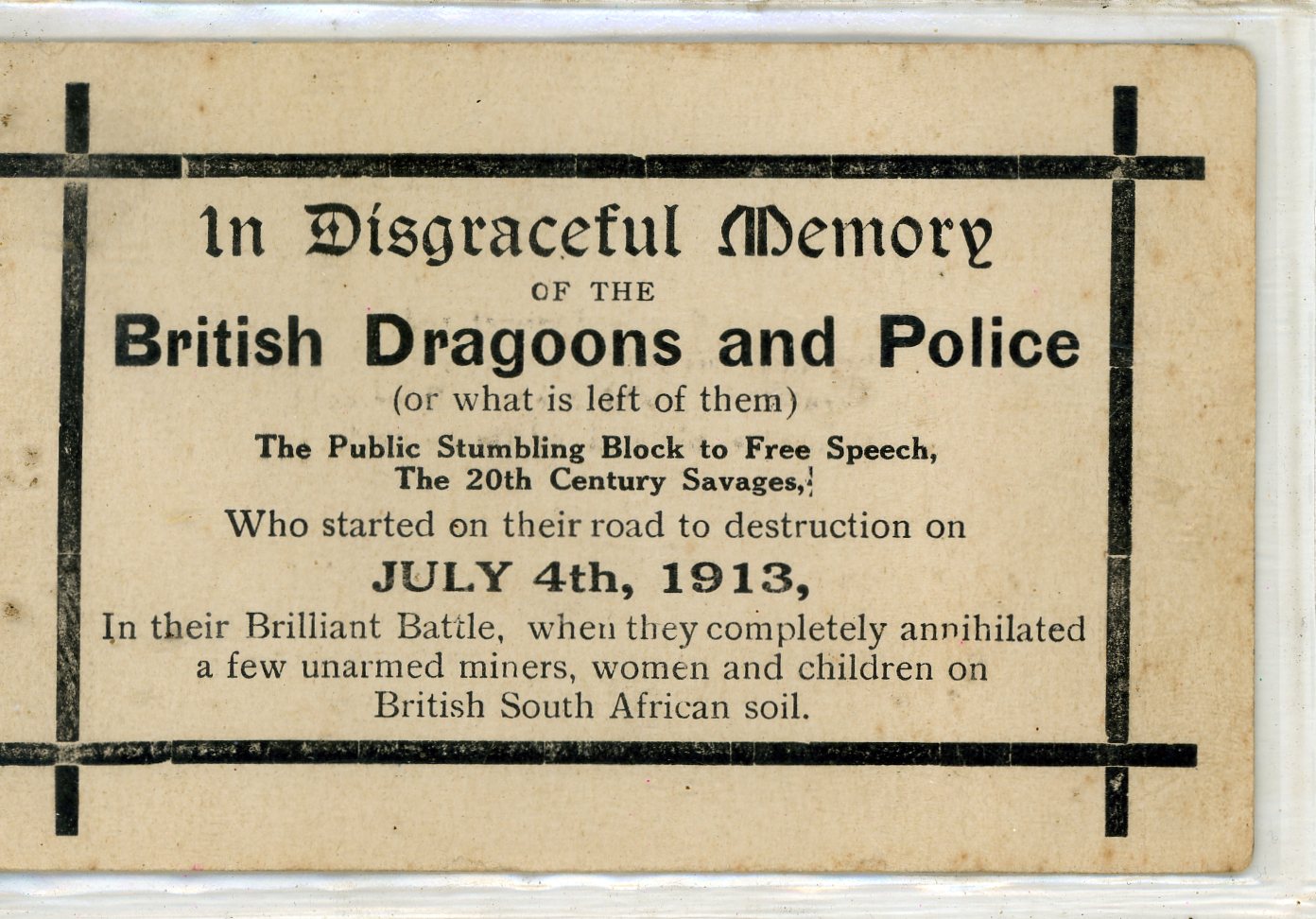
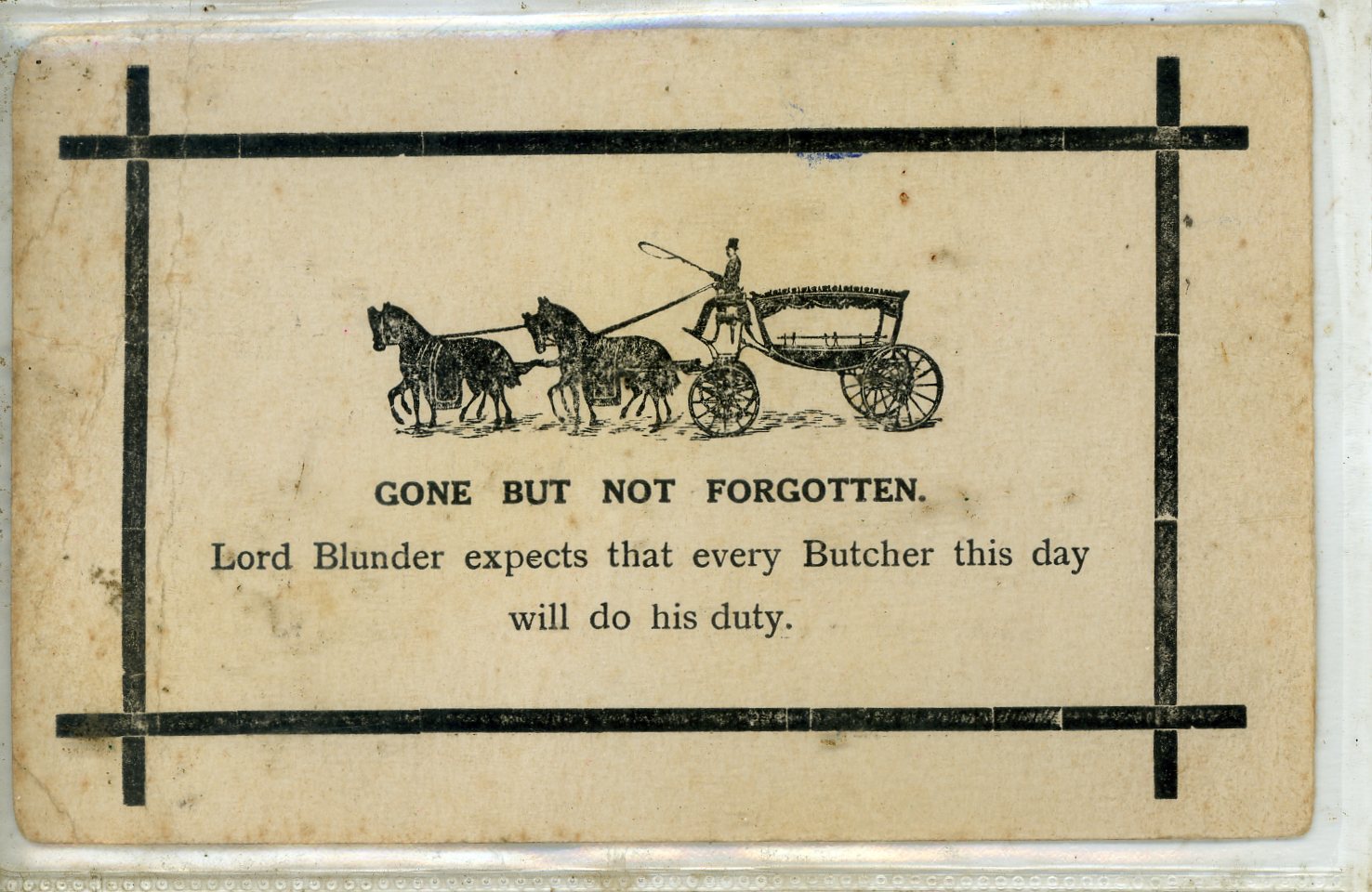
The Red Flag
1930’s SAR Bus and SWA Police Camel
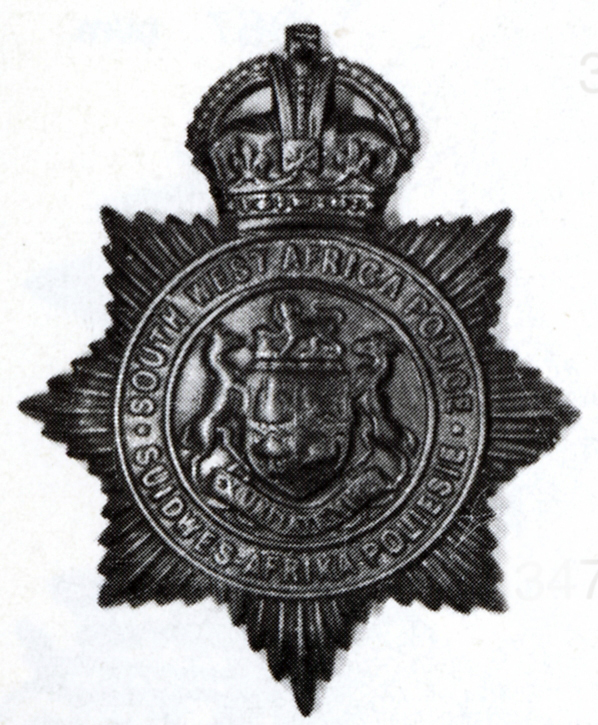

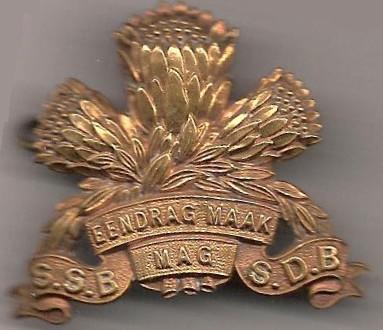
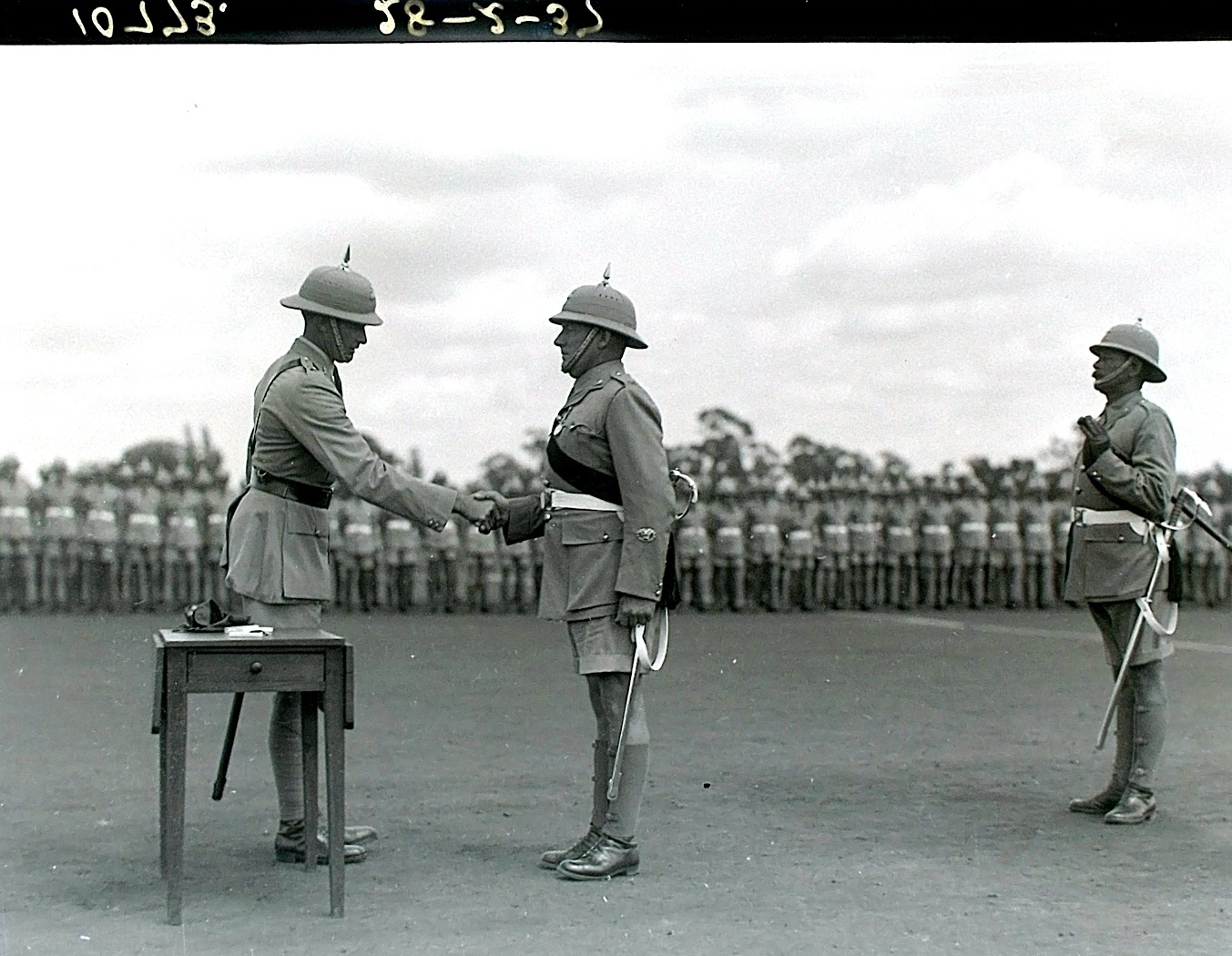
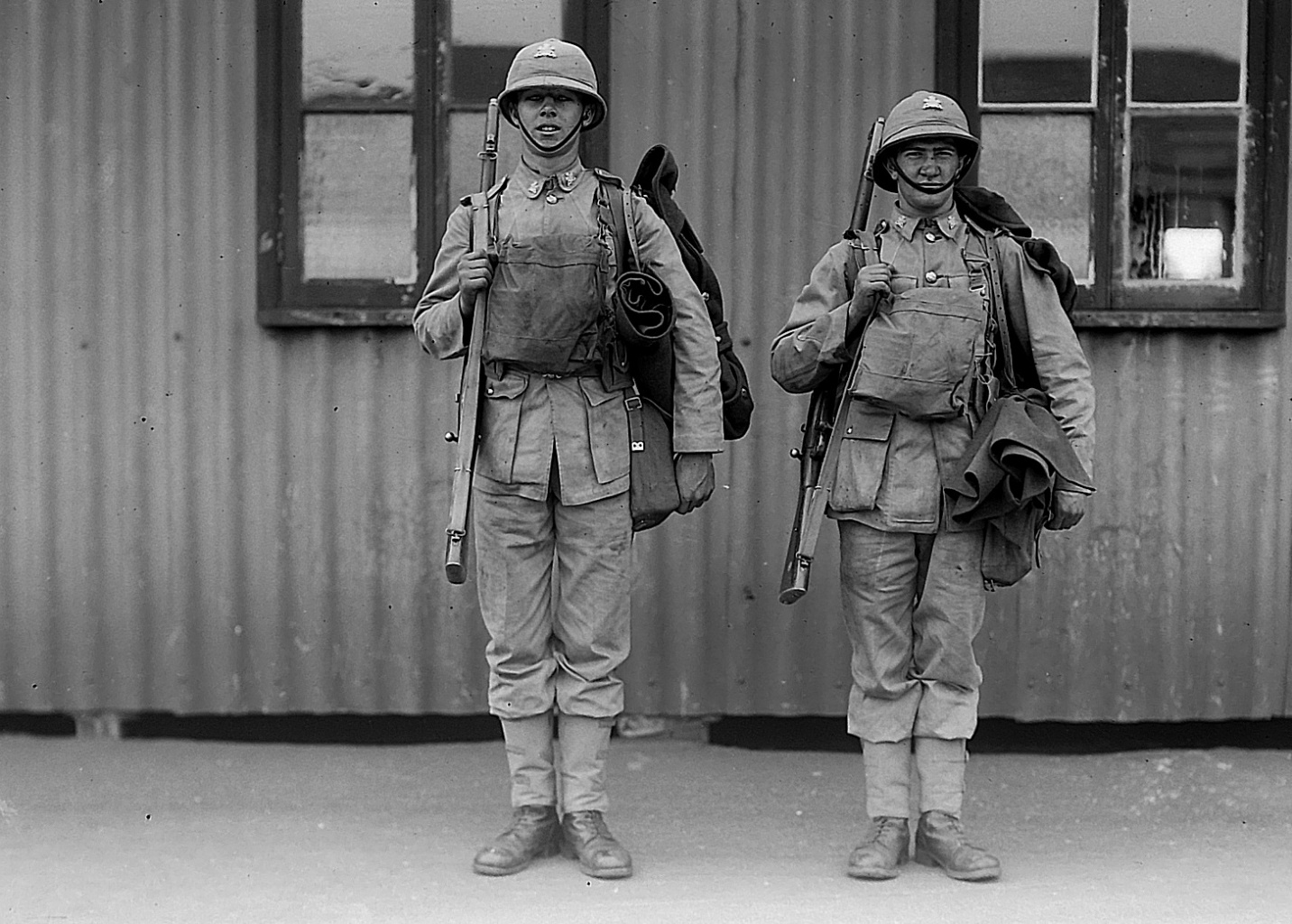
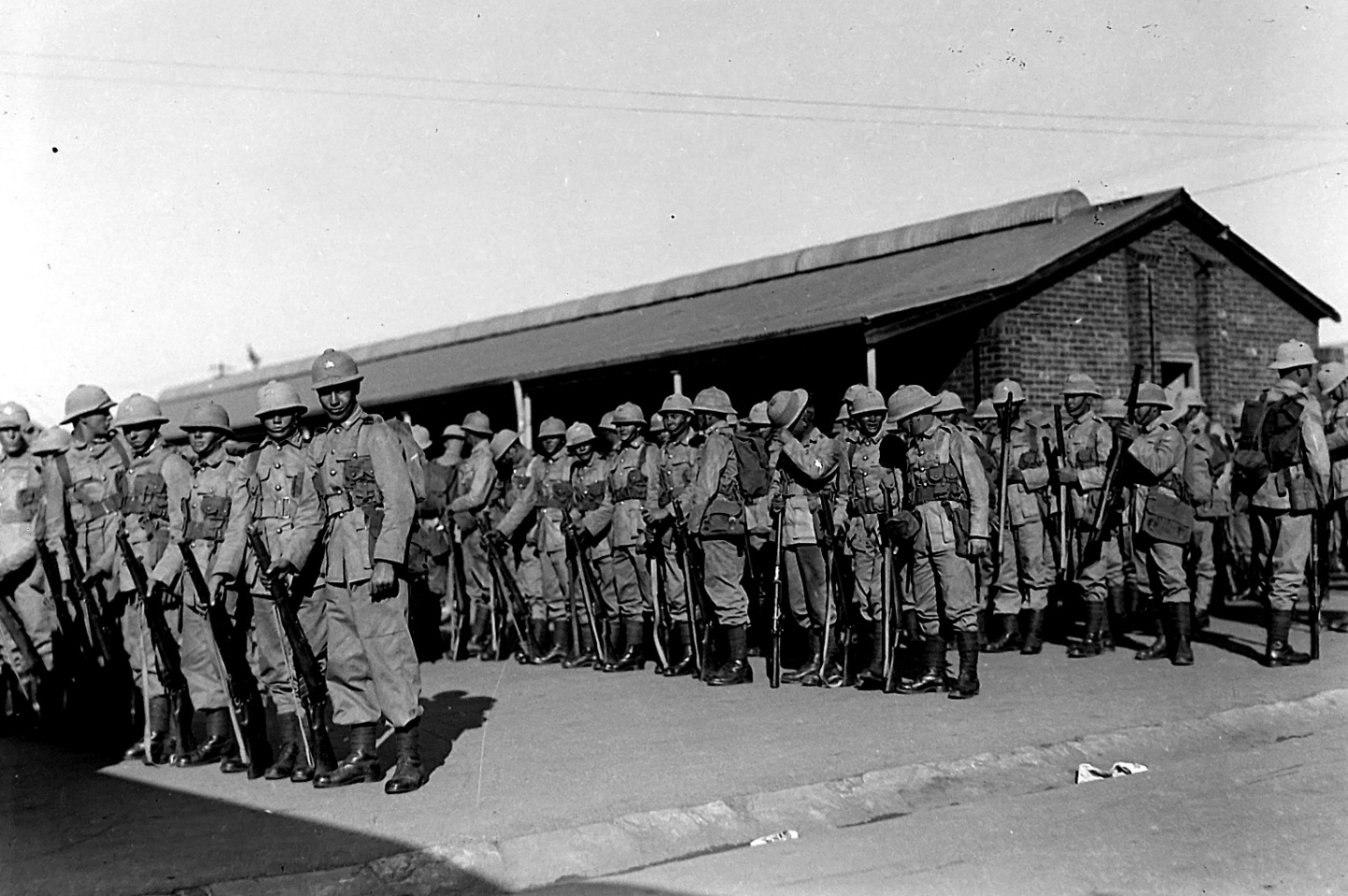
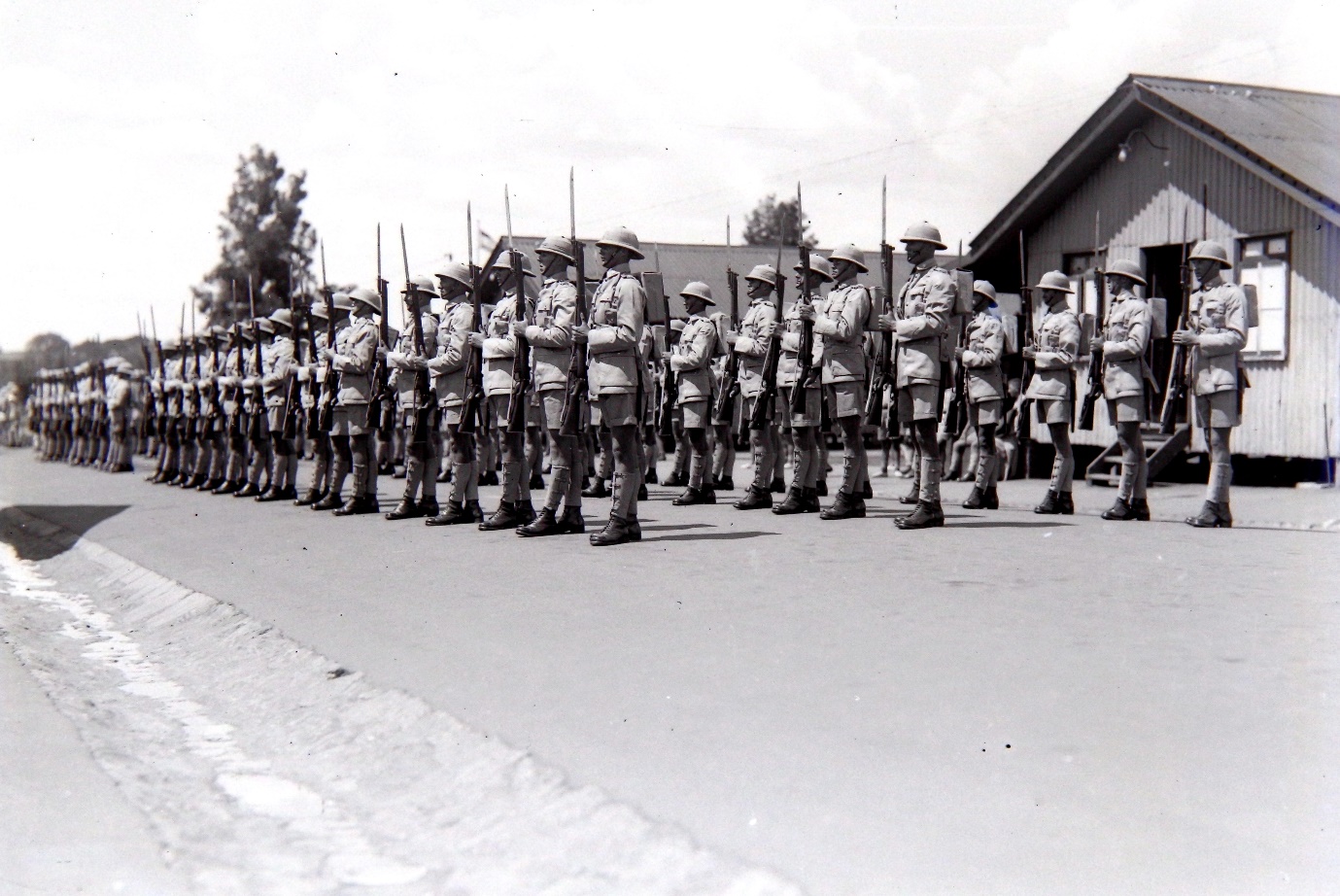
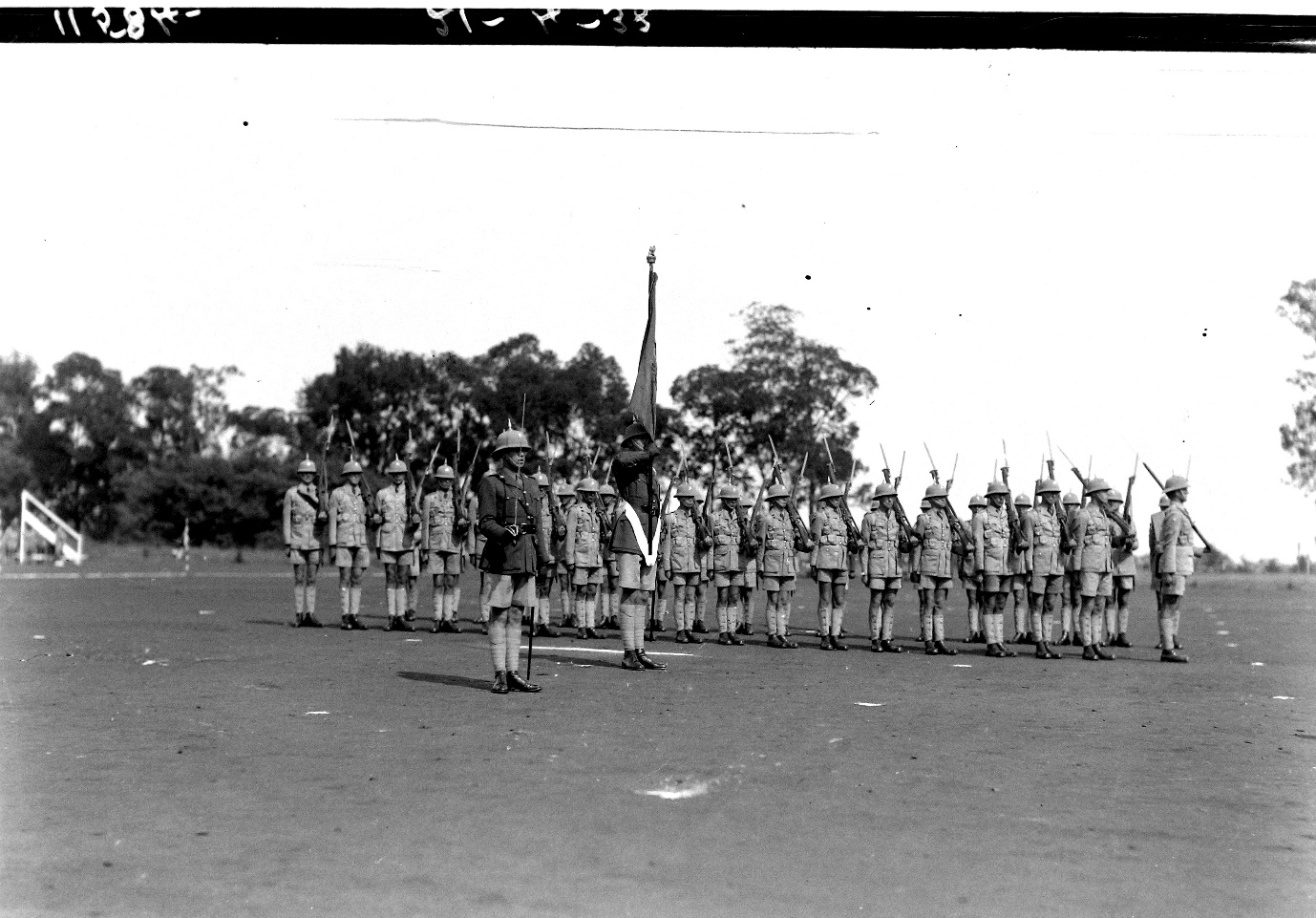
1930’s Union Defence Force: Special Service Battalion