Wharf Police, NZ – Nongqai Vol 17 No 5
WELLINGTON’S WHARF POLICE – GUARDIANS OF THE WATERFRONT
Jennifer Bosch

For more than a century, Wellington’s waterfront has had its own dedicated police presence, reflecting the importance of the harbour to the city’s economy, trade, and public life. Records show Wharf Police were operating by 1917, although policing on the wharves likely began even earlier in the late 1800s.
In the early days, Wellington’s waterfront was a bustling working port filled with sailing ships, cargo vessels, sailors, labourers, and merchants. Alongside legitimate trade came crime and disorder. Wharf Police dealt with theft, smuggling, gambling, assaults, prostitution, and the protection of Harbour Board property. They also enforced harbour bylaws and helped maintain order during major industrial disputes, including the bitter waterfront strikes of 1913 and 1951.
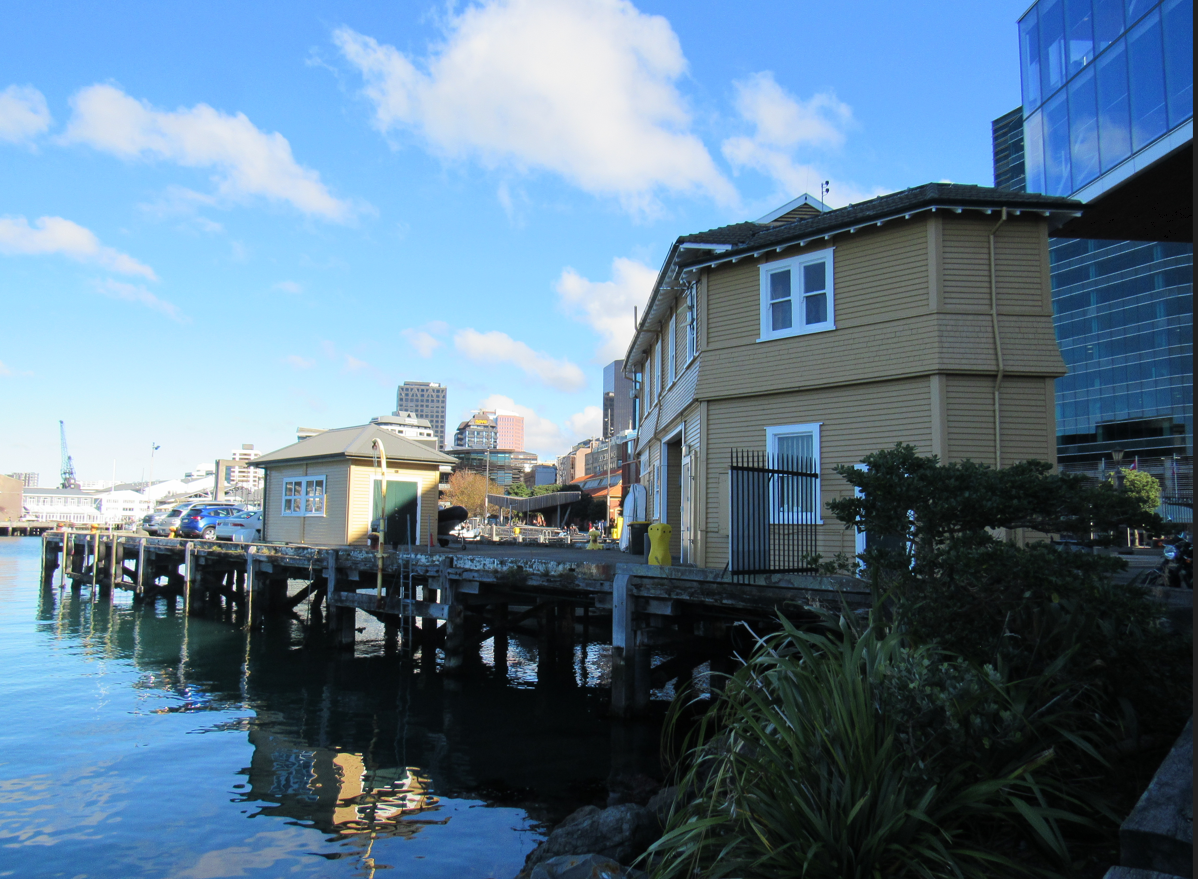
The Wharf Police headquarters operated from Shed 17 on the waterfront between 1917 and 1983. At their peak during the 1940s, the unit consisted of around 23 officers led by a sub-inspector. Their most important task was preventing cargo pilfering, especially during World War II when valuable military supplies moved through Wellington Harbour.
A major turning point came during WWII with the creation of the Police Launch Service in 1941. Before then, Wharf Police mainly operated on land. The first police launch, Lady Elizabeth, was a converted pleasure boat requisitioned for wartime service. Over the decades, several successors carried the same name and became well known around Wellington Harbour for rescue work and maritime patrols.
The most tragic chapter in the service’s history occurred in July 1986 when Lady Elizabeth II capsized near the entrance to Wellington Harbour during a training exercise. Two officers, Constable Glen Hughes and Senior Sergeant Phil Ward, lost their lives.
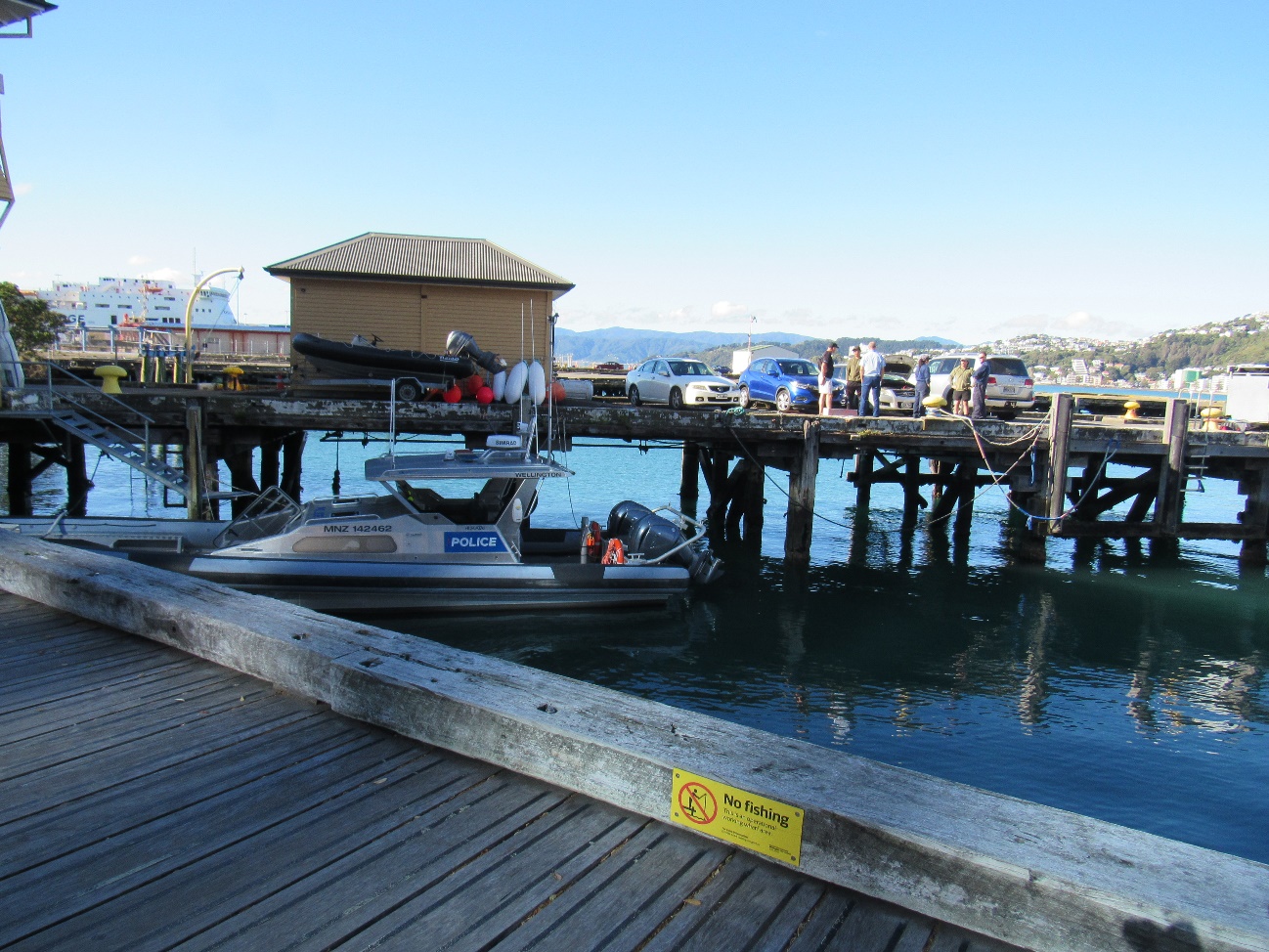
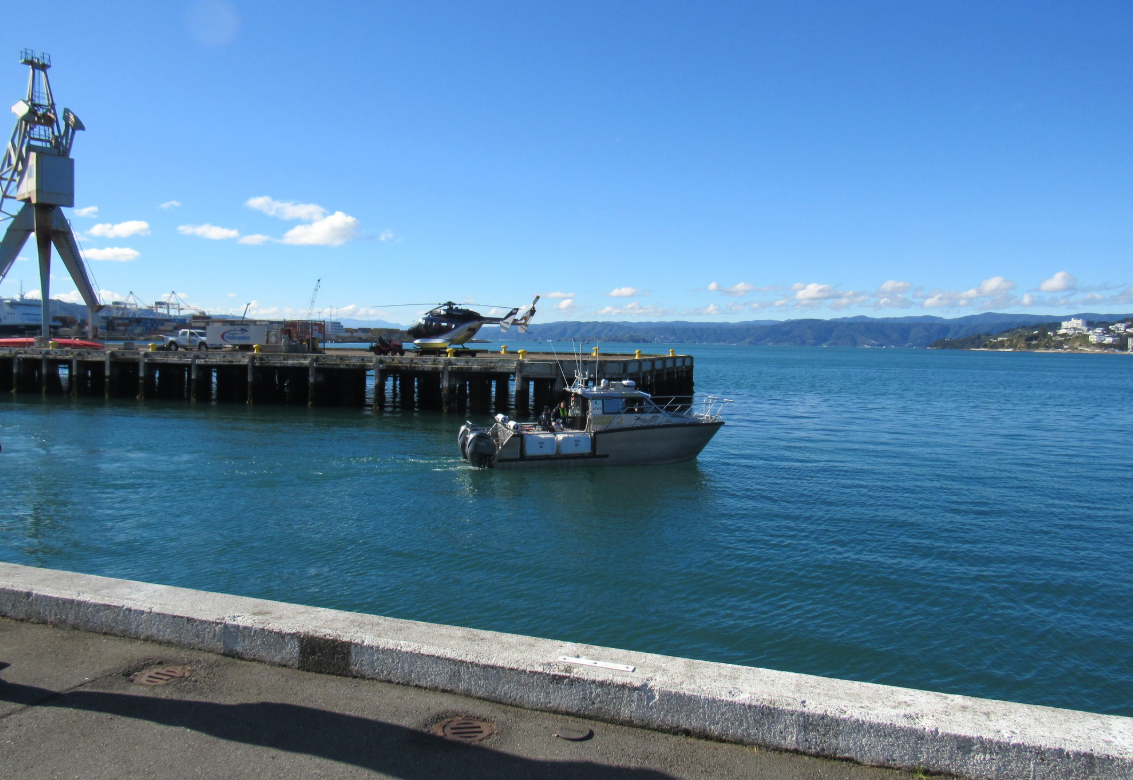
The next vessel, Lady Elizabeth III, entered service in 1989 and became a familiar sight on the harbour, carrying out search-and-rescue operations in often dangerous conditions. In 2010, the modern Lady Elizabeth IV arrived — an 18.5-metre catamaran designed as a multi-agency patrol vessel working alongside Customs, Fisheries, and the Department of Conservation.
Today, although Wellington’s waterfront has transformed from an industrial port into a recreational and cultural precinct, the legacy of the Wharf Police remains an important part of the city’s maritime history. Their story reflects the evolution of Wellington itself — from rough colonial port to modern harbour city.
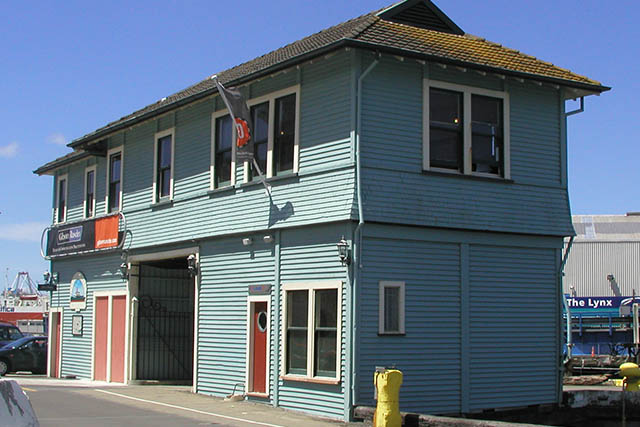
“Source: Wellington City Council and licensed by WCC for re-use under the Creative Commons Attribution 4.0 International licence.”
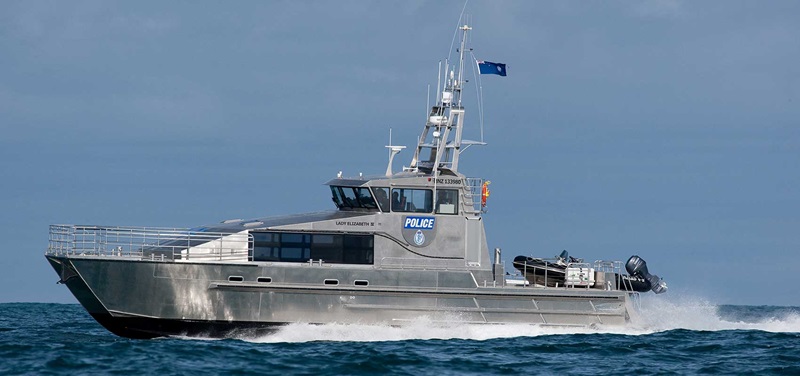
Lady Elizabeth IV
“Source: Wellington City Council and licensed by WCC for re-use under the Creative Commons Attribution 4.0 International licence.”
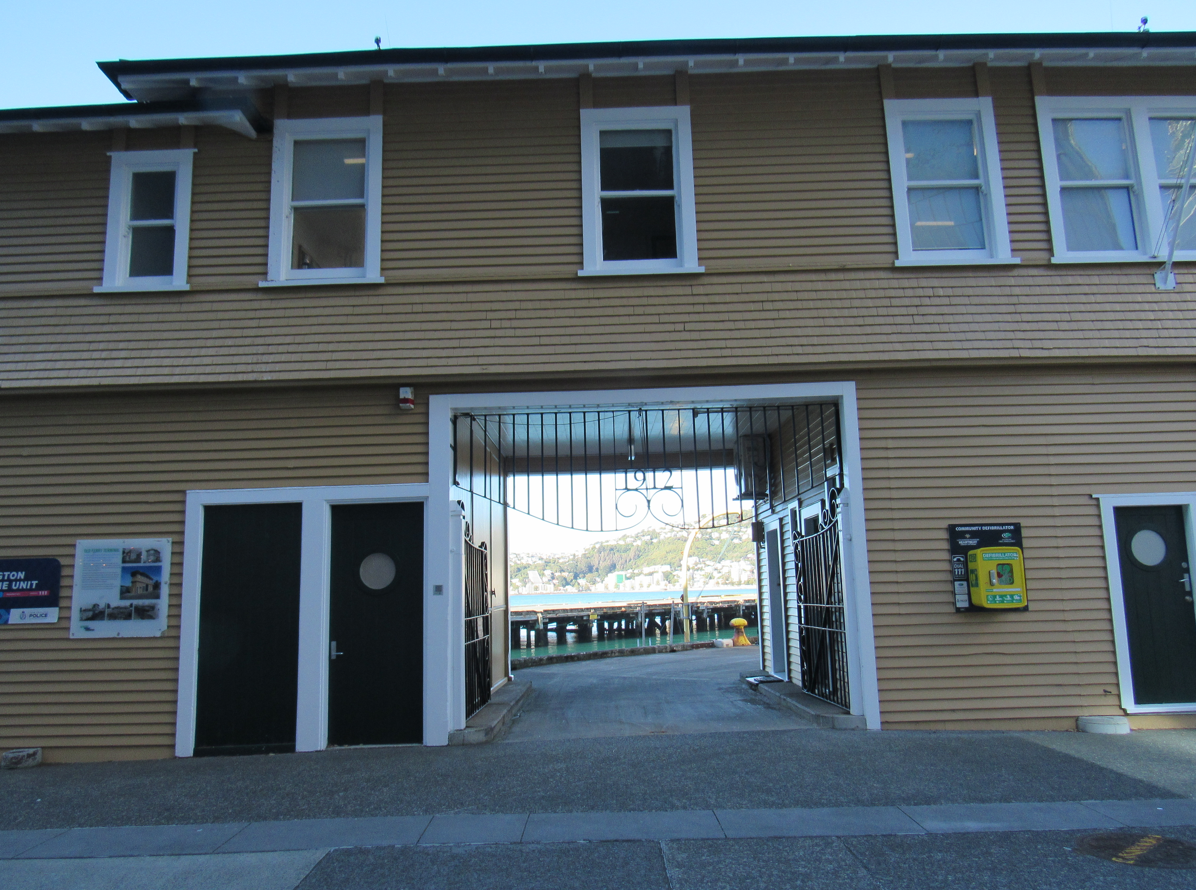
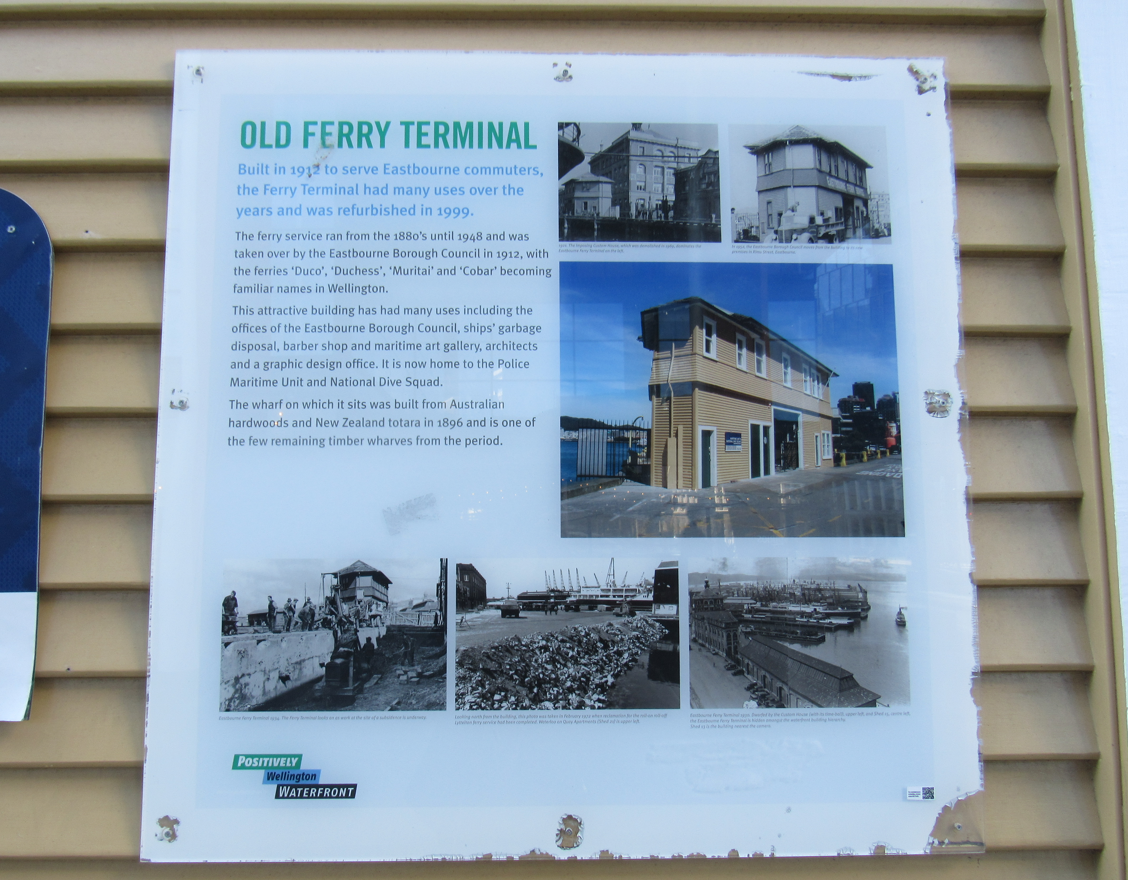
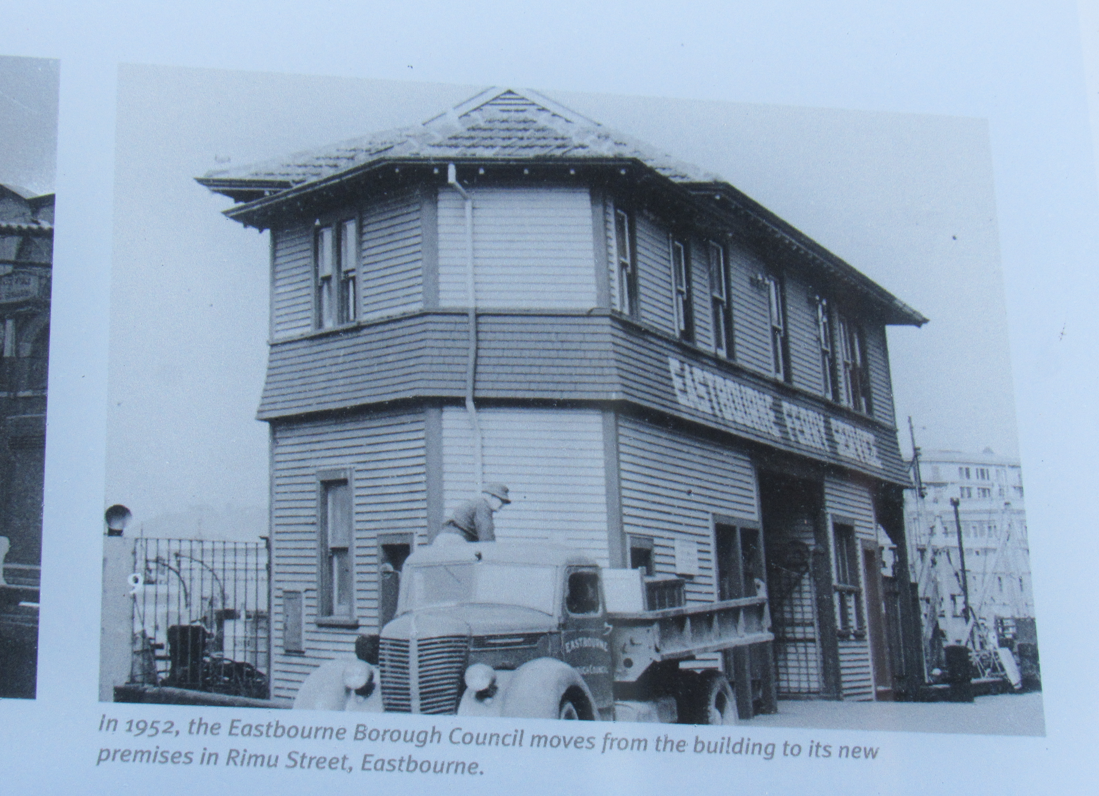
The Following Photos were taken by myself- 19 May, 2026