
Whispers of War – Nongqai Vol 17 No 4
WHISPERS OF WAR – 2: THE EXODUS
Jennifer Bosch

ABSTRACT
This article examines the political tension and population movements that followed the failed Jameson Raid of 1895–1896, focusing on the mass departure of British subjects from the South African Republic (Transvaal). After Dr. Leander Starr Jameson and his officers surrendered and were sent to England for trial, the Raid intensified distrust between Boer authorities and the Uitlander population. As the article notes, “many British settlers no longer believed they could live and work safely in a Boer republic that now treated them as potential traitors.”
The study highlights how British officials, including High Commissioner Alfred Milner, used Uitlander grievances to escalate diplomatic pressure on President Paul Kruger, contributing to the mounting crisis that preceded the Anglo‑Boer War. The article also describes British naval intervention, such as HMS Philomel intercepting the Avondale Castle and forcing it to unload £250,000 in specie, demonstrating Britain’s strategy to restrict Boer access to financial resources.
The exodus itself was dramatic: in September 1899, “6000 Europeans left Johannesburg alone in two days,” with early departures occurring in relative comfort and later refugees travelling in cattle trucks under harsh conditions. By October, both Boer and British forces were mobilising, martial law was imposed, and bullion shipments were seized and redirected. The article argues that this mass movement of people weakened the British “fifth column” within the Transvaal while simultaneously strengthening Britain’s claim that Uitlander rights were endangered, thereby helping to justify the coming war.
KEYWORDS
• Jameson Raid,
• Uitlander crisis,
• Anglo‑Boer War,
• British refugees,
• Transvaal Republic,
• Alfred Milner,
• HMS Philomel,
• Avondale Castle,
• Political tensions 1895–1899,
• British–Boer relations,
• Johannesburg exodus,
• Martial law and mobilisation,
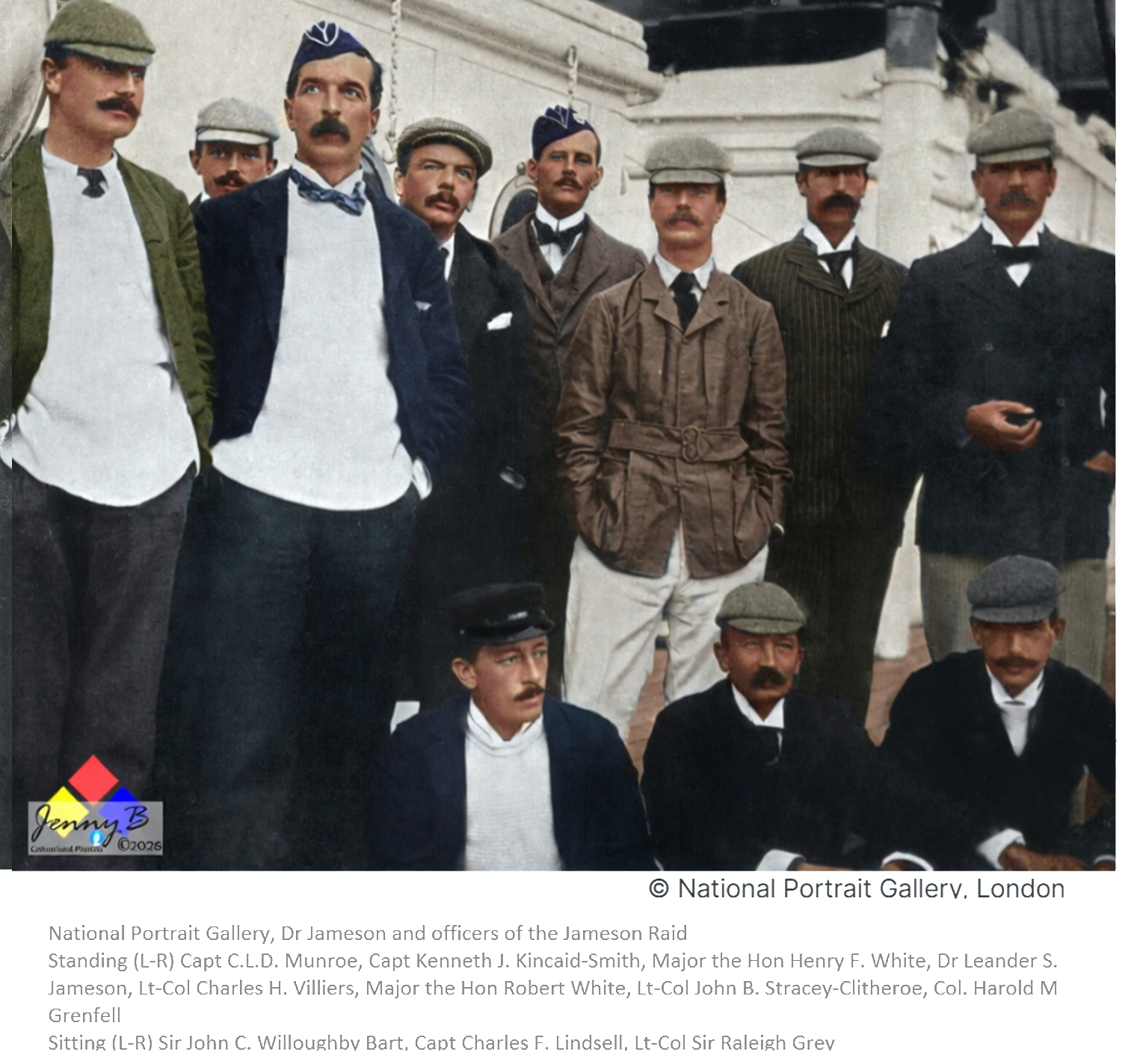
Dr. Leander Starr Jameson and his officers were sent back to England by ship in 1896 to stand trial for their unsuccessful raid on the South African Republic. After surrendering on 2 January 1896, they were transported for prosecution under the Foreign Enlistment Act. Jameson and his associates were formally accused of organising an expedition in December 1895 within British territory, without official authorisation, and leading it against a friendly state, the South African Republic
-angloboerwar.com-
After the Raid failed, the British high commissioner Alfred Milner continued to press Kruger over Uitlander rights, using their grievances as the main public pretext for confrontation, which escalated the crisis in the years immediately before war broke out in 1899.
– nam.ac.uk –
Refugees leave via Lourenço Marques
-With the Flag to Pretoria –
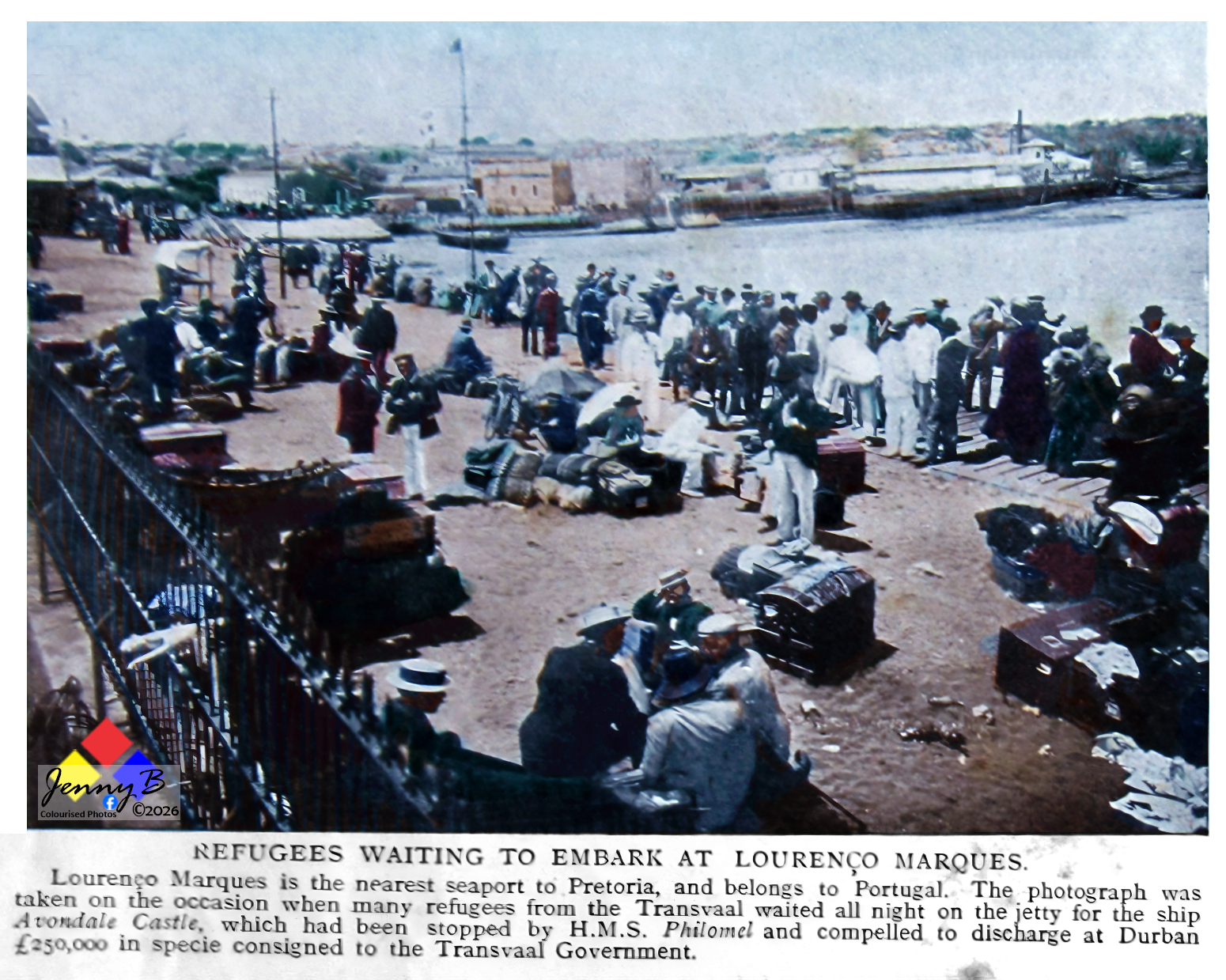
Lourenço Marques is the nearest seaport to Pretoria and belongs to Portugal. The photograph was taken on the occasion when many refugees from the Transvaal waited all night on the jetty for the ship Avondale Castle, which had been stopped by HMS Philomel and compelled to discharge at Durban £250,000 in specie consigned to the Transvaal Government.
In effect, the British Navy used its naval power to block this shipment: they stopped the Avondale Castle, diverted it to Durban, and forced it to unload the money, preventing the Transvaal government from receiving that large sum in gold coin. This kind of action was part of Britain’s broader effort to cut off the Boer republics from external financial and military support during the war. – nzhistory.govt.nz/war/hms-philomel –
The Exodus
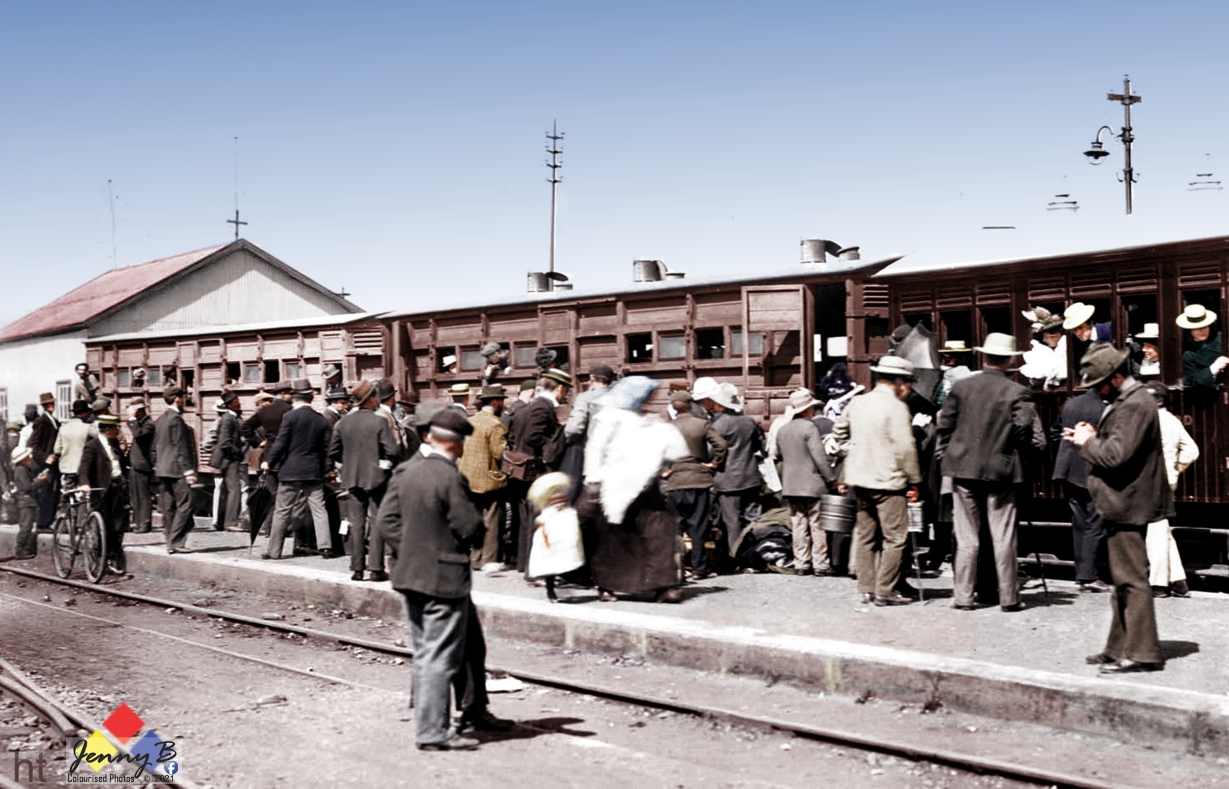
The exodus reflected the collapsing atmosphere of trust after the Raid: many British settlers no longer believed they could live and work safely in a Boer republic that now treated them as potential traitors.
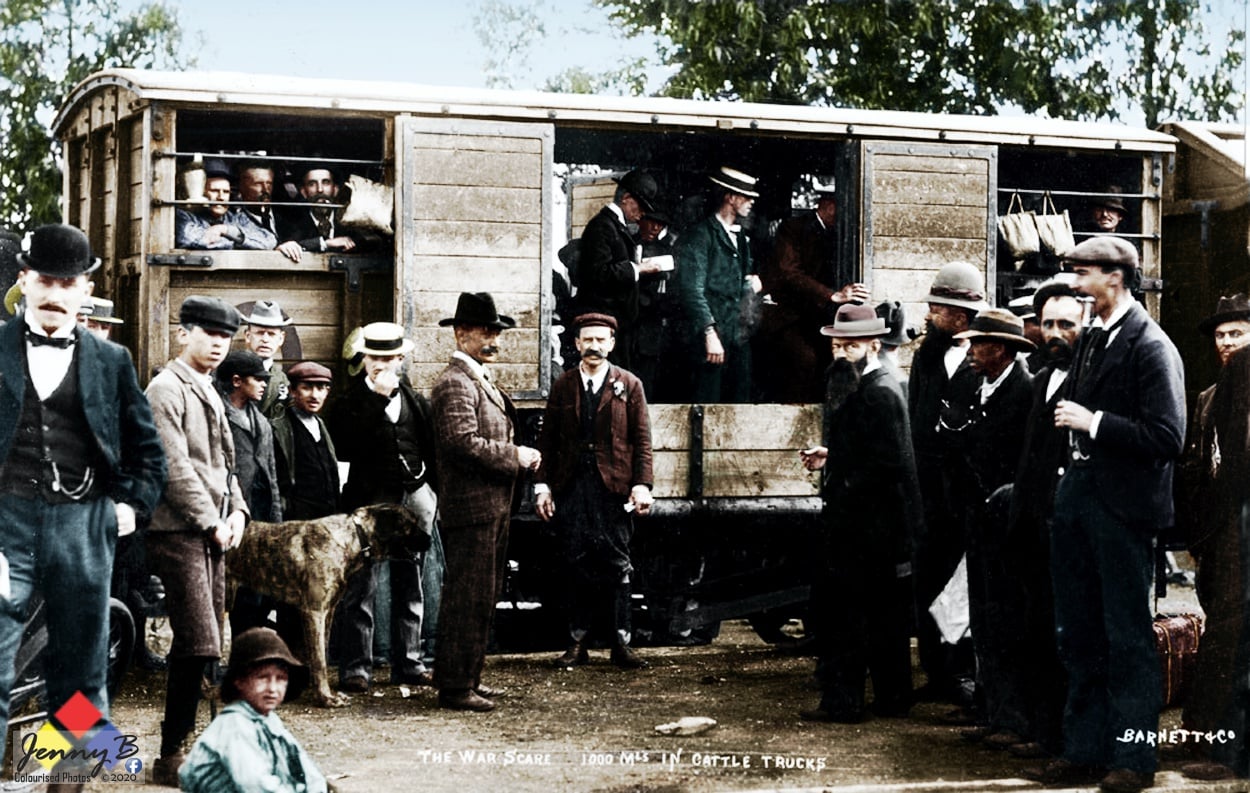
This movement of British subjects out of the Transvaal weakened the local British “fifth column” and fed the British government’s argument that Uitlander rights were under threat, thus helping to pave the way for the Anglo‑Boer War a few years later.
– nzhistory.govt.nz –
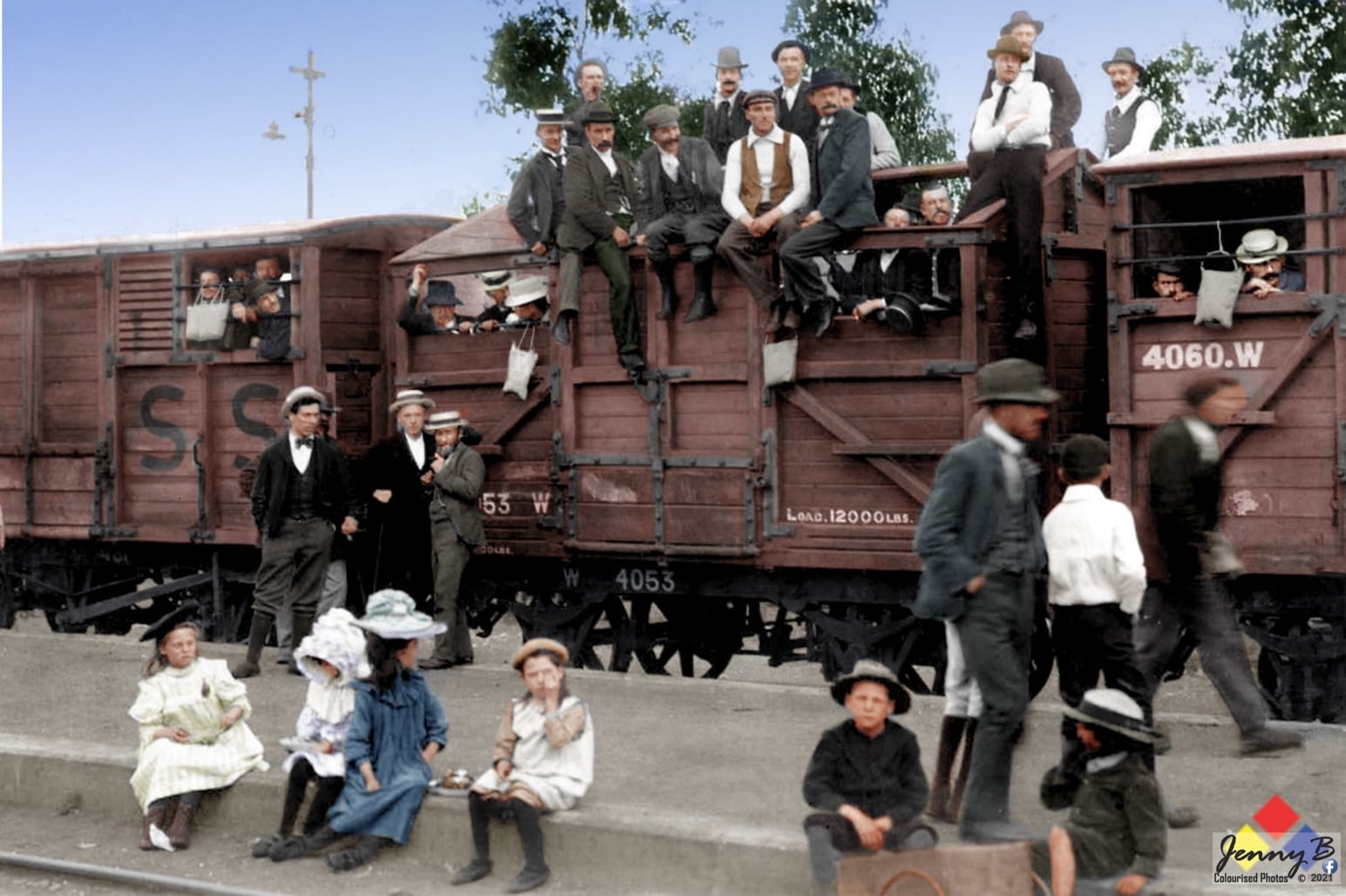
September, 6000 Europeans left Johannesburg alone in two days. Those who left early did so in comfort, those later in cattle trucks and with much privation.
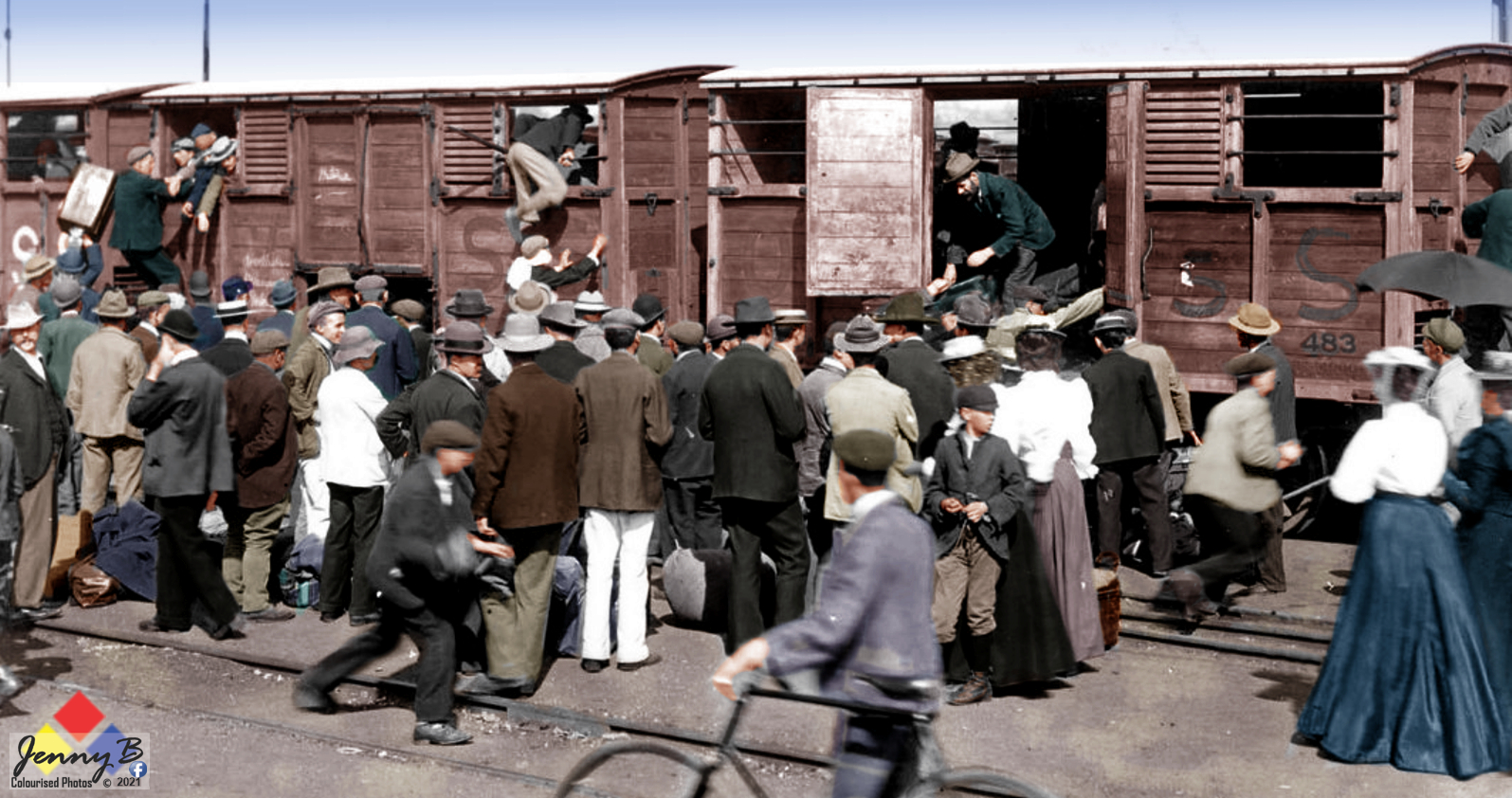
By October, South Africa became a stir with warlike preparations, Burghers and British troops hurrying to the front, and with martial law came plunder. Bullion worth a million being conveyed from the Rand to Cape town was seized and sent to Pretoria — with a ” receipt” for the same. It was minted into coin.
– angloboerwar.com –