
Matjiesfontein and General Andrew Wauchope
Abstract
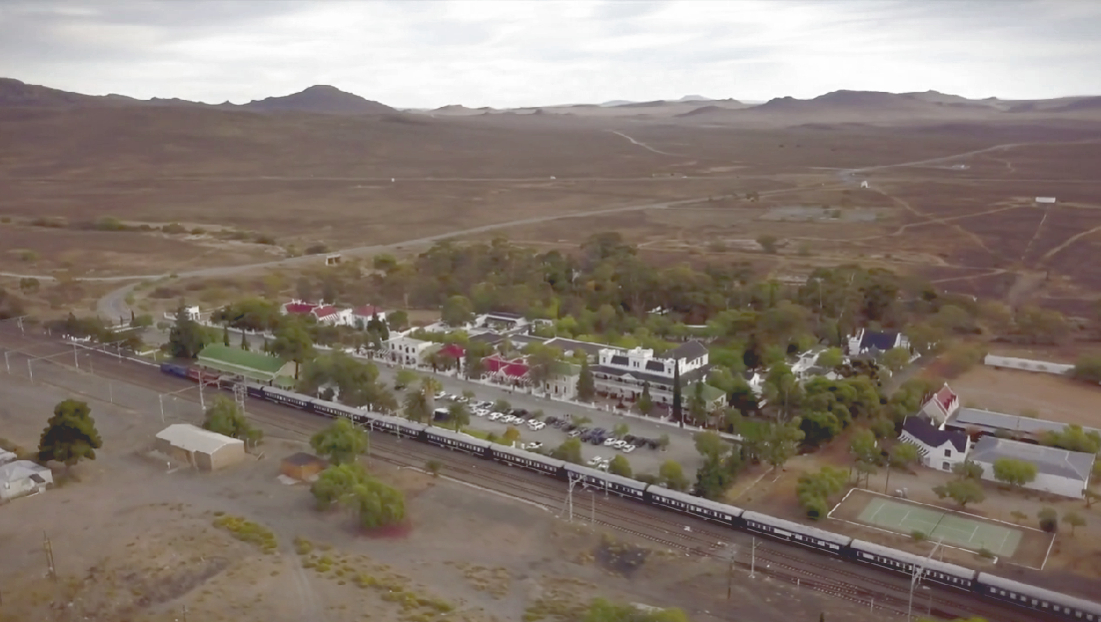
Matjiesfontein was founded in 1884 by the legendary and energetic Scottish railway man, James Douglas Logan. The village established itself as a Victorian health spa and is now well known for its splendid historical buildings and a peace and timelessness that is rare in the modern-day.
MATJIESFONTEIN AND GENERAL ANDREW WAUCHOPE
Jennifer Bosch
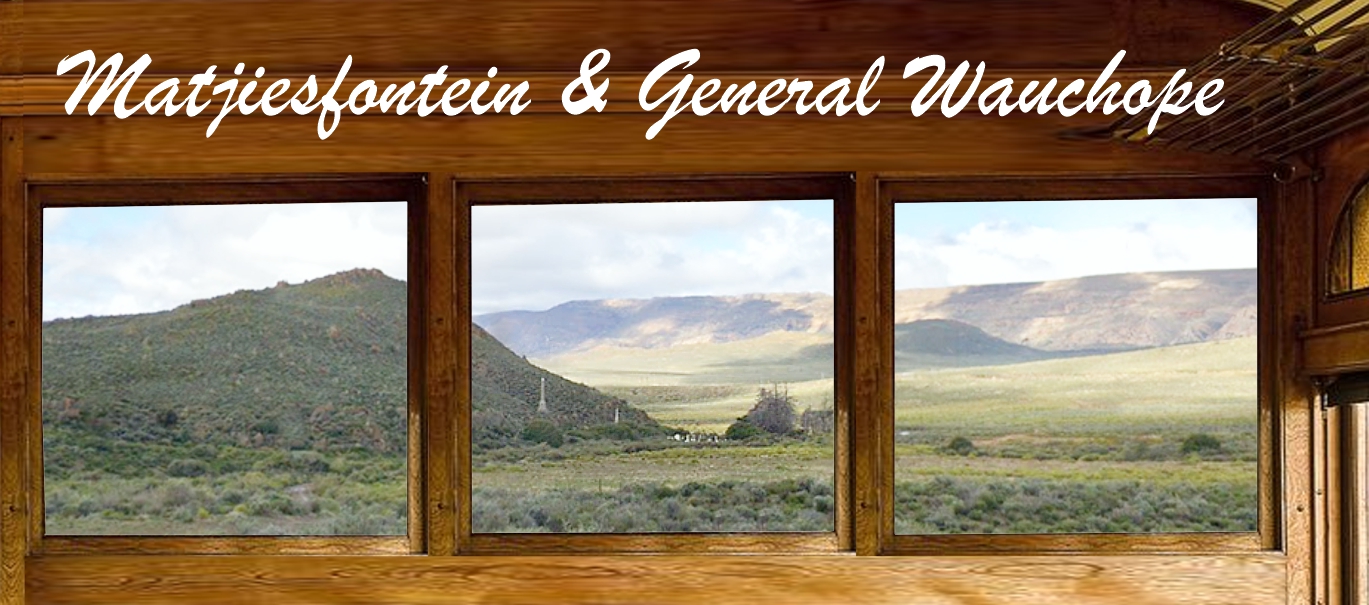
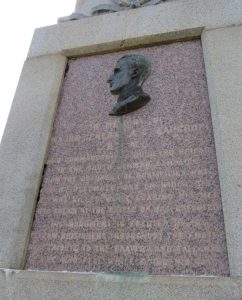
The obelisks near Matjiesfontein Station are located at the Monument Cemetery about 10km away from the main village. There are two main obelisks on a nearby hill, commemorating different individuals: 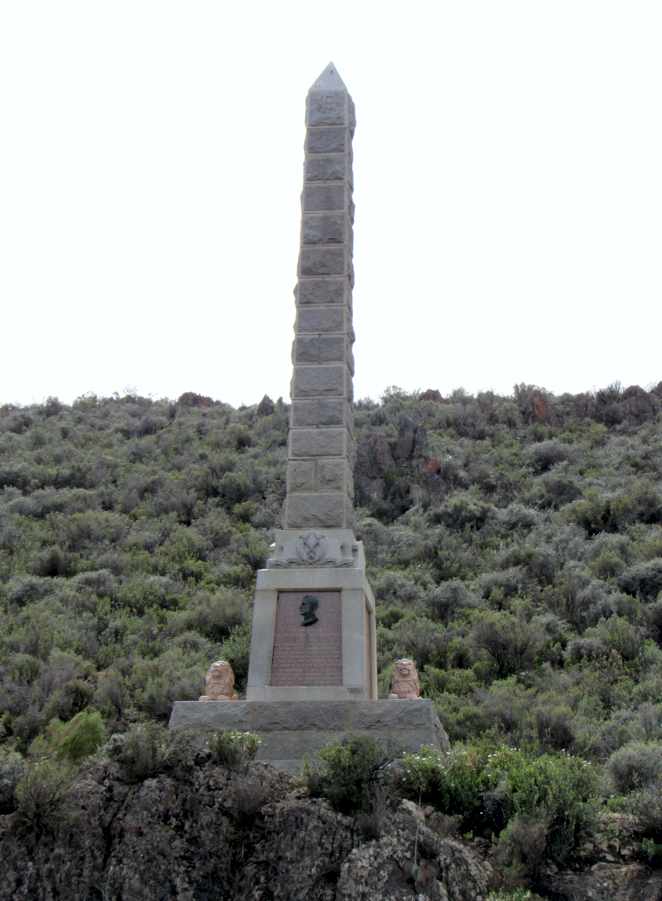
Major-General Andrew Wauchope
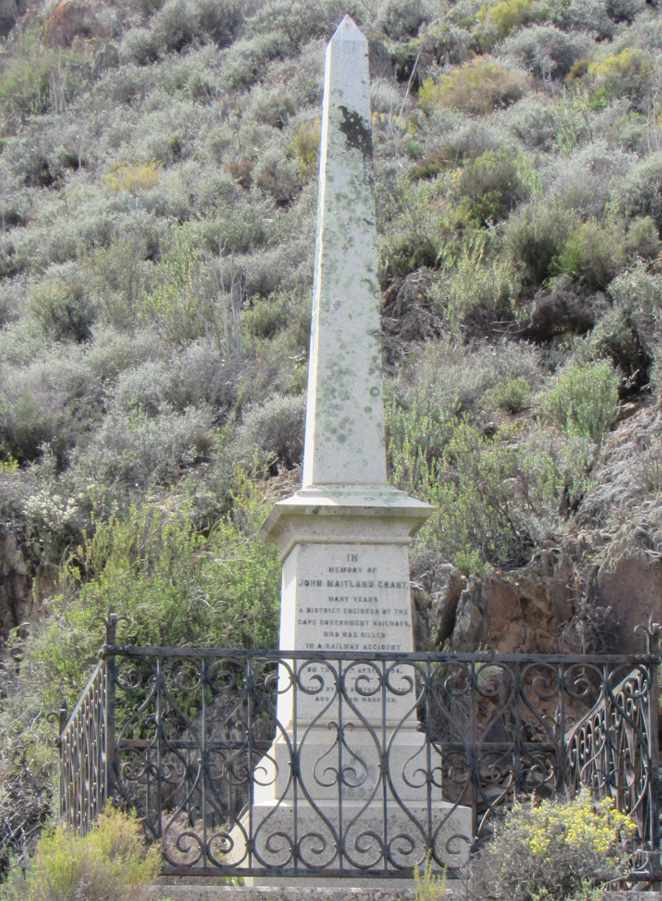
George Maxwell Grant District engineer of the Cape Government Railways, who was killed in a railway accident at Touws River Station in 1894.

 Matjiesfontein History
Matjiesfontein was founded in 1884 by the legendary and energetic Scottish railway man, James Douglas Logan. The village established itself as a Victorian health spa and is now well known for its splendid historical buildings and a peace and timelessness that is rare in the modern-day.
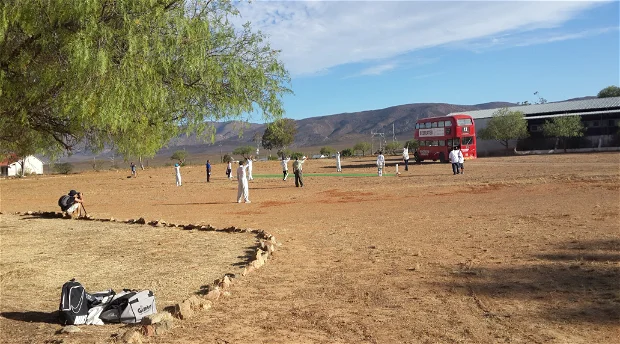
ABOVE – The historic cricket pitch today
Matjiesfontein is a feast for the imagination, offering time travel back to a bygone era – a colourful history that includes international cricketers, Olive Schreiner’s residency, fortification during The Anglo-Boer War as headquarters of the Cape Command, refuge for Jamieson Raid reformers, and the venue of controversial war crimes hearings.
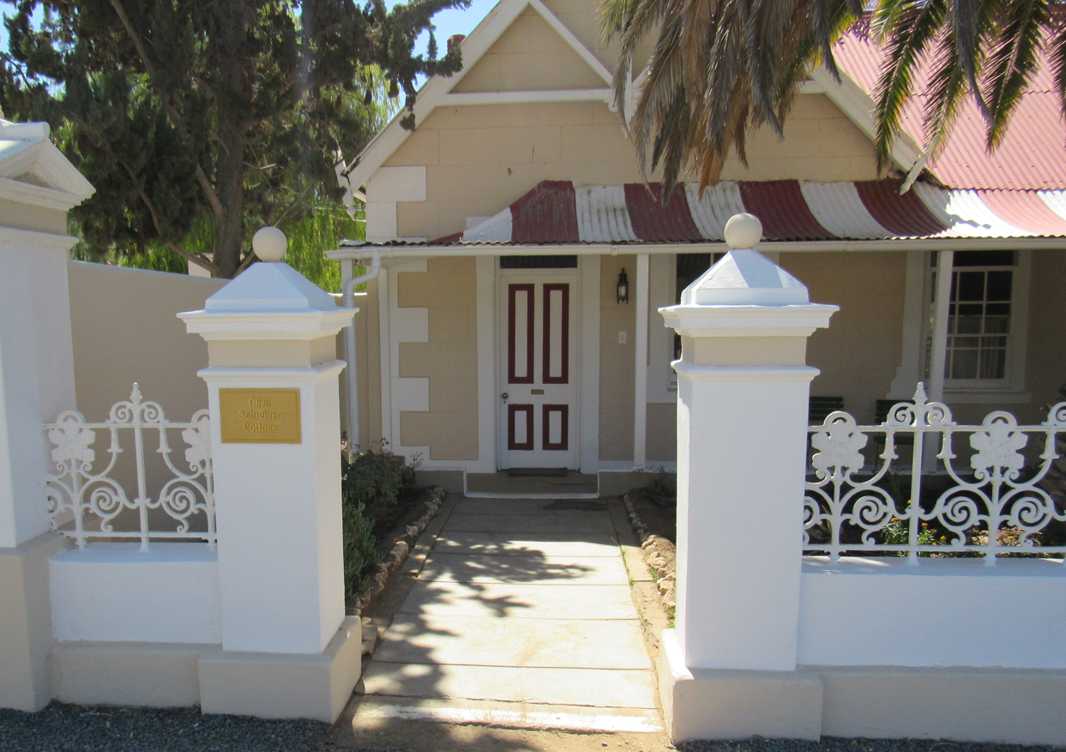
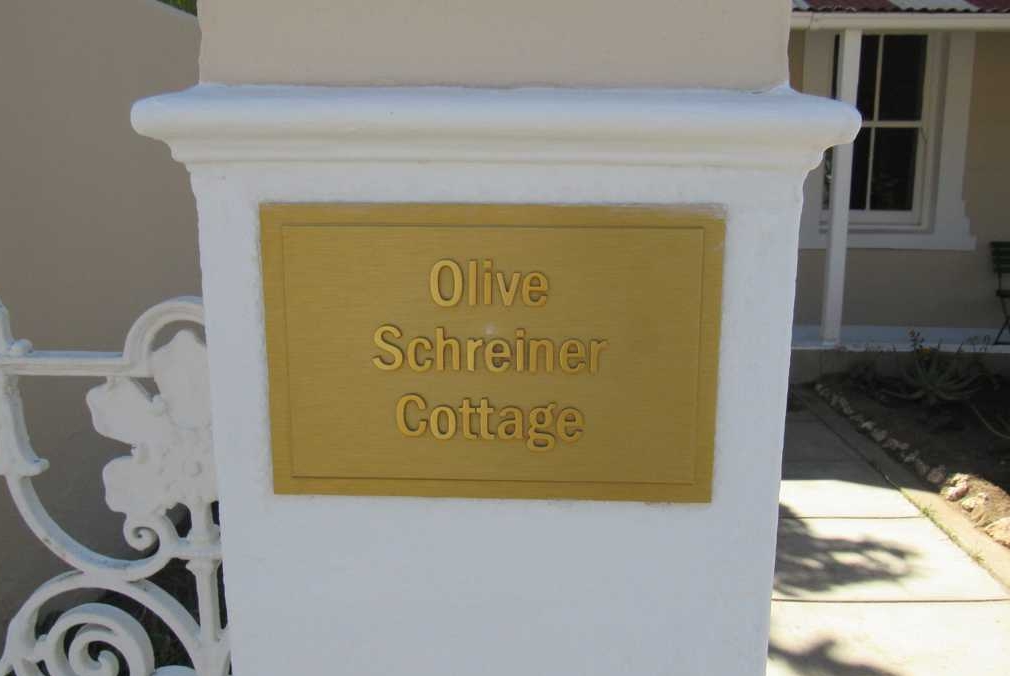
Olive Schreiner Cottage in Matjiesfontein
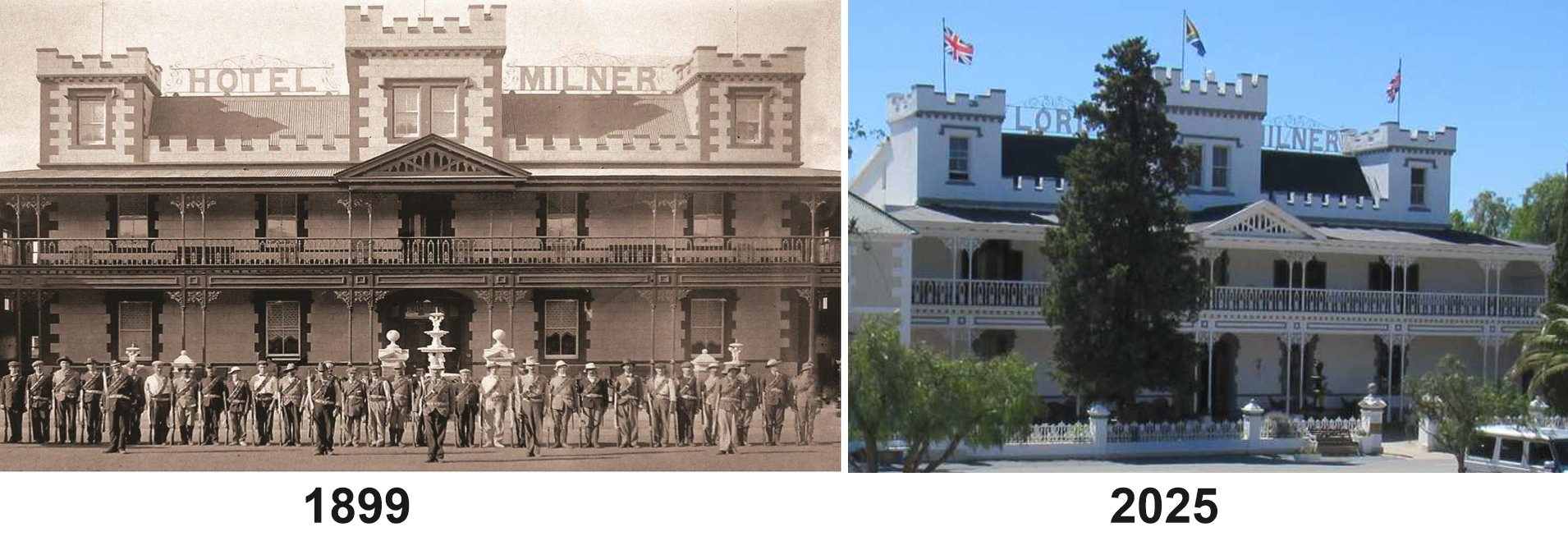
James Logan built the double-storey, turreted Milner Hotel in 1899, during the early stages of war and the hotel was used as a military hospital during the conflict. The central turret served as a lookout and machine gun post. The building was used as a hospital during the war. Some 10,000 troops were camped around the village during this time.
 Logan also raised his own mounted corps for service in the field during the war at his own expense. He was twice wounded and mentioned in dispatches.
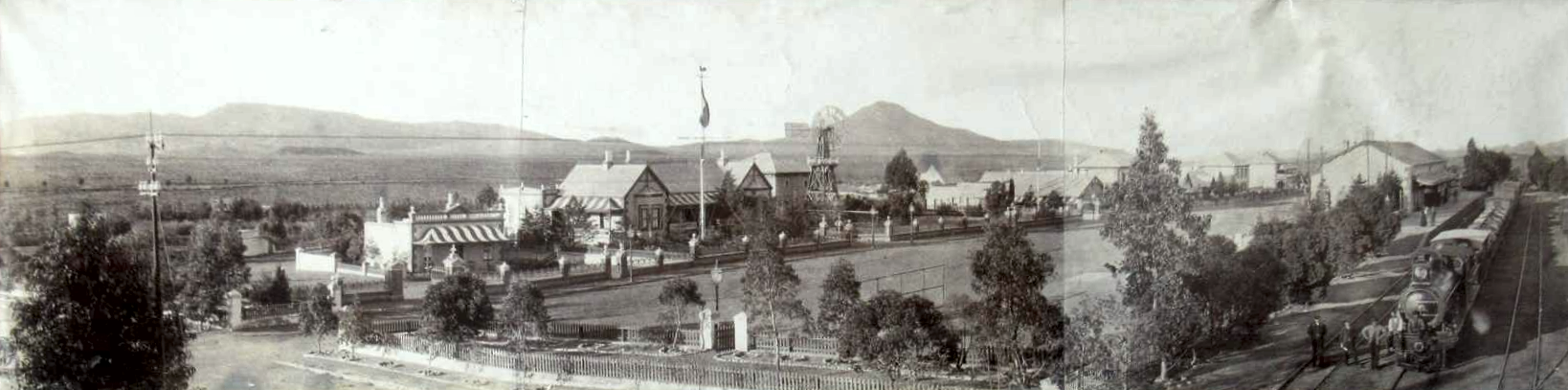 Matjiesfontein Railway Station: The present station completed in 1894, replaced a zinc refreshment shed and makeshift stone platform built in 1884.
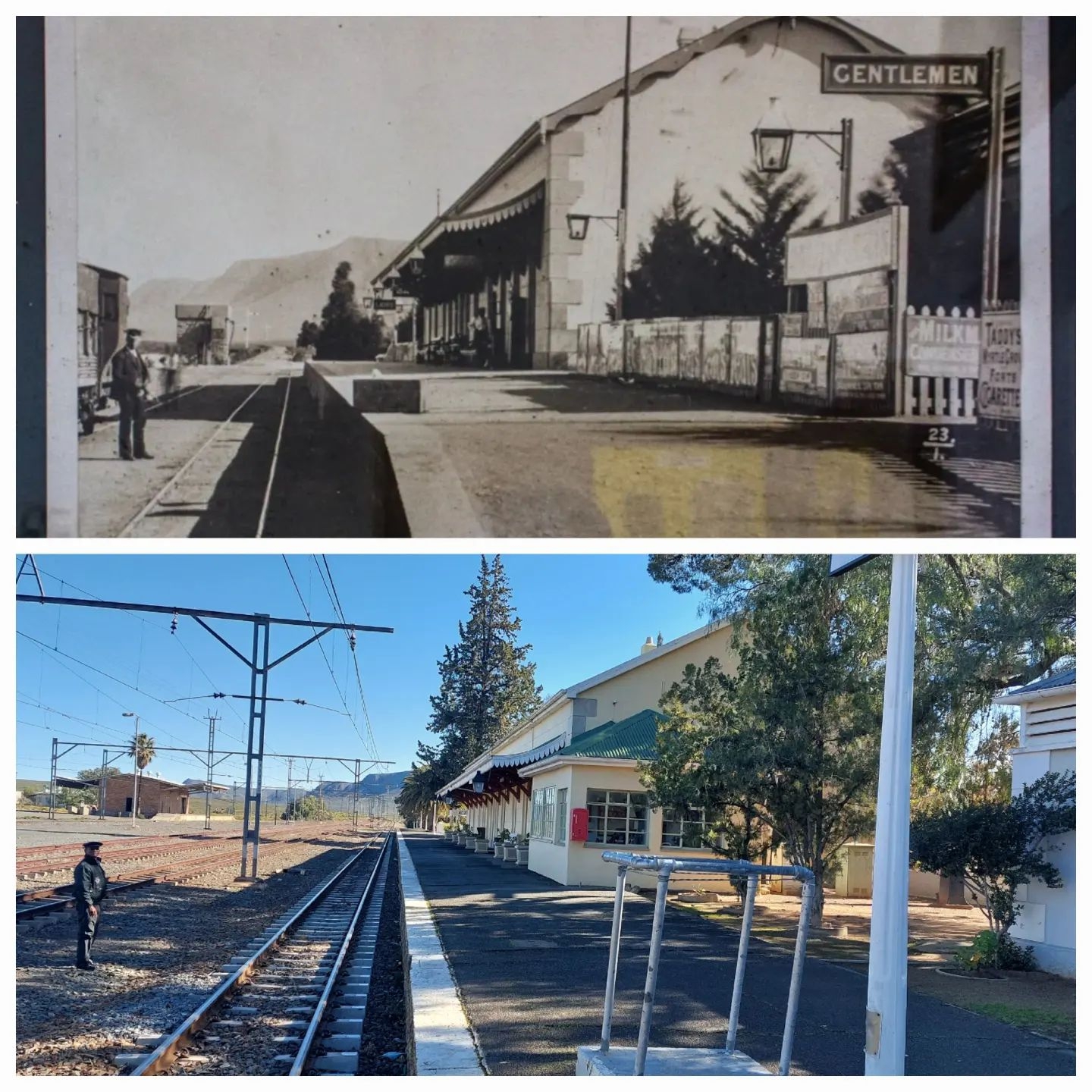 THE RAILWAY STATION: THEN & NOW.
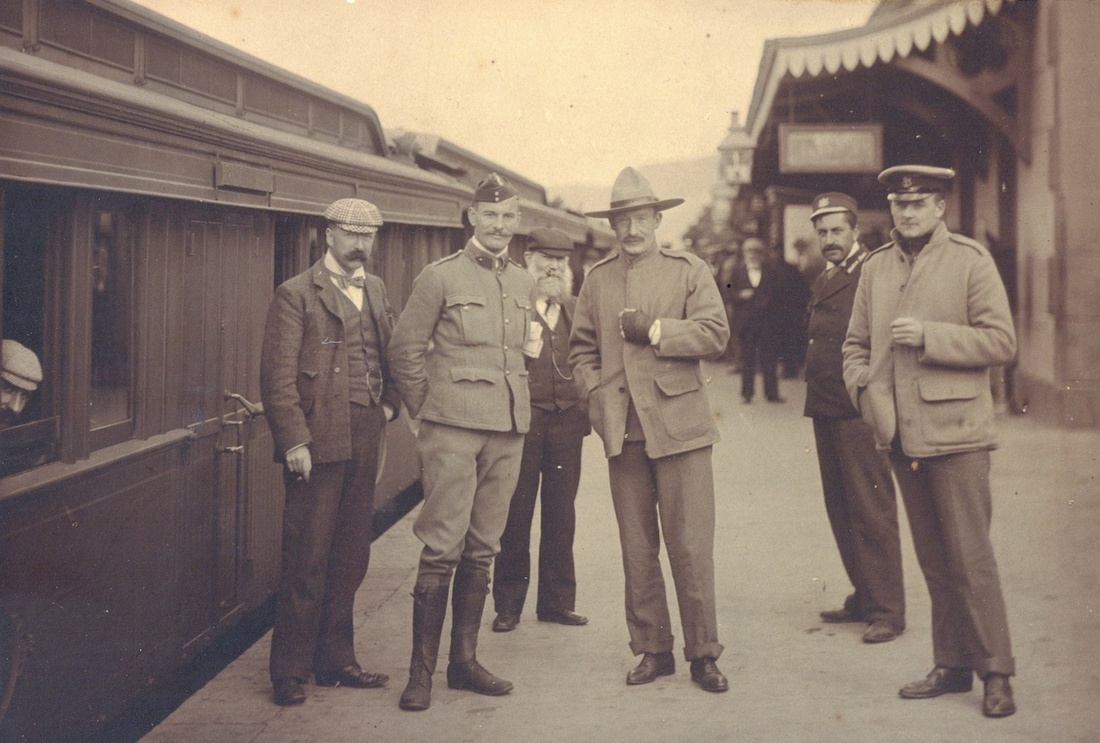
Logan (LEFT) and Baden Powell (Centre) on Matjiesfontein station
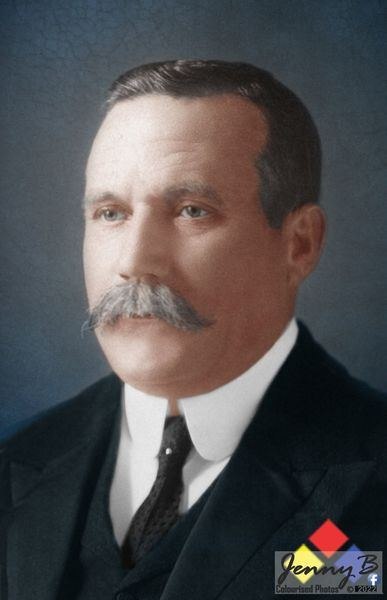
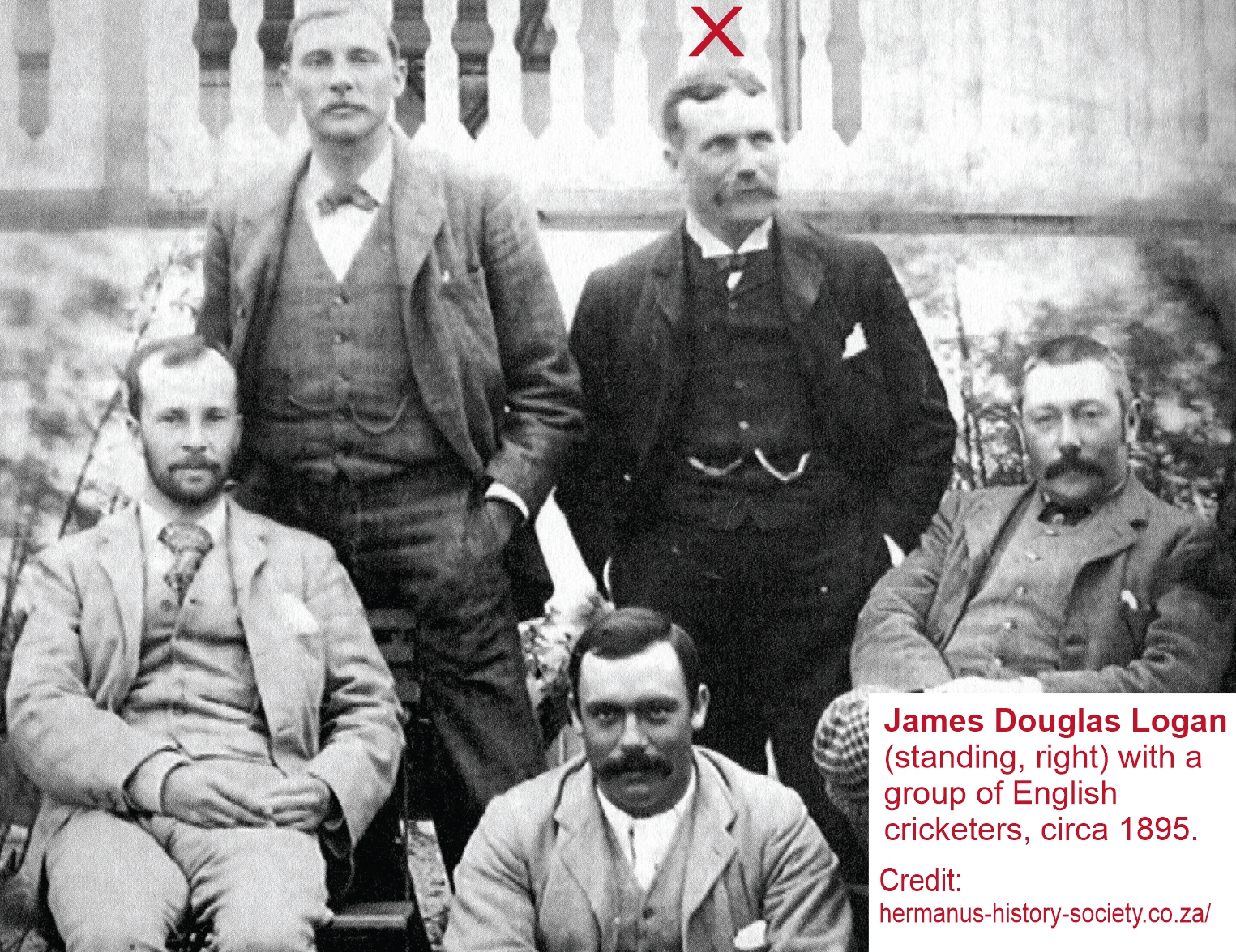
James Douglas Logan
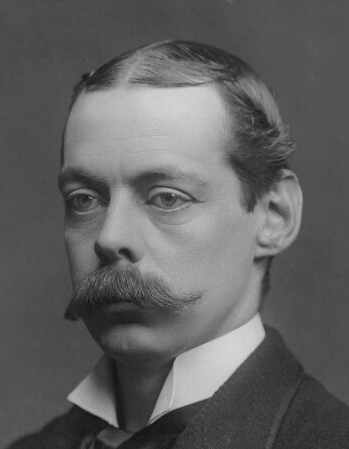
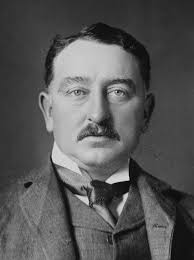
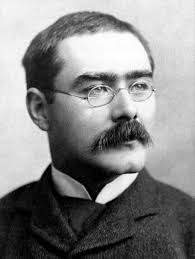
“Laird of Matjiesfontein” James Douglas Logan played an enormous role in the creation of this unique Karoo village. Born in Berwickshire in 1857 he arrived in South Africa aged 20, as his ship was wrecked in Simon’s Bay. In it’s heyday, the village was a fashionable health spa attracting influential visitors, including Lord Randolph Churchill (below), Cecil John Rhodes (1st left), Rudyard Kipling (2nd left) and Olive Schreiner (right).

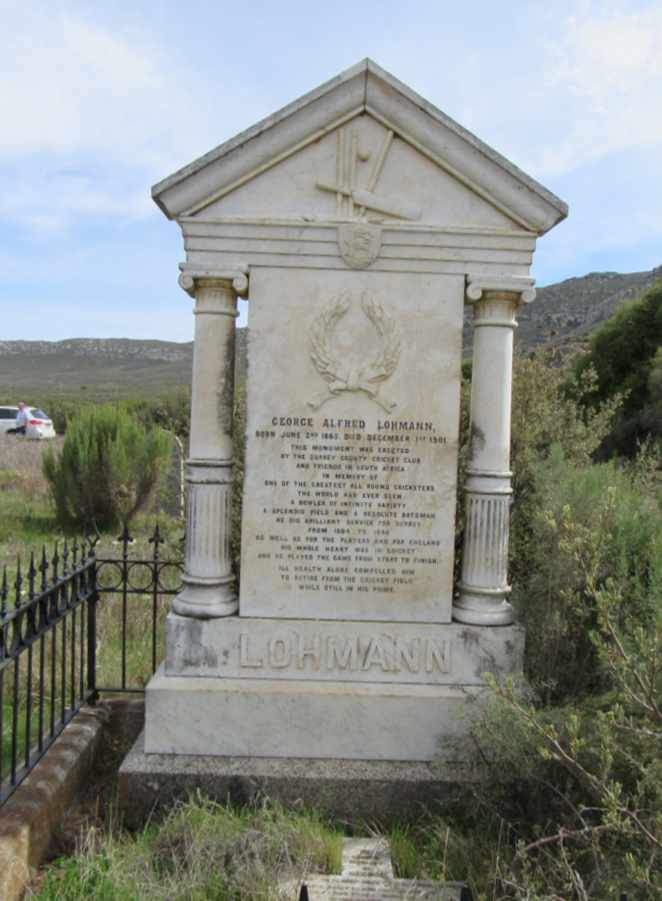
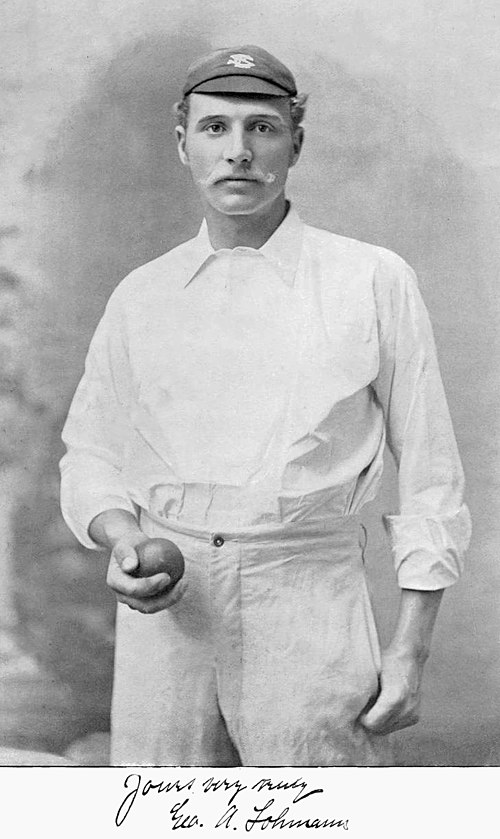
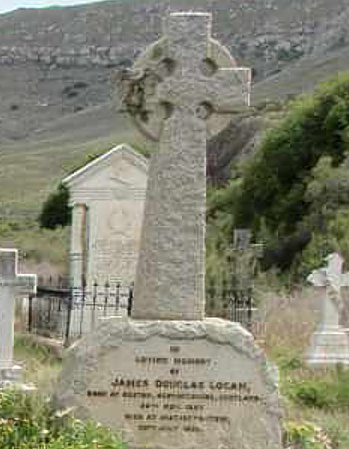
Logan died in 1920 and is buried in a little cemetery 10 kilometres from Matjiesfontein. His tomb (below left) is located next to the grave (below centre) of George Lohmann (below right), famous English cricketer who spent the last years of his life in the dry climate of the Karoo.
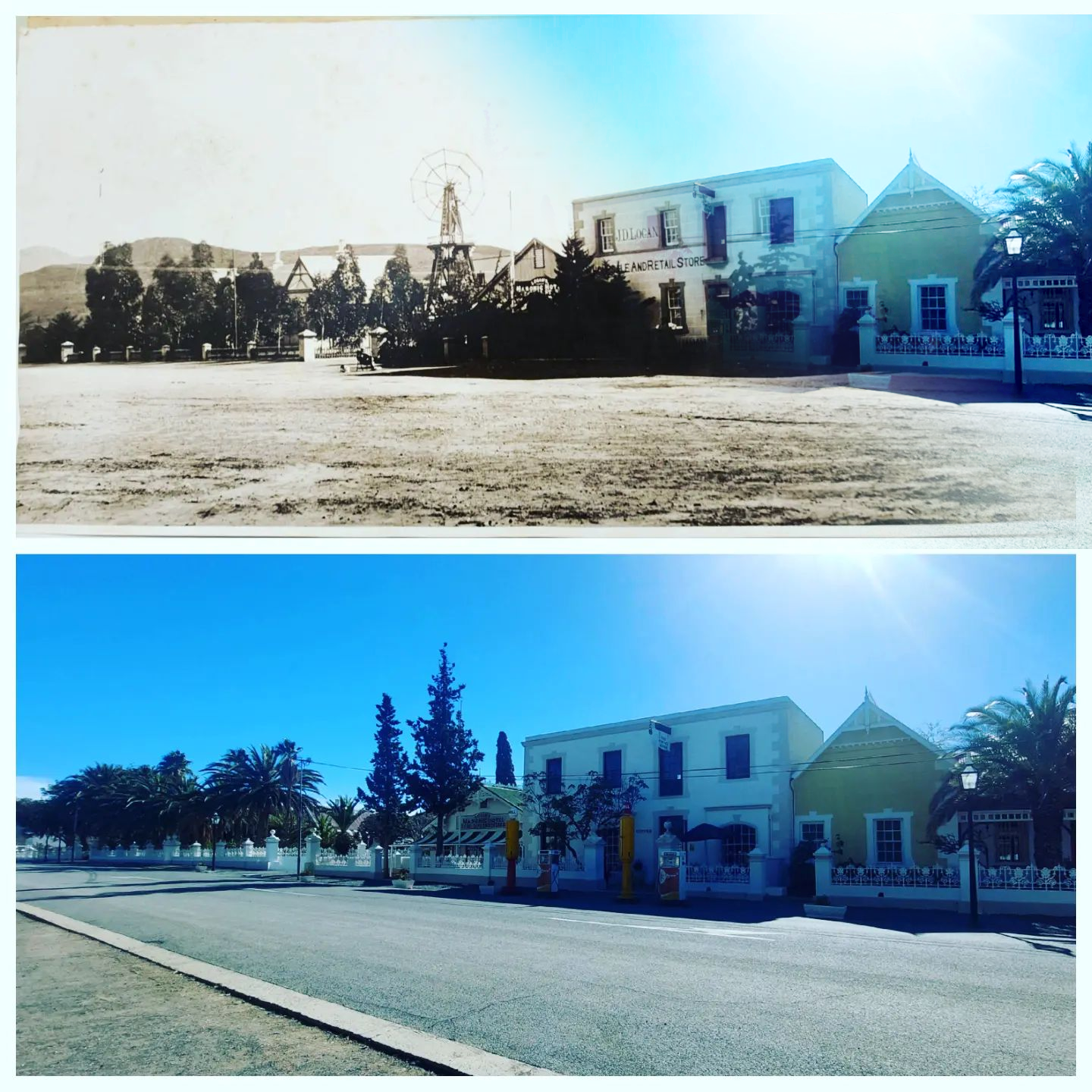
TOP: Then & Now blend of Logan’s Trading Store.
BOTTOM: As it is today.
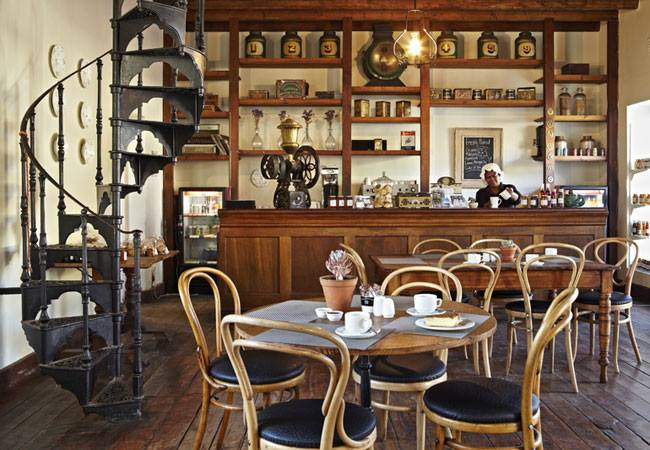
ABOVE: The Coffee Shop (Logan’s original trading store, estd. 1884)
Major-General Andrew Wauchope

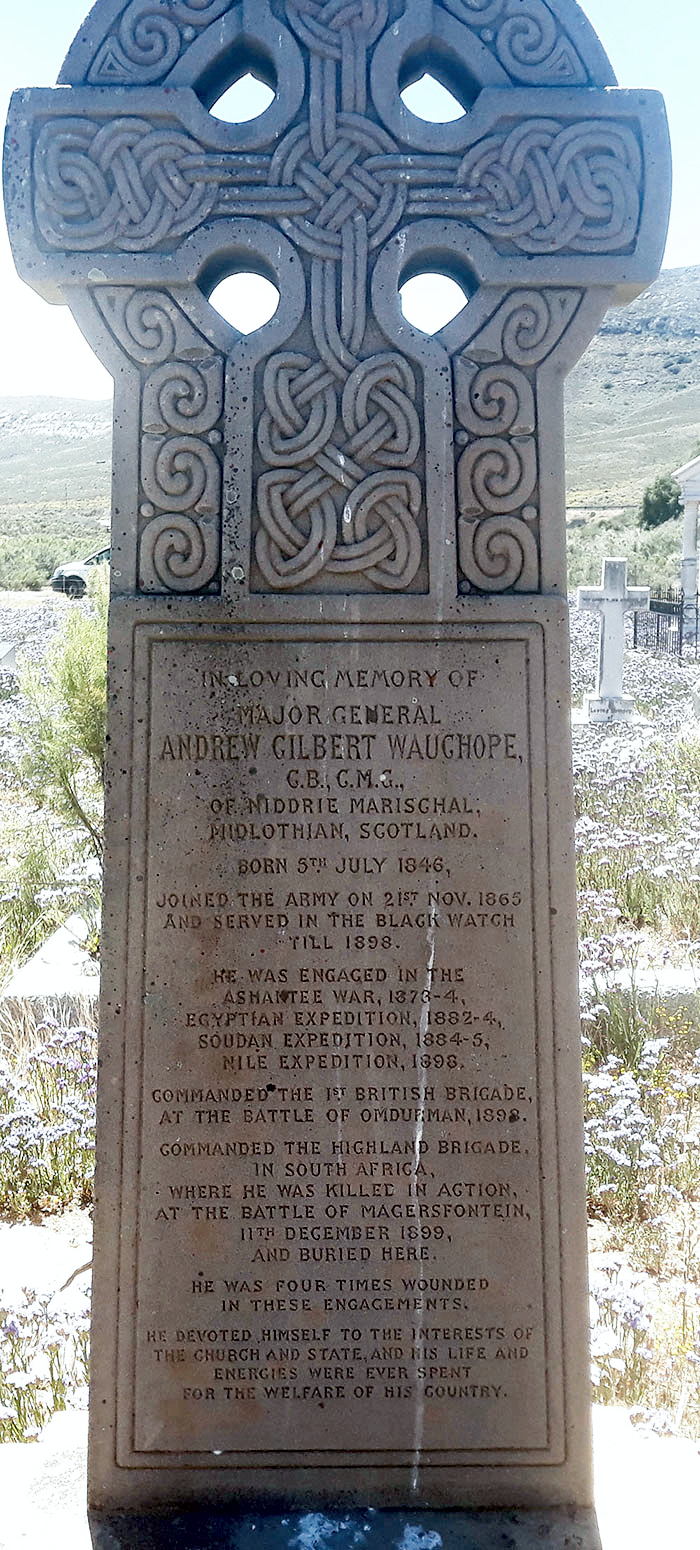
Major-General Andrew Wauchope of the Black Watch Regiment became a permanent resident of Matjiesfontein after being killed in action against the Boers at the Battle of Magersfontein south of Kimberley. He was buried a few kilometres west of Matjiesfontein in a small graveyard situated close to the main N1 Highway linking Touwsrivier and Matjiesfontein.
Wauchope was appointed to command the 3rd (Highland) Brigade in the South African War, and saw action at the Battle of Belmont and the Battle of Modder River as part of the force sent to relieve the Siege of Kimberley. Pushing further, they again encountered Boer forces at Magersfontein.
In the ensuing Battle of Magersfontein on 11 December 1899, the Highland Brigade was ordered to make a dawn attack on the Boer defences. However, the force was spotted before it was prepared to attack, and faulty reconnaissance meant that the enemy positions were not properly located. The column came under heavy fire as it struggled to deploy for action. Wauchope was killed by rifle fire in the opening minutes of combat; the brigade was pinned down and went to ground. After Wauchope’s death, the brigade was leaderless, and no one assumed command until late in the afternoon. Despite the support of the Guards Brigade, the brigade was routed in the early afternoon.
Wauchope’s dying words are a subject of some dispute. Douglas’ biography quotes them as “Don’t blame me for this, lads.” However, Arthur Conan Doyle wrote: Rumour has placed words of reproach upon his dying lips, but his nature, both gentle and soldierly, forbids the supposition. “What a pity!” was the only utterance which a brother Highlander ascribes to him.
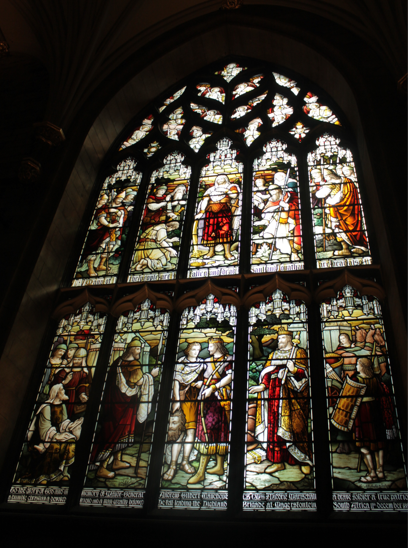
After Wauchope’s death, a stained glass window (right) was donated by the people of Liberton Kirk in Edinburgh, Scotland. The window is located a few feet from where Wauchope always sat in the East Gallery.
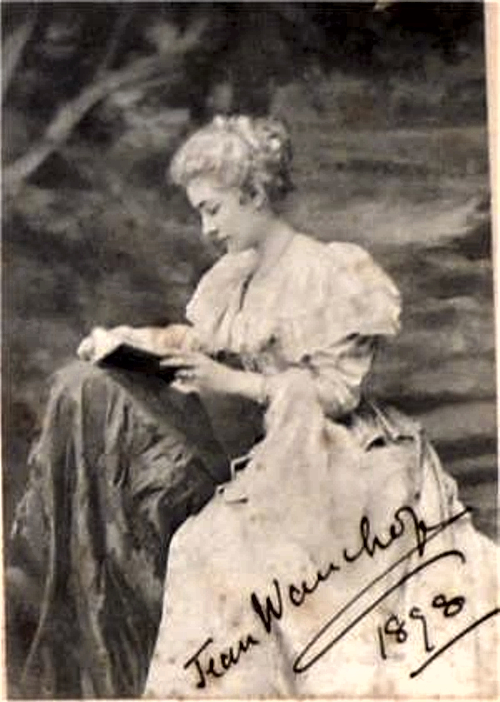 His wife, Jean (left), arranged for the creation of Wauchope Hall in Town Yetholm, which was opened in 1919. The hall was a conversion from a former church.
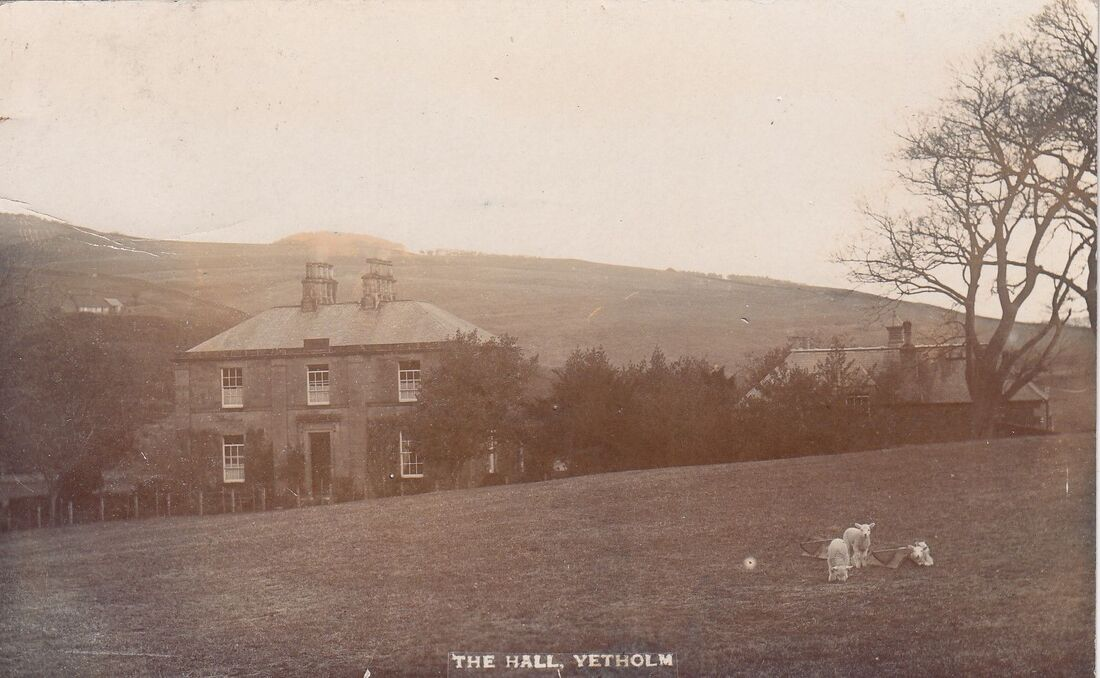
In 1900, after the death of the Major-General at the Battle of Magersfontein on the 11th December 1899, his widow, Jean Wauchope, came to live at Yetholm Hall. She played the role of benefactor and grande dame in the village and was a figure of considerable importance, driving around the village in her pony and trap. She purchased the Wauchope Hall in 1919, and handed it over as a free gift to the villagers.

Extract from GENERAL WAUCHOPE BY WILLIAM BAIRD, F.S.A. SCOT.
Not till the evening did the conflict cease. Then there was an armistice, and our ambulance bearers went out to bring in their fallen comrades. The Rev. J. Robertson, chaplain of the brigade, mentions in a letter: ‘I was with Wauchope when he fell. I think he wished me to keep {192}near him, but I got knocked down, and in the dark and wild confusion I was borne away, and did not see him in life again, though I spared no effort to find him, in the hope that he might be only wounded.’ This statement is confirmed by the Anglican chaplain with Lord Methuen, who, after describing the battle of Magersfontein, thus refers to the Highland Brigade: ‘Being chiefly Highlanders, they were in Robertson’s charge. He, good-hearted fellow, was risking his life in the trenches and under fire to find General Wauchope’s body. Why he was not killed in his fearless efforts I cannot tell.’ The General’s body was found next morning from twenty to thirty yards off the Boer trenches, ‘riddled with bullets,’ and was carried reverently back into camp, amidst the unmistakable grief of every soldier.
The exigencies of war brook no delay, and so the funeral was arranged for the day following. Three hundred yards to the rear of the township of Modder River, just as the sun was sinking in a blaze of African splendour, on the evening of Tuesday the 13th December, a long shallow grave lay exposed in the breast of the veldt. To the westward the broad river fringed with trees ran unconsciously along; to the eastward the heights still held by the enemy scowled menacingly; north and south stretched the long swelling plain. A few paces to the north of the grave, fifty dead Highlanders lay, dressed as they had fallen. They had followed their chief to the field, and they were to follow him to the grave. It was an impressive sight, and as one who saw it has said: ‘The plaids dear to every Highland clan were represented there, and, as I looked, out of the distance came the sound of the pipes. It was the General coming to join his men. There, right under the eyes of the enemy, {193}moved with slow and solemn tread all that remained of the Highland Brigade. In front of them walked the chaplain, with bared head, dressed in his robes of office; then came the pipers with their pipes, sixteen in all, wailing out “Lochaber no More”; and behind them, with arms reversed, moved the Highlanders, in all the regalia of their regiments; and in the midst, the dead General, borne by four of his comrades.’ Many a cheek was wet with tears, and many a heart throbbed with emotion as the last kind offices were performed. Right up to the grave they marched, then broke away into companies until the General was laid in the shallow grave, with a Scottish square of armed men around him. The simple Presbyterian service of the Scottish Church was led by Mr. Robertson, the chaplain, amid profound silence. No shots were fired. Only the silent farewell salute of his sorrowing men as they marched camp wards in the gathering darkness, and the black pall of an African night was drawn sadly over the scene.
There, among his men, Wauchope’s body might have been left to rest on the open veldt, and the spot would doubtless ever afterwards have been consecrated in the heart of every patriot Briton, lonely and wild though it be. But the kindly sympathy of a brother Scot found for him a last resting-place four hundred miles farther south in Cape Colony, at Matjesfontein. On receipt of the news of Wauchope’s death, the Honourable J. D. Logan, a member of the Cape Legislative Council, who owns an extensive estate there, on which there is a small enclosed private burying-ground, promptly asked permission to bring the body for re interment there. Permission having been granted by General Lord Methuen, Mr. Logan proceeded to Modder River, and returned with the {194}body in a zinc-lined coffin on the 18th December. The remains of the gallant General were buried next morning with full military honours, in presence of a considerable number of people. Those present included Captain Rennie, A.-D.-C. to the General, Mr. Logan and his family, Major Stuart, and Colonel Schrembrucker. The escort consisted of eleven officers and 195 non-commissioned officers and men of various detachments, including some of the Highland Brigade, and a fife band with pipers. The coffin was borne on a gun-carriage, which was covered with many beautiful wreaths, one bearing the inscription, ‘With the Logans’ deepest sympathy. In memory of one of Scotland’s brave ones.’ And on another was inscribed, ‘A token of admiration and respect for one of Scotland’s heroes, from his fellow-countrymen at Matjesfontein.’ The favourite charger of the General followed the coffin, and the service, conducted by the Revs. Messrs. Robertson and Price, army chaplains, was of a deeply impressive character. Thus passed from sight, at the age of fifty-four, the man whose career it has been our privilege to sketch.
PROJECT GUTENBERG EBOOK 65570
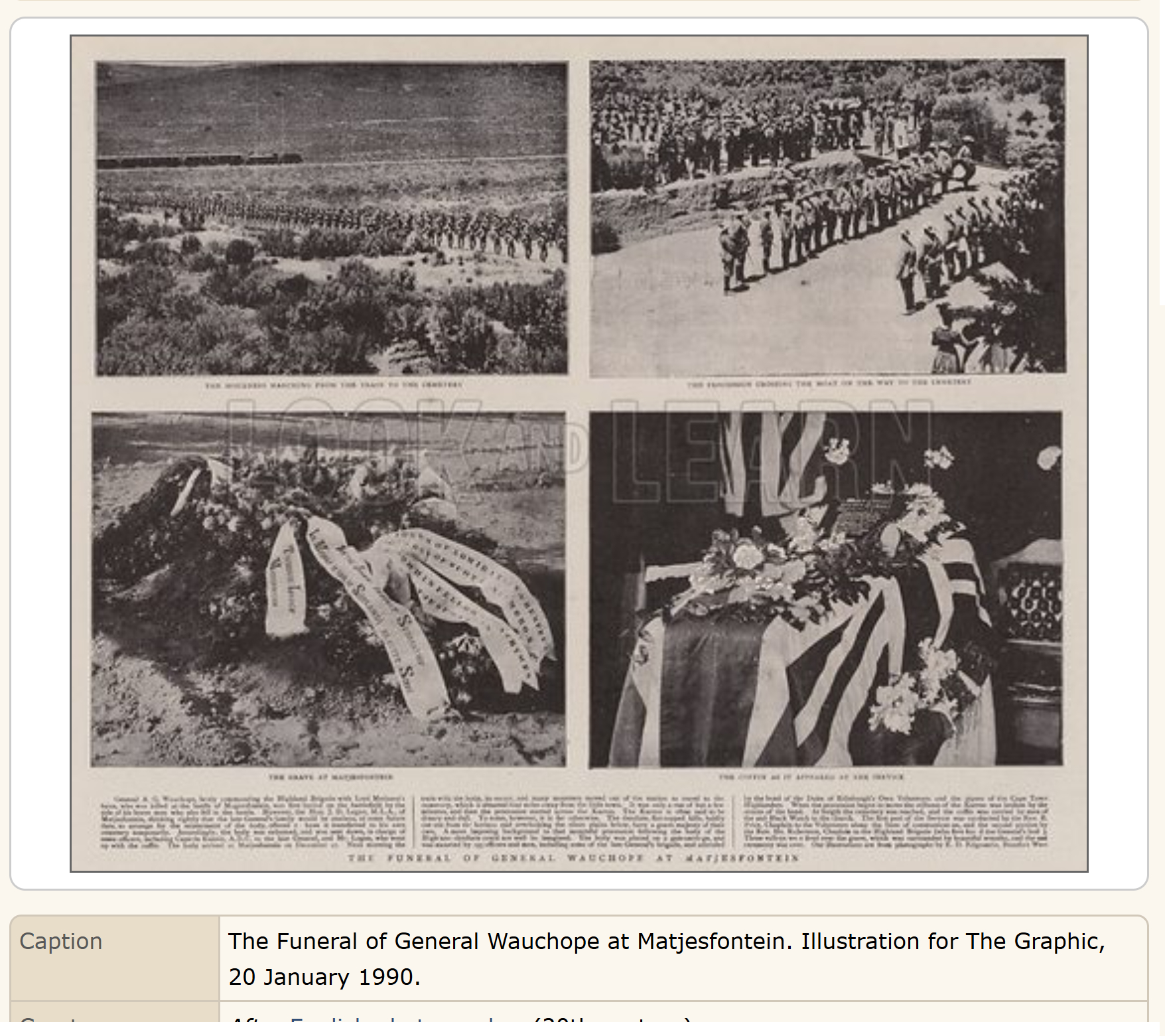
ABOVE – The funeral of General Wauchope at Magersfontein. – The Graphic.

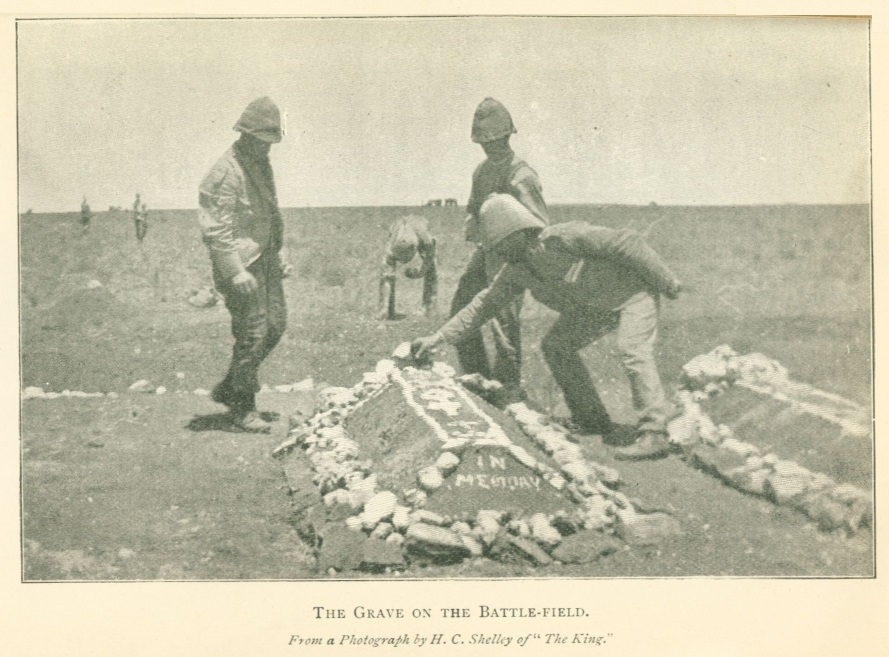
(ABOVE) WAUCHOPE’S GRAVE ON THE MAGERSFONTEIN BATTLEFIELD.
(RIGHT) A HIGHLAND CHIEFTAIN’S FUNERAL, PLACING THE BODY OF GENERAL WAUCHOPE IN THE TRAIN AT MAGERSFONTEIN
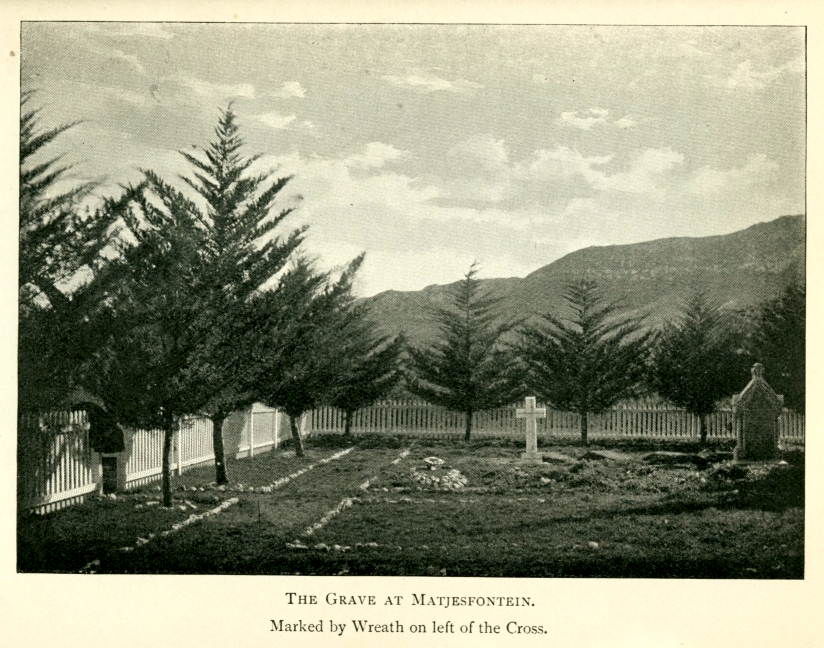 The grave at Matjiesfontein – marked by wreath on left of cross.

Photos and Information sourced, re-worded, extracted from various sources:
Tsidi Mzansi Historian
https://londontraveller.org/2017/02/24/the-station-museum-at-matjiesfontein/
https://www.karoo-southafrica.com/koup/matjiesfontein/history-of-matjiesfontein/
https://www.gutenberg.org/files/65570/65570-h/65570-h.htm
The Life of Major-General Wauchope C.B., C.M.G., LL.D. by Douglas, George Brisbane Scott
Conan Doyle, Arthur (1900). The Great Boer War
Yetholm Wauchope Hall – Touring Venue – Scotland
Wikipedia
