NONGQAISouth Africa’s National Security MagazineEstablished in 1907
DONATE

All Articles


996 articles

1920 – 1948: The Palestine Police Force
1938 - SAP in Palestine

1920 – 1948: The Palestine Police Force

This article traces the history of the British Palestine Police Force (1920–1948), highlighting its evolution from a colonial gendarmerie to a paramilitary counterinsurgency force. Through personal anecdotes, historical records, and operational insights, it explores the challenges faced by officers amid civil unrest, political upheaval, and wartime pressures. The force’s pioneering use of tracker dogs (including South African Dobermanns), close-quarter combat techniques, and mobile strike units laid the groundwork for similar policing models across the British Empire. For South African Policemen—especially those with township or border duty experience—the parallels are striking. From ambush tactics and community tensions to the emotional toll of service and institutional reform, the Palestine Police story offers valuable reflection on the enduring complexities of law enforcement in divided societies.

Beyond the Uniform: A Personal Reflection on Non-White Sap Members During a Time of Transition
1992 First Black Brigadier

Beyond the Uniform: A Personal Reflection on Non-White Sap Members During a Time of Transition

This article offers a personal retrospective by Brigadier HB Heymans on the role and experiences of non-white members of the former South African Police Force (SAP). Drawing from decades of service, the author reflects on the evolving institutional dynamics from the colonial era through the Union period and into the final years of apartheid. While acknowledging the painful legacy of racial segregation, the article emphasizes the professionalism, dedication, and leadership of many non-white officers. It documents the gradual dismantling of formal apartheid structures within the SAP, highlighting moments of camaraderie, mutual respect, and institutional reform. The narrative provides valuable insight into the complexities of rank, training, cultural dynamics, and the lived realities of policing in a divided society.

The Real History Behind Pw Botha’s 15 August 1985 Rubicon Speech
National Security - Nasionale Veiligheid

The Real History Behind Pw Botha’s 15 August 1985 Rubicon Speech

This article reveals the real history behind PW Botha’s 15 August 1985 Rubicon Speech. Because of the catastrophic consequences that flowed from it, it is important to understand the amount of dysfunction and discord in the South African government’s strategic decision-making at that time, as cause for the debacle.

National Security: Free State: Theft of Catenary Copper Wires for Electric Locomotives
Destruction and damage to Railway Property

National Security: Free State: Theft of Catenary Copper Wires for Electric Locomotives

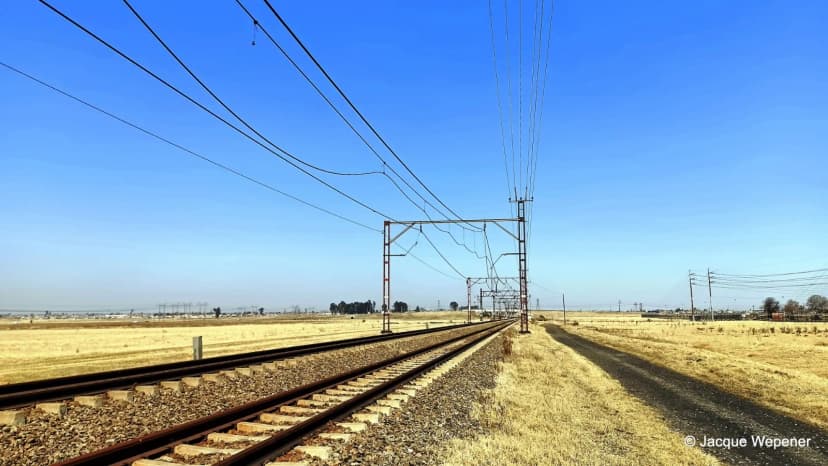
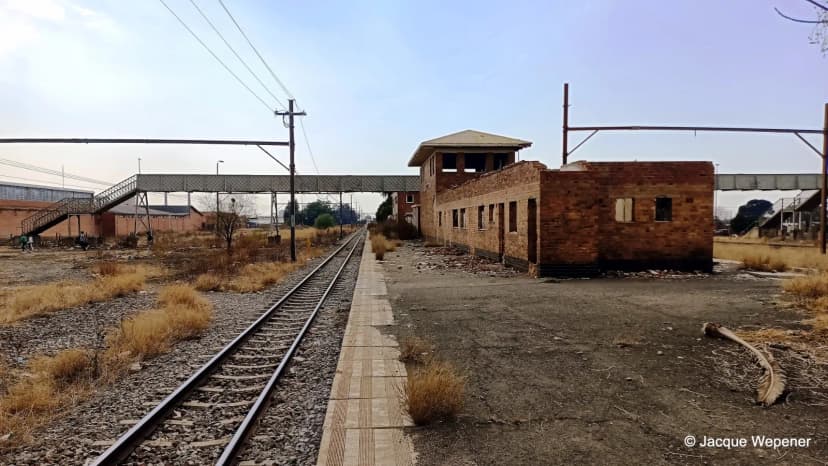
Ná die ontbinding van die Spoorwegpolisie het misdaad op spoorwegpersele met verdrag drasties toegeneem, met koperdiefstal van die bo-baan (sabotasie?) wat 'n alledaagse verskynsel geword het. Privaat sekerheidsmaatskappye het wel oorgeneem, maar hul kapasiteit en jurisdiksie is beperk, wat die beskerming van kritieke infrastruktuur bemoeilik. Die bo-baan, bestaande uit waardevolle koperdrade, word gereeld gesteel, wat nie net dienslewering ontwrig nie maar ook groot finansiële verliese veroorsaak. In die Vrystaat het diesel-trekkrag die plek van elektriese eenhede ingeneem, deels weens die skade aan elektriese stelsels. Hoewel diesel 'n onmiddellike oplossing bied, is dit duur en afhanklik van diesel. Elektrisiteit, aan die ander kant, verg hoë aanvanklike investering, maar is op die lang duur 'n meer kostedoeltreffende vorm van kragvoorsiening. Elektriese treine het die voordeel dat hulle, wanneer hulle afdraande beweeg, energie terug in die netwerk kan stoot—’n proses wat hernubare kragopwekking bevorder. Die afwesigheid van ’n nasionale, gespesialiseerde spoorwegpolisie laat ’n strategiese leemte in die beskerming van ons vervoerinfrastruktuur. Sonder ’n gesentraliseerde teen-misdaadstrategie bly die spoorweë kwesbaar vir georganiseerde misdaad en sabotasie, wat nie net ekonomiese skade berokken nie maar ook openbare veiligheid in gedrang bring.

1899 – 1902: Anglo Boer War Memorial Pietermaritzburg to Natal Police & Natal Troops
1899 - 1902 Anglo Boer War

1899 – 1902: Anglo Boer War Memorial Pietermaritzburg to Natal Police & Natal Troops

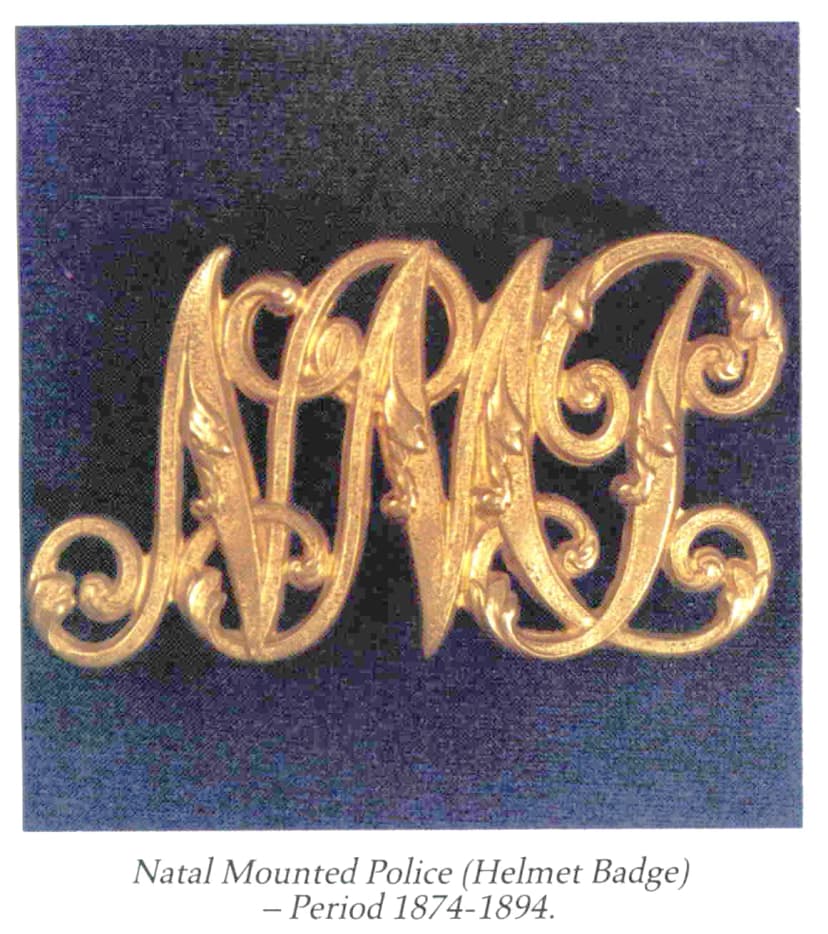
1899 – 1902: Anglo Boer War Memorial Pietermaritzburg to Natal Police & Natal Troops - Dicription: "The Anglo Boer war Memorial in Pietermaritzburg is surmounted by a large angel. The eight panels contain, apart from the inscriptions, with the names of the fallen, symbolic scenes. The main legend on the octagonal base commemorates the Volunteers, Natal Police and other Natal Colonists who died for their sovereign and country. The sculptor was George E. Wade of London".

“SHOCK TROOPS” IN DURBAN, 1973: PERSOONLIKE HERINNERING VAN ‘n HISTORIESE OOMBLIK
SAP - Durban

“SHOCK TROOPS” IN DURBAN, 1973: PERSOONLIKE HERINNERING VAN ‘n HISTORIESE OOMBLIK

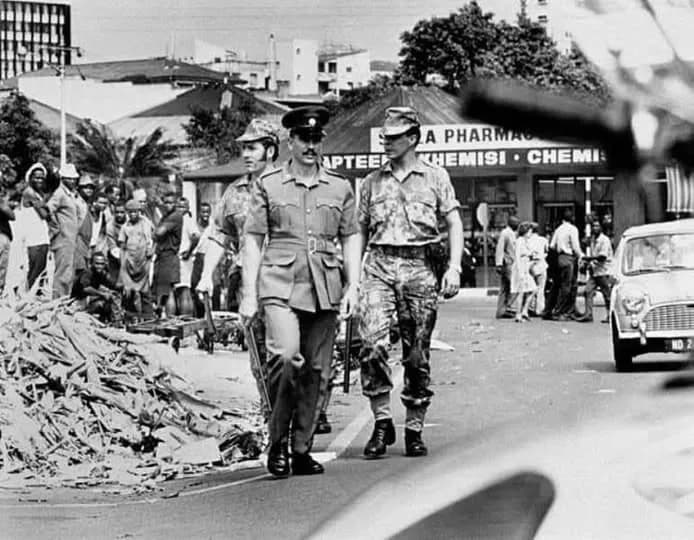
In January 1973, Durban became the focus of a series of massive worker protests, with more than 60 000 black workers making their voices heard against disrespect, exploitation, low wages, and the ban on trade unions. These peaceful protests marked a turning point in South Africa’s labour history. The South African Police (SAP) was quickly mobilised to maintain public order, if necessary. However, the situation was handled with great insight and expertise by the police (based on correct information and situational awareness), which prevented the conflict from getting out of hand. This successful handling has drawn much praise for the Force’s professional and judicious action.