

BfSS NIS
Is Azania 'n Kommunistiese land, of nie? - The Debate continues...
IS SOUTH AFRICA NOW CALLED AZANIA?
996 articles
IS SOUTH AFRICA NOW CALLED AZANIA?
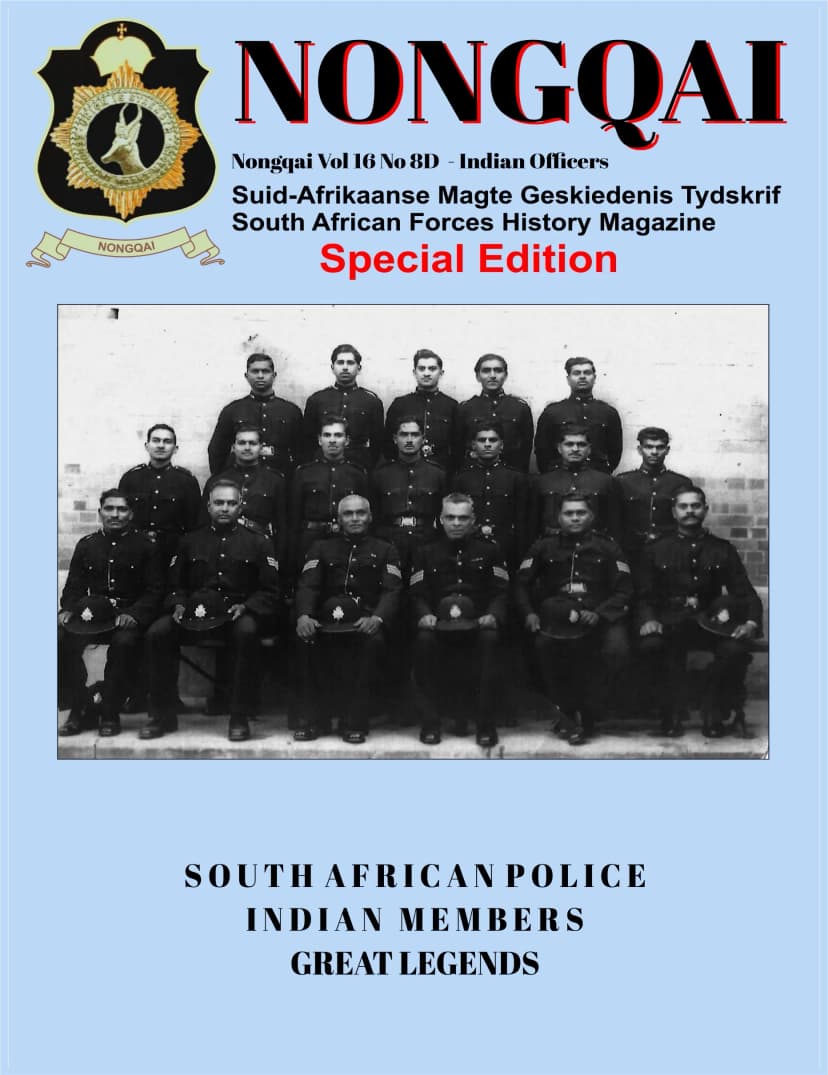
NONGQAI VOL 16 NO 8D: SOUTH AFRICAN POLICE INDIAN MEMBERS GREAT LEGENDS

Use of psychoactive substances and drug trafficking for funding purposes is a well-known practice acted by terrorist groups. Europe appears to be increasingly involved in this mechanism, as both an active and passive element, and increased attention should be played to this phenomenon by potentially interested actors.

1838: The Battle of Blood River & 1912: The Church of the Vow: Pietermaritzburg

Historic Background of the South West Africa (SWA) 1 Infantry Battalion and Regiment Windhoek: 1927 – 1989
An American falls on his back in the SA Police College - an anecdote about a self-defence instructor at the Police College in Pretoria.

Allow me as a retired Luit. Gen. to share an encouragement with disillusioned policewomen as we are already in the 2nd half of Women's Month.
Explore the legendary battlefields of Rorke’s Drift and Isandlwana—two pivotal sites of the Anglo-Zulu War that shaped South Africa’s military history and continue to inspire reflection and remembrance.
THE IRISH VOLUNTEER MONUMENT IN SOUTH AFRICA: FROM BRIXTON JOHANNESBURG TO ORANIA NORTHERN CAPE
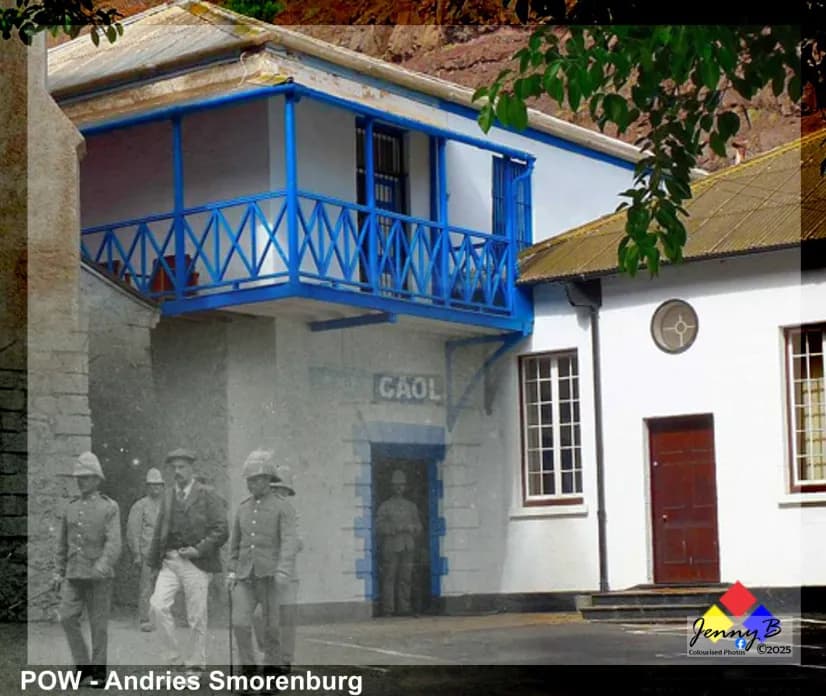
In this article we remember the following foreign volunteers fought on the Boer side: Andries Smorenburg, Colonel de Villebois-Mareuil and Count Harra von Zeppelin. A short life description of each is given.

1971: LANDMINE VICTIM: CAPT HTS ‘BONNIE' VAN EEDEN: SAP DURBAN WEST
This article offers a firsthand account and critical analysis of South Africa’s minibus taxi industry, tracing its evolution from a “necessary evil” to a sector marked by violence, political entanglement, and regulatory failure. Drawing on personal experience within the Division of Internal Stability and referencing recent incidents—including the 2025 Maponya Mall attack—the piece explores how taxi associations have allegedly morphed into mafia-like entities capable of intimidating competitors and influencing public policy. The article highlights the challenges of policing taxi-related violence, the economic and political stakes involved, and the urgent need for national-level intervention and transparency. It calls for moral courage and institutional reform to address a deeply entrenched crisis.