
Establishment & Generals in SAPS
Open letter: Dr L Max
Police leadership should be founded on professional qualifications, operational policing experience, integrity, and merit rather than primarily on executive or political considerations.
10 articles match your filters
Police leadership should be founded on professional qualifications, operational policing experience, integrity, and merit rather than primarily on executive or political considerations.
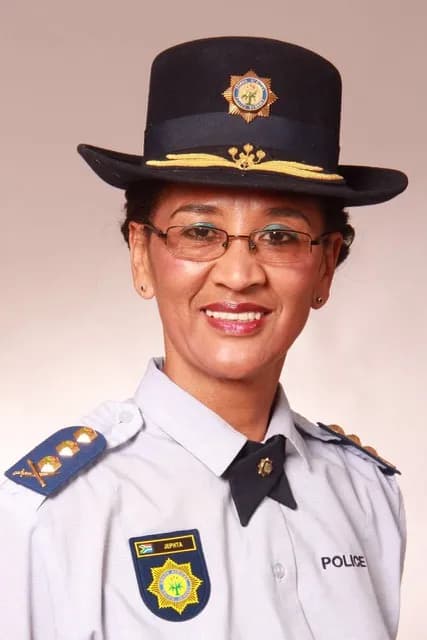
Nongqai Vol 17 No 10 – (24) Lt. Gen. Sharon Jephta
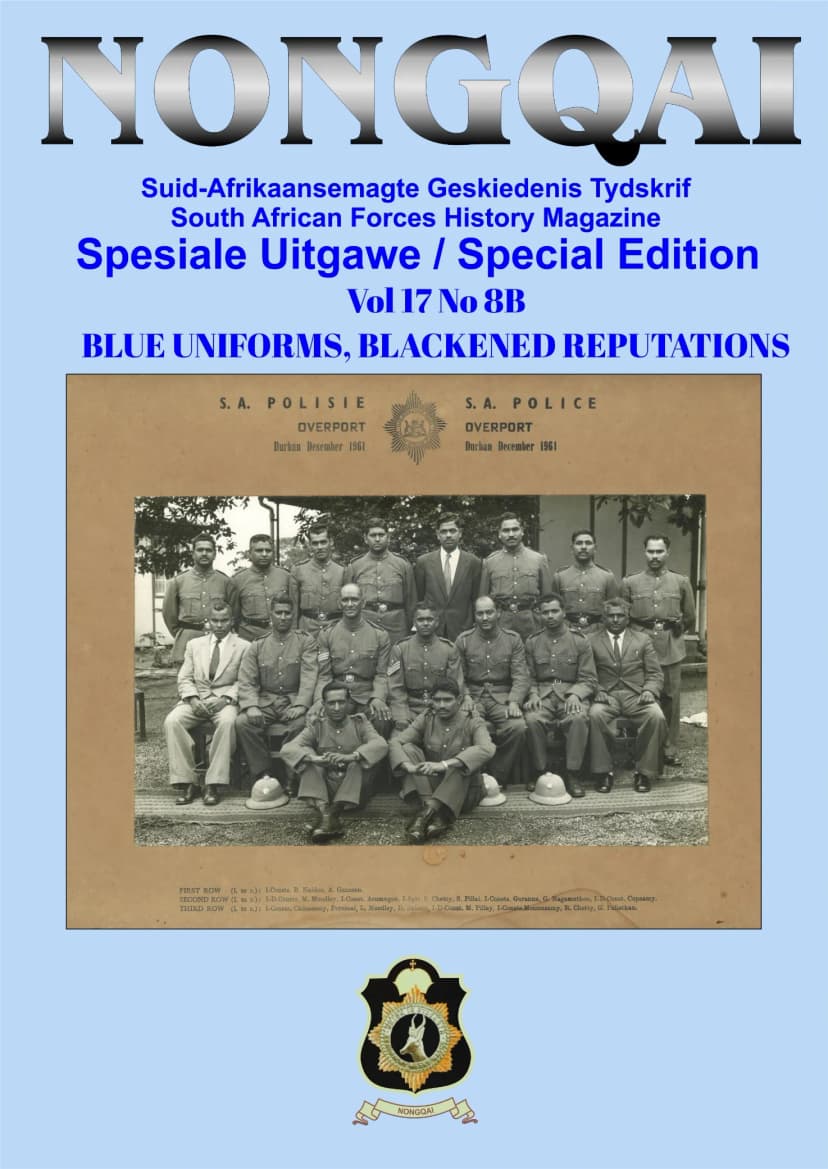
The article looks at the history and contribution of Indian police officers in South Africa. It describes how many officers served with courage despite racial barriers and difficult conditions. It highlights important police officers and families who built a strong legacy of public service. The article also discusses corruption and the loss of trust in parts of the police service. It ends by calling for integrity, justice and a return to the true spirit of policing.
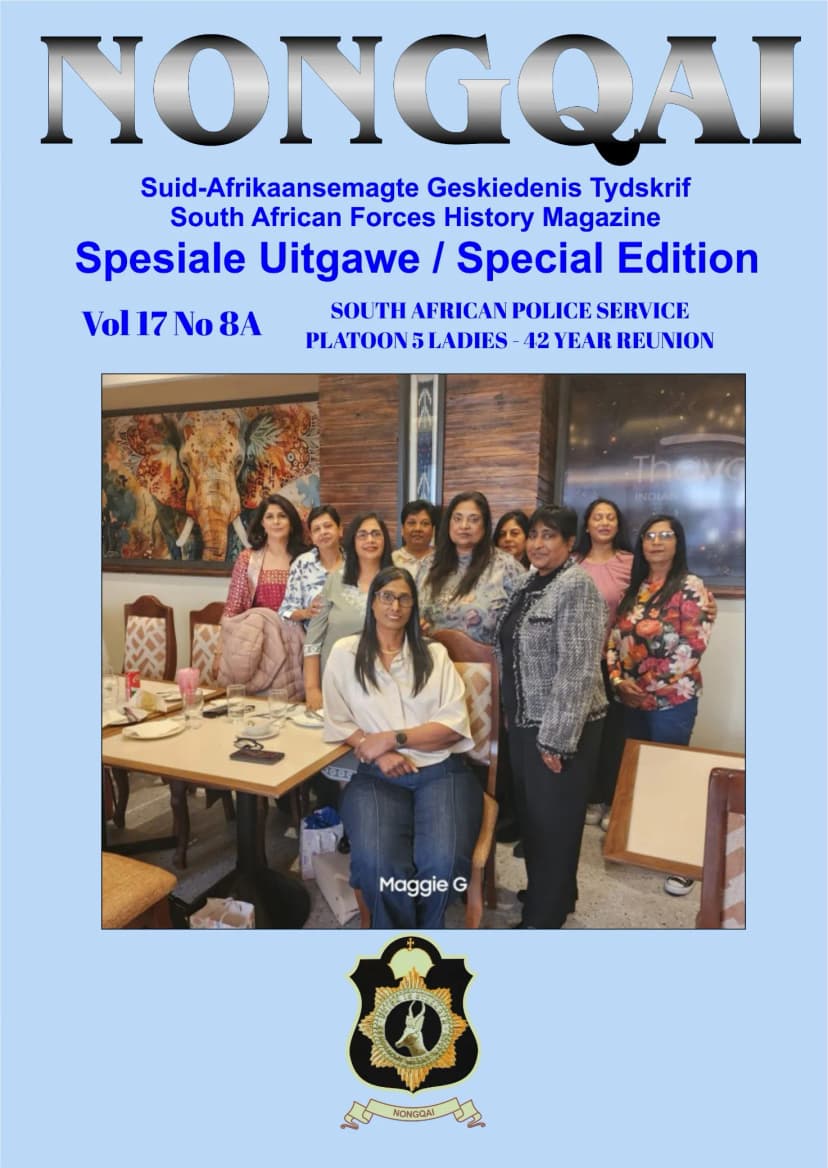
This publication commemorates the 42-year reunion of the South African Police Service (SAPS) Platoon 5 Ladies who commenced training at the Cato Manor Training College in July 1984. It celebrates their enduring friendship, shared experiences, and dedicated service while reflecting on the values of discipline, integrity, loyalty, and commitment instilled during their training. The reunion, held on 24 July 2026 in KwaZulu-Natal, provided an opportunity to reconnect, honour absent colleagues, and preserve cherished memories. Beyond celebrating their policing careers, the publication recognises the diverse paths these women followed after service while highlighting the lifelong bonds they forged. It stands as a tribute to their legacy, resilience, and lasting contribution to the history of women in the South African Police Service.

Helena M. Jacobs recounts a distinguished career in the South African Police Service marked by dedication, resilience, and unwavering integrity. Beginning her service in 1990 as a clerk in Ogies, she went on to support several specialised units, including SANAB, Serious Violent Crime, Legal Services, and Organised Crime. Her journey reflects both professional challenges and profound personal loss, notably the tragic passing of her daughter in 1999, during which her SAPS colleagues offered exceptional compassion and support. Jacobs played a vital administrative role in complex investigations, high pressure environments, and sensitive case preparations, earning recognition as Gauteng’s second best Support Employee of the Year in 2014. Her career stands as a testament to the indispensable contribution of administrative personnel within policing, and she retires with a legacy of loyalty, discipline, and meaningful service to her country.
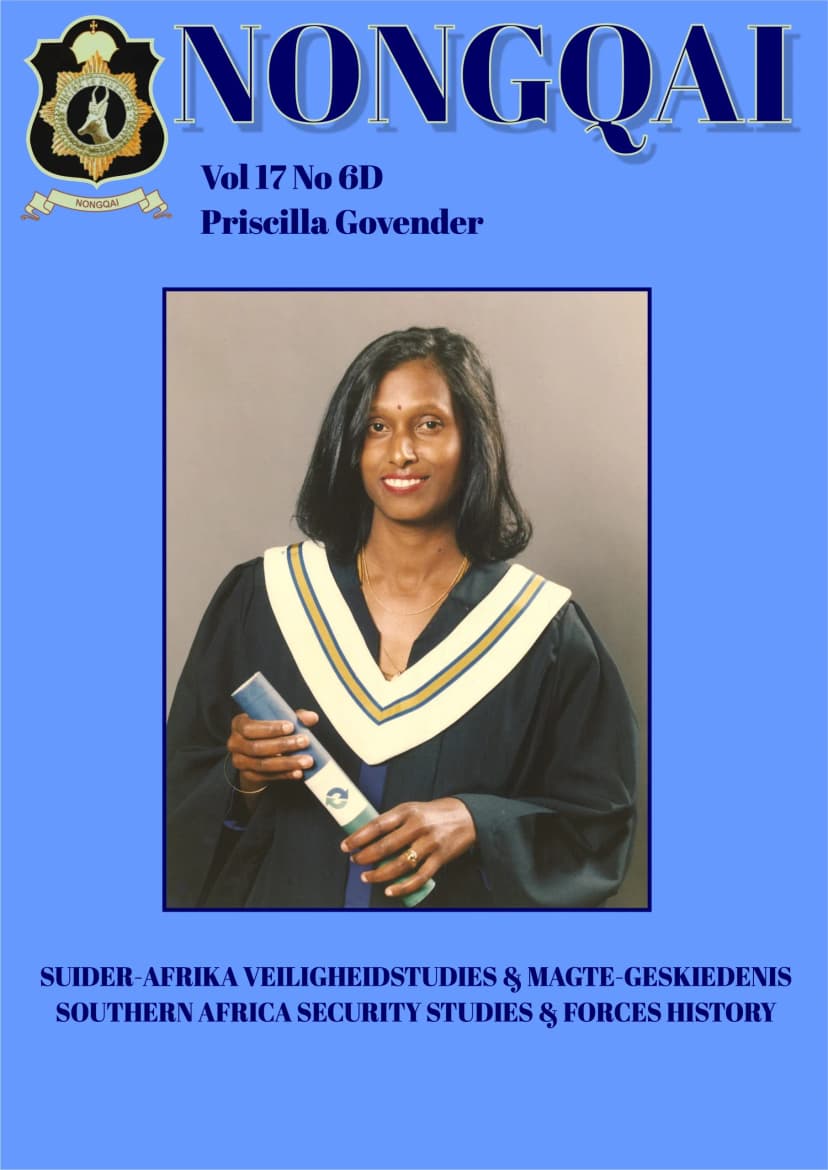
This publication pays tribute to the life and distinguished career of Colonel Priscilla Govender, a respected member of the South African Police Service (SAPS). The foreword by Brigadier (Retired) Maggie Govender and the tribute by Colonel (Retired) Charlie Pillay recognise Colonel Govender's outstanding leadership, professionalism and commitment to public service. Born and raised in Chatsworth, Colonel Govender overcame many challenges to become one of the first Indian women to build a successful career in policing. Through dedication, discipline and continuous learning, she rose through the ranks to retire as a Colonel after more than 37 years of distinguished service. The publication highlights her professional achievements, specialised training, medals and contributions to major national and international operations. The publication also celebrates her personal life as a devoted wife, mother, grandmother and community leader. Even after retirement, she continued serving society through voluntary work and by supporting senior citizens, demonstrating that public service extends beyond a professional career. Her humility, compassion and integrity remain an example to others. Overall, this work honours Colonel Priscilla Govender as a trailblazer and role model whose life inspires future generations to serve with courage, integrity and dedication. It preserves her legacy while recognising the contributions of all those who assisted in documenting and celebrating her remarkable journey.
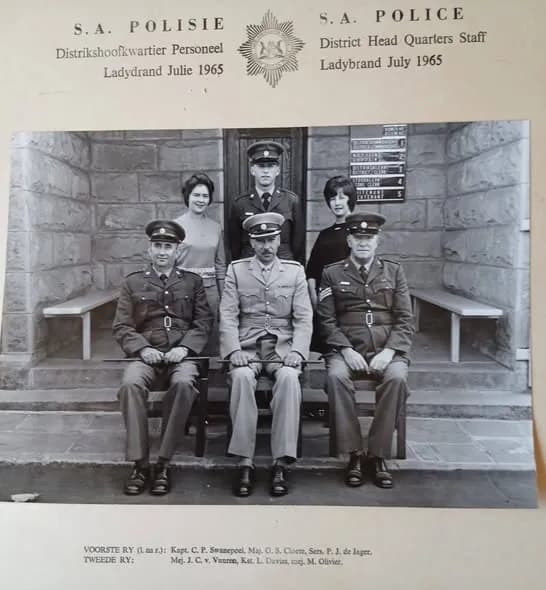
The career of Ms Tilla Botha in the South African Police/ SAP Service: Tilla Botha’s career in the South African Police reflects a pioneering journey marked by perseverance, loyalty, and unwavering dedication. Beginning in 1964 as one of the first female typists at the Ladybrand District Office, she advanced through numerous specialised units during a period when opportunities for women in policing were limited. Her service included key roles in the Vanderbijlpark Detective Branch, Ermelo Security Police, Blinkpan Police Station, Burgersfort Detectives, SANAB Middelburg, Murder and Robbery, Serious and Violent Crime, and later the Hawks in Middelburg. Across all postings, Botha was recognised for her professionalism, integrity, and steadfast commitment to duty. Upon retirement, she looked back on a career rich in meaningful experiences and significant contributions. Today, at 80 years of age, she remains an inspiration to colleagues and all who know her, embodying a legacy of service, courage, and resilience.
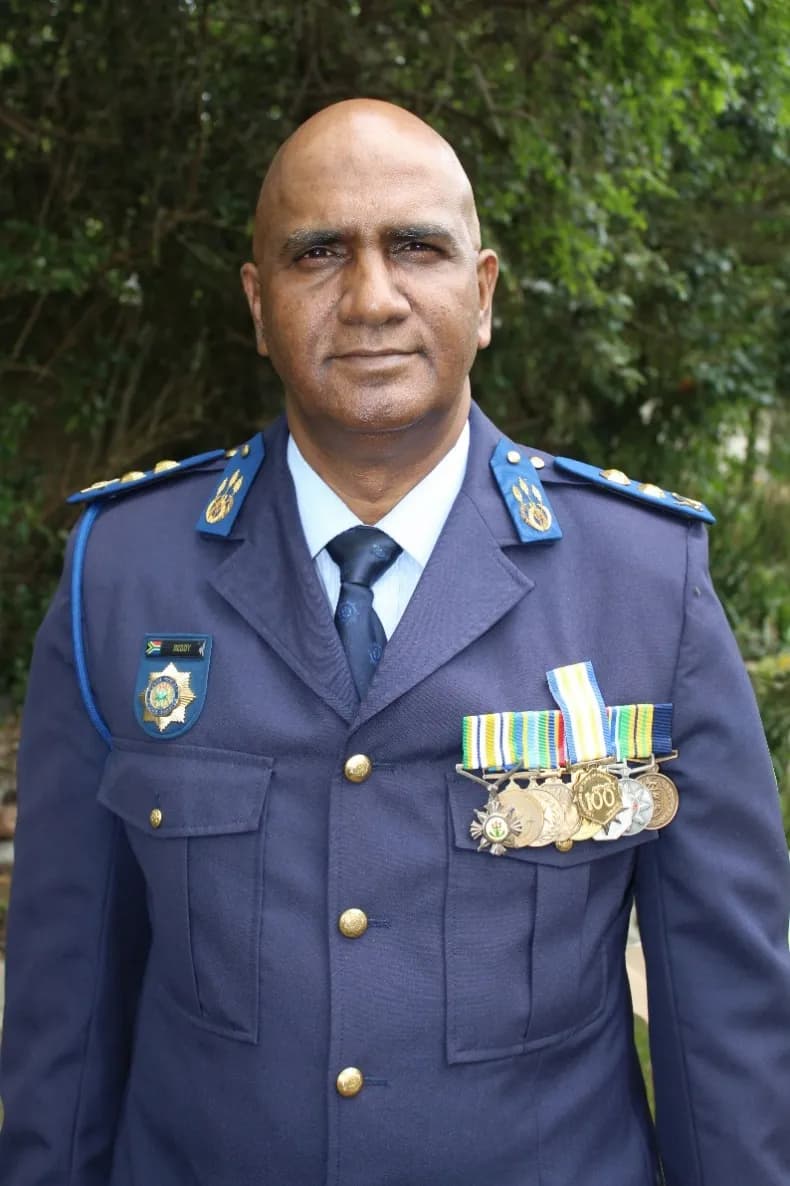
This autobiography tells the inspiring life story of Brigadier Chris Thaver, who served with honour and dedication in the police service. It describes his early struggles, career growth, and the challenges he faced during difficult times in South Africa. Through hard work, discipline, and determination, he achieved many historic milestones in the police service. His story also highlights the importance of family support, mentorship, and strong personal values.
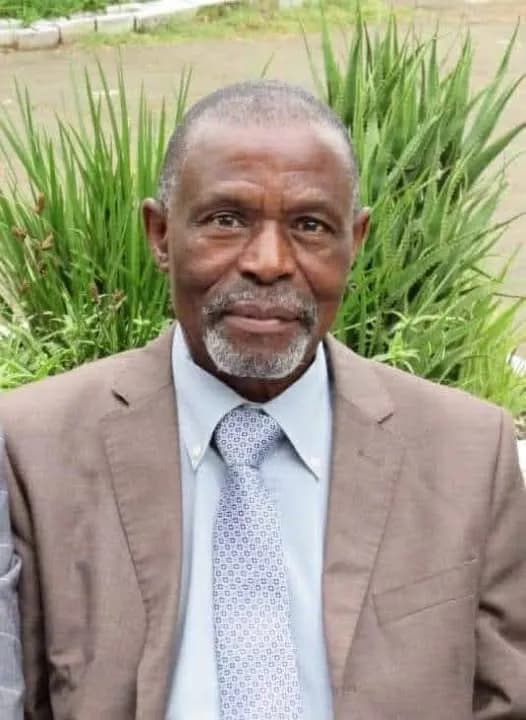
This account reflects on the life and service of Warrant Officer Sipho George Ngcamu, a dedicated member of the South African Police who served with integrity and commitment during a difficult period in the country’s history. Born in Kranskop, KwaZulu-Natal, in 1955, Ngcamu joined the police in 1979 and spent much of his career serving in Pietermaritzburg, including at the challenging Plessislaer station. The narrative highlights the harsh realities faced by police officers in the early 1990s, including limited resources, staff shortages, and dangerous working conditions. Many officers felt discouraged and unsafe, while mistrust between the police and the community remained strong due to the legacy of Apartheid. In this environment, meaningful change required more than authority; it needed trust, honesty, and strong relationships. Ngcamu stood out as a man of discipline and integrity, particularly in his role managing exhibits, where accuracy and honesty were essential. His reliability earned him the respect of both colleagues and the community. Recognised as a natural leader, he became a vital link between the police and the public, helping to rebuild trust and inspire hope within the station. The abstract also reflects on the importance of leadership and vision in times of difficulty. Drawing inspiration from the biblical passage of Ezekiel 37, the station’s situation is compared to a “valley of dry bones”, symbolising despair but also the possibility of renewal. Through commitment, teamwork, and individuals like Ngcamu, progress became possible. Overall, this piece honours Ngcamu’s contribution and reinforces the idea that a nation must remember and value those who serve with courage and integrity, as their efforts shape both institutions and communities.
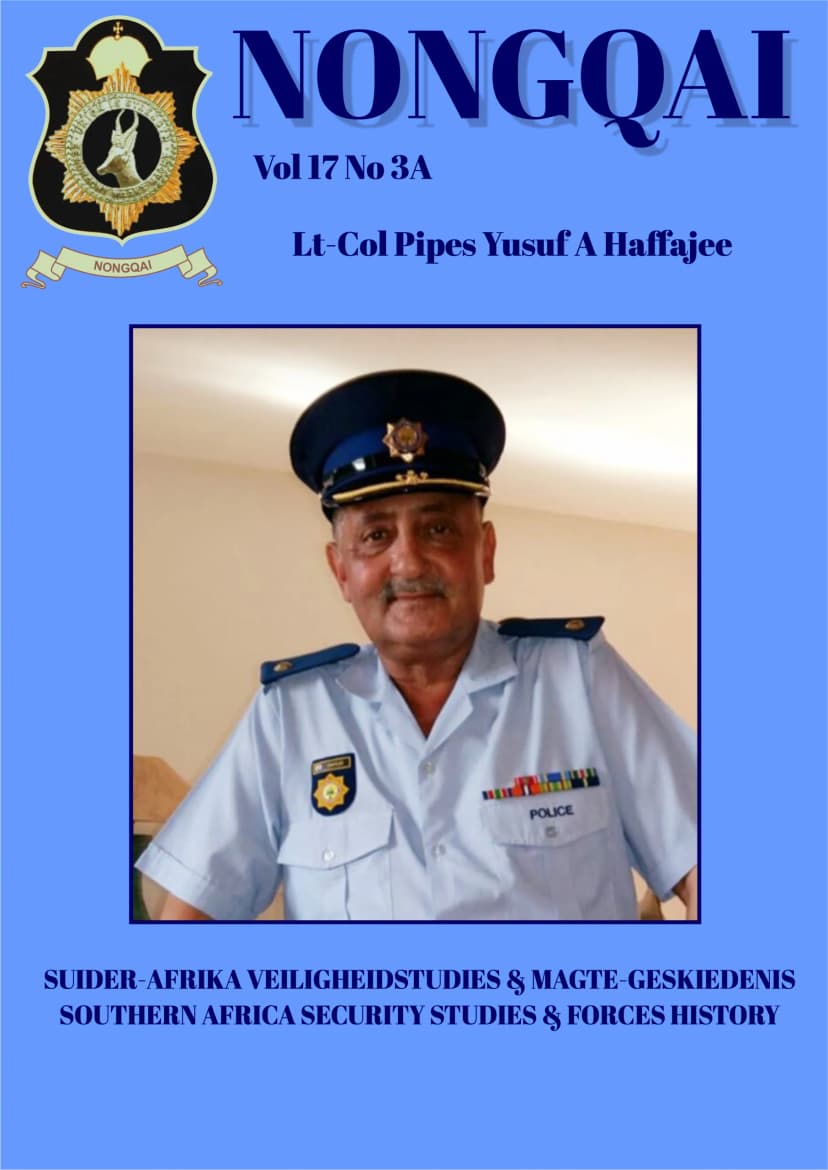
Lieutenant-Colonel Yusuf A Haffajee is acknowledged and honoured for more than 42 years of loyal and distinguished service to the South African Police Service. Born in Durban, he joined the South African Police in 1974 and served in several divisions, including Crime Prevention, Administration, Tracing and Detective Services. Throughout his career, he demonstrated professionalism, courage and strong dedication to justice. He became widely respected as a skilled investigator, known for solving complex and sensitive cases, often involving vulnerable members of the community. His calm and patient approach earned the trust of victims, colleagues and even suspects. Rather than relying on force, he believed in respectful discussion and careful investigation. Lieutenant-Colonel Haffajee also served at the border and received several medals for loyal and exemplary service. However, beyond his awards, it is his honesty, humility and compassion that truly define his legacy. His career stands as an example of honourable service, strong leadership and commitment to the people of South Africa.