
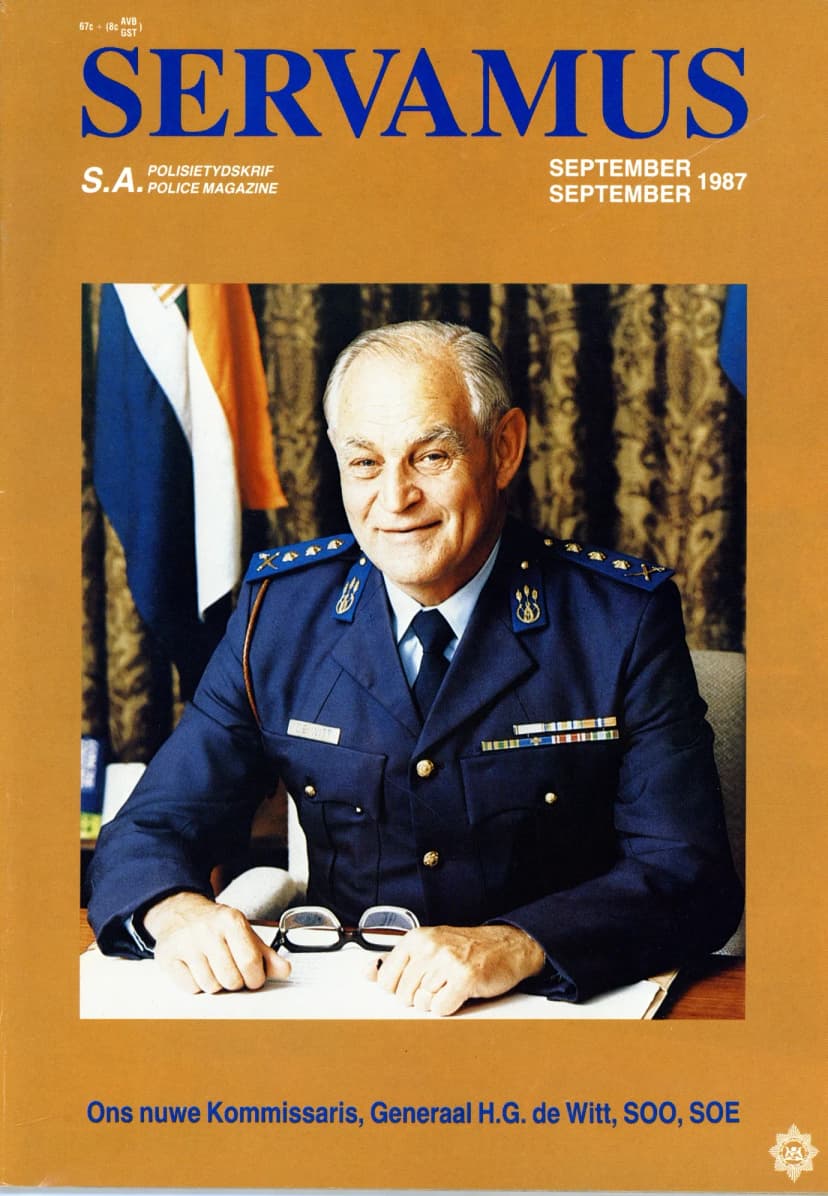
Aide-de-Camp
1990? Bevelsoorhandiging en Uitpaseringsparade
Nongqai Vol 17 No 9 – (32) 1990? Bevelsoorhandiging en Uitpaseringsparade
22 articles match your filters
Nongqai Vol 17 No 9 – (32) 1990? Bevelsoorhandiging en Uitpaseringsparade

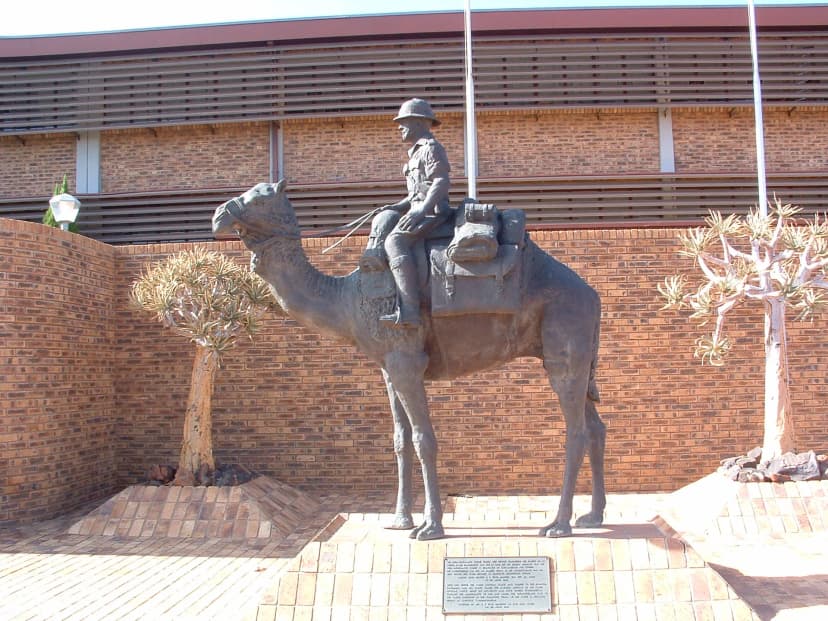
The fire crackles softly in the windless Namib night, and the desert stretches out like an ancient, breathing presence. Around the flames, stories rise — of camel patrols, diamond fields, stranded ships, spies in German South West Africa, and policemen who walked the silence with discipline and courage. The Namib becomes a vast archive: a place where the stars speak of creation, where abandoned towns sink slowly into sand, and where men like Louis Botha, Trew, Ironside, Smith, Verster, and countless unnamed constables left their footprints on a land older than memory. In this world of dunes, wind, and forgotten histories, the desert keeps its secrets — yet reveals them to those who listen.
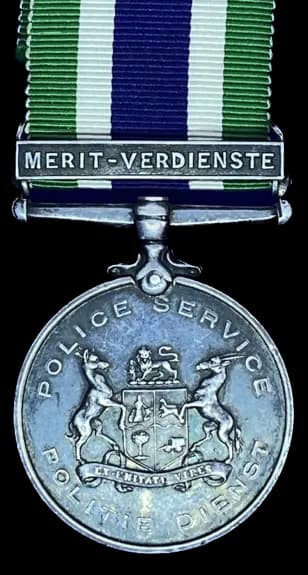
This article examines the complex service history of Constable William Lodewyk Bos/Boss, a member of the South African Mounted Rifles (SAMR) who later transferred to the South African Police (SAP). His career illustrates the transitional period in South African policing after Union, when militarised police forces evolved into national services. The article contextualises the development of long‑service awards, including the Permanent Forces of the Empire Beyond the Seas Long Service and Good Conduct Medal and the later Police Good Service Medal, instituted under Government Notice GN938 of 8 June 1923. Constable Bos/Boss’s military and police service included participation in the 1914 Afrikaner Rebellion, the German South West Africa campaign, and later enlistment in the Union Defence Force during World War II. His unusual change of surname from Bos to Boss, confirmed only by a newspaper notice, highlights administrative irregularities of the era. Despite disciplinary infractions that could have disqualified him, he ultimately received the SAP Good Service Medal in 1949. The article reconstructs his career through service records, force orders, medal documentation, and family history sources, offering a detailed case study of early 20th‑century South African policing and medal policy. “The award was to be known as the Police Good Service Medal…” “A letter dated 2nd January 1920… confirms to staff records at HQ that William Bos has changed his name to Boss.”
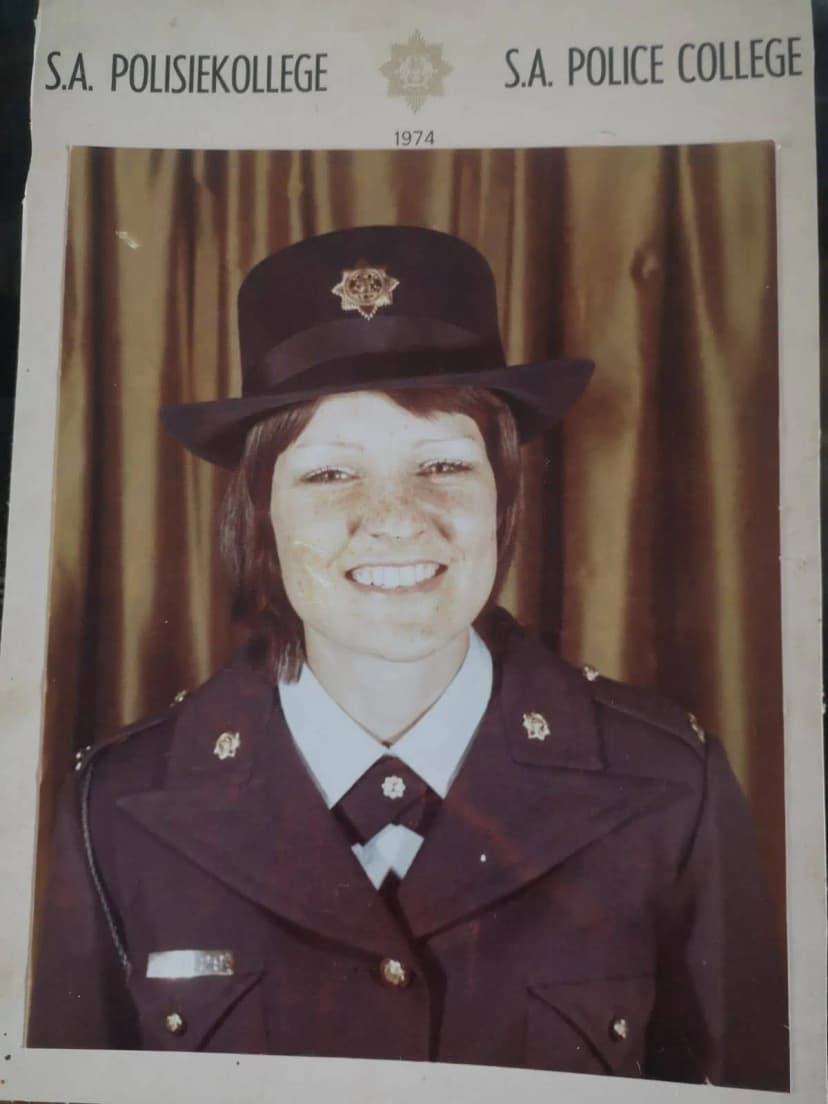
This biographical profile traces the life and distinguished career of Heleen Swart, a pioneering South African policewoman whose service spanned from 1974 to 1999. Rising from early administrative duties to specialised investigative work, she played a central role in establishing the first Child Protection Unit (CPU) in Durban following the landmark Addington Hospital baby abduction case. Her career included extensive work in crime investigation, police training, station command, and election management during South Africa’s transitional period. After retiring medically, she built a successful hospitality business and remains actively involved in community safety and veteran police organisations. Her story reflects resilience, dedication, and lifelong service to the SAPD, her community, and her family.
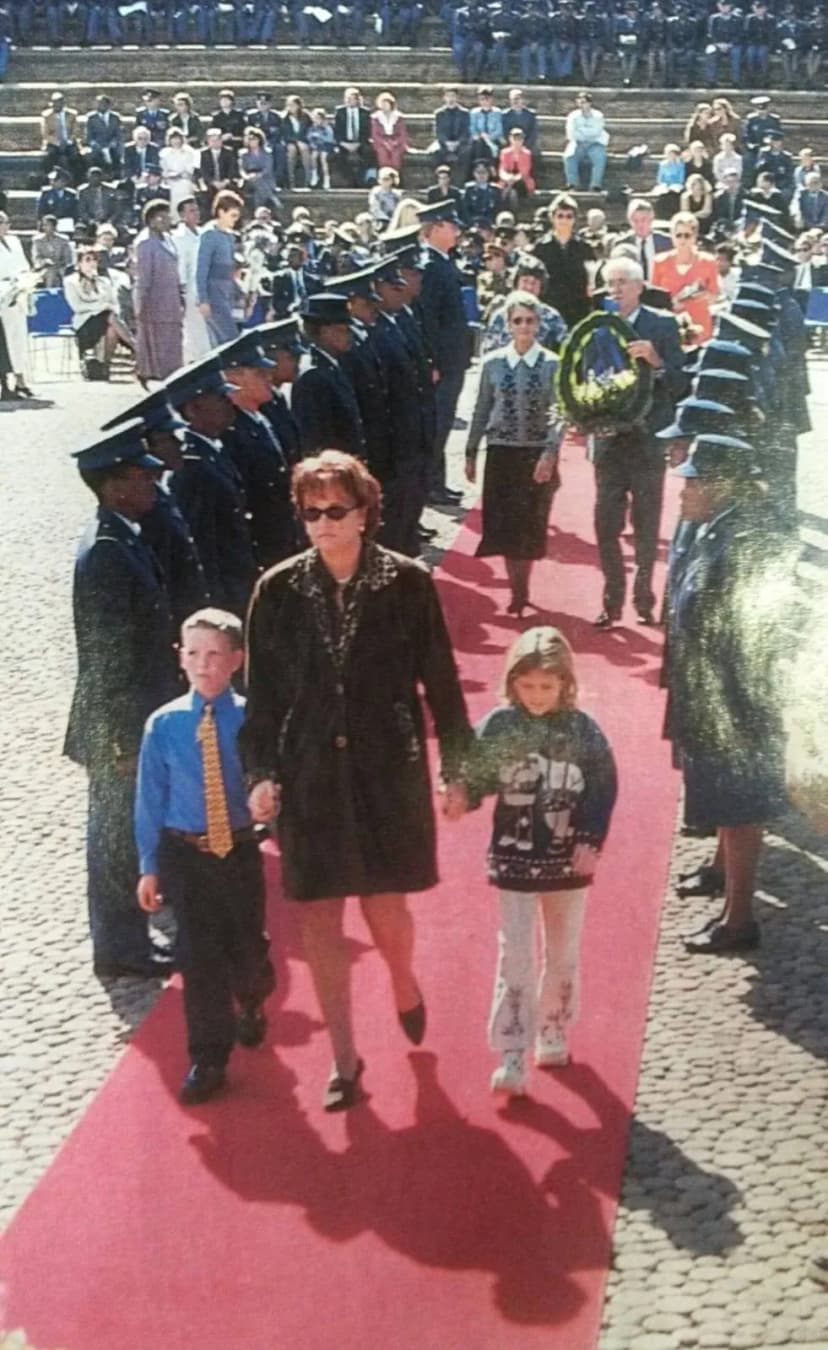
This autobiographical narrative traces the life and career of Ria Potgieter within the South African Police Service (SAPS) community, beginning with her appointment in 1983 as a typist at the Potchefstroom Headquarters Division. Her story highlights the deep professional and personal bonds formed within the policing environment, her marriages to two policemen, and her varied roles in administrative, investigative, and child‑protection units. A central and devastating turning point occurs with the murder of her husband, Sergeant Jaco Potgieter, during an armed robbery on 25 June 1999 — an event that profoundly shaped her life and remains emotionally present decades later. The narrative also reflects her continued resilience, career transitions, relocation to the Western Cape, and her role in raising both her biological and step‑children. Ultimately, the account emphasises the enduring solidarity of the SAPS community and her gratitude for divine protection throughout her life.
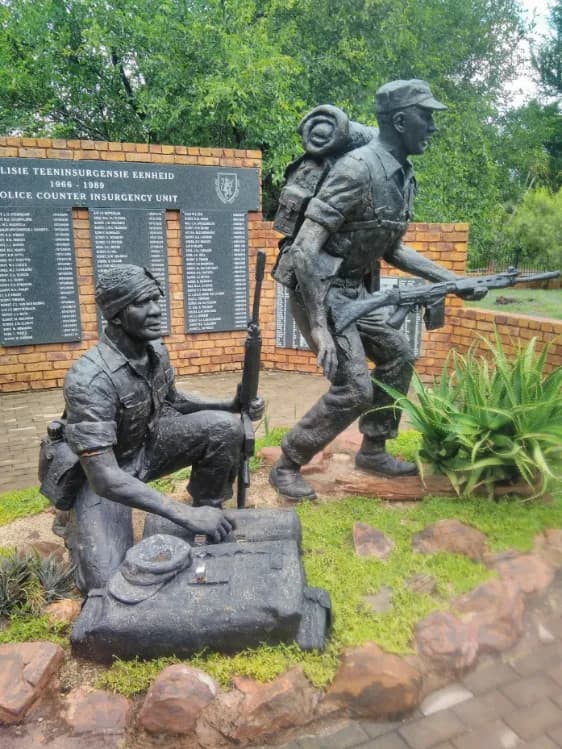
2025: THE SOUTH AFRICAN POLICE (SAP) COUNTER INSURGENCY (COIN) UNIT VETERANS LEAGUE'S ANNUAL MEMMORIAL

Members of the South African Police served in Kenya during 1953

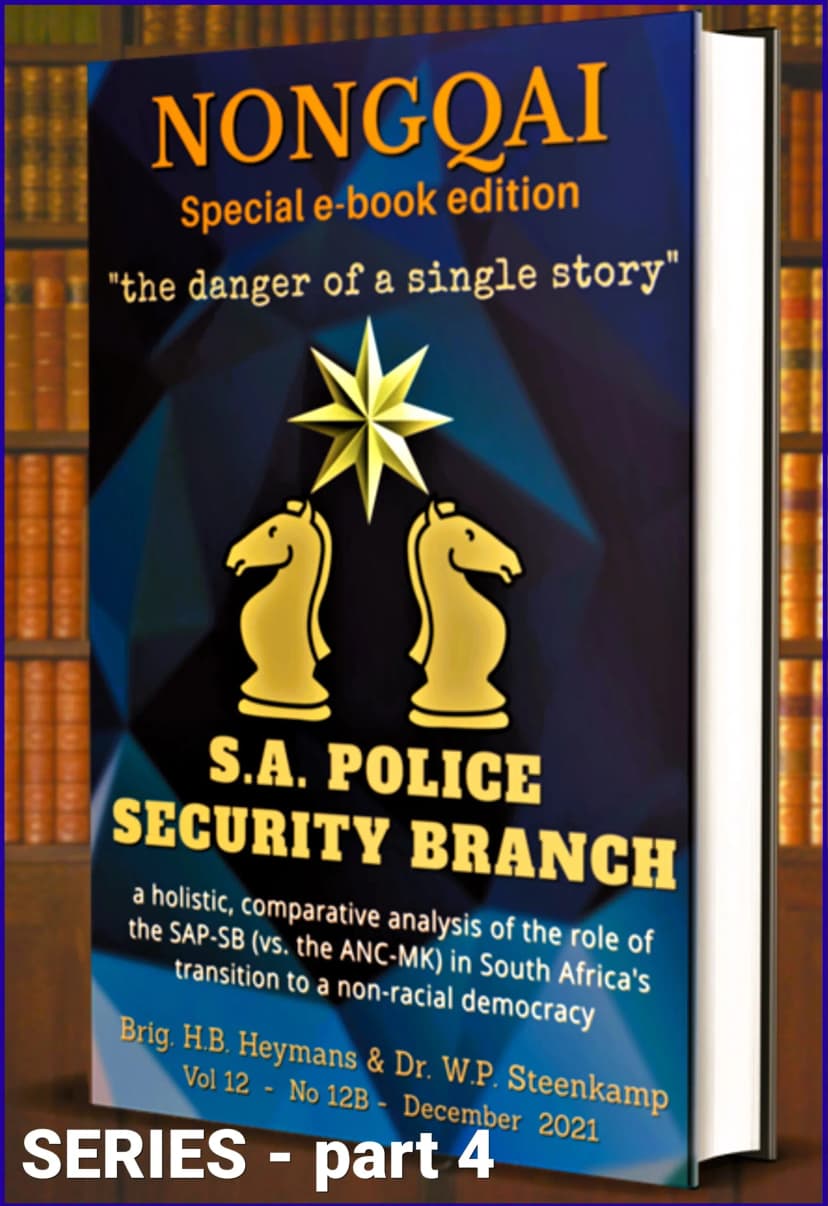
ABSTRACT: S A Police Security Branch Series Part 4 - the fourth extract from NONGQAI’s eBook on the South African Police Security Branch and the armed struggle launched by the SACP/ANC-alliance. This chapter explores who and what the
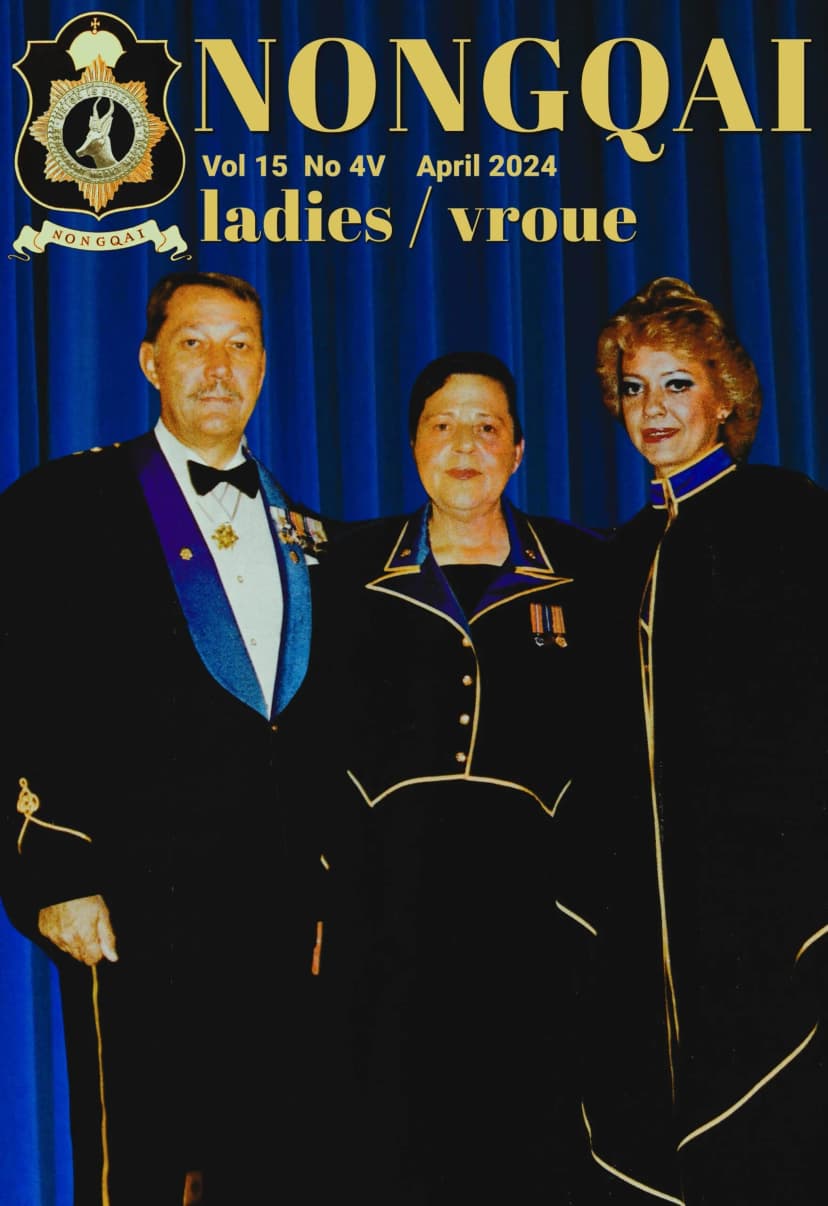
NONGQAI LADIES EDITION APRIL 2024 NOW AVAILABLE
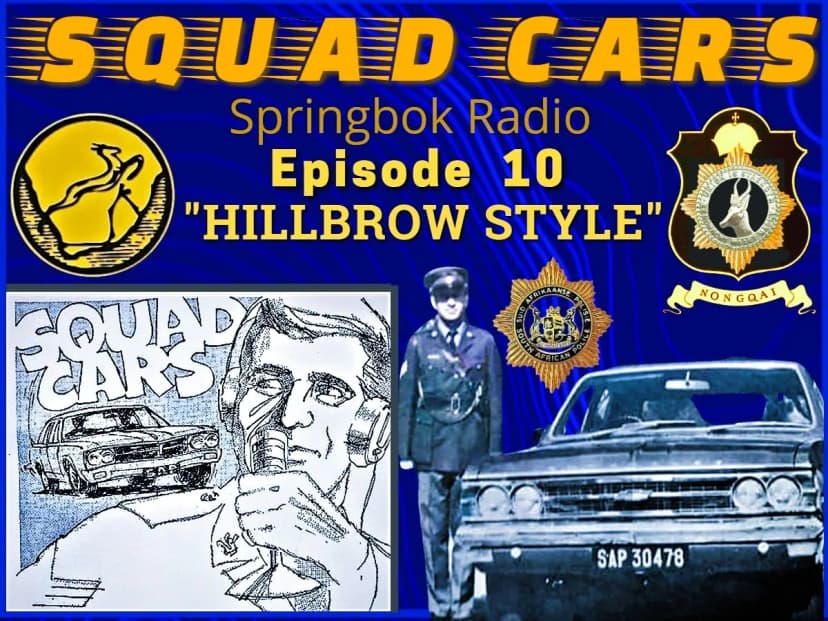
Wat was nou lekkerder as om naweke te kon inskakel op Springbok Radio se uitstekende radiodrama-reeks oor die SAP Blitspatrollie, "SQUAD CARS".