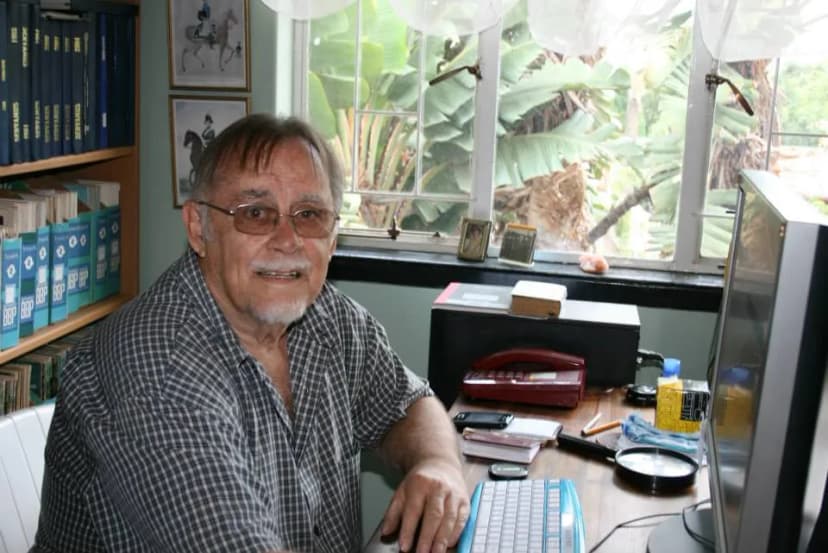
This article responds to recent claims about K44, the CDCO and related allegations, and then describes the author’s introduction to the unit, vetting, appointment and first impressions of the team. It concludes by stressing the secrecy, compartmentation and invisibility of the group.
Brig Bouwer argues that farm murders reflect a long standing pattern of rural violence shaped by history, politics, weak state capacity, and conflicting national narratives.
A historical and legal analysis showing how violent slogans such as “Kill the Boer” create instability, undermine nation building, and inevitably return as a destructive boomerang within society.
A historical analysis showing how revolutionary indoctrination, paramilitary training, and state neglect allowed farm attacks in South Africa to evolve into a long running, deadly phenomenon.
The article argues that the student uprisings were driven not only by practical grievances but by a profound cultural and ideological clash reshaping South African universities.
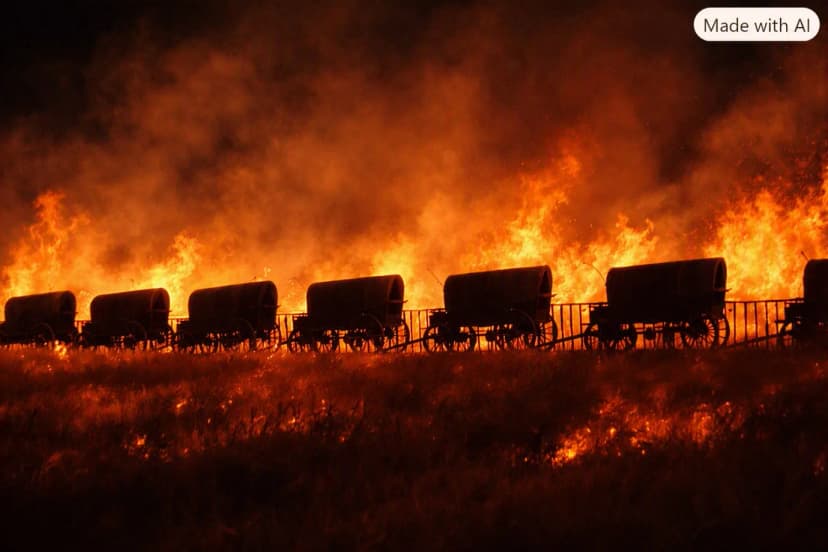
The Battle of Blood River established a foundational moment in South Africa’s security consciousness. Nearly two centuries later, the 2026 arson attack at the heritage site reminds us that cultural landmarks remain vulnerable and require vigilant protection.
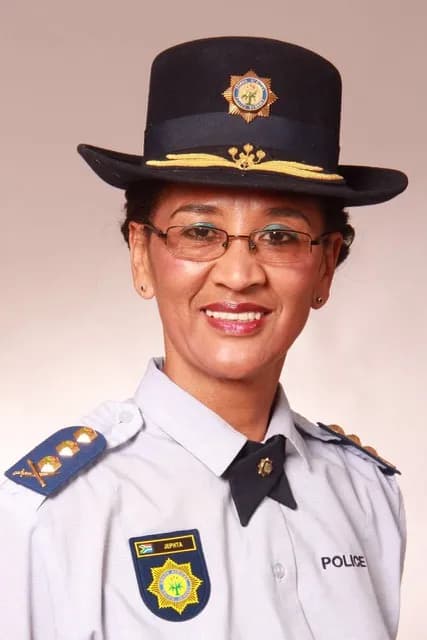
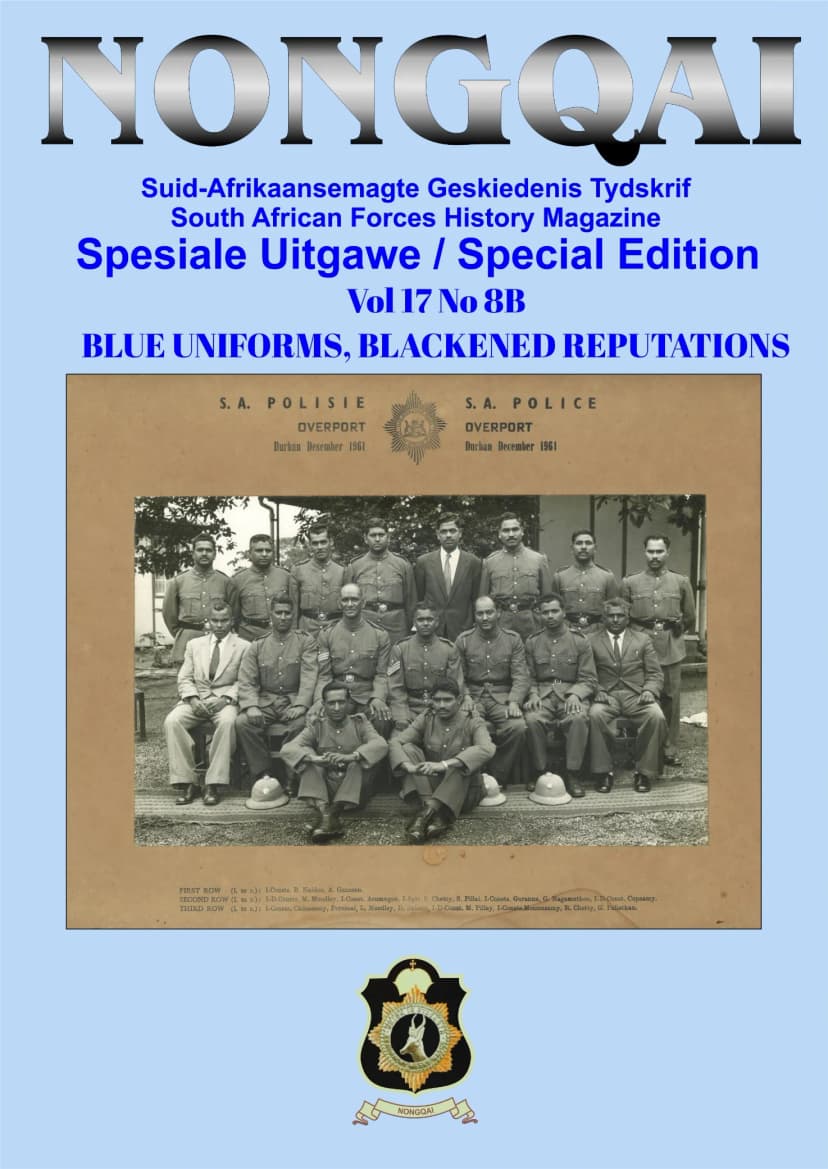
The article looks at the history and contribution of Indian police officers in South Africa.
It describes how many officers served with courage despite racial barriers and difficult conditions.
It highlights important police officers and families who built a strong legacy of public service.
The article also discusses corruption and the loss of trust in parts of the police service.
It ends by calling for integrity, justice and a return to the true spirit of policing.
This reflective piece traces South Africa’s trajectory from the turmoil of 1984 through the democratic transition of 1994 and into the complex realities of 2026. It contrasts the systemic injustice, political violence, and social fragmentation of the apartheid era with the democratic period’s persistent challenges of corruption, state capture, inequality, unemployment, crime, and failing institutions. While acknowledging the profound gains of democracy—expanded rights, political participation, and new opportunities—the author argues that democracy alone does not guarantee good governance or improved living conditions. The central question becomes how to build a society where political freedom and a dignified life coexist. The essay concludes that South Africa’s story remains unfinished, and its true measure lies not in who governed, but in how its people lived.