
Contemporary Police History / Eietydse Polisiegeskiedenis
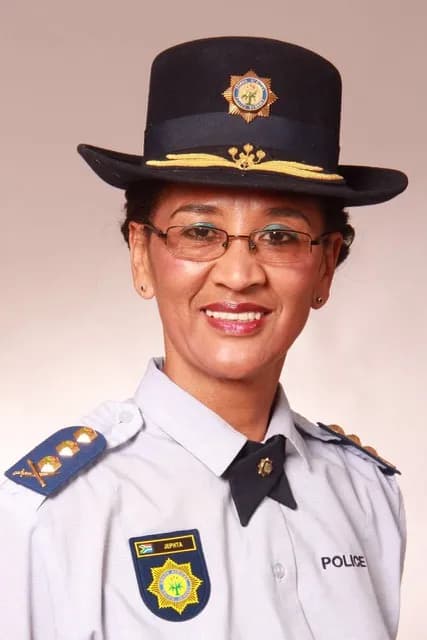
Lt. Gen. Sharon Jephta
Nongqai Vol 17 No 10 – (24) Lt. Gen. Sharon Jephta
13 articles match your filters
Nongqai Vol 17 No 10 – (24) Lt. Gen. Sharon Jephta

This 1957 letter from the Office of the Deputy Commissioner of Police, Natal Division, responds to a request from the Military Historical Section regarding a photograph of Natal Police officers. The Deputy Commissioner supplies biographical notes on seven individuals—Lieut C.L. Archer, 1/Sgt C. Woodgate, R.S.M. W. Ingle, Maj O. Dimmick, Staff/Sgt S. Martin, J.B. Burdett (probable), and one of three possible candidates for the seventh figure: J.K. Popham, Lt Strange, or Edmond‑White. The correspondence suggests the photograph may date from the 1906 Natal‑Zululand Rebellion, when a composite unit was formed from the Natal Mounted Police, Natal Police Field Force, and Zululand Mounted Police. A second page notes the existence of the Natal Mounted Police / Natal Police Old Comrades Association and the difficulty of obtaining further information from surviving members.
A curated glimpse into historic global police uniforms reveals striking cultural contrasts in law enforcement identity.
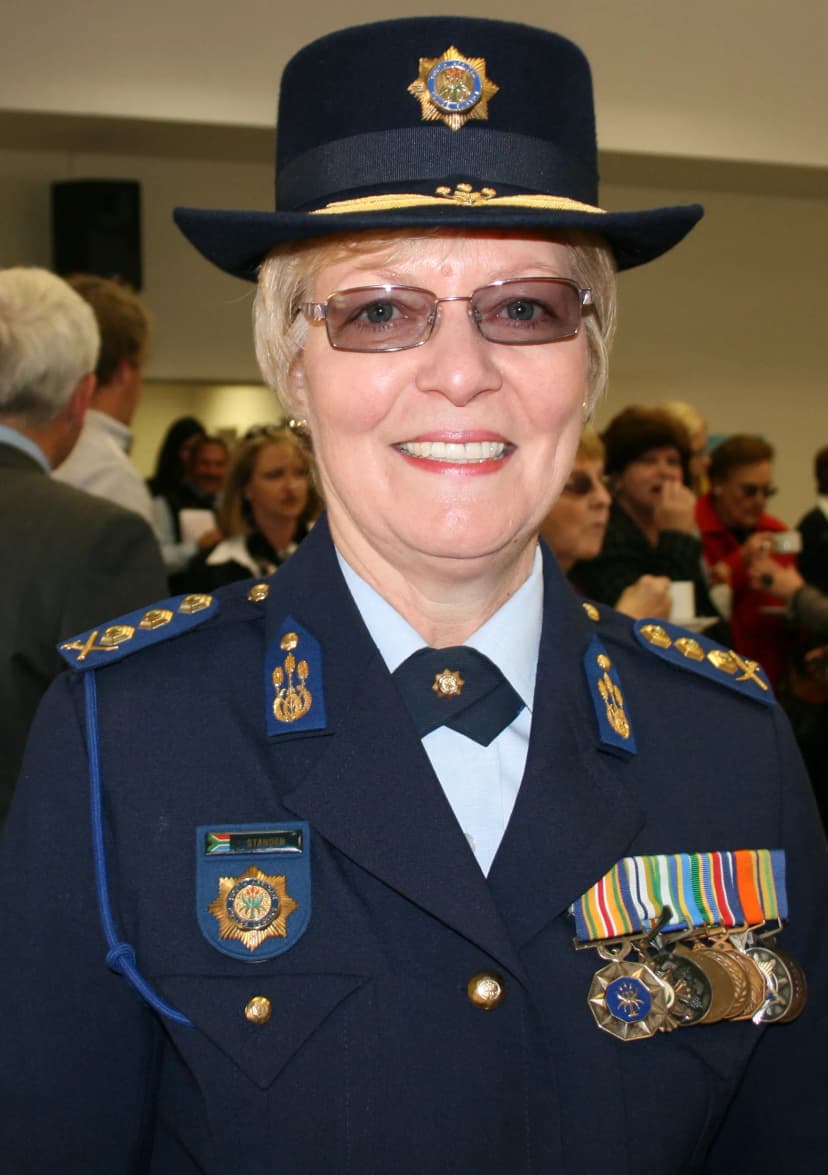
This profile traces the distinguished career of Lieutenant General Magda Stander, who rose from an administrative typist in 1970 to Deputy National Commissioner of the South African Police Service. Her professional journey reflects pioneering leadership, the advancement of women in policing, and decades of dedicated service recognised through high-level decorations, including the Star for Excellent Service and the Star for Excellent Service Gold. The article highlights her contributions, her role in shaping personnel services, and her lasting legacy within the SAPS.

The fire crackles softly in the windless Namib night, and the desert stretches out like an ancient, breathing presence. Around the flames, stories rise — of camel patrols, diamond fields, stranded ships, spies in German South West Africa, and policemen who walked the silence with discipline and courage. The Namib becomes a vast archive: a place where the stars speak of creation, where abandoned towns sink slowly into sand, and where men like Louis Botha, Trew, Ironside, Smith, Verster, and countless unnamed constables left their footprints on a land older than memory. In this world of dunes, wind, and forgotten histories, the desert keeps its secrets — yet reveals them to those who listen.
The article commemorates the historical role of camels in the South African Police. Since 1914, camels were used for patrol duties in the arid regions of the Northern Cape and the Kalahari, and at one point 417 camels served the Police. It describes the unveiling of a commemorative bronze statue in Upington on 25 April 1988 by Minister Adriaan Vlok, honouring both the animals and their riders, who served in harsh desert conditions. The article closes with a reflection that suffering teaches wisdom and faith. The event formed part of the SAP’s 75th anniversary celebrations and highlighted the historical significance of camel patrols in remote regions. The article concludes with a contemplative remark on the lessons of hardship, wisdom, and faith.
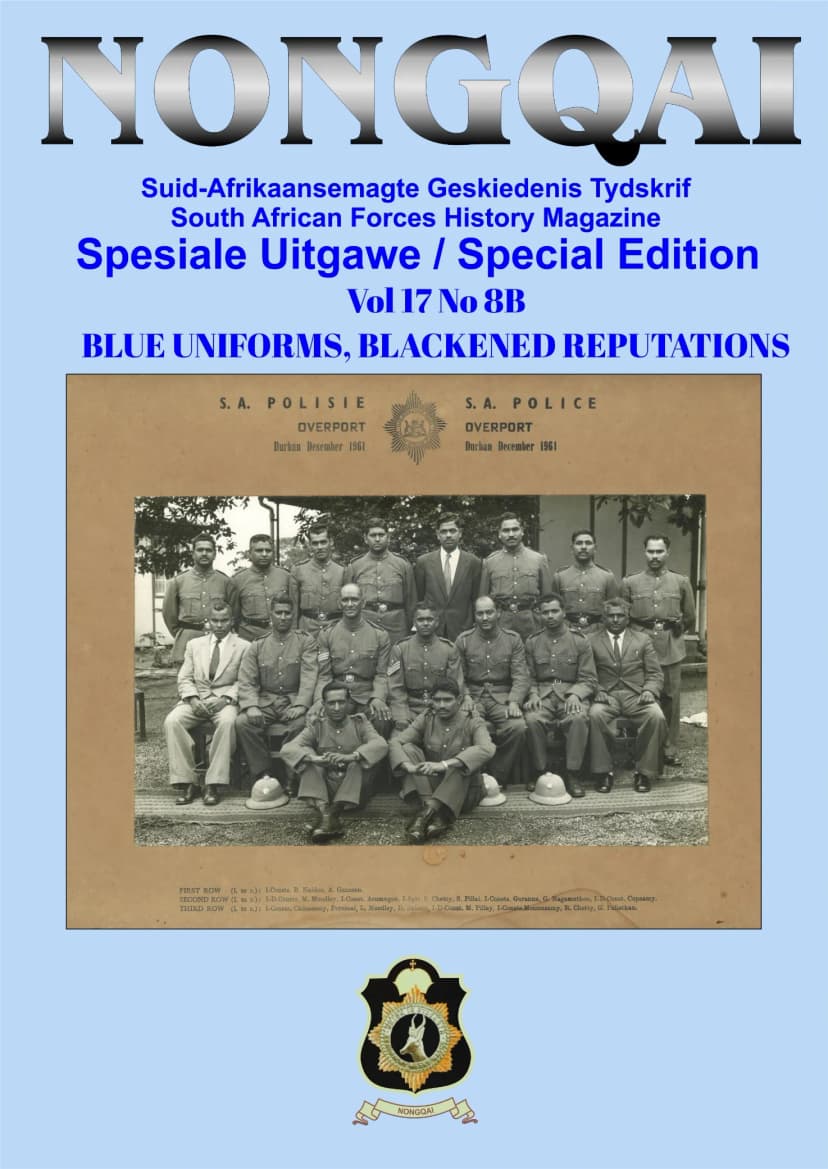
The article looks at the history and contribution of Indian police officers in South Africa. It describes how many officers served with courage despite racial barriers and difficult conditions. It highlights important police officers and families who built a strong legacy of public service. The article also discusses corruption and the loss of trust in parts of the police service. It ends by calling for integrity, justice and a return to the true spirit of policing.

Anita van Zyl recounts her career in the South African Railway Police, later integrated into the SAP and SAPD. She describes the stringent recruitment process, six‑month training at Esselen Park, and the unique living arrangements for female recruits. Her narrative highlights the disciplined daily routine, academic and practical subjects, and the strong camaraderie among trainees. Van Zyl reflects on operational duties across stations, airports, and harbours, including riot control, crime investigation, and specialised units. She offers vivid memories of unrest areas such as Katlehong and Tembisa, where women served alongside men in full combat gear. The account also covers sporting activities, cultural identity within the force, and the impact of the amalgamation that dissolved the Railway Police. Despite the organisational changes, she emphasises the enduring legacy, reunions, and pride shared among former members. Her memoir stands as a tribute to the professionalism, resilience, and unity of the SA Railway Police.
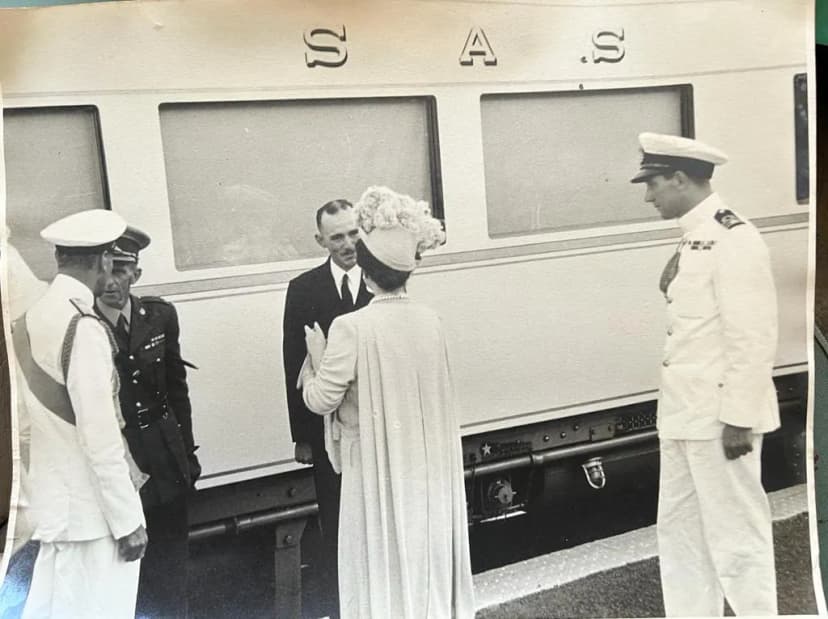
William Butler Lansdell: A Family Tribute and an Unfolding Police History
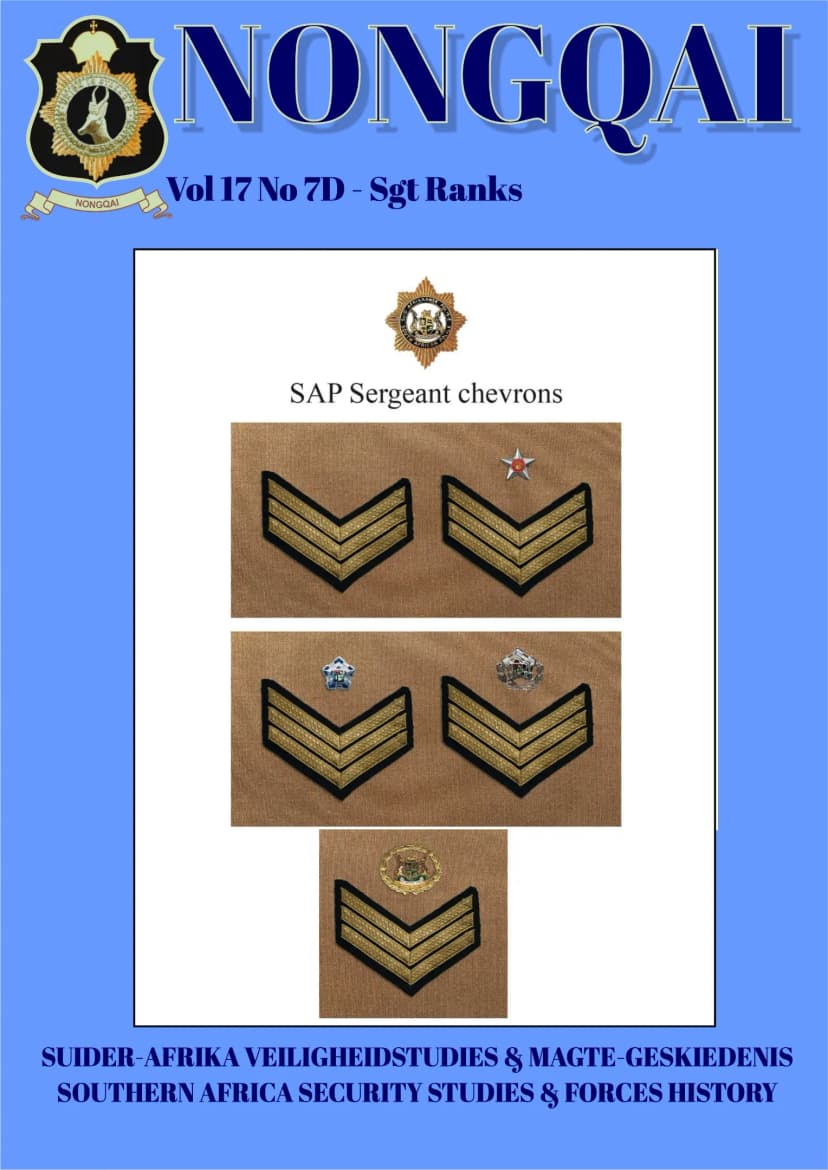
The research explains the different Sergeant ranks used in the South African Police during the 1960s and 1970s. It focuses on the ranks held by Non-White members and how these changed over time. It also describes the promotion system and the challenges faced because of racial discrimination. It highlights the service and achievements of several dedicated police members. The research aims to preserve an important part of South African policing history.
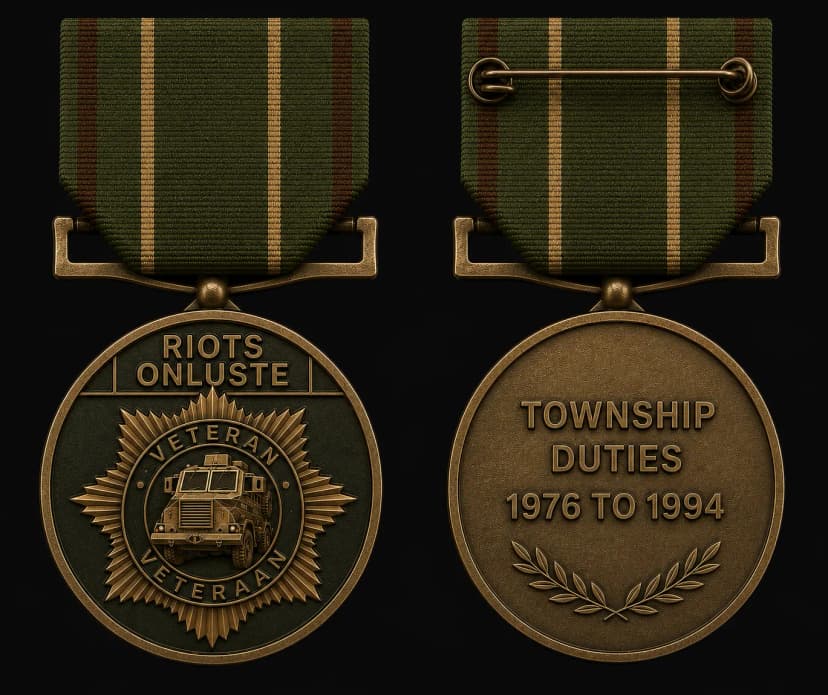
This article discusses the proposal for a commemorative medal intended to honour members of the Internal Stability Division and Riot Units who served between 1976 and 1994 during one of the most volatile periods in South Africa’s history. Although their work was dangerous, politically sensitive, and often unrecognised, many former members feel that their service deserves formal acknowledgement. The article argues that the significance of such a medal lies not in official government approval, but in its symbolic value—providing long‑overdue recognition, restoring dignity, and offering emotional closure to those who served and to the families of those who did not return. The piece invites readers to consider whether creating such a medal is appropriate and meaningful.

This article offers a reflective account of a lifetime devoted to collecting, preserving, and documenting police, military, and cultural memorabilia. The author, now in his eighties, recounts the development of extensive collections that include books, documents, photographs, medals, model trains, artefacts, insignia, and other historical items. He describes decades of research, travel, and editorial contributions to Nongqai, as well as the challenges faced when institutions lose interest in preserving certain aspects of South Africa’s past. The narrative concludes with practical guidance for veterans and collectors on responsibly disposing of their own historical materials to ensure that the heritage of the South African policing community is safeguarded for future generations.