

LEGAL
Parliament and Malanga’s role in following criminal prosecutions
A parliamentary inquiry and a criminal prosecution serve different constitutional purposes and can proceed independently without delay.
16 articles match your filters
A parliamentary inquiry and a criminal prosecution serve different constitutional purposes and can proceed independently without delay.
Police leadership should be founded on professional qualifications, operational policing experience, integrity, and merit rather than primarily on executive or political considerations.

A police force’s greatest danger is not the criminal outside the gate, but the policeman who opens it from within.

Anita van Zyl recounts her career in the South African Railway Police, later integrated into the SAP and SAPD. She describes the stringent recruitment process, six‑month training at Esselen Park, and the unique living arrangements for female recruits. Her narrative highlights the disciplined daily routine, academic and practical subjects, and the strong camaraderie among trainees. Van Zyl reflects on operational duties across stations, airports, and harbours, including riot control, crime investigation, and specialised units. She offers vivid memories of unrest areas such as Katlehong and Tembisa, where women served alongside men in full combat gear. The account also covers sporting activities, cultural identity within the force, and the impact of the amalgamation that dissolved the Railway Police. Despite the organisational changes, she emphasises the enduring legacy, reunions, and pride shared among former members. Her memoir stands as a tribute to the professionalism, resilience, and unity of the SA Railway Police.
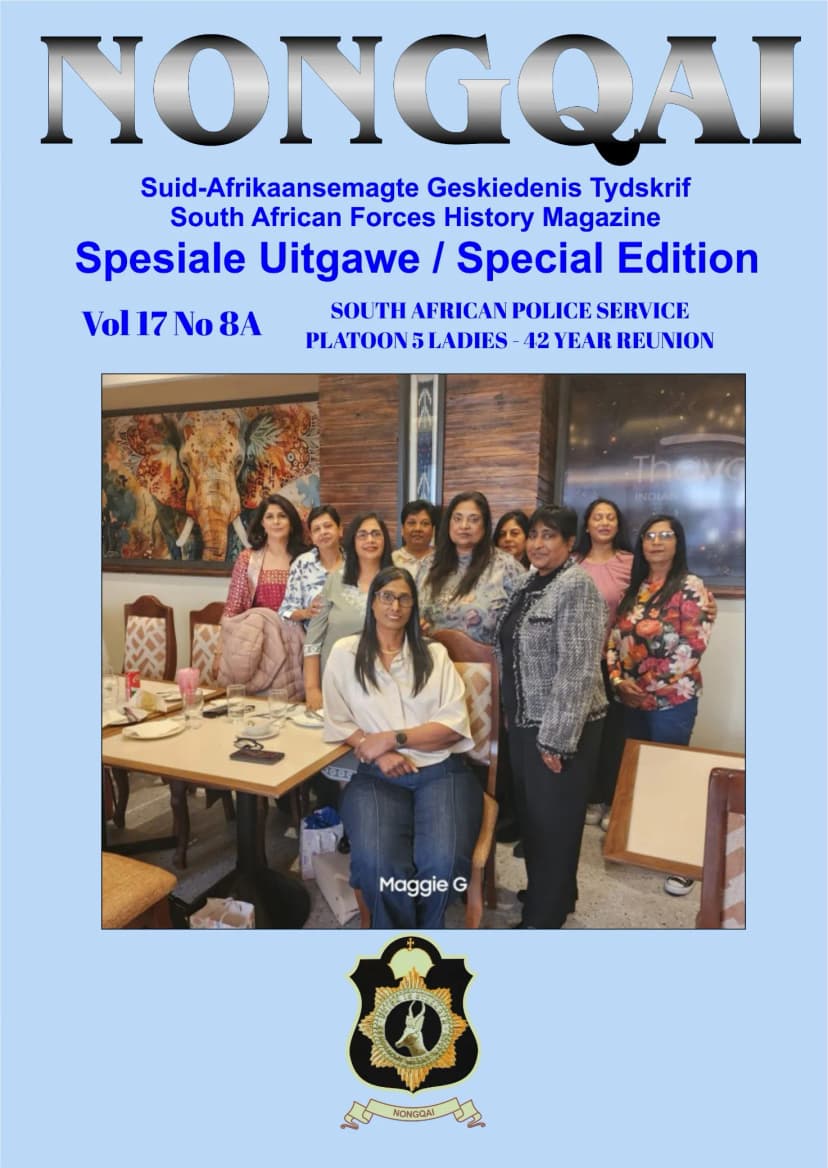
This publication commemorates the 42-year reunion of the South African Police Service (SAPS) Platoon 5 Ladies who commenced training at the Cato Manor Training College in July 1984. It celebrates their enduring friendship, shared experiences, and dedicated service while reflecting on the values of discipline, integrity, loyalty, and commitment instilled during their training. The reunion, held on 24 July 2026 in KwaZulu-Natal, provided an opportunity to reconnect, honour absent colleagues, and preserve cherished memories. Beyond celebrating their policing careers, the publication recognises the diverse paths these women followed after service while highlighting the lifelong bonds they forged. It stands as a tribute to their legacy, resilience, and lasting contribution to the history of women in the South African Police Service.
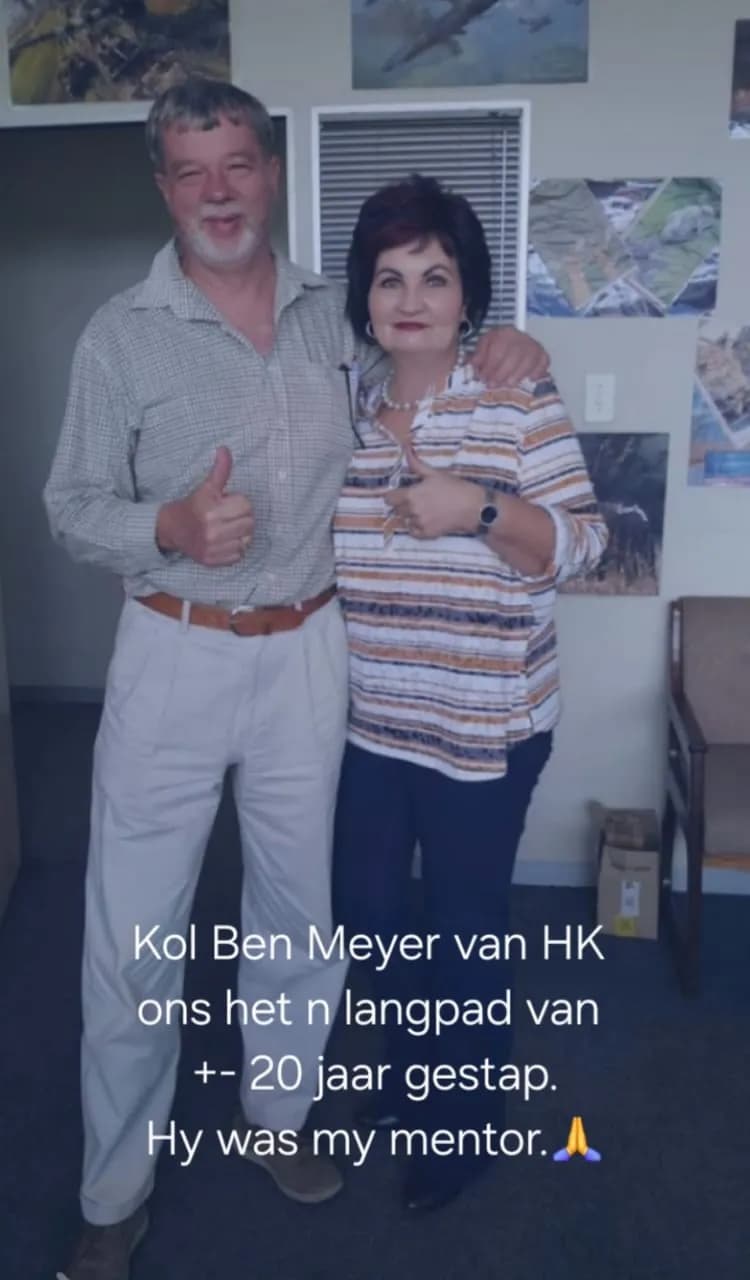
This article recounts the professional journey of Ida Steyn, who began working at the SAP/SAPS Security Branch in Potchefstroom in 1986 and later qualified as a cryptographer through the highly classified SAKSA training programme. She describes the demanding nature of cryptographic work, strict security protocols, and the responsibility of safeguarding confidential, secret, and top‑secret police communications. Steyn outlines the operational environment, including controlled access facilities, inspections, key‑card management, and the introduction of modern encrypted communication systems such as the Data 6. Her later appointment as crypto controller for the former Wes‑Transvaal province illustrates the high level of trust, discipline, and integrity required in police cryptographic operations. The article preserves an important part of South Africa’s policing and intelligence heritage. “Kriptografiese toerusting is gespesialiseerde kommunikasietoerusting… om Vertroulike, Geheime en Uiters Geheime inligting veilig te versend en te ontvang.” “Dit was ’n posisie wat groot verantwoordelikheid, absolute integriteit en onwrikbare dissipline vereis het.”
South Africa’s forensic DNA system is experiencing a severe capacity crisis that threatens the integrity of criminal investigations and the delivery of justice. Recent parliamentary replies reveal an overwhelming backlog of 298,710 DNA exhibit entries, of which 228,017 exceed the prescribed 90 day processing period. Critical Crime Index samples—essential for prosecutions—are heavily affected, including thousands linked to rape, murder, and sexual offences against children. The average age of entries is approximately 800 days, with some samples delayed for more than three years. These delays undermine investigations, weaken prosecutorial cases, and prolong trauma for victims. The Democratic Alliance (DA) calls for an emergency national intervention, including regulated partnerships with accredited university laboratories, to expand DNA processing capacity and prevent further erosion of justice.

Helena M. Jacobs recounts a distinguished career in the South African Police Service marked by dedication, resilience, and unwavering integrity. Beginning her service in 1990 as a clerk in Ogies, she went on to support several specialised units, including SANAB, Serious Violent Crime, Legal Services, and Organised Crime. Her journey reflects both professional challenges and profound personal loss, notably the tragic passing of her daughter in 1999, during which her SAPS colleagues offered exceptional compassion and support. Jacobs played a vital administrative role in complex investigations, high pressure environments, and sensitive case preparations, earning recognition as Gauteng’s second best Support Employee of the Year in 2014. Her career stands as a testament to the indispensable contribution of administrative personnel within policing, and she retires with a legacy of loyalty, discipline, and meaningful service to her country.
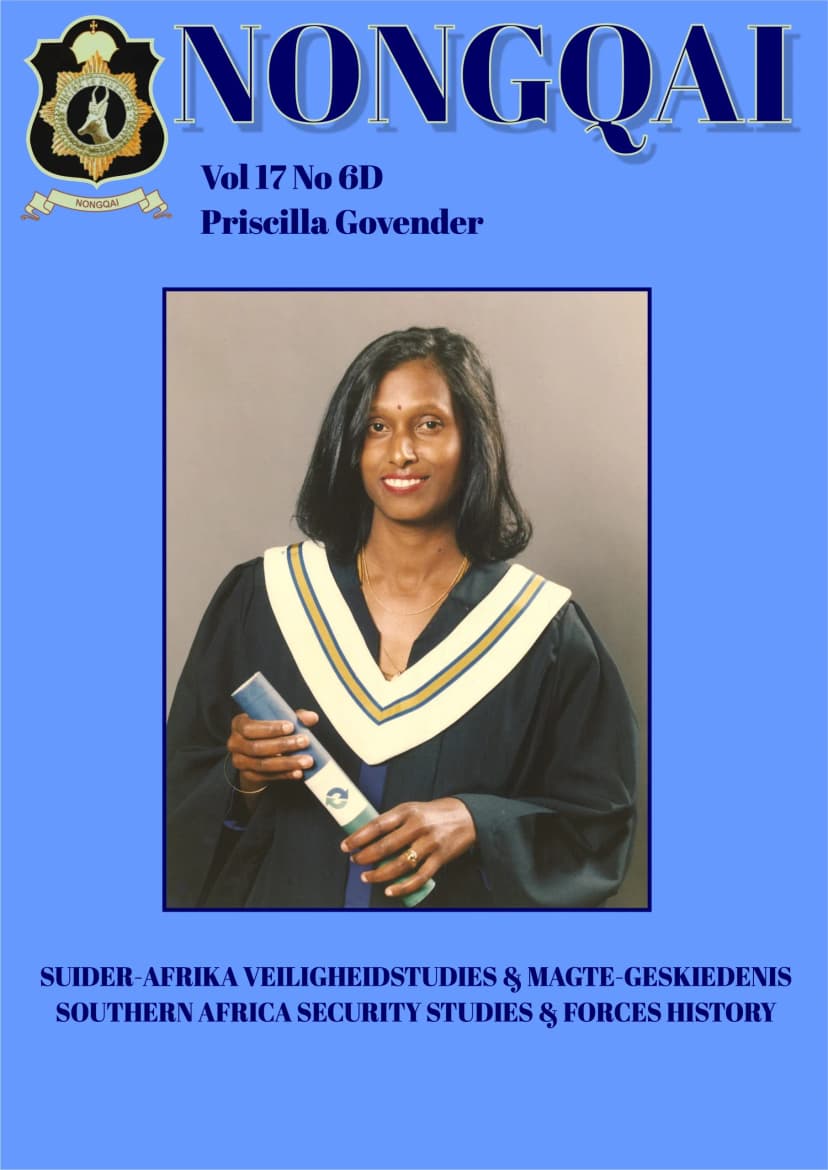
This publication pays tribute to the life and distinguished career of Colonel Priscilla Govender, a respected member of the South African Police Service (SAPS). The foreword by Brigadier (Retired) Maggie Govender and the tribute by Colonel (Retired) Charlie Pillay recognise Colonel Govender's outstanding leadership, professionalism and commitment to public service. Born and raised in Chatsworth, Colonel Govender overcame many challenges to become one of the first Indian women to build a successful career in policing. Through dedication, discipline and continuous learning, she rose through the ranks to retire as a Colonel after more than 37 years of distinguished service. The publication highlights her professional achievements, specialised training, medals and contributions to major national and international operations. The publication also celebrates her personal life as a devoted wife, mother, grandmother and community leader. Even after retirement, she continued serving society through voluntary work and by supporting senior citizens, demonstrating that public service extends beyond a professional career. Her humility, compassion and integrity remain an example to others. Overall, this work honours Colonel Priscilla Govender as a trailblazer and role model whose life inspires future generations to serve with courage, integrity and dedication. It preserves her legacy while recognising the contributions of all those who assisted in documenting and celebrating her remarkable journey.
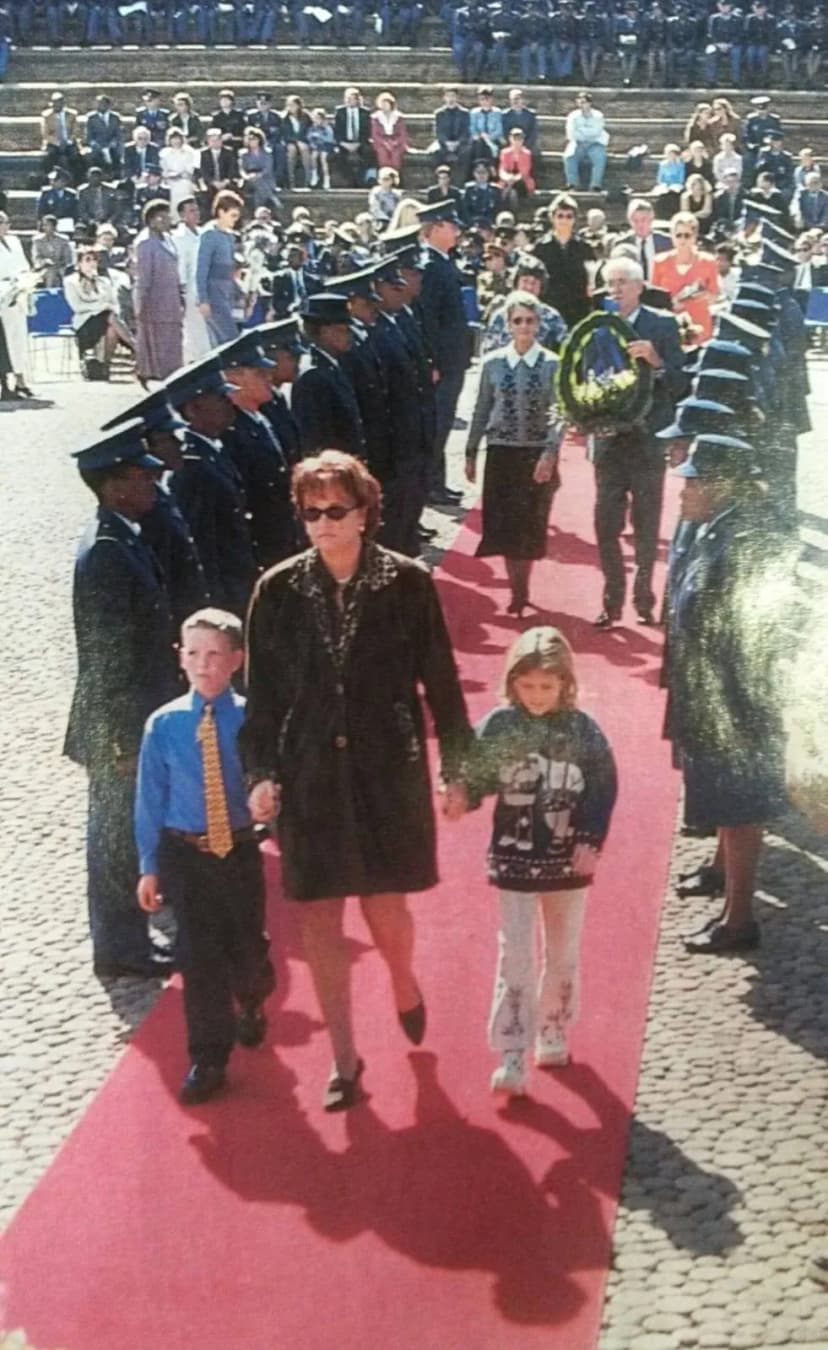
This autobiographical narrative traces the life and career of Ria Potgieter within the South African Police Service (SAPS) community, beginning with her appointment in 1983 as a typist at the Potchefstroom Headquarters Division. Her story highlights the deep professional and personal bonds formed within the policing environment, her marriages to two policemen, and her varied roles in administrative, investigative, and child‑protection units. A central and devastating turning point occurs with the murder of her husband, Sergeant Jaco Potgieter, during an armed robbery on 25 June 1999 — an event that profoundly shaped her life and remains emotionally present decades later. The narrative also reflects her continued resilience, career transitions, relocation to the Western Cape, and her role in raising both her biological and step‑children. Ultimately, the account emphasises the enduring solidarity of the SAPS community and her gratitude for divine protection throughout her life.
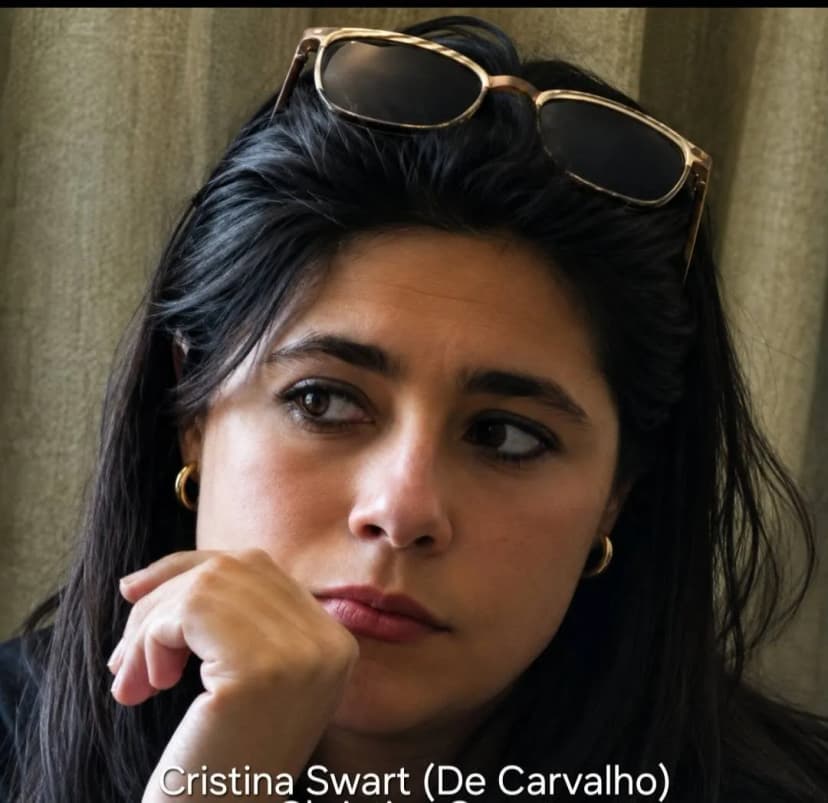
Cristina Swart’s career in the South African Police Service reflects a pioneering spirit, professional excellence, and unwavering commitment to justice. As the first Portuguese policewoman in the SAP, she progressed from police college in 1989 to specialised operational work in the Security Branch and later the Endangered Species Protection Unit (ESPU). Serving as Section Commander of the Fauna Team, she conducted high risk undercover operations, buy bust interventions, and investigations into ivory, rhino horn, abalone, and radioactive material syndicates. Her work brought her into international conservation circles, including engagements with the Discovery Channel and Prince Bernhard of the Netherlands. After transferring to East London in 1998, she became second in command of the Undercover Unit and later acted as commander before the unit’s closure. She subsequently joined Crime Intelligence, overseeing handlers, informers, and Secret Services Accounts. Swart resigned in 2014 with the rank of Captain, leaving behind a distinguished legacy of service, leadership, and dedication to combating organised crime and protecting South Africa’s natural heritage.