8 articles match your filters

Covert ActionThis article responds to recent claims about K44, the CDCO and related allegations, and then describes the author’s introduction to the unit, vetting, appointment and first impressions of the team. It concludes by stressing the secrecy, compartmentation and invisibility of the group.

1993 - Aanval op APLA-basis in MthathaA reassessment of the 1993 Mthatha operation argues that the State Security Council's approval of the attack was based on military intelligence presented during a period of intense terrorist violence, rather than on a deliberate decision to target civilians.
BfSS NISNational Intelligence Service – Covert Collection : The development of Covert Collection in the National Intelligence Service by Johan Lotriet and Tony Turton

1976 Onwards - RiotsUnder Fire in South Africa presents the extraordinary life and frontline experiences of Colonel Schalk Visagie, a South African Police officer who served at the heart of some of the country’s most turbulent and violent chapters. From the Border War in South West Africa/Angola, to presidential protection duties for P.W. Botha, to high‑stakes investigations within the Security Branch, Visagie’s career placed him at the centre of events that shaped national history.
He confronted the aftermath of the St. James Church Massacre, the Planet Hollywood bombing, and the deadly campaigns of PAGAD and QIBLA, leading specialised units against organised violence, hit squads, and terror networks. His survival of the Black River Parkway ambush in February 1999—described by medical and ballistics experts as humanly impossible—stands as a profound testimony to providence and the power of prayer.
Written with the precision of a seasoned detective and the humility of a man who has endured the unimaginable, Under Fire in South Africa is a gripping, deeply human narrative of courage, faith, trauma, and resilience. It is a story of national significance and cinematic potential, offering vital insight and inspiration for readers living in uncertain and troubled times.
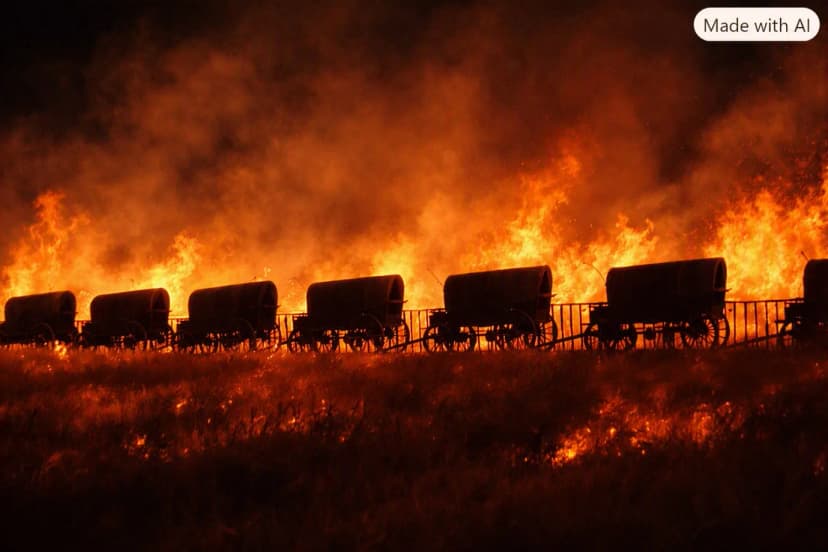
1838 The Battle of Blood RiverThe Battle of Blood River established a foundational moment in South Africa’s security consciousness. Nearly two centuries later, the 2026 arson attack at the heritage site reminds us that cultural landmarks remain vulnerable and require vigilant protection.

Crime in South Africa (post 1994)Colonel Johannes “Tollie” Vreugdenburg is one of the very few South African Police detectives to have earned the Silver Cross for Bravery twice, a distinction reserved for exceptional courage under extreme danger.
His career reflects a lifetime of service marked by professionalism, integrity, and unwavering dedication to national security.

SA Railways Police / SpoorwegpolisieThe article commemorates the tenth anniversary of the South African Railway Police Special Task Force, highlighting its formation, operational achievements, and enduring contribution to national security. It reflects on the unit’s disciplined professionalism and its strategic role in protecting vital transport infrastructure.
Crime IntelligenceThis chapter provides a detailed account of one of South Africa’s most significant modern counter espionage investigations: the case of Navy Captain Bradley Stanford Morris. It contextualises espionage in South Africa by outlining historical examples of foreign intelligence penetration during the apartheid era, including the Kozloff and Wierzba cases, and the high profile treason conviction of Dieter Gerhardt.
The chapter then documents the operational process followed by South African security structures—State Security Agency, Defence Intelligence, Crime Intelligence, and the Hawks—in identifying, infiltrating, and prosecuting Morris for unlawfully possessing and distributing highly classified military information.
Through undercover operations, forensic searches, and extensive document analysis, investigators uncovered 43 sensitive documents and multiple security breaches. The chapter concludes with Morris’s conviction under the Protection of Information Act and reflects on the broader implications for national security, intelligence oversight, and the enforcement of Minimum Information Security Standards in South Africa.