

Police Academics
The General and (older) music artists - Die generaal en die (ouer) musieksterre
General HG de Witt and recruitment of (older) music artists for the SA Police
996 articles
General HG de Witt and recruitment of (older) music artists for the SA Police

‘n Aangename verrassing en herinneringe aan Centenary (Rhodesië) deur lt-genl Johan Ferreira
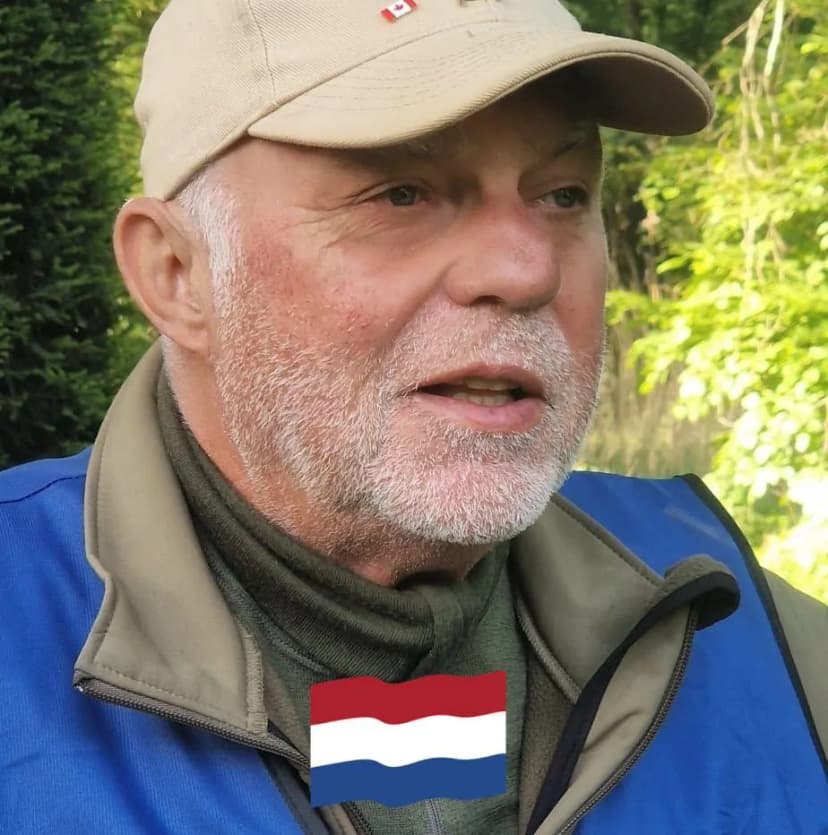
Captain John Frederick “Jack” Kinnery (1918–1944), born in London and raised in Johannesburg, trained as a surveyor before enlisting in the South African Air Force in 1940. Rising through the ranks from air gunner to pilot, he served in North Africa with No.15 Squadron, enduring malaria before returning to flying duties. Promoted to temporary captain in 1943, he was seconded to the RAF, completing night fighter training and joining No.29 Squadron in late 1944. On 2 December 1944, while piloting a Mosquito Mk XIII on an intruder mission over the Netherlands, his aircraft crashed into the IJsselmeer, leaving his navigator, F/O John Derek Morgan, missing without a grave. Kinnery was later confirmed killed in action and now rests at Oostergaarde Cemetery, Harderwijk. Honoured with multiple campaign medals, his memory endures through annual remembrance ceremonies at Harderwijk, organized since 2017 and now led by the foundation We Will Remember. These commemorations, attended by international representatives, students, and veterans, affirm the enduring duty to remember the sacrifices of Allied airmen. Captain Kinnery’s story embodies courage, service, and the collective commitment to keep alive the names of those who gave their lives for freedom.
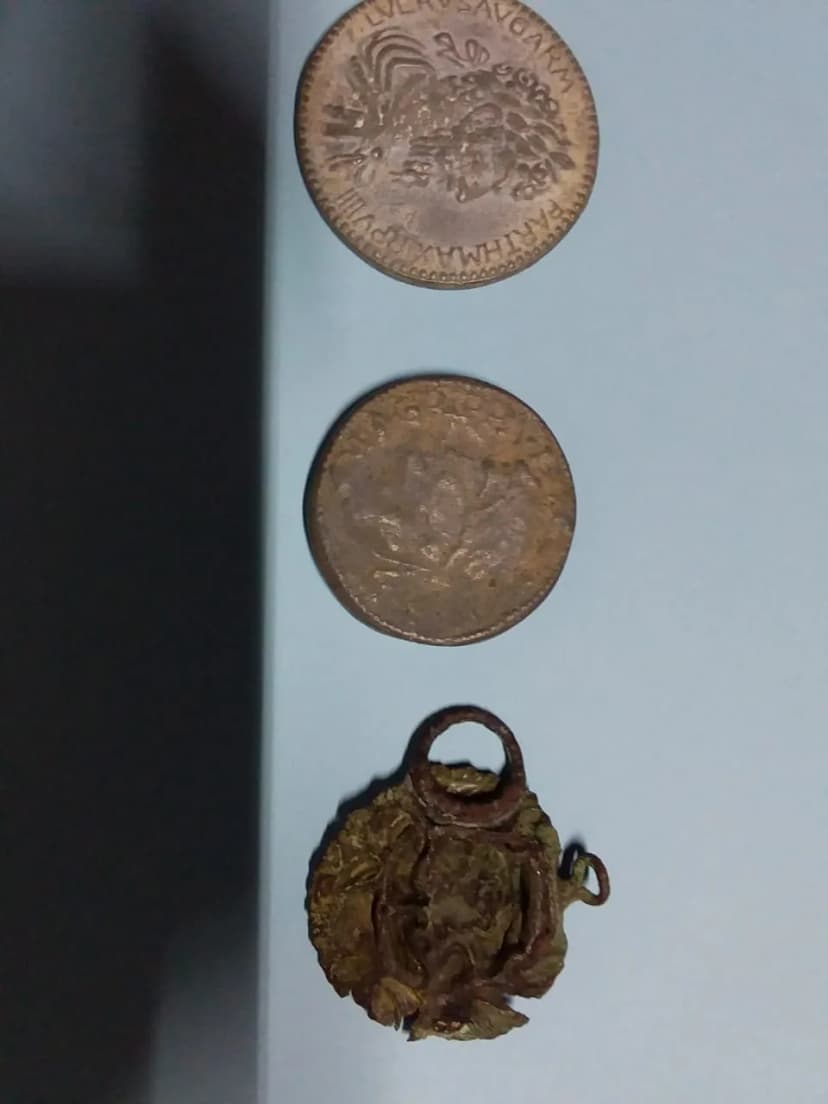
Ancient Mediterranean Artefacts and Voyages in Southern Africa: Roman Coins and Phoenician Circumnavigation Discoveries of Roman artefacts near Nelspruit (Mpumalanga) — including sestertii of Lucius Verus and Marcus Agrippa, a lion-head medal, and fragments of a sandal — add to a growing body of evidence of ancient Mediterranean connections with Southern Africa. Similar finds include Greek and Roman coins discovered in Pondoland (Transkei coast), Hebraic coins in KwaZulu-Natal, and coins linked to shipwrecks near Mossel Bay. These artefacts raise questions: were they merely remnants of shipwrecks, or signs of early trade reaching the southern tip of Africa? The debate is enriched by Herodotus’ account of Phoenician sailors, commissioned by Pharaoh Necho II around 600 BC, who allegedly circumnavigated Africa — a feat later proven possible by modern experimental voyages. Together, these finds and traditions suggest that Southern Africa’s coastline was not isolated, but part of a wider network of ancient maritime exploration and exchange, connecting the Cape to the Mediterranean world centuries before European colonisation.

Anglo Boer War, Ceylon, British Concentration Camps, Ceylon
State Expenditure and Corruption – A Personal Reflection on Police Integrity This reflective essay juxtaposes the staggering irregular expenditures reported in the 2024/25 audit outcomes of the South African Police Service (SAPS) with the author's lived experience of integrity and accountability within the former SAP. Drawing from a Facebook post by Brigadier Fanie Bouwer, the author highlights R3.2 billion in irregular spending, including unresolved cases from previous years. Against this backdrop, the narrative recalls a time when the SAP operated with frugality, discipline, and meticulous record-keeping—from weighing lucerne bales to maintaining tire registers. Through vivid anecdotes, the author contrasts the Spartan conditions of police service with the relative luxury of other state departments, emphasizing the erosion of expertise, command, and accountability in contemporary governance. The piece serves as both a lament and a call to remember the values of honesty, stewardship, and public service once held dear.

Lashkar-e-Taliba (LeT): The Islamist-Jihadist Pakistani militant organization - Wolfgang Witschas
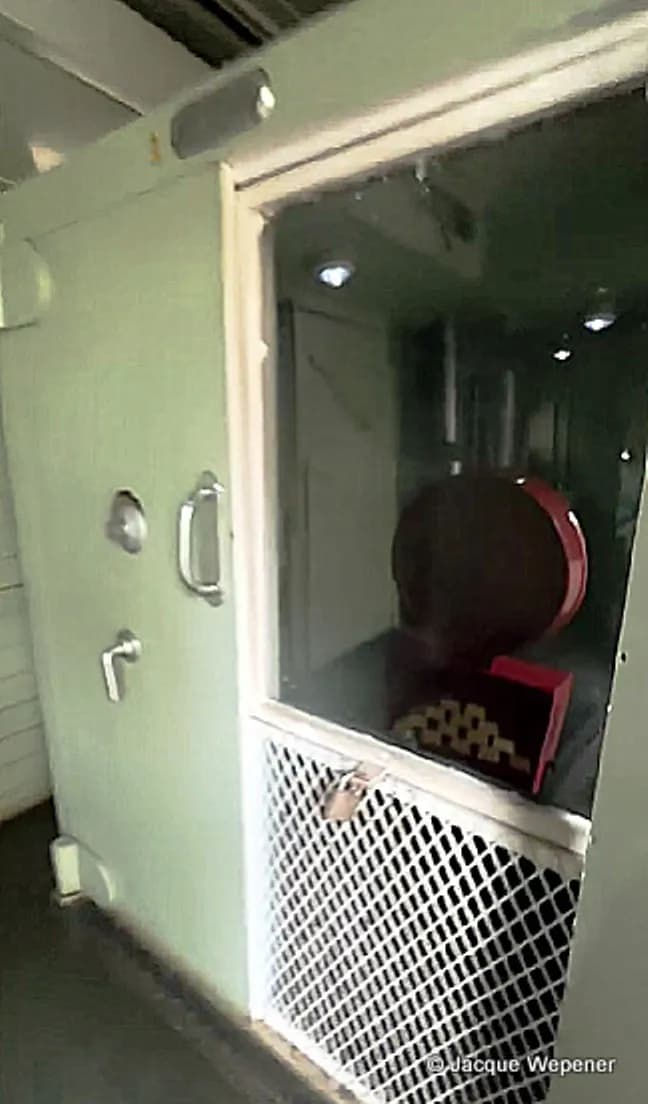
Every Tuesday, a South African Railways (S.A.R.) checker and clerk, accompanied by a police escort, boarded a specially designated specie bogie wagon at Platform 1. This wagon was steam-hauled along the Rand Mineral Line via India Junction to the Refinery gold plant, where 99.99% pure gold bars were loaded for export. The consignment was destined for the United Kingdom, shipped via Union Castle liners departing from Durban Harbour. The gold wagon was coupled to the “Trans Natal” train departing at 18:30, arriving in Durban and transferred to the “T” Jetty (Ocean Terminal) on the line from Dalbridge to Point for maritime dispatch.
HELMOED HEITMAN - IRREGULAR FORCES: STATE-BACKED INSURGENCIES IN AFRICA

Warrant Officer First Class (retired) Paul J. Els descendant of Boer General Louis Botha, Voortrekkers Andries Potgieter and Hans Dons de Lange, was born in Empangeni, Zululand. After completing his schooling in Durban, he enlisted in the Signal Corps of the South African Defence Force in January 1964. At the end of that year, he was transferred to 5 SA Infantry Battalion in Ladysmith. He did a three-month stint on the border in 1968, after which he spent a year on Gough Island as radio operator. On his return to South Africa in 1969, he became an instructor at Signal School in Voortrekkerhoogte and was deployed for a few weeks towards the end of that year in Africa. In 1972 he married Annelie. Two children were born of this marriage - Johan in 1974, and Nelie in 1976. Paul and Annelie have four granddaughters and one grandson. During 1975/1976 he took part in Operation Savannah and at the end of 1978 he was transferred to SA Special Forces as the first long distance non-commissioned officer radio operator and cryptographer for 5 Reconnaissance Commando. At the age of 36 years he completed the Parachute Course at DukuDuku and was awarded his parachute wings.

Suicide by self-inflicted wound: Bread knife used
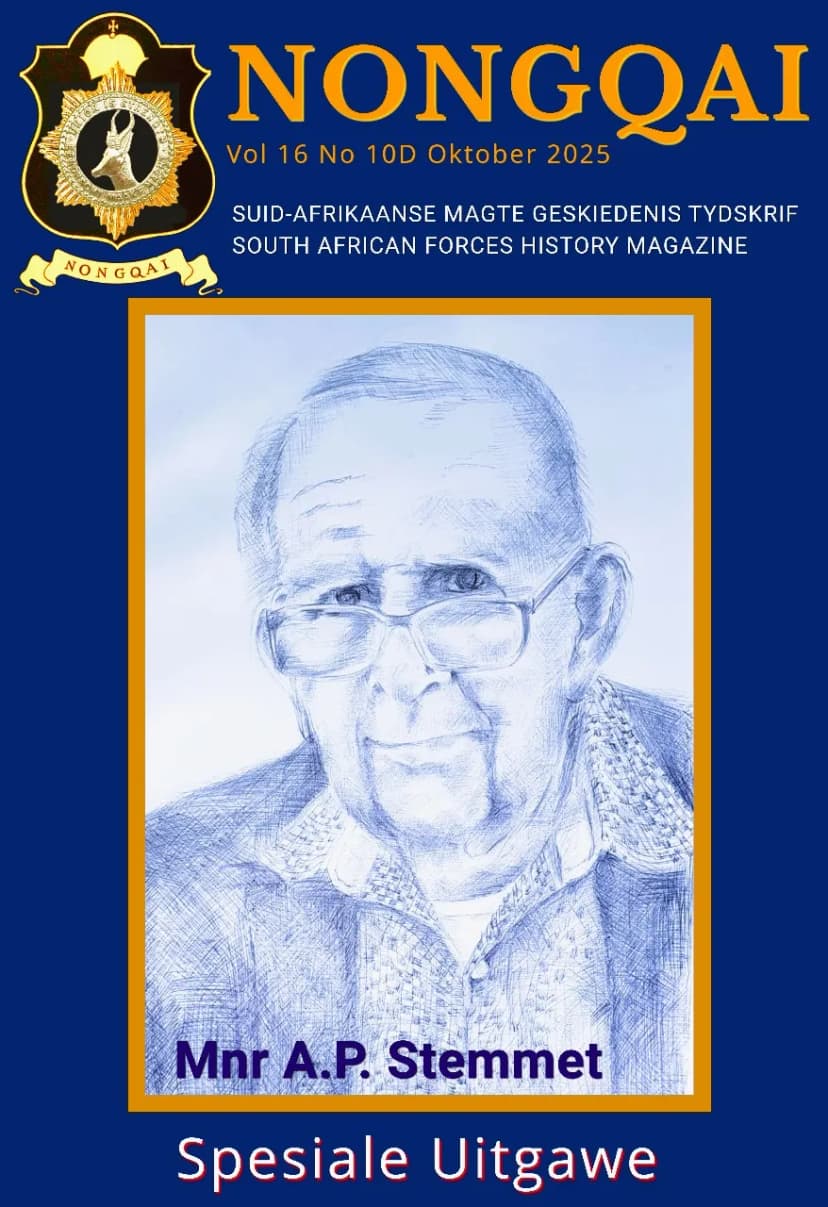
Letters to the Editor re Nongqai Vol 16 No 10D