5 articles match your filters
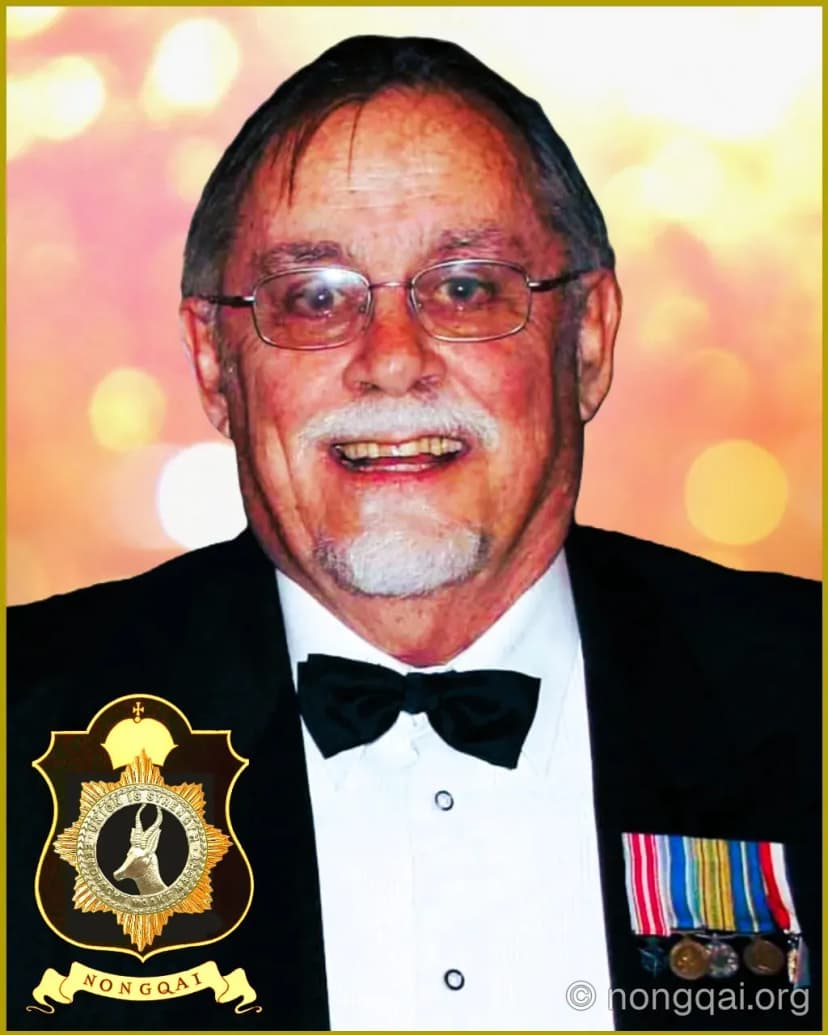
Police Personalities / Polisie PersoonlikhedeThis photo journal takes the reader back to the roots of policing in South Africa through rare photographs of police services, stations, detective work and public order over more than a century. It includes images from Bloemfontein, Natal Native Police, Durban, Marshall Square and notable detectives such as Kol AE Trigger, Bill Joyner and Ulf Boberg.
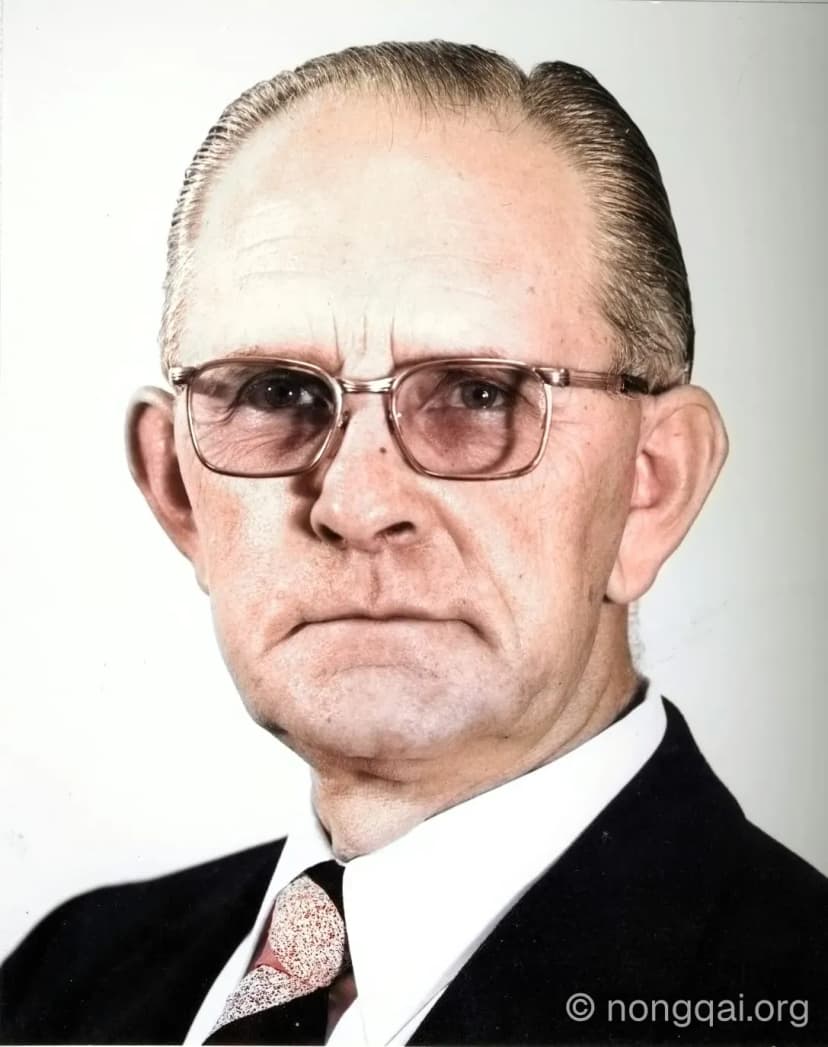
1939 - 1945: The Wartime SA Police / 1939 - 1945: Die Suid-Afrikaanse Polisie in oorlogstydThe article recalls Hendrik van den Bergh’s arrest on 20 January 1942 and describes the wider wartime context of the Ossewabrandwag, police loyalties, and internment at Koffiefontein. It also reflects on the historical significance of the event and Van den Bergh’s later career.
1938 - Great Trek anniversaryThis study examines how the Afrikaans Churches (GK, NGK, NHK) responded to the political, social, and spiritual crises surrounding South Africa’s involvement in the Second World War. Drawing on Dr Jacobus van Tonder’s research, it explores the pre war Afrikaner mindset shaped by trauma, nationalism, and cultural revival; the influence of European National Socialism on local movements; the fierce debate over neutrality; the dramatic political clash between Hertzog and Smuts; and the deep divisions created by the “Red Tabs” oath, the Ossewabrandwag, emergency regulations, and wartime censorship. The churches attempted to remain spiritually focused while congregations fractured along political lines. The war ultimately reshaped Afrikaner identity, church life, and national unity, revealing the tension between Christian conviction, nationalism, and state authority.

1939 - 1945: The Wartime SA PoliceThis article traces the layered history of Koffiefontein, a Free State town shaped by diamond discovery, military conflict, and evolving systems of law enforcement. Beginning as a vital rest stop for 19th‑century transport riders, Koffiefontein rose to prominence after a diamond was found at its fountain in 1870, sparking a local diamond rush. The narrative follows three major eras: the diamond‑mining boom, the Anglo‑Boer War—during which British forces fortified the town with blockhouses—and the Second World War, when Koffiefontein became a major internment camp holding Italian and German POWs as well as South Africans suspected of pro‑Nazi activity, including future Prime Minister B.J. Vorster. The article also explores the development of policing in the region, from early constables of the Orange Free State Republic to the establishment of the SAP in 1913 and highlights the architectural heritage of the historic Hampden Street police station. Finally, it reflects on modern community concerns and the station’s dual identity as both a heritage landmark and an active centre of law enforcement.

1939 - 1945: The Wartime SA PoliceCaptain Johannes “Jan” Taillard (1904–1987) was one of South Africa’s most effective and least known undercover policemen. Fluent in German and trusted across social divides, he played a decisive role in dismantling the Nazi Party in South West Africa in 1939, stealing the complete membership index and enabling the arrest of 2 284 members. In 1941 he infiltrated anti government networks in the Brits district, gained the confidence of Abwehr agent Robey Leibbrandt, and led him into a police ambush — an operation that prevented a planned assassination of Prime Minister Jan Smuts. Taillard’s long police career included senior command posts in Queenstown, Umtata, Johannesburg, and Cape Town, where he managed political unrest, labour strikes, and major security operations. Despite his contributions, his pension was severely affected by a break in service during undercover work, and his later life was marked by hardship. He died in 1987 without honours or police representation at his funeral. His story remains one of the most remarkable — and overlooked — chapters in South African policing history.