
BOOKS / BOEKE
Nongqai Skrywers & Boeke: Kinders moet Kaalvoet Loop
Kinders moet Kaalvoet Loop - in Vrystaatstories, deur Henning van Aswegen. Uitgewer: Naledi.com
996 articles
Kinders moet Kaalvoet Loop - in Vrystaatstories, deur Henning van Aswegen. Uitgewer: Naledi.com

NONGQAI 4 D MODEL FROM POSTURE TRAJECTORY: A Strategic Framework for Understanding Military Change - Dr Joan Swart
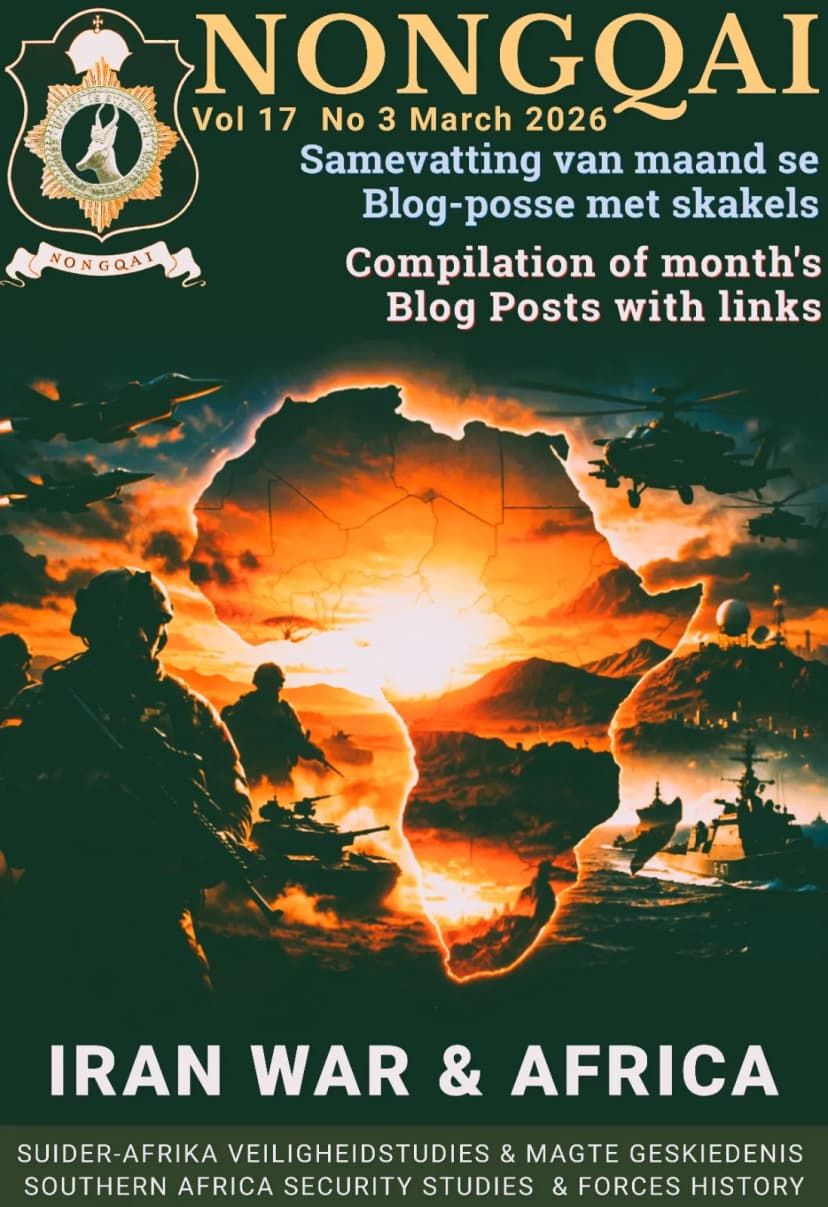


An Analysis of Military Posture and Strategic Behaviour in a new multipolar world order, by Strategic Security Analyst Dr Joan Swart, in Nongqai Magazine 26 March 2026.
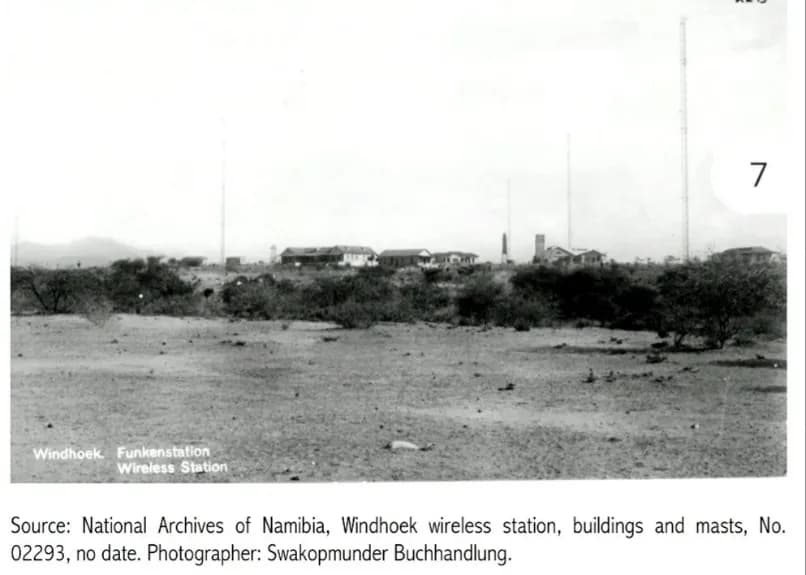
The Forgotten Shadows of World War ll Interment Camps in Windhoek, Andalusia, Ganspan, Koffiefontein & Jagersfontein
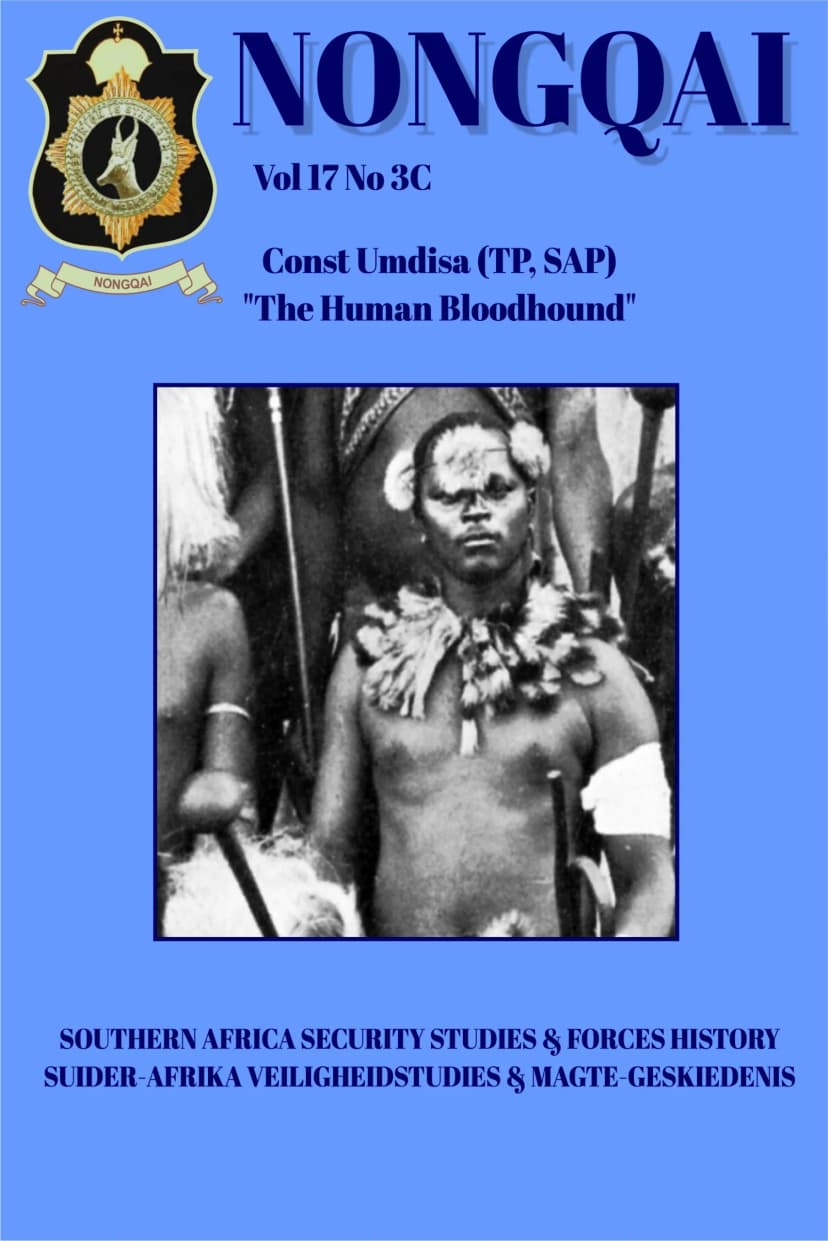
Constable Umdisa - The Human Bloodhound - In recent times, the media has confronted us with commissions of inquiry, police corruption, and police incompetence. Yet, against this bleak backdrop, one remarkable and unique case stands out: that of Constable Umdisa of the Pretoria Police, who more than a century ago investigated an extraordinary murder case — with outstanding results. The message conveyed by his conduct was clear and powerful: We protect and we serve. According to available evidence, Constable Umdisa was a son of KwaZulu, a man with limited formal schooling, yet a policeman and detective to the core. One cannot help but feel respect for his purposeful action and the successful conclusion of the case entrusted to him.


This account reflects on the life and service of Warrant Officer Sipho George Ngcamu, a dedicated member of the South African Police who served with integrity and commitment during a difficult period in the country’s history. Born in Kranskop, KwaZulu-Natal, in 1955, Ngcamu joined the police in 1979 and spent much of his career serving in Pietermaritzburg, including at the challenging Plessislaer station. The narrative highlights the harsh realities faced by police officers in the early 1990s, including limited resources, staff shortages, and dangerous working conditions. Many officers felt discouraged and unsafe, while mistrust between the police and the community remained strong due to the legacy of Apartheid. In this environment, meaningful change required more than authority; it needed trust, honesty, and strong relationships. Ngcamu stood out as a man of discipline and integrity, particularly in his role managing exhibits, where accuracy and honesty were essential. His reliability earned him the respect of both colleagues and the community. Recognised as a natural leader, he became a vital link between the police and the public, helping to rebuild trust and inspire hope within the station. The abstract also reflects on the importance of leadership and vision in times of difficulty. Drawing inspiration from the biblical passage of Ezekiel 37, the station’s situation is compared to a “valley of dry bones”, symbolising despair but also the possibility of renewal. Through commitment, teamwork, and individuals like Ngcamu, progress became possible. Overall, this piece honours Ngcamu’s contribution and reinforces the idea that a nation must remember and value those who serve with courage and integrity, as their efforts shape both institutions and communities.

This article traces the history of Polley Arcade and its origins in the Transvaal Hotel, once a landmark in Pretoria’s city centre. It recounts the evolution of the hotel from the early 1880s through its transformation into Polley’s Hotel and later the construction of the Wachthuis, headquarters of the South African Police. Central to the narrative is the hotel’s remarkable visitors’ book, containing more than 14,000 signatures—including those of Winston Churchill, Arthur Conan Doyle, British generals, Boer leaders, and a young American messenger—providing historians with invaluable insights into movements during the Anglo-Boer War. The article also highlights architect Norman Eaton’s innovative design of the Wachthuis and the eventual decline of Polley Arcade as urban dynamics shifted.

Some historic documents on Sub-Insp Graham Ballenden - Natal Police & South African Police