
SAP History / Geskiedenis
Capt Ida Steyn
Introducing Captain Ida Steyn — Editor of the Police Ladies Corner
995 articles
Introducing Captain Ida Steyn — Editor of the Police Ladies Corner

Mr Johan Mostert’s reflective essay examines the roots of student radicalism among white South African university students during the 1960s and 1970s. Drawing on his firsthand experience monitoring campus activism after the Schlebusch Commission, he explores the psychological and social factors that led certain individuals toward revolutionary engagement. Mostert argues that radical activists often shared a wounded or unsettled past combined with extraordinary emotional intensity—a temperament that sought a “cause” through which to express frustration and idealism. He contrasts this personality‑driven radicalisation with the broader, non‑violent student opposition to apartheid, noting that only a small minority embraced extremist ideology. The article provides a rare insider’s perspective on the intersection of personality, ideology, and political unrest in South Africa’s university environment.

The five information panels on the South African Railway Police were designed as a permanent educational exhibition for the Pro Patria Museum, Fort Schanskop. Each panel presents a concise historical overview of a specific aspect of the former SA Railway Police — including the Training College at Esselen Park, the successive Heads of the Service, Border Duty operations, the Special Task Force, and the Non‑White Training Programme. The content is visually supported by photographs, documents, and archival material that illuminate the development, functions, and unique culture of the Service. The proposal to make these panels digitally accessible aims to broaden public reach, enabling individuals who cannot visit the Museum in person to engage with the material and learn about the heritage of the SA Railway Police through your communication platform, The Nongqai. This digital extension will further promote the preservation, study, and appreciation of the Railway Police’s history.
NONGQAI ARCHIVE NOW ONLINE AND FULLY SEARCHABLE

Anita van Zyl recounts her career in the South African Railway Police, later integrated into the SAP and SAPD. She describes the stringent recruitment process, six‑month training at Esselen Park, and the unique living arrangements for female recruits. Her narrative highlights the disciplined daily routine, academic and practical subjects, and the strong camaraderie among trainees. Van Zyl reflects on operational duties across stations, airports, and harbours, including riot control, crime investigation, and specialised units. She offers vivid memories of unrest areas such as Katlehong and Tembisa, where women served alongside men in full combat gear. The account also covers sporting activities, cultural identity within the force, and the impact of the amalgamation that dissolved the Railway Police. Despite the organisational changes, she emphasises the enduring legacy, reunions, and pride shared among former members. Her memoir stands as a tribute to the professionalism, resilience, and unity of the SA Railway Police.
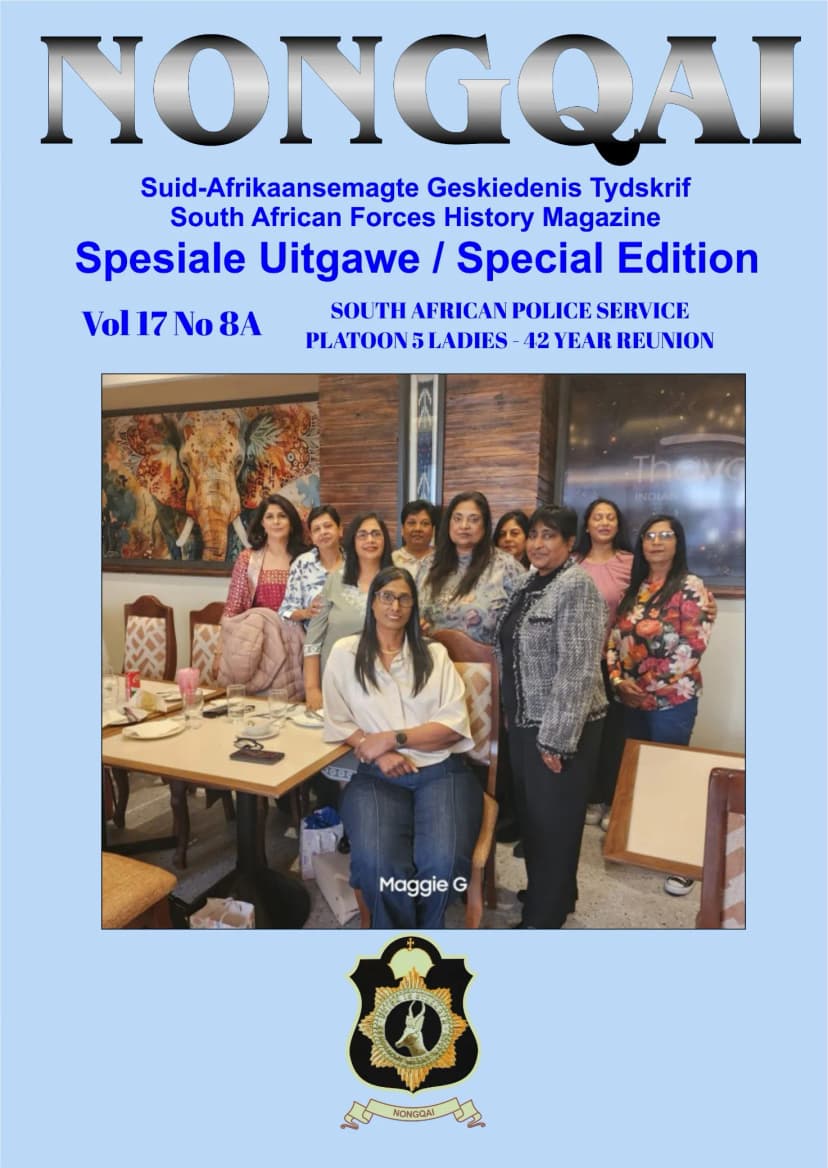
This publication commemorates the 42-year reunion of the South African Police Service (SAPS) Platoon 5 Ladies who commenced training at the Cato Manor Training College in July 1984. It celebrates their enduring friendship, shared experiences, and dedicated service while reflecting on the values of discipline, integrity, loyalty, and commitment instilled during their training. The reunion, held on 24 July 2026 in KwaZulu-Natal, provided an opportunity to reconnect, honour absent colleagues, and preserve cherished memories. Beyond celebrating their policing careers, the publication recognises the diverse paths these women followed after service while highlighting the lifelong bonds they forged. It stands as a tribute to their legacy, resilience, and lasting contribution to the history of women in the South African Police Service.
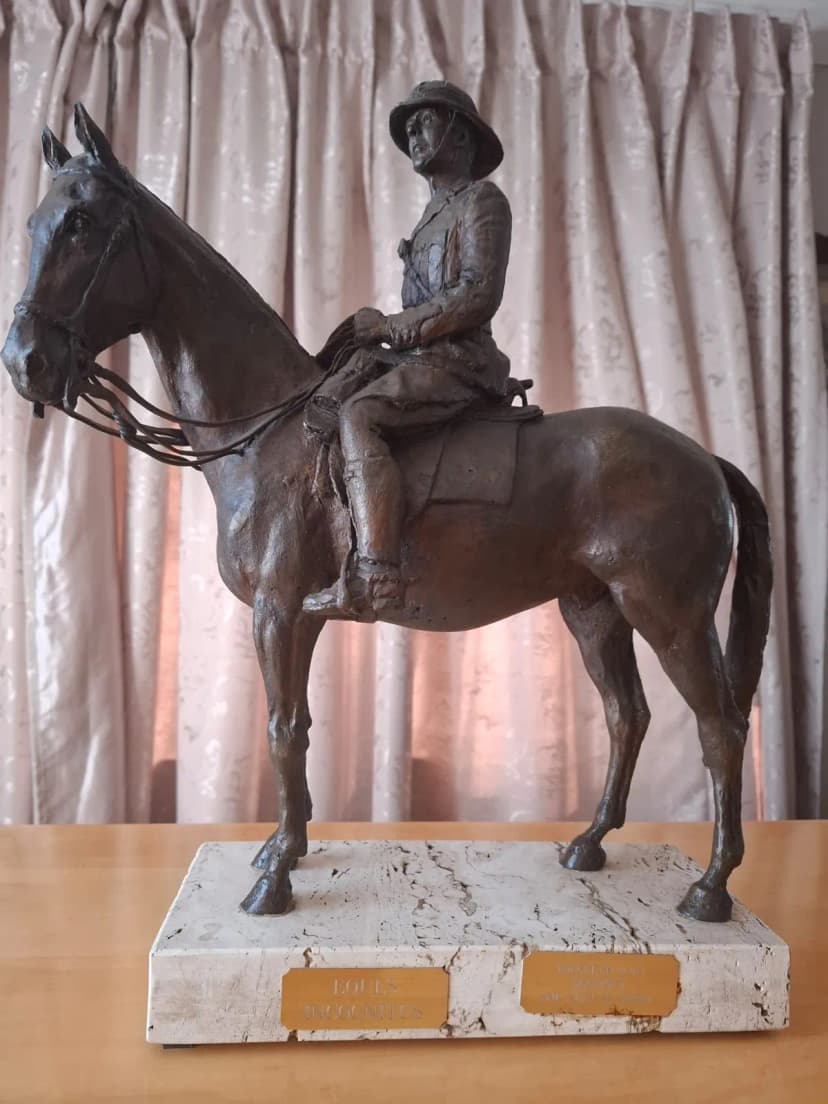

Barry Taylor writes about his memories as a detective at the Pretoria West police station. In his account, he describes one of his superiors, Kleinjan Grobbelaar. He also mentions the "1977 Krugersdorp tunnel theft" (1977 Krugersdorp-tonneldiefstal.)
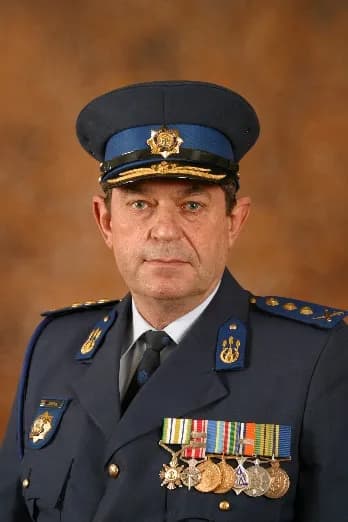
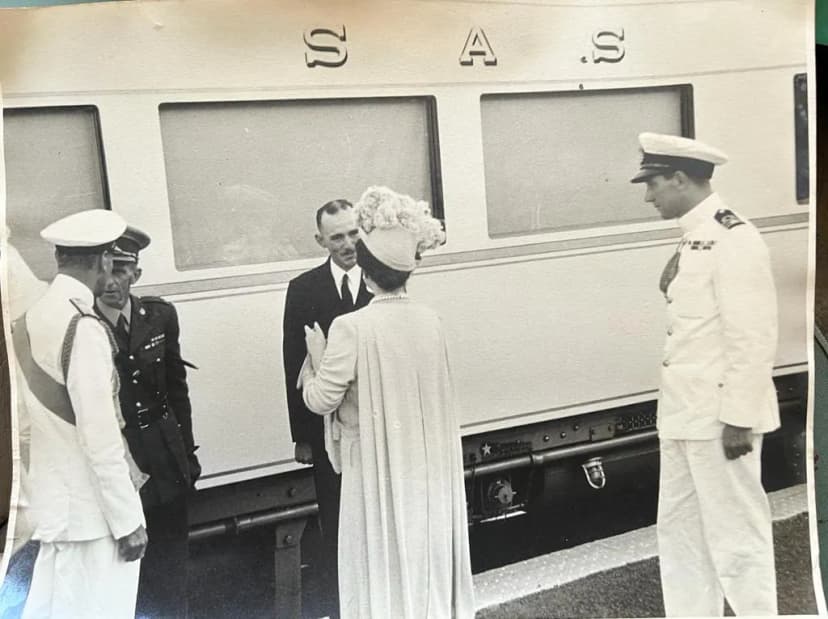
William Butler Lansdell: A Family Tribute and an Unfolding Police History