Bosletterkunde
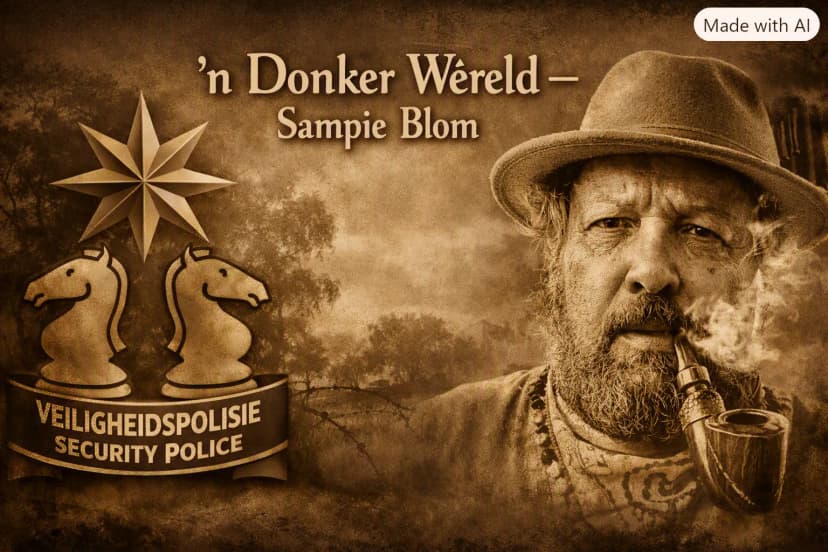
Magte: Letterkunde/poësie: 'n Donker Wêreld
Magte: Letterkunde/poësie: 'n Donker Wêreld - Sampie Blom
995 articles
Magte: Letterkunde/poësie: 'n Donker Wêreld - Sampie Blom

This reflective piece traces South Africa’s trajectory from the turmoil of 1984 through the democratic transition of 1994 and into the complex realities of 2026. It contrasts the systemic injustice, political violence, and social fragmentation of the apartheid era with the democratic period’s persistent challenges of corruption, state capture, inequality, unemployment, crime, and failing institutions. While acknowledging the profound gains of democracy—expanded rights, political participation, and new opportunities—the author argues that democracy alone does not guarantee good governance or improved living conditions. The central question becomes how to build a society where political freedom and a dignified life coexist. The essay concludes that South Africa’s story remains unfinished, and its true measure lies not in who governed, but in how its people lived.


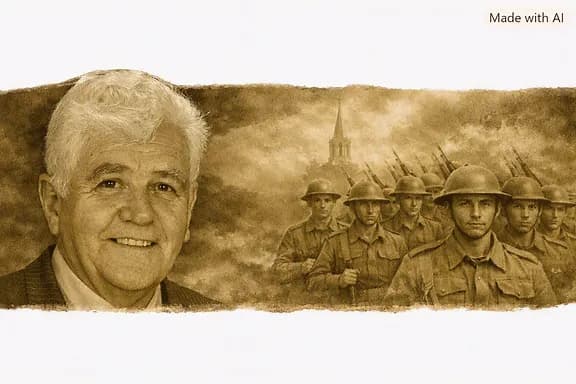
This study examines how the Afrikaans Churches (GK, NGK, NHK) responded to the political, social, and spiritual crises surrounding South Africa’s involvement in the Second World War. Drawing on Dr Jacobus van Tonder’s research, it explores the pre war Afrikaner mindset shaped by trauma, nationalism, and cultural revival; the influence of European National Socialism on local movements; the fierce debate over neutrality; the dramatic political clash between Hertzog and Smuts; and the deep divisions created by the “Red Tabs” oath, the Ossewabrandwag, emergency regulations, and wartime censorship. The churches attempted to remain spiritually focused while congregations fractured along political lines. The war ultimately reshaped Afrikaner identity, church life, and national unity, revealing the tension between Christian conviction, nationalism, and state authority.
Recurring disruptions in the Red Sea and Strait of Hormuz have restored the strategic importance of the Cape Sea Route. Yet South Africa continues to treat its maritime position primarily as a transport issue rather than a national strategic asset. This article argues for an integrated national strategy to transform geographic advantage into economic resilience, maritime security and national power.

Rodney Wilkinson is a South African anti-apartheid activist and former national fencing champion who famously planted four bombs inside the Koeberg Nuclear Power Station near Cape Town on 16 December 1982. Operating as part of the ANC's Umkhonto we Sizwe (MK), he escaped across the border on a bicycle before the devices detonated, causing major structural damage without any casualties.
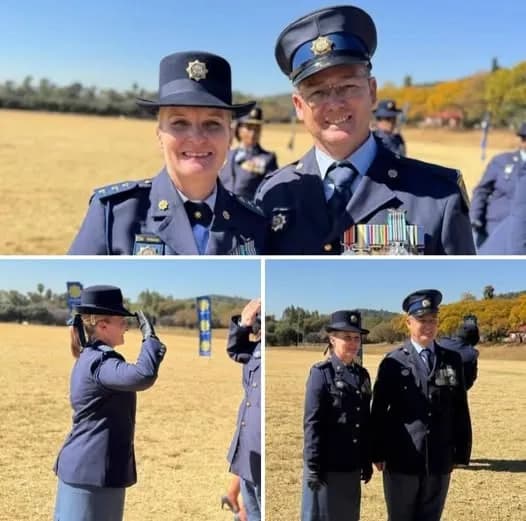
Nongqai vol 17 No 8 – R en S Berrange - police personalities: Husband & wife