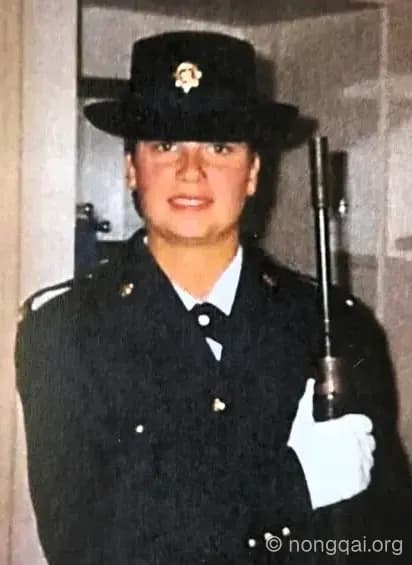
Ek, my perd en my geweer: Wat meer is nodig?
‘n Persoonlike verhaal van Antonette Raath Muller oor haar liefde vir wapens, haar toetrede tot die Suid-Afrikaanse Polisie en haar loopbaan as polisievrou en SWAT-instrukteur.
4 articles match your filters

‘n Persoonlike verhaal van Antonette Raath Muller oor haar liefde vir wapens, haar toetrede tot die Suid-Afrikaanse Polisie en haar loopbaan as polisievrou en SWAT-instrukteur.

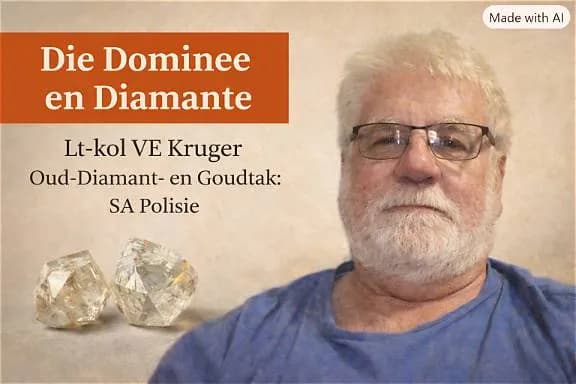
A rural minister secretly buys illicit rough diamonds until a police sting exposes his hidden trade.

Anita van Zyl recounts her career in the South African Railway Police, later integrated into the SAP and SAPD. She describes the stringent recruitment process, six‑month training at Esselen Park, and the unique living arrangements for female recruits. Her narrative highlights the disciplined daily routine, academic and practical subjects, and the strong camaraderie among trainees. Van Zyl reflects on operational duties across stations, airports, and harbours, including riot control, crime investigation, and specialised units. She offers vivid memories of unrest areas such as Katlehong and Tembisa, where women served alongside men in full combat gear. The account also covers sporting activities, cultural identity within the force, and the impact of the amalgamation that dissolved the Railway Police. Despite the organisational changes, she emphasises the enduring legacy, reunions, and pride shared among former members. Her memoir stands as a tribute to the professionalism, resilience, and unity of the SA Railway Police.

This article by Dr Ian De Vries examines how persistent political interference has weakened the South African Police Service (SAPS) and contributed to decades of organisational dysfunction. Drawing on historical examples, structural analysis, and current crises highlighted before the Madlanga Commission, De Vries argues that SAPS’s bloated rank system, promotion-for-pay culture, and erosion of experienced officers have severely undermined policing effectiveness. He contends that political meddling—from ministers influencing operational decisions to long standing tensions between commissioners and cabinet members—has become a systemic obstacle to professional policing. De Vries proposes a radical restructuring: abolishing the position of Minister of Police, depoliticising SAPS leadership, and placing accountability under a multi party parliamentary policing committee. This, he argues, would curb unethical political influence, retain expertise, and restore public trust in law enforcement.