SOUTH AFRICAN FORCES HISTORY PRESERVED
Nongqai - Our Origin, and Credo. Vol. 17 Nongqai June 2026.
Nongqai Oorspong, Visie en Missie
995 articles
Nongqai Oorspong, Visie en Missie
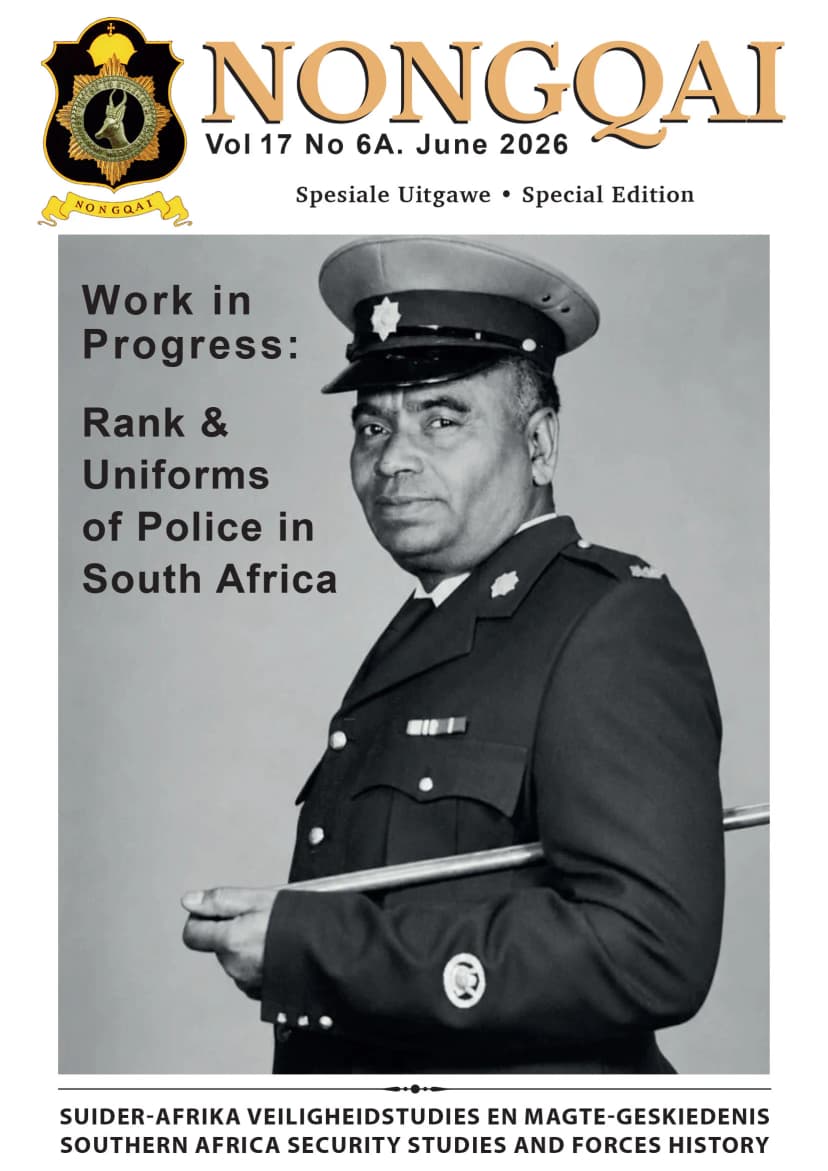
Some Police Uniforms & Ranks – Nongqai Vol 17 No 6A - work in Progress

Abstract The author provides a vivid first person account of the events of 16 June 1976 as experienced by a lieutenant in the South African Police stationed at Silverton. What began as a routine winter morning quickly escalated when he and a small team were deployed to Mamelodi, where large scale unrest had erupted. He describes scenes of chaos: crowds throwing stones and petrol bombs, burning barricades, looted shops, and the destruction of administrative buildings. The narrative highlights the fear, exhaustion, and sense of helplessness felt by the small police contingent, as well as the extreme cold and the absence of food or relief for many hours. The arrival of riot units, the presence of international media, and the role of taxis in driving the unrest are recalled in detail. The following days brought more organisation, community support, and structured police deployment. Reflecting fifty years later, the author emphasises how these events shaped him personally and professionally, and how the camaraderie and solidarity forged during that period remain among his strongest memories. ABSTRAK: Die skrywer bied ’n persoonlike, eerstehandse getuienis van die gebeure van 16 Junie 1976 in Mamelodi, soos ervaar deur ’n luitenant in die Suid-Afrikaanse Polisie. Hy beskryf die oggend se roetine, die skielike opdrag om na Mamelodi te gaan, en die chaotiese tonele van oproer, geweld, plundering en brandstigting wat hom en sy kollegas begroet het. Die vertelling beklemtoon die intense gevaar, die gevoel van magteloosheid, die uiterste koue en die uitputting van ’n dag en nag sonder aflos of kos. Die skrywer herinner aan die rol van die media, die taxi’s wat die skares aangevuur het, en die uiteindelike organisering van polisiemagte en ondersteuning uit die gemeenskap. Hy reflekteer oor die vormende invloed van hierdie tydperk op sy loopbaan en persoonlike ontwikkeling, en beklemtoon die kameraadskap en solidariteit wat tussen kollegas gesmee is. Vyftig jaar later bly die gebeure vir hom lewend en onvergeetlik.

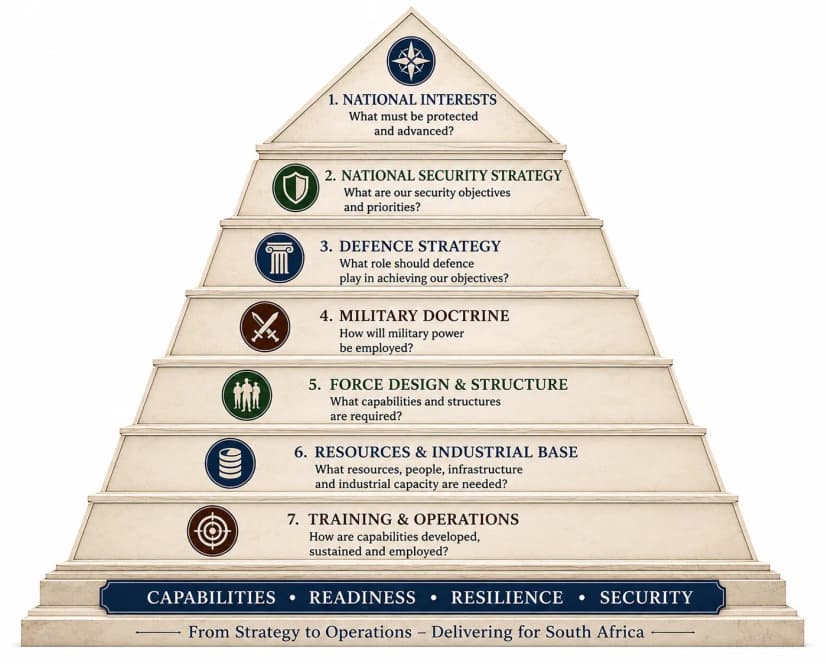
South Africa's defence sector does not appear to suffer from a shortage of audits, reviews, investigations or task teams. It suffers from a shortage of implementation. Using recent calls for a new defence task team as a starting point, this article explores why many of the same governance, capability and institutional challenges continue to reappear, and argues that meaningful reform may require greater strategic clarity, alignment and accountability across South Africa's defence ecosystem.

Abstrak ‘n Kosbare foto van 1950 – ‘n beredetroep onder die bevel van sers P Geldenhuys
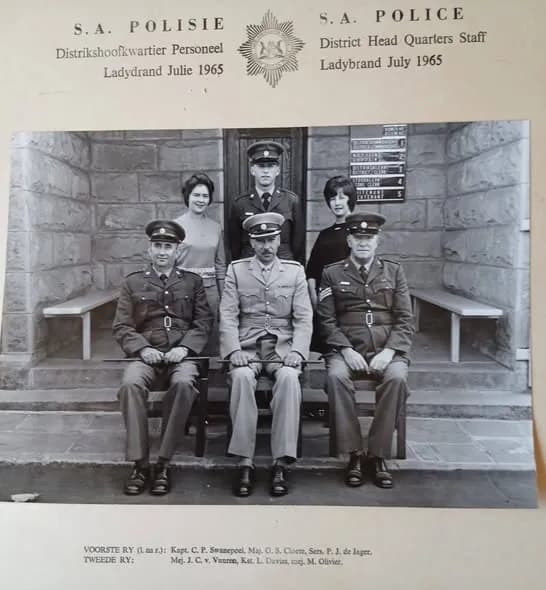
The career of Ms Tilla Botha in the South African Police/ SAP Service: Tilla Botha’s career in the South African Police reflects a pioneering journey marked by perseverance, loyalty, and unwavering dedication. Beginning in 1964 as one of the first female typists at the Ladybrand District Office, she advanced through numerous specialised units during a period when opportunities for women in policing were limited. Her service included key roles in the Vanderbijlpark Detective Branch, Ermelo Security Police, Blinkpan Police Station, Burgersfort Detectives, SANAB Middelburg, Murder and Robbery, Serious and Violent Crime, and later the Hawks in Middelburg. Across all postings, Botha was recognised for her professionalism, integrity, and steadfast commitment to duty. Upon retirement, she looked back on a career rich in meaningful experiences and significant contributions. Today, at 80 years of age, she remains an inspiration to colleagues and all who know her, embodying a legacy of service, courage, and resilience.
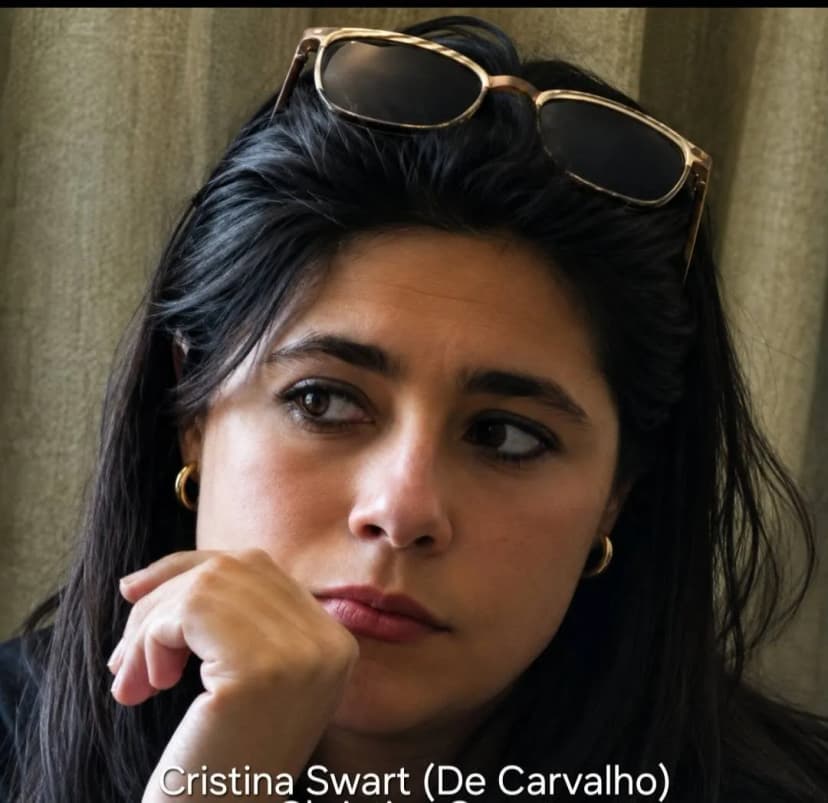
Cristina Swart’s career in the South African Police Service reflects a pioneering spirit, professional excellence, and unwavering commitment to justice. As the first Portuguese policewoman in the SAP, she progressed from police college in 1989 to specialised operational work in the Security Branch and later the Endangered Species Protection Unit (ESPU). Serving as Section Commander of the Fauna Team, she conducted high‑risk undercover operations, buy‑bust interventions, and investigations into ivory, rhino horn, abalone, and radioactive‑material syndicates. Her work brought her into international conservation circles, including engagements with the Discovery Channel and Prince Bernhard of the Netherlands. After transferring to East London in 1998, she became second‑in‑command of the Undercover Unit and later acted as commander before the unit’s closure. She subsequently joined Crime Intelligence, overseeing handlers, informers, and Secret Services Accounts. Swart resigned in 2014 with the rank of Captain, leaving behind a distinguished legacy of service, leadership, and dedication to combating organised crime and protecting South Africa’s natural heritage.

Die storie oor "Ou Grootwiel" van SA Polisie Alexanderbaai.
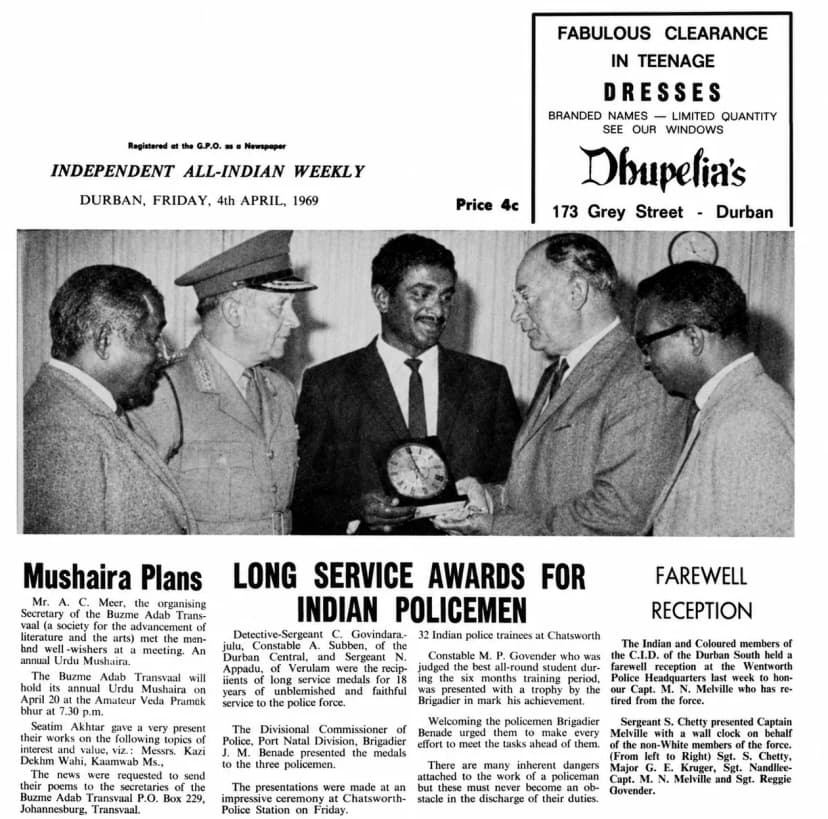
This article describes a farewell reception held in Durban for Captain MN Melville on his retirement from the South African Police. The event took place at Wentworth Police Headquarters and was organised by members of the Durban South CID. Police officers and colleagues gathered to honour Captain Melville for his loyal and dedicated service. During the ceremony, Sergeant S Chetty presented him with a wall clock as a sign of appreciation and respect. The reception highlighted the importance of recognising the service, leadership, and commitment of retiring police officers.