
NONGQAISouth Africa’s National Security MagazineEstablished in 1907
DONATE

All Articles


2 articles match your filters

1966 Wêreldhofuitspraak SWA
1914 - 1918 WW1

1966 Wêreldhofuitspraak SWA

This article reflects on the 1966 International Court of Justice ruling on South West Africa, in which Ethiopia and Liberia challenged South Africa’s administration of the mandate. The judgment, delivered by Judge Percy Spender, dismissed the applicants’ case, triggering far‑reaching diplomatic, political, and military consequences. As the article notes, “the General Assembly… revoked the mandate on 27 October 1966,” placing South Africa’s presence in the territory under intense global scrutiny. The author, Riaan Eksteen, recounts his direct involvement in South Africa’s diplomatic efforts over nearly three decades, detailing the escalation of conflict with SWAPO, the role of major international actors such as the United States, and the eventual implementation of UN Resolution 435 leading to Namibia’s independence in 1990. The narrative offers a unique insider perspective on the interplay between diplomacy, international law, and geopolitical pressures during a pivotal era in Southern African history.
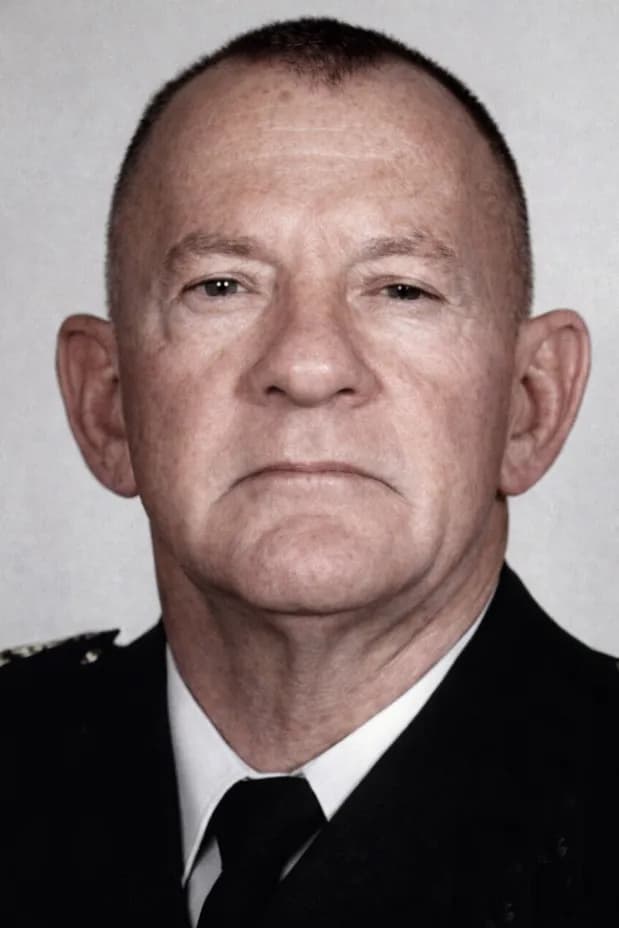
Brig. T. J. “Rooi Rus” Swanepoel, SOO
SOUTH AFRICAN FORCES HISTORY PRESERVED

Brig. T. J. “Rooi Rus” Swanepoel, SOO

This document presents an early strategic memorandum written in the early 1970s by Brigadier T. J. “Rooi Rus” Swanepoel of the South African Police. Swanepoel, a key operational figure during the first armed confrontation with SWAPO at Ongulambashe on 26 August 1966, drew on his extensive field experience and intelligence work to formulate recommendations on countering emerging insurgent threats. The report itself reflects this background: “I was from July 1963 to September 1967 closely involved in the struggle against terrorist organisations such as the ANC, PAC, SWAPO, ZAPU, ZANU, UNITA and also FRELIMO…” After serving in the Security Branch, Swanepoel was transferred to the Johannesburg Flying Squad, from where he submitted this assessment to Police Headquarters. The memorandum outlines his views on guerrilla tactics, leadership selection, patrol discipline, weapons, fieldcraft, survival skills, and the creation of specialised hunter killer teams. Although written before the implementation of “Operation K”, many of his proposals demonstrate notable foresight and align closely with counter insurgency practices later adopted by the South African Police and Defence Force. The original document survived only in a faded copy. It was carefully retyped by the late Sarie van Niekerk, with Lt Gen Johan Ferreira assisting in deciphering the final illegible sections. With hindsight, Brig Swanepoel’s observations and recommendations appear remarkably prescient.