3 articles match your filters

1914 - 1918 WW1The fire crackles softly in the windless Namib night, and the desert stretches out like an ancient, breathing presence. Around the flames, stories rise — of camel patrols, diamond fields, stranded ships, spies in German South West Africa, and policemen who walked the silence with discipline and courage. The Namib becomes a vast archive: a place where the stars speak of creation, where abandoned towns sink slowly into sand, and where men like Louis Botha, Trew, Ironside, Smith, Verster, and countless unnamed constables left their footprints on a land older than memory. In this world of dunes, wind, and forgotten histories, the desert keeps its secrets — yet reveals them to those who listen.
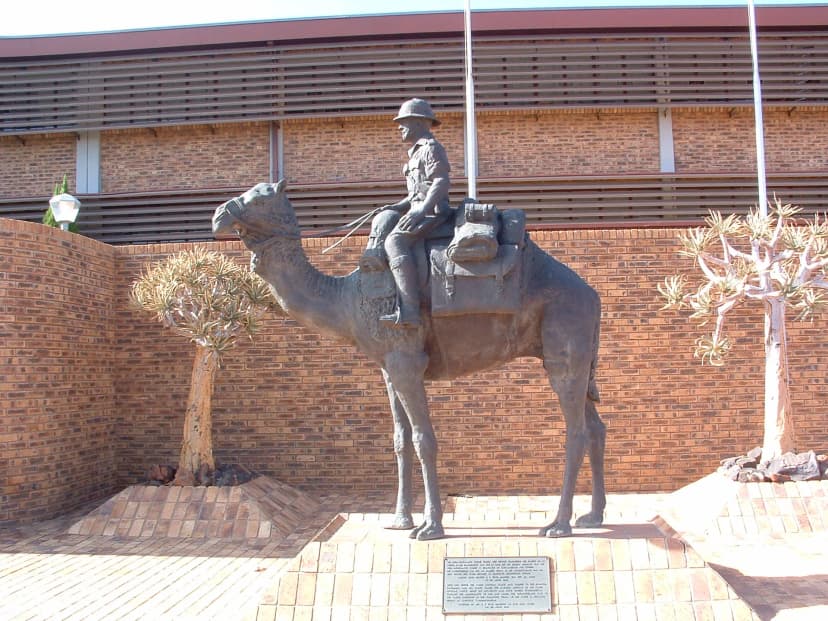
CULTURE - PRESERVINGNongqai Vol 17 No 8 - Kameel-standbeeld: Upington

1914 - 1918 WW1This article reflects on the 1966 International Court of Justice ruling on South West Africa, in which Ethiopia and Liberia challenged South Africa’s administration of the mandate. The judgment, delivered by Judge Percy Spender, dismissed the applicants’ case, triggering far‑reaching diplomatic, political, and military consequences. As the article notes, “the General Assembly… revoked the mandate on 27 October 1966,” placing South Africa’s presence in the territory under intense global scrutiny. The author, Riaan Eksteen, recounts his direct involvement in South Africa’s diplomatic efforts over nearly three decades, detailing the escalation of conflict with SWAPO, the role of major international actors such as the United States, and the eventual implementation of UN Resolution 435 leading to Namibia’s independence in 1990. The narrative offers a unique insider perspective on the interplay between diplomacy, international law, and geopolitical pressures during a pivotal era in Southern African history.