4 articles match your filters
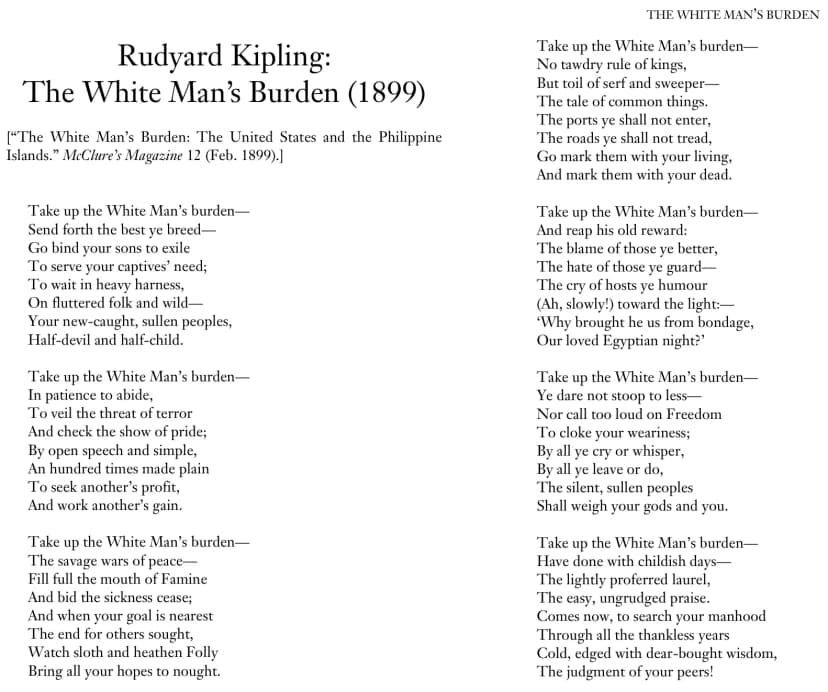
Africa and Global PowerWritten in 1899 as America crossed into overseas empire, Rudyard Kipling’s The White Man’s Burden offers a revealing view of power, responsibility and the assumptions of imperialism. More than a century later, its deepest question remains: does the power to intervene confer the wisdom or the right to reshape another society?

Defence Policy and StrategyAs the global order becomes increasingly multipolar, South Africa faces a strategic dilemma: it possesses significant geopolitical advantages but lacks a settled conception of its national interest. This article explores whether strategic identity & culture, sovereignty and strategic autonomy can provide common ground despite the country's competing histories, identities and political traditions.
Defence Policy and StrategyForeign policy is often presented as a calculation of national interest, separate from emotion and morality. Yet national interest itself is shaped by history, values and strategic culture, raising a difficult question: when principle, international law and material interests conflict, how should a state decide what it ought to do?

1914 - 1918 WW1This article reflects on the 1966 International Court of Justice ruling on South West Africa, in which Ethiopia and Liberia challenged South Africa’s administration of the mandate. The judgment, delivered by Judge Percy Spender, dismissed the applicants’ case, triggering far‑reaching diplomatic, political, and military consequences. As the article notes, “the General Assembly… revoked the mandate on 27 October 1966,” placing South Africa’s presence in the territory under intense global scrutiny. The author, Riaan Eksteen, recounts his direct involvement in South Africa’s diplomatic efforts over nearly three decades, detailing the escalation of conflict with SWAPO, the role of major international actors such as the United States, and the eventual implementation of UN Resolution 435 leading to Namibia’s independence in 1990. The narrative offers a unique insider perspective on the interplay between diplomacy, international law, and geopolitical pressures during a pivotal era in Southern African history.
