
BfSS NIS
National Intelligence Service – Covert Collection
National Intelligence Service – Covert Collection : The development of Covert Collection in the National Intelligence Service by Johan Lotriet and Tony Turton
7 articles match your filters
National Intelligence Service – Covert Collection : The development of Covert Collection in the National Intelligence Service by Johan Lotriet and Tony Turton

Prophetic Words by Anton Wiid about South Africa's future
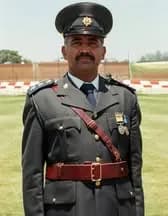
John Raymond David’s life is a story of hard work, determination and service. He was born in Estcourt, KwaZulu-Natal Midlands and grew up with strong family values. From a young age, he dreamed of making a difference. Through dedication, he built a respected career in the police service. He faced many challenges but never gave up. His leadership, honesty and courage earned the respect of others. He always believed in serving the community with fairness and compassion. His journey shows the importance of discipline and perseverance. His achievements continue to inspire future generations. His legacy is one of honour, integrity and lifelong public service.
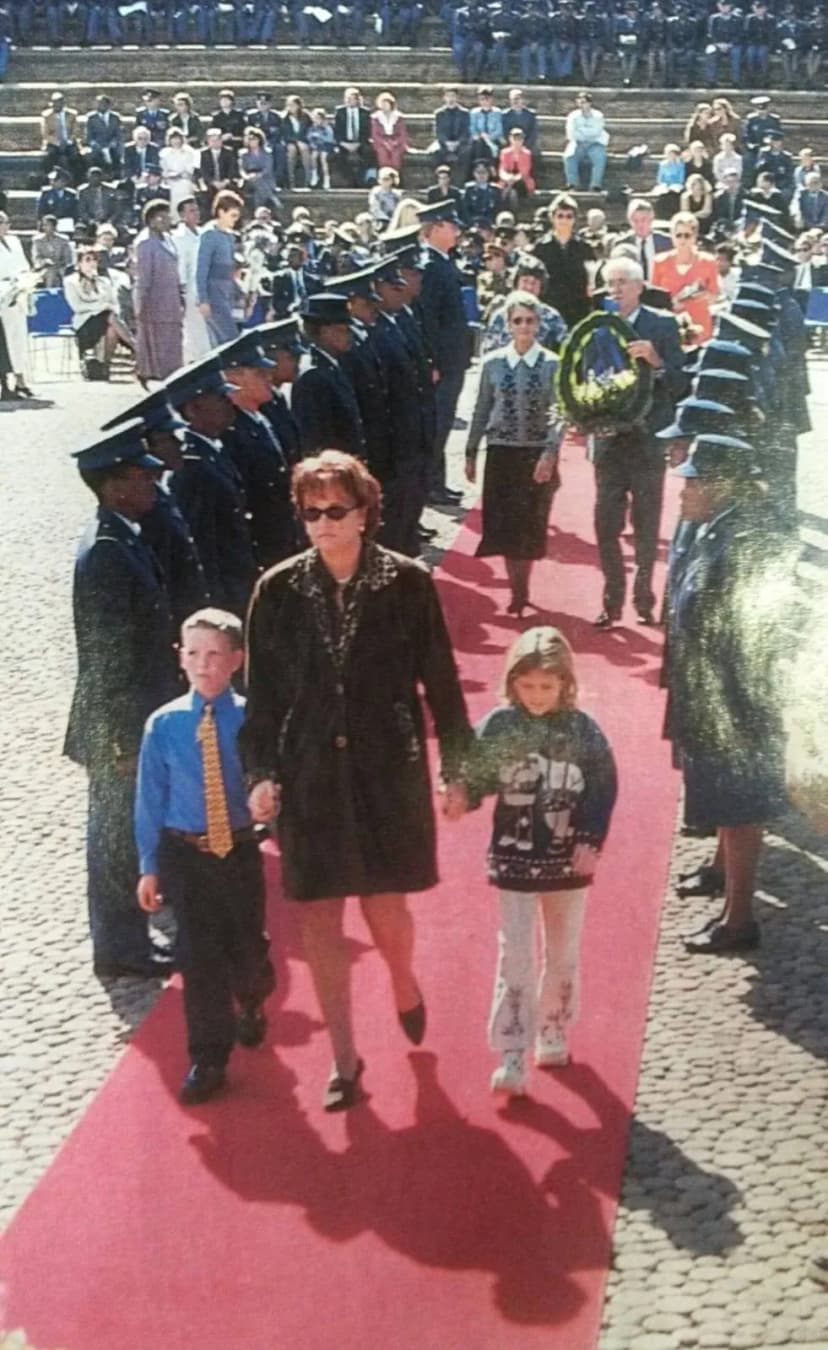
This autobiographical narrative traces the life and career of Ria Potgieter within the South African Police Service (SAPS) community, beginning with her appointment in 1983 as a typist at the Potchefstroom Headquarters Division. Her story highlights the deep professional and personal bonds formed within the policing environment, her marriages to two policemen, and her varied roles in administrative, investigative, and child‑protection units. A central and devastating turning point occurs with the murder of her husband, Sergeant Jaco Potgieter, during an armed robbery on 25 June 1999 — an event that profoundly shaped her life and remains emotionally present decades later. The narrative also reflects her continued resilience, career transitions, relocation to the Western Cape, and her role in raising both her biological and step‑children. Ultimately, the account emphasises the enduring solidarity of the SAPS community and her gratitude for divine protection throughout her life.
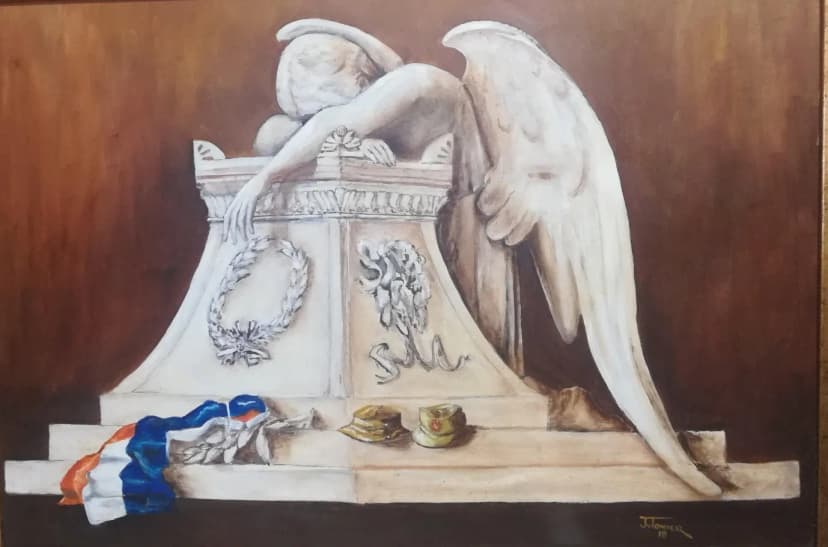
Abstract 1: Koevoet Experience and Counter‑Insurgency Operations: This section recounts first‑hand experiences accompanying Koevoet teams during counter‑insurgency operations in northern Namibia. The narrative highlights the tactical differences between Koevoet and the SADF, the intensity of spoor‑tracking, and the dangers of improvised explosive devices. A vivid description of a patrol ambush illustrates the suddenness of violence: “Then there were an explosion and shrapnel whistled through the air.” The account also reflects on the cooperation between units, the role of helicopters, and the emotional impact of casualties, including the death of a tracker. Abstract 2: Pastoral Duties, Rural Infiltration and Civilian Vulnerability This portion describes the author’s pastoral responsibilities during periods of insurgent infiltration in farming districts. Farmers were restricted from using roads, making the pastor the primary link to town. The narrative conveys the constant threat of landmines and ambushes, as illustrated by the soldier who “sat with his nose almost against the window” while scanning for disturbed soil. The text also recounts earlier attacks on farms, the psychological strain on visitors, and the uneasy coexistence of danger and routine community life. Abstract 3: Divine Protection, Attacks on Oshakati, and Human Resilience This section reflects on multiple mortar and rocket attacks on Oshakati between 1985 and 1987, emphasizing moments of perceived divine protection. Mortars fell on both sides of the house, yet “not a single window was broken.” The narrative includes encounters with unexploded ordnance, narrowly avoided ambushes, and the emotional aftermath requiring psychological support. It also recounts the 1988 Oshakati bank bombing and the pastoral role in supporting bereaved families. The closing anecdotes introduce moments of humour amid tension, illustrating the resilience of communities living under constant threat.
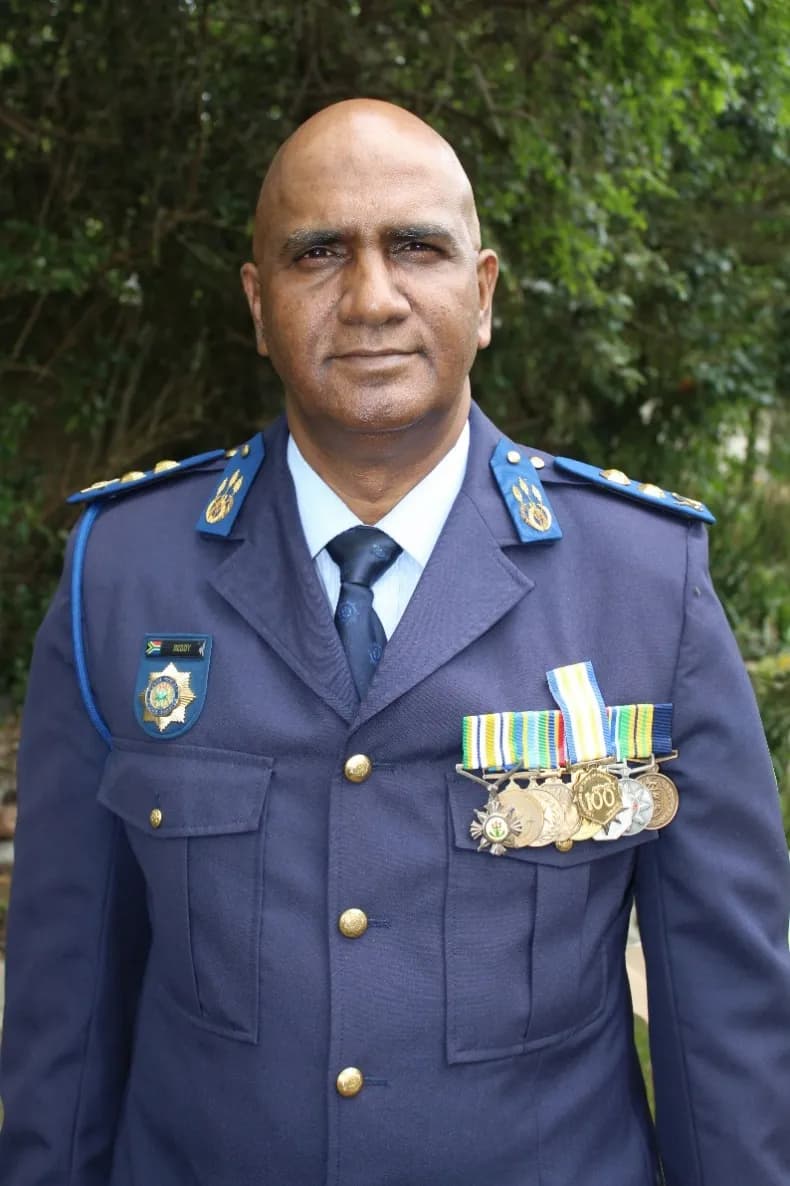
This autobiography tells the inspiring life story of Brigadier Chris Thaver, who served with honour and dedication in the police service. It describes his early struggles, career growth, and the challenges he faced during difficult times in South Africa. Through hard work, discipline, and determination, he achieved many historic milestones in the police service. His story also highlights the importance of family support, mentorship, and strong personal values.
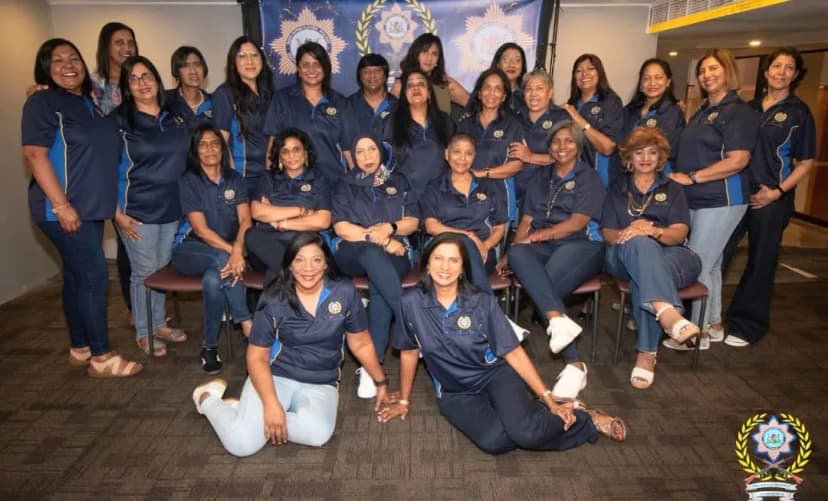
Ladies in Blue is a growing group of retired and active women from the South African Police Service (SAPS). It was formed in 2024 to make sure that women who gave many years of service to the police and their communities do not feel forgotten after retirement. Many members served for over forty years, showing courage, discipline, leadership, and compassion. The group promotes sisterhood, unity, and professionalism. It creates a safe space where former and serving policewomen can meet, build friendships, share experiences, and support one another emotionally and socially. Through networking and mentorship, they continue to inspire and uplift each other. Ladies in Blue also remains committed to community service. Members use their knowledge and experience to give guidance on legal matters, domestic violence, abuse, and other law-related issues. Their goal is to empower especially women, helping them regain confidence, dignity, and strength. They believe in protection, advocacy, and community outreach. Their mission is guided by the words agnoscere et honorare servientibus (to acknowledge and honour those who served) and Soli Deo Gloria (To God Alone be the Glory). Even in retirement, these women continue their legacy of service, honour, and public safety, proving that their commitment to making a difference never ends.