
NONGQAISouth Africa’s National Security MagazineEstablished in 1907
DONATE

All Articles


2 articles match your filters

Kriptografie
Cryptology

Kriptografie

This article recounts the professional journey of Ida Steyn, who began working at the SAP/SAPS Security Branch in Potchefstroom in 1986 and later qualified as a cryptographer through the highly classified SAKSA training programme. She describes the demanding nature of cryptographic work, strict security protocols, and the responsibility of safeguarding confidential, secret, and top‑secret police communications. Steyn outlines the operational environment, including controlled access facilities, inspections, key‑card management, and the introduction of modern encrypted communication systems such as the Data 6. Her later appointment as crypto controller for the former Wes‑Transvaal province illustrates the high level of trust, discipline, and integrity required in police cryptographic operations. The article preserves an important part of South Africa’s policing and intelligence heritage. “Kriptografiese toerusting is gespesialiseerde kommunikasietoerusting… om Vertroulike, Geheime en Uiters Geheime inligting veilig te versend en te ontvang.” “Dit was ’n posisie wat groot verantwoordelikheid, absolute integriteit en onwrikbare dissipline vereis het.”
Ria Potgieter
Civilian Women

Ria Potgieter

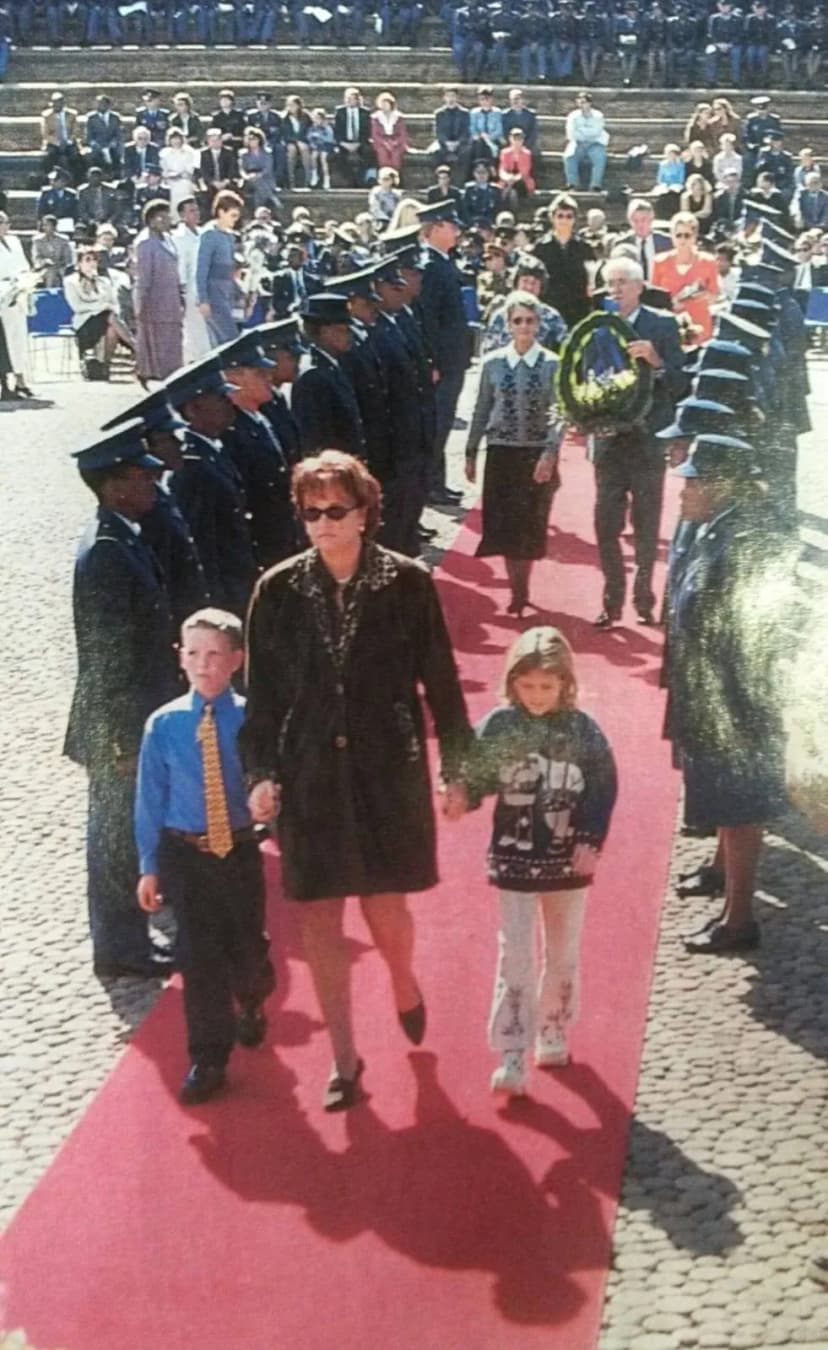
This autobiographical narrative traces the life and career of Ria Potgieter within the South African Police Service (SAPS) community, beginning with her appointment in 1983 as a typist at the Potchefstroom Headquarters Division. Her story highlights the deep professional and personal bonds formed within the policing environment, her marriages to two policemen, and her varied roles in administrative, investigative, and child‑protection units. A central and devastating turning point occurs with the murder of her husband, Sergeant Jaco Potgieter, during an armed robbery on 25 June 1999 — an event that profoundly shaped her life and remains emotionally present decades later. The narrative also reflects her continued resilience, career transitions, relocation to the Western Cape, and her role in raising both her biological and step‑children. Ultimately, the account emphasises the enduring solidarity of the SAPS community and her gratitude for divine protection throughout her life.