NONGQAISouth Africa’s National Security MagazineEstablished in 1907
DONATE

All Articles


5 articles match your filters

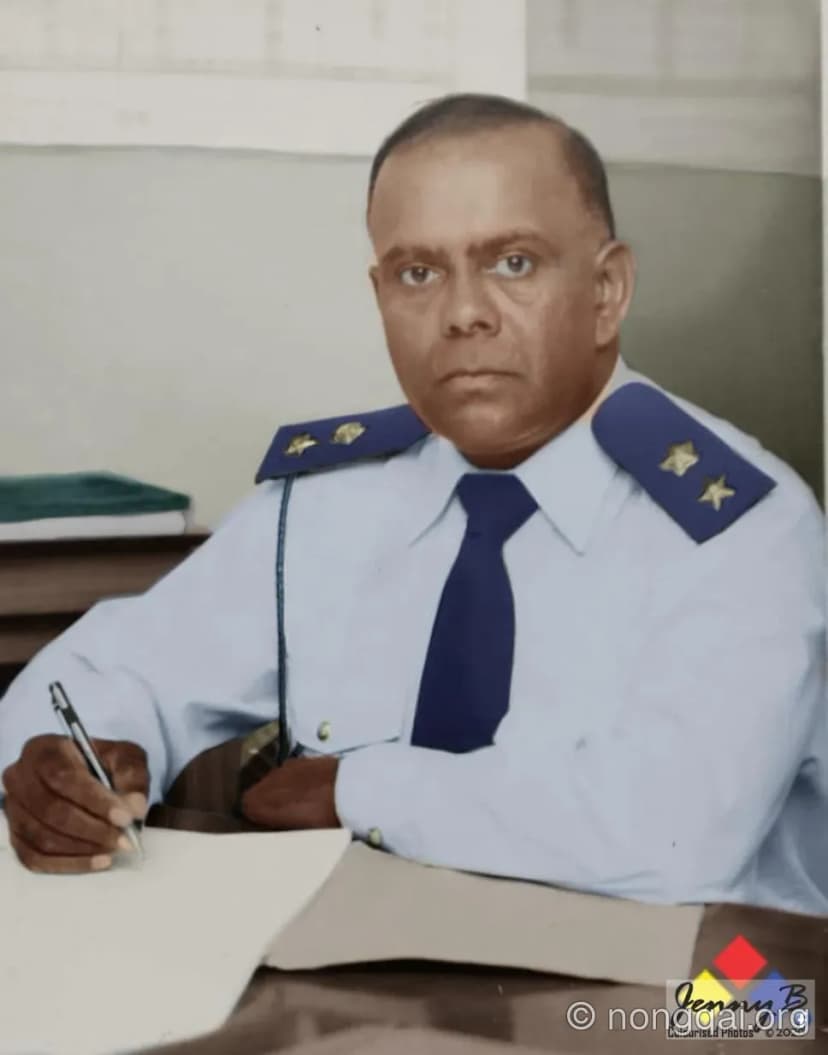
Preserving the Legacy of Our Indian Police Unsung Heroes of Chatsworth Subramonia Pillai, A Pioneer in the South African Police
Non-White SAP Officers

Preserving the Legacy of Our Indian Police Unsung Heroes of Chatsworth Subramonia Pillai, A Pioneer in the South African Police

Subramonia Pillai was a true pioneer in the South African Police. He rose from humble beginnings as a factory worker and newspaper seller to become the first Indian police officer to attain the rank of Lieutenant-Colonel. He made history as the first Indian Station Commander at Chatsworth in 1965. He later commanded the Indian Police Training College at Wentworth, where he helped train future police officers. His life remains an inspiring example of hard work, education, determination and dedicated service to the South African Police.

Establishment & Generals in SAPS

Open letter: Dr L Max

Police leadership should be founded on professional qualifications, operational policing experience, integrity, and merit rather than primarily on executive or political considerations.

R Nel – Nongqai Vol 17 Vol 4
Excellent service

R Nel – Nongqai Vol 17 Vol 4

This biographical narrative traces the 38‑year career of Colonel Riana Nel in the South African Police (SAP/SAPS) from 1978 to 2016. Beginning with her graduation as a constable — “dedication and pride became part of my equipment” — the account follows her progression through a male‑dominated police structure during a period marked by political unrest, operational pressure, and limited promotional opportunities for women. Despite these constraints, she pursued continuous professional development, completing the National Certificates in Police Administration and later a BA in Police Science. Her career is distinguished by extensive contributions to police training and institutional development. After early operational experience in Lichtenburg and Potchefstroom, she transitioned to major training environments, including Koeberg and later the Oudtshoorn Police Academy. At Oudtshoorn she played a central role in establishing and managing the academy’s administrative, academic, and support structures. As Commandant from 2000, she oversaw major infrastructure upgrades, including a R125‑million redevelopment project and the establishment of the first role‑play training centre in a police academy. Under her leadership, the academy achieved SASSETA accreditation and was awarded “Centre of Excellence” status. Her work extended to international collaboration, notably with Swedish police training institutions, and to community outreach programmes supporting schools, vulnerable groups, and water‑safety initiatives. She received multiple awards for leadership and excellence, including recognition as the top Commandant among 26 academies. A profound personal turning point occurred in 2010 with the death of her husband, Colonel Frank Nel — “our family’s anchor and rock was suddenly gone” — after which she continued her service through resilience, faith, and renewed purpose. The narrative concludes with her achievements in sports, community involvement, and lifelong learning, underscoring the foundational role of police discipline, service ethos, and spiritual conviction in her life.
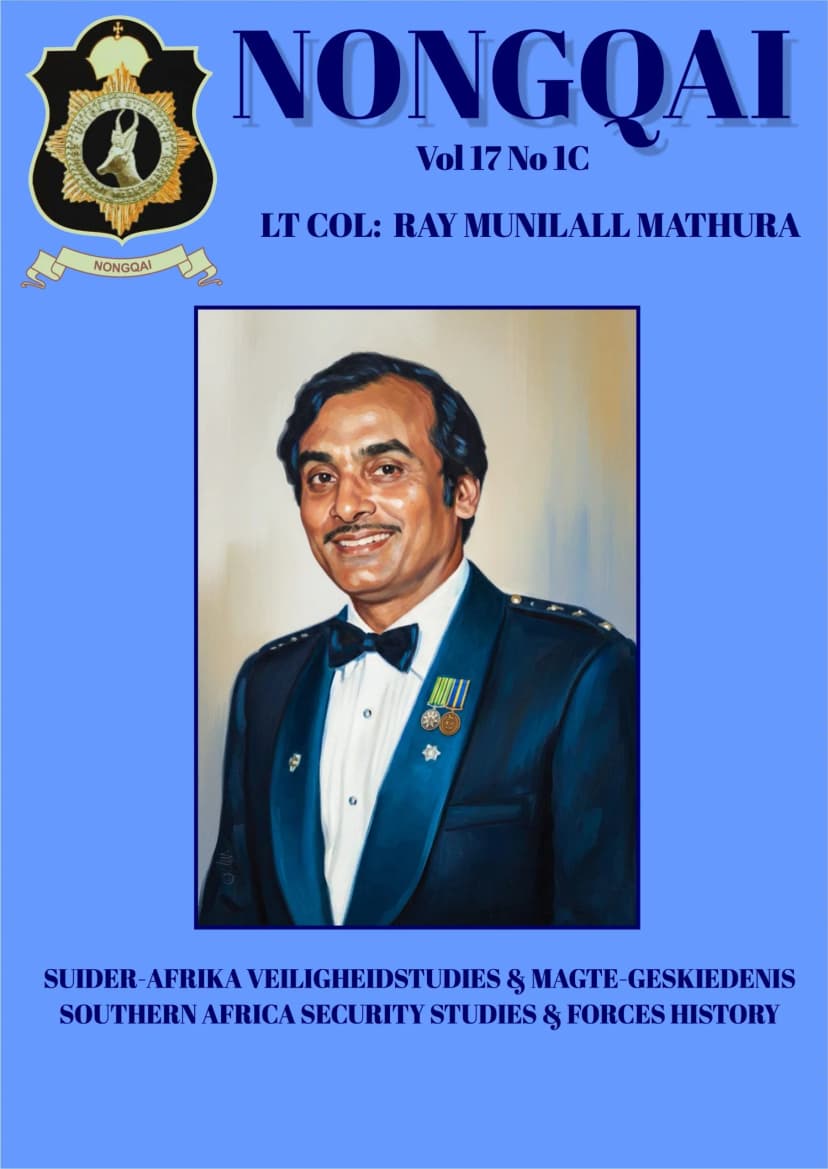
Lt-Col Ray Munilall Mathura
Contemporary Police History / Eietydse Polisiegeskiedenis

Lt-Col Ray Munilall Mathura

Lieutenant-Colonel Ray Munilall Mathura (1937-1993) was a groundbreaking Indian South African police officer. He served with great dedication during the apartheid era, a time when strict racial rules limited opportunities for non-white members. Born in 1937, he joined the South African Police on 19th April 1960 and served for more than 30 years. Despite strong racial discrimination, he rose through the ranks. During 1975, he was commissioned. Mathura’s career showed determination and courage in the face of hardship. He inspired others to serve their communities with pride, discipline, and integrity. Although he passed on 25th April 1993, his achievements are still honoured today. Police history records, including the Nongqai archives and he is also featured in the University of KwaZulu-Natal’s Gandhi-Luthuli Documentation Centre’s website gallery entitled, South African Police Indian Veteran. The centre serves as both a living archive and a tribute to the Indian community’s legacy in South Africa and recognise him as one of the great legends of the South African Police.

Captain Nelson Kabalamurthi Nayager
SAP Chatsworth

Captain Nelson Kabalamurthi Nayager

Captain Nelson Kabalamurthi Nayager (1932–1975) was a pioneering Indian member of the South African Police whose career embodied professionalism, integrity, and resilience during the apartheid era. Joining the force in 1952, he rose steadily despite systemic racial barriers, completing advanced technical training and earning widespread respect for his discipline and dedication. In 1970, he became one of the first two Indian policemen to receive a commissioned rank, later advancing to Captain in 1974—milestones that marked significant progress for Indian representation in the police service. Throughout his 23-year career, he was commended by senior judicial authorities for his exemplary conduct and became a mentor and advocate for the advancement of Indian policemen. His sudden passing in 1975 at the age of 43 was deeply mourned across racial lines, reflecting the high esteem in which he was held. Today, his legacy endures in police history records, including the Nongqai archives and the University of KwaZulu-Natal’s Gandhi-Luthuli Documentation Centre, where he is honoured as one of the great legends of the South African Police and a symbol of the Indian community’s contribution to public service.