5 articles match your filters
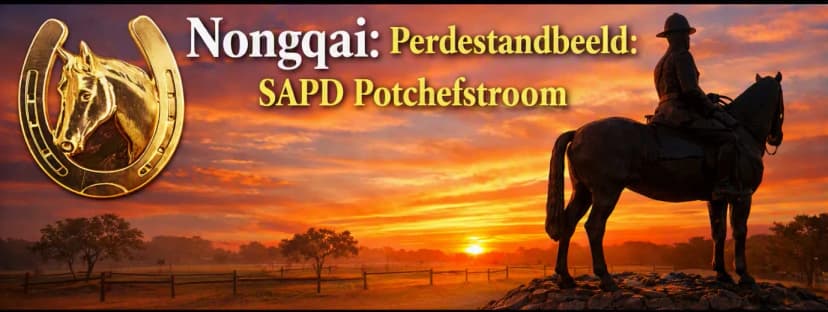
1988 Perd-standbeeld - SAP-kollegeThe Eques Incognitus statue’s journey reflects the enduring spirit of South Africa’s Mounted Police, moving from the SAP College to Potchefstroom as a living symbol of service and tradition. It stands today as a tribute to loyalty and heritage, echoing the legacy of Abadan L123 and the men and horses who served with honour.
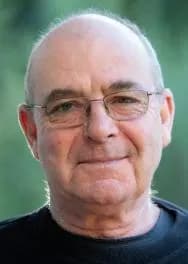
1939 - 1945: The Wartime SA PoliceCaptain Johannes “Jan” Taillard (1904–1987) was one of South Africa’s most effective and least known undercover policemen. Fluent in German and trusted across social divides, he played a decisive role in dismantling the Nazi Party in South West Africa in 1939, stealing the complete membership index and enabling the arrest of 2 284 members. In 1941 he infiltrated anti government networks in the Brits district, gained the confidence of Abwehr agent Robey Leibbrandt, and led him into a police ambush — an operation that prevented a planned assassination of Prime Minister Jan Smuts. Taillard’s long police career included senior command posts in Queenstown, Umtata, Johannesburg, and Cape Town, where he managed political unrest, labour strikes, and major security operations. Despite his contributions, his pension was severely affected by a break in service during undercover work, and his later life was marked by hardship. He died in 1987 without honours or police representation at his funeral. His story remains one of the most remarkable — and overlooked — chapters in South African policing history.
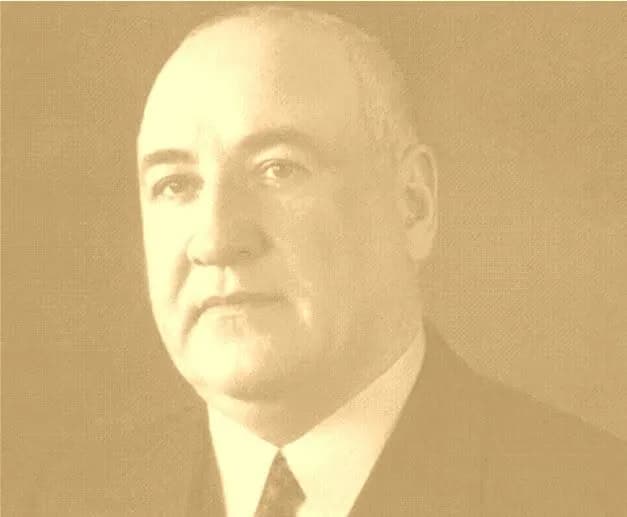
Contemporary Police History / Eietydse PolisiegeskiedenisDetective Head Constable Lourens Wilhelm Johannes Arangies served nearly 36 years in the South African Police, distinguishing himself as one of the most capable detectives of his era. Joining the force in 1913, he worked through major events such as the 1914 strike and later became a key figure in the Criminal Investigation Department. Arangies was renowned for his exceptional ability to gather, interpret, and connect information, a skill that contributed to solving an estimated 500 murder cases. His career included service in Johannesburg, Durban, Newlands, and Krugersdorp, where he rose to the respected rank of Head Constable. He volunteered during World War II, earning the Africa Service Medal and the Good Service Medal. Arangies played a decisive role in several high profile investigations, including complex murder and robbery cases between 1934 and 1946. He retired in 1949 and passed away in 1969, leaving behind a legacy of dedication, investigative excellence, and service to his community.
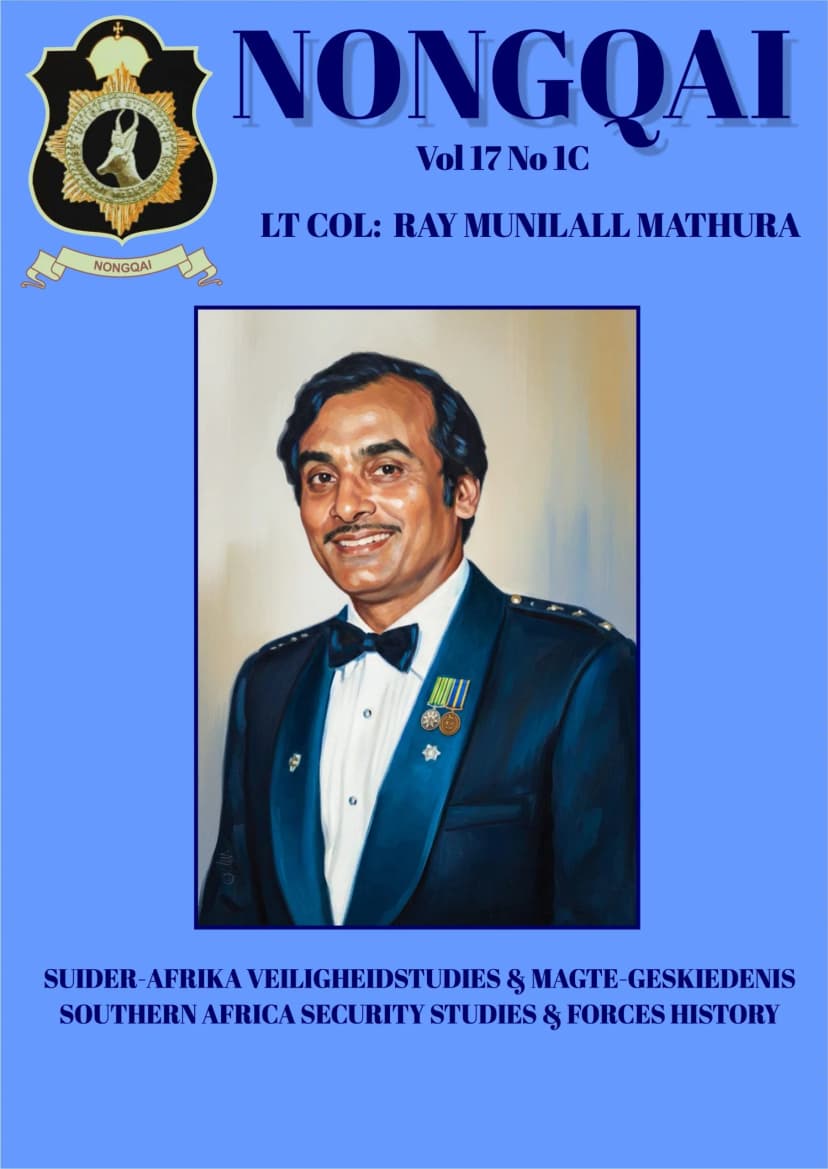
Contemporary Police History / Eietydse PolisiegeskiedenisLieutenant-Colonel Ray Munilall Mathura (1937-1993) was a groundbreaking Indian South African police officer. He served with great dedication during the apartheid era, a time when strict racial rules limited opportunities for non-white members.
Born in 1937, he joined the South African Police on 19th April 1960 and served for more than 30 years. Despite strong racial discrimination, he rose through the ranks. During 1975, he was commissioned.
Mathura’s career showed determination and courage in the face of hardship. He inspired others to serve their communities with pride, discipline, and integrity. Although he passed on 25th April 1993, his achievements are still honoured today. Police history records, including the Nongqai archives and he is also featured in the University of KwaZulu-Natal’s Gandhi-Luthuli Documentation Centre’s website gallery entitled, South African Police Indian Veteran. The centre serves as both a living archive and a tribute to the Indian community’s legacy in South Africa and recognise him as one of the great legends of the South African Police.
SAP ChatsworthCaptain Nelson Kabalamurthi Nayager (1932–1975) was a pioneering Indian member of the South African Police whose career embodied professionalism, integrity, and resilience during the apartheid era. Joining the force in 1952, he rose steadily despite systemic racial barriers, completing advanced technical training and earning widespread respect for his discipline and dedication. In 1970, he became one of the first two Indian policemen to receive a commissioned rank, later advancing to Captain in 1974—milestones that marked significant progress for Indian representation in the police service. Throughout his 23-year career, he was commended by senior judicial authorities for his exemplary conduct and became a mentor and advocate for the advancement of Indian policemen. His sudden passing in 1975 at the age of 43 was deeply mourned across racial lines, reflecting the high esteem in which he was held. Today, his legacy endures in police history records, including the Nongqai archives and the University of KwaZulu-Natal’s Gandhi-Luthuli Documentation Centre, where he is honoured as one of the great legends of the South African Police and a symbol of the Indian community’s contribution to public service.
