NONGQAISouth Africa’s National Security MagazineEstablished in 1907
DONATE

All Articles


4 articles match your filters

Col J “Tollie” Vreugdenburg
Crime Intelligence

Col J “Tollie” Vreugdenburg

This chapter provides a detailed account of one of South Africa’s most significant modern counter espionage investigations: the case of Navy Captain Bradley Stanford Morris. It contextualises espionage in South Africa by outlining historical examples of foreign intelligence penetration during the apartheid era, including the Kozloff and Wierzba cases, and the high profile treason conviction of Dieter Gerhardt. The chapter then documents the operational process followed by South African security structures—State Security Agency, Defence Intelligence, Crime Intelligence, and the Hawks—in identifying, infiltrating, and prosecuting Morris for unlawfully possessing and distributing highly classified military information. Through undercover operations, forensic searches, and extensive document analysis, investigators uncovered 43 sensitive documents and multiple security breaches. The chapter concludes with Morris’s conviction under the Protection of Information Act and reflects on the broader implications for national security, intelligence oversight, and the enforcement of Minimum Information Security Standards in South Africa.
Kriptografie
Cryptology

Kriptografie

This article recounts the professional journey of Ida Steyn, who began working at the SAP/SAPS Security Branch in Potchefstroom in 1986 and later qualified as a cryptographer through the highly classified SAKSA training programme. She describes the demanding nature of cryptographic work, strict security protocols, and the responsibility of safeguarding confidential, secret, and top‑secret police communications. Steyn outlines the operational environment, including controlled access facilities, inspections, key‑card management, and the introduction of modern encrypted communication systems such as the Data 6. Her later appointment as crypto controller for the former Wes‑Transvaal province illustrates the high level of trust, discipline, and integrity required in police cryptographic operations. The article preserves an important part of South Africa’s policing and intelligence heritage. “Kriptografiese toerusting is gespesialiseerde kommunikasietoerusting… om Vertroulike, Geheime en Uiters Geheime inligting veilig te versend en te ontvang.” “Dit was ’n posisie wat groot verantwoordelikheid, absolute integriteit en onwrikbare dissipline vereis het.”

Cristina Swart
Contemporary Police History / Eietydse Polisiegeskiedenis

Cristina Swart

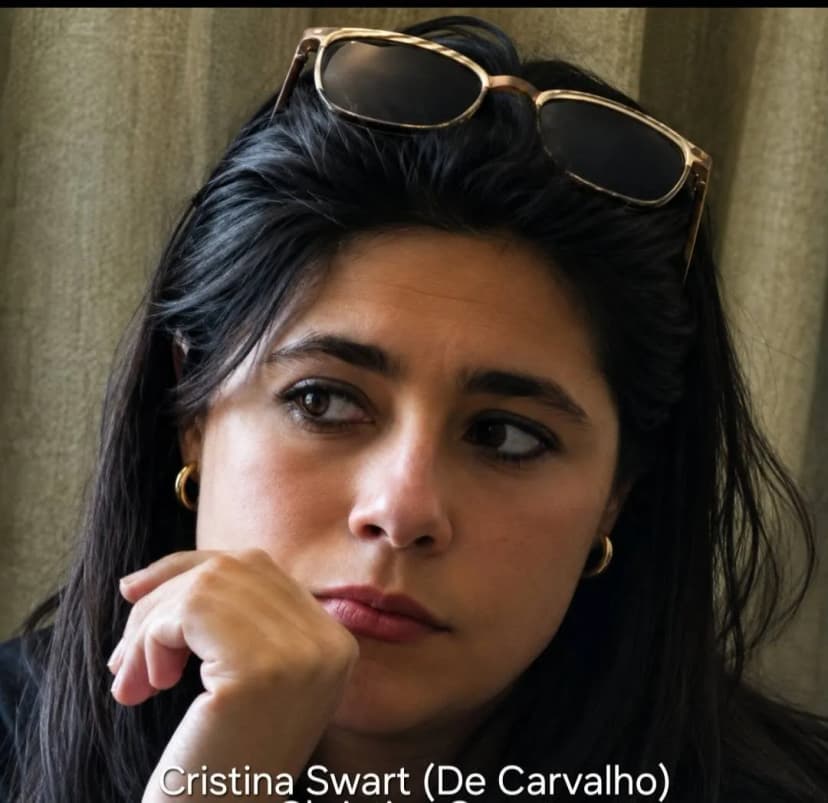
Cristina Swart’s career in the South African Police Service reflects a pioneering spirit, professional excellence, and unwavering commitment to justice. As the first Portuguese policewoman in the SAP, she progressed from police college in 1989 to specialised operational work in the Security Branch and later the Endangered Species Protection Unit (ESPU). Serving as Section Commander of the Fauna Team, she conducted high risk undercover operations, buy bust interventions, and investigations into ivory, rhino horn, abalone, and radioactive material syndicates. Her work brought her into international conservation circles, including engagements with the Discovery Channel and Prince Bernhard of the Netherlands. After transferring to East London in 1998, she became second in command of the Undercover Unit and later acted as commander before the unit’s closure. She subsequently joined Crime Intelligence, overseeing handlers, informers, and Secret Services Accounts. Swart resigned in 2014 with the rank of Captain, leaving behind a distinguished legacy of service, leadership, and dedication to combating organised crime and protecting South Africa’s natural heritage.

Cristina
Crime Intelligence

Cristina

Cristina Swart’s career in the South African Police Service reflects a pioneering spirit, professional excellence, and unwavering commitment to justice. As the first Portuguese policewoman in the SAP, she progressed from police college in 1989 to specialised operational work in the Security Branch and later the Endangered Species Protection Unit (ESPU). Serving as Section Commander of the Fauna Team, she conducted high‑risk undercover operations, buy‑bust interventions, and investigations into ivory, rhino horn, abalone, and radioactive‑material syndicates. Her work brought her into international conservation circles, including engagements with the Discovery Channel and Prince Bernhard of the Netherlands. After transferring to East London in 1998, she became second‑in‑command of the Undercover Unit and later acted as commander before the unit’s closure. She subsequently joined Crime Intelligence, overseeing handlers, informers, and Secret Services Accounts. Swart resigned in 2014 with the rank of Captain, leaving behind a distinguished legacy of service, leadership, and dedication to combating organised crime and protecting South Africa’s natural heritage.