

ESPIONAGE IN SOUTH AFRICA
Dormante agente en Spioene
The article outlines how sleeper (dormant) agents and spies operate within global intelligence systems.
5 articles match your filters
The article outlines how sleeper (dormant) agents and spies operate within global intelligence systems.
This article examines the life, espionage activities, and eventual death of Rear Admiral (JG) Dieter Felix Gerhardt, one of the most significant Soviet GRU agents to operate in the Western world during the Cold War. Gerhardt, a highly skilled South African naval officer with access to sensitive strategic information, spied for the Soviet Union from the 1960s until his arrest in 1983. His activities included photographing and transmitting thousands of classified South African Defence Force and Western military documents to his GRU handlers, making him a “mega spy” of exceptional value to Moscow. The article outlines his naval career, his recruitment by the Soviets, the role of his wife Ruth as courier, and the eventual counterintelligence investigation led by senior officers of the South African Police Security Branch. It highlights the ethical stance taken by General Major Frans Steenkamp, who insisted Gerhardt be treated lawfully despite pressure for extrajudicial action. After being convicted of high treason and sentenced to life imprisonment, Gerhardt was released in 1992 during South Africa’s political transition and later officially pardoned. The narrative also includes commentary from intelligence professionals, reflections on security clearance failures, and archival material from the SAP Museum. Gerhardt’s legacy remains deeply controversial—seen by some as a traitor and by others as an anti apartheid actor motivated by ideology. His death in July 2026 closes the chapter on one of South Africa’s most complex and impactful espionage cases.
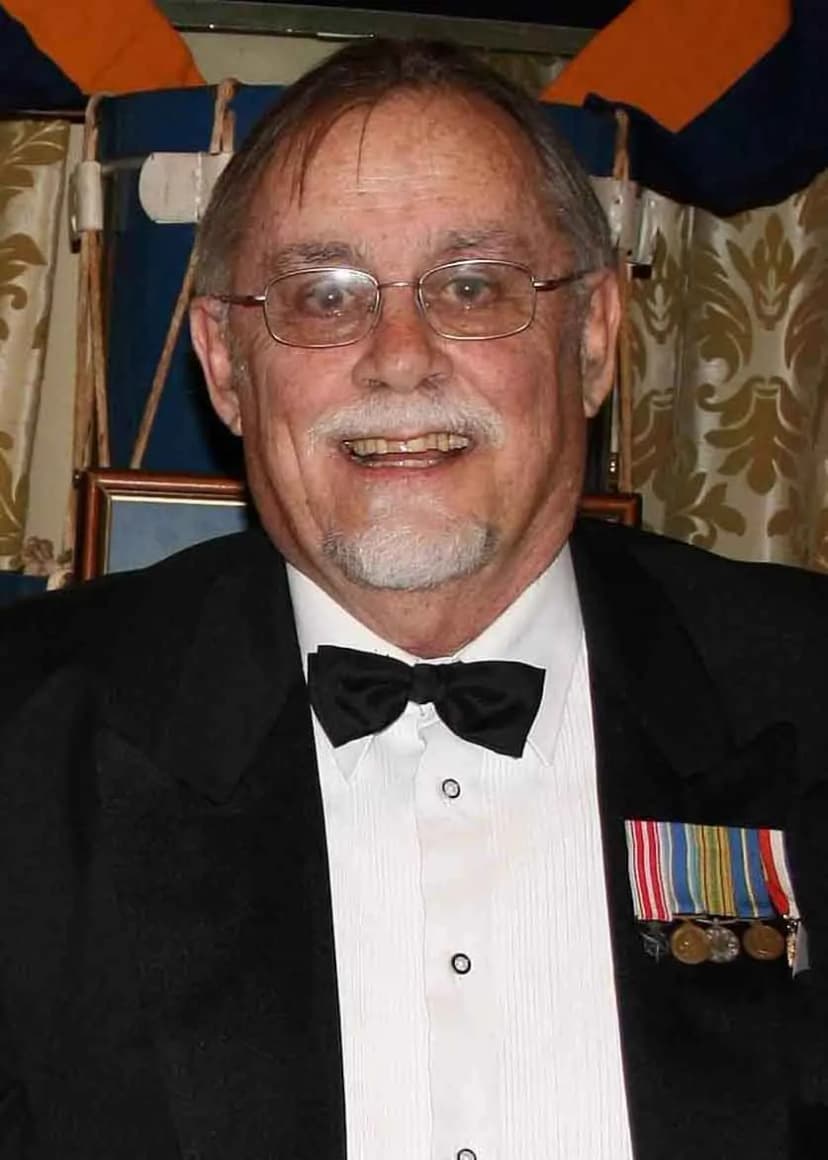
This article explores the fraught intersection of policing and politics in South African history, tracing a cycle of duty, disloyalty, and moral reckoning from World War II through the democratic transition of the 1990s. It highlights the roles of key Security Branch officers under the Smuts government, including covert operatives like Captain Jan Taillard, and reflects on the ideological tensions that shaped their careers. Through the lens of Major GE Diedericks’ internment of BJ Vorster and the later abandonment of the South African Police during CODESA negotiations, the narrative examines how political shifts repeatedly left loyal officers vulnerable. The article argues for a retrospective moral accounting of the policeman’s role, invoking the Nuremberg Principles and emphasizing the need to honour integrity amid political storms. It concludes with reflections on South Africa’s intelligence community and the enduring lessons of service, sacrifice, and historical memory.

The Daisy Spy Ring: About Maj Craig Michael Williamson (RS 167) and his Clandestine Overseas Operation of how the SA Communist Party was infiltrated locally and abroad during the Cold War.
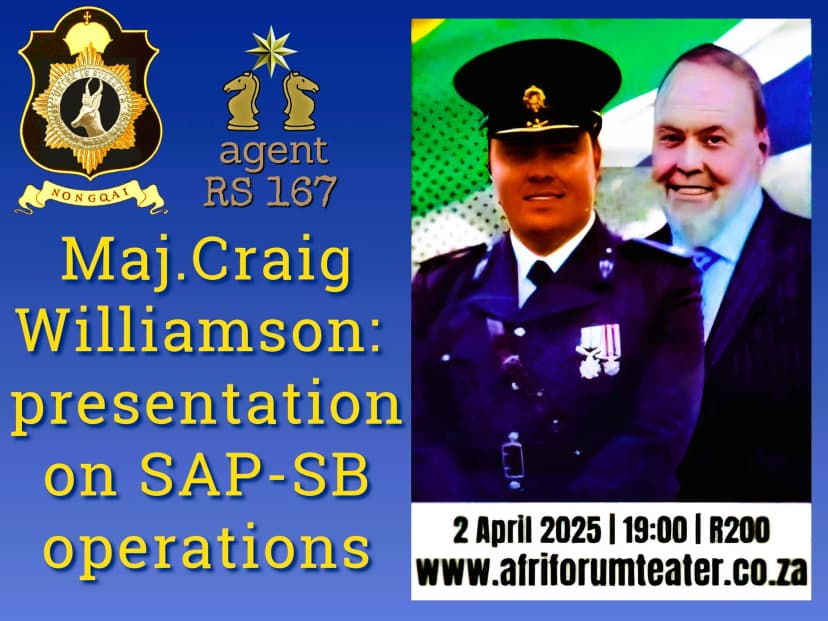
South African Police Security Branch master spy, Major Craig Williamson, RS 167 spoke on the 2nd of April 2025 about the ever present need for espionage, and gave background about the SAP-SB's infiltration of the SACP/ANC Alliance during the armed struggle through operations such as "Ops Daisy".