

NONGQAISouth Africa’s National Security MagazineEstablished in 1907
DONATE

All Articles


3 articles match your filters

Stormtroepe SASP-STM
RAILWAYS IN WAR

Stormtroepe SASP-STM

This article from Die Lourierkrans (December 1984) highlights the professionalism and elite training of the South African Railway Police Special Task Force. It describes their dual role in counter‑insurgency operations along the national borders and in protecting the country’s extensive transport infrastructure—railways, ports, airports, and public vehicles. The narrative emphasizes their rigorous preparation under Major Ronnie Beyl at Slagboom near Port Elizabeth, where live ammunition and explosives were used to simulate real combat conditions. The piece portrays the unit as a disciplined, fearless brotherhood, praised internationally for its expertise in hostage rescue and anti‑terrorist missions, under the leadership of Brigadier Gustav Erlank.
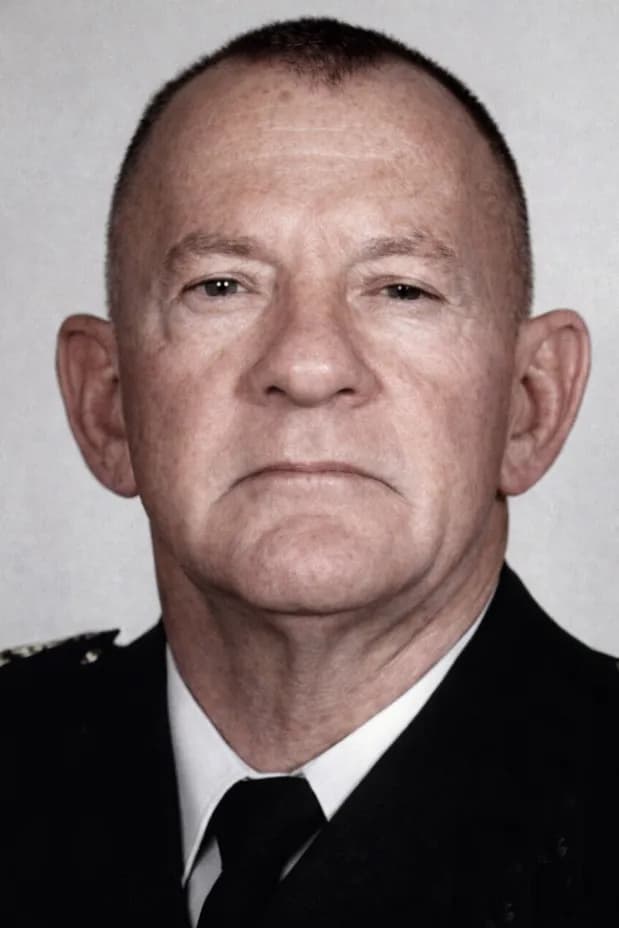

Brig. T. J. “Rooi Rus” Swanepoel, SOO
SOUTH AFRICAN FORCES HISTORY PRESERVED

Brig. T. J. “Rooi Rus” Swanepoel, SOO

This document presents an early strategic memorandum written in the early 1970s by Brigadier T. J. “Rooi Rus” Swanepoel of the South African Police. Swanepoel, a key operational figure during the first armed confrontation with SWAPO at Ongulambashe on 26 August 1966, drew on his extensive field experience and intelligence work to formulate recommendations on countering emerging insurgent threats. The report itself reflects this background: “I was from July 1963 to September 1967 closely involved in the struggle against terrorist organisations such as the ANC, PAC, SWAPO, ZAPU, ZANU, UNITA and also FRELIMO…” After serving in the Security Branch, Swanepoel was transferred to the Johannesburg Flying Squad, from where he submitted this assessment to Police Headquarters. The memorandum outlines his views on guerrilla tactics, leadership selection, patrol discipline, weapons, fieldcraft, survival skills, and the creation of specialised hunter killer teams. Although written before the implementation of “Operation K”, many of his proposals demonstrate notable foresight and align closely with counter insurgency practices later adopted by the South African Police and Defence Force. The original document survived only in a faded copy. It was carefully retyped by the late Sarie van Niekerk, with Lt Gen Johan Ferreira assisting in deciphering the final illegible sections. With hindsight, Brig Swanepoel’s observations and recommendations appear remarkably prescient.

Gister se onthou
1975–1976 grensoorlog

Gister se onthou

Abstract 1: Koevoet Experience and Counter‑Insurgency Operations: This section recounts first‑hand experiences accompanying Koevoet teams during counter‑insurgency operations in northern Namibia. The narrative highlights the tactical differences between Koevoet and the SADF, the intensity of spoor‑tracking, and the dangers of improvised explosive devices. A vivid description of a patrol ambush illustrates the suddenness of violence: “Then there were an explosion and shrapnel whistled through the air.” The account also reflects on the cooperation between units, the role of helicopters, and the emotional impact of casualties, including the death of a tracker. Abstract 2: Pastoral Duties, Rural Infiltration and Civilian Vulnerability This portion describes the author’s pastoral responsibilities during periods of insurgent infiltration in farming districts. Farmers were restricted from using roads, making the pastor the primary link to town. The narrative conveys the constant threat of landmines and ambushes, as illustrated by the soldier who “sat with his nose almost against the window” while scanning for disturbed soil. The text also recounts earlier attacks on farms, the psychological strain on visitors, and the uneasy coexistence of danger and routine community life. Abstract 3: Divine Protection, Attacks on Oshakati, and Human Resilience This section reflects on multiple mortar and rocket attacks on Oshakati between 1985 and 1987, emphasizing moments of perceived divine protection. Mortars fell on both sides of the house, yet “not a single window was broken.” The narrative includes encounters with unexploded ordnance, narrowly avoided ambushes, and the emotional aftermath requiring psychological support. It also recounts the 1988 Oshakati bank bombing and the pastoral role in supporting bereaved families. The closing anecdotes introduce moments of humour amid tension, illustrating the resilience of communities living under constant threat.