

LEGAL
Parliament and Malanga’s role in following criminal prosecutions
A parliamentary inquiry and a criminal prosecution serve different constitutional purposes and can proceed independently without delay.
4 articles match your filters
A parliamentary inquiry and a criminal prosecution serve different constitutional purposes and can proceed independently without delay.
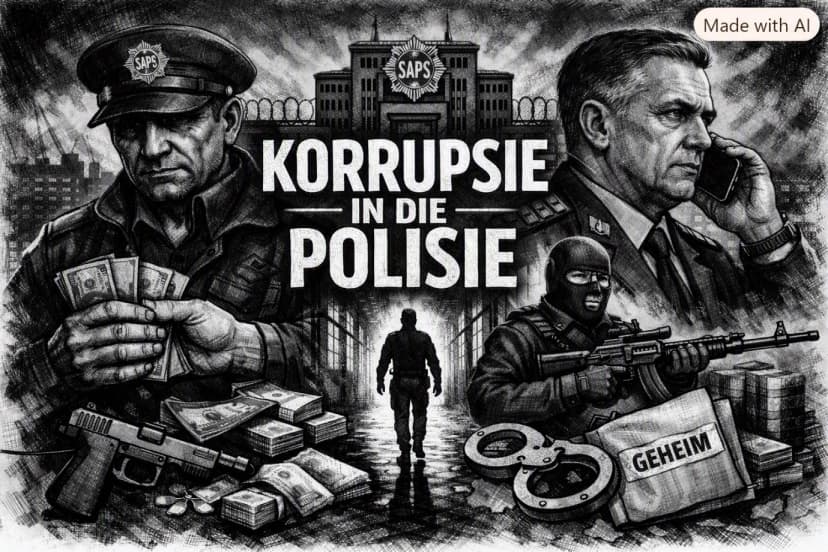
A police force’s greatest danger is not the criminal outside the gate, but the policeman who opens it from within.
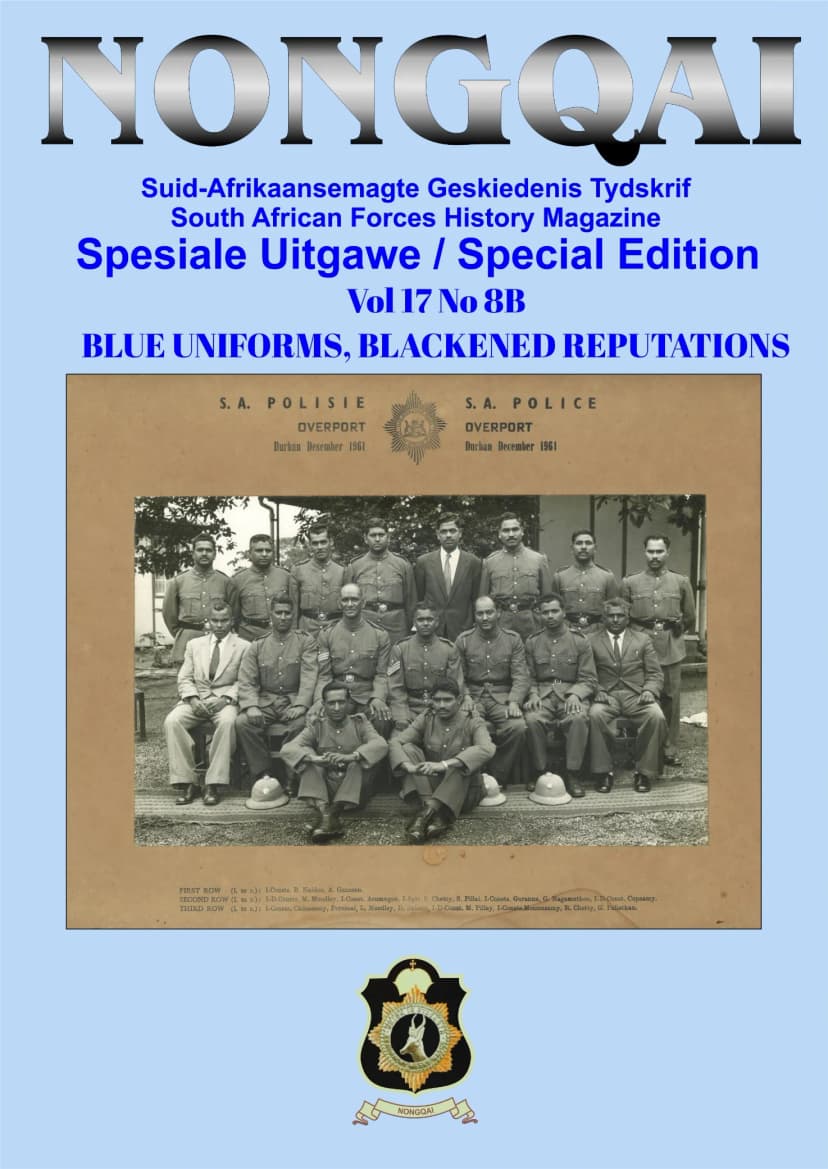
The article looks at the history and contribution of Indian police officers in South Africa. It describes how many officers served with courage despite racial barriers and difficult conditions. It highlights important police officers and families who built a strong legacy of public service. The article also discusses corruption and the loss of trust in parts of the police service. It ends by calling for integrity, justice and a return to the true spirit of policing.

This reflective piece traces South Africa’s trajectory from the turmoil of 1984 through the democratic transition of 1994 and into the complex realities of 2026. It contrasts the systemic injustice, political violence, and social fragmentation of the apartheid era with the democratic period’s persistent challenges of corruption, state capture, inequality, unemployment, crime, and failing institutions. While acknowledging the profound gains of democracy—expanded rights, political participation, and new opportunities—the author argues that democracy alone does not guarantee good governance or improved living conditions. The central question becomes how to build a society where political freedom and a dignified life coexist. The essay concludes that South Africa’s story remains unfinished, and its true measure lies not in who governed, but in how its people lived.