6 articles match your filters
BfSS NISThis brief note refers to a 1974 Rand Daily Mail report in which Dr Eschel Rhoodie denied allegations that he or his department had any dealings with a suspected spy. The piece highlights the political sensitivity of the period and reflects the broader climate of suspicion surrounding intelligence activities in South Africa during the mid 1970s. Although concise, the reference underscores the tension between government communication structures and public accusations related to espionage.
(Cited from the document: “WE HAD NO DEALING WITH SPY” — Rand Daily Mail.)

Afrikaans Literature in UniformDie Buro - Genl. Lang Hendrik van den Bergh en die Buro vir Staatsveiligheid

Foreign Armies / Buitelandse Weermagte 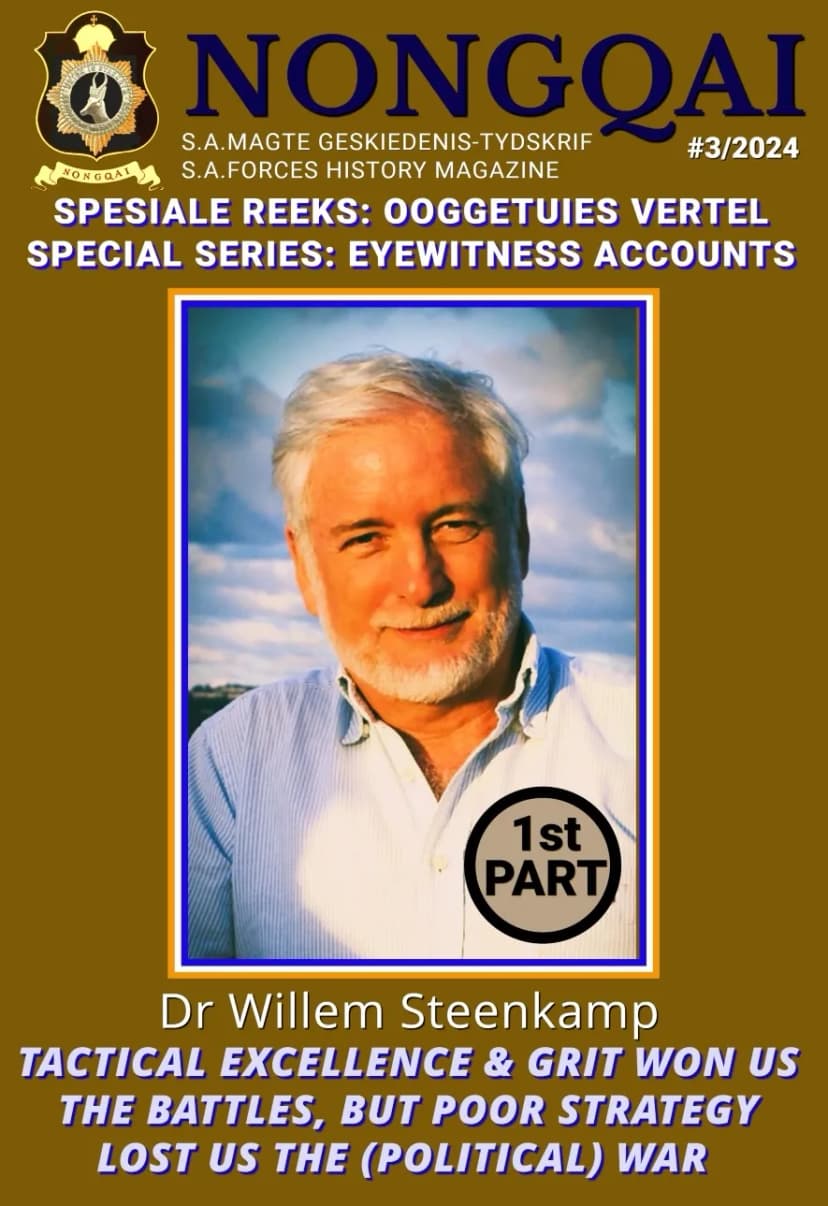
BfSS NISABSTRACT: Nongqai series The Men Speak Dr Willem Steenkamp Part 2 – my years in Intelligence. Willem is the son of former SAP-SB CO Maj-Gen Frans Steenkamp. He is himself a former NIS officer who did his doctoral thesis on the intelligence
BfSS NISDr Willem Steenkamp, son of former SAP-SB CO Maj-Gen Frans Steenkamp, and himself a former NIS officer who did his doctoral thesis on the intelligence function, as well as being a novelist, ambassador, attorney, entrepreneur and polyglot with wide experience of living abroad, and currently the co-editor and business manager of Nongqai magazine, shares his experiences and insights into South Africa’s transition. He gives his personal view on why and how the political war was lost, despite the “armed struggle” battles having been won, explaining that it had always been a political rather than a military conflict, with the “armed struggle” having been just one part of the propaganda war, which latter the former South African government decisively lost due to poor strategic and policy choices.