British Army: Development of Medals & Ribbons
Development of Medals & Ribbons
Development of Medals & Ribbons in the British Army
5 articles match your filters
Development of Medals & Ribbons in the British Army
The Anglo Boer War placed unprecedented demands on horses and mules, drawing animals from across the world into a conflict for which many were unprepared. Long sea voyages, unfamiliar fodder, extreme climate, disease, overloading and poor management resulted in catastrophic losses—around 60% of all horses died, compared with only 3% of human combatants. The Boers benefited from hardy local Cape horses accustomed to the harsh South African environment, while imported British horses often survived only a few weeks after arrival. Between 1899 and 1902, more than 109,878 horses and 81,524 mules were shipped from New Orleans alone, with many dying en route. Diseases such as mange, strangles, influenza, pneumonia and tick bite fever ravaged the imported stock. Individual horses became legendary: Freddy of the Household Cavalry, who survived 1,780 miles of campaigning; Fleur, De Wet’s conspicuous white Arab; Bokkie, De la Rey’s beloved mount; and Major, the only New Zealand horse to return home. Their stories highlight both the suffering and the extraordinary endurance of the animals that carried the war.
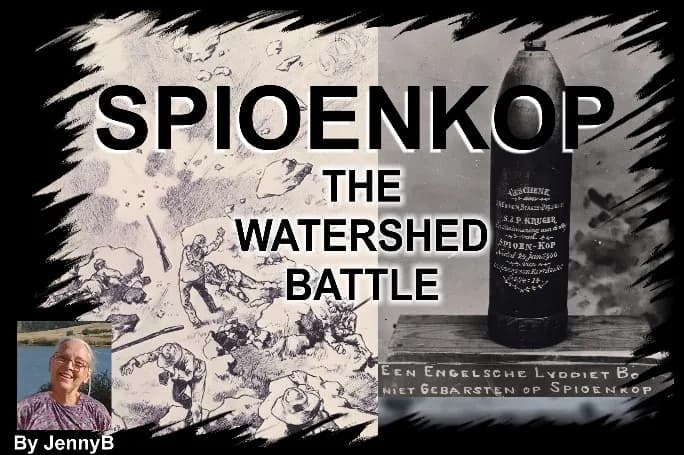
This chapter examines the Battle of Spioenkop (23–24 January 1900), one of the most decisive and tragic engagements of the Second Boer War. It outlines the British capture and subsequent loss of the summit due to poor reconnaissance, miscommunication, and tactical confusion. The narrative highlights key figures such as General Edward Woodgate, Dr Frederick Treves, General Joachim Christoffel Fourie, Captain Hendrik Frederik Slegtkamp, and international volunteers including Joseph and August Hammar and John Costas. The chapter integrates battlefield descriptions, personal accounts, medical details, and cultural artefacts to illustrate the human dimension of the conflict. It also traces how Boer tactical ingenuity, including actions at Aloe Knoll/Alwynkoppie, contributed to the British defeat. The legacy of Spioenkop is presented through graves, memorials, and later artistic depictions, underscoring its enduring place in South African and international military history.
2010: A Photo Album of a Visit to the Grave of Prince Imperial

Steve Seargent investigated the life and times of a soldier, liar, policeman and rapist who was the recipient of a Queen Victoria Medal. Patrick Bradley served in the SA Constabulary from 1900 to 1902.