Mr Johan Mostert’s reflective essay examines the roots of student radicalism among white South African university students during the 1960s and 1970s. Drawing on his firsthand experience monitoring campus activism after the Schlebusch Commission, he explores the psychological and social factors that led certain individuals toward revolutionary engagement. Mostert argues that radical activists often shared a wounded or unsettled past combined with extraordinary emotional intensity—a temperament that sought a “cause” through which to express frustration and idealism. He contrasts this personality‑driven radicalisation with the broader, non‑violent student opposition to apartheid, noting that only a small minority embraced extremist ideology. The article provides a rare insider’s perspective on the intersection of personality, ideology, and political unrest in South Africa’s university environment.
This chapter provides a detailed account of one of South Africa’s most significant modern counter espionage investigations: the case of Navy Captain Bradley Stanford Morris. It contextualises espionage in South Africa by outlining historical examples of foreign intelligence penetration during the apartheid era, including the Kozloff and Wierzba cases, and the high profile treason conviction of Dieter Gerhardt.
The chapter then documents the operational process followed by South African security structures—State Security Agency, Defence Intelligence, Crime Intelligence, and the Hawks—in identifying, infiltrating, and prosecuting Morris for unlawfully possessing and distributing highly classified military information.
Through undercover operations, forensic searches, and extensive document analysis, investigators uncovered 43 sensitive documents and multiple security breaches. The chapter concludes with Morris’s conviction under the Protection of Information Act and reflects on the broader implications for national security, intelligence oversight, and the enforcement of Minimum Information Security Standards in South Africa.
South Africa’s forensic DNA system is experiencing a severe capacity crisis that threatens the integrity of criminal investigations and the delivery of justice. Recent parliamentary replies reveal an overwhelming backlog of 298,710 DNA exhibit entries, of which 228,017 exceed the prescribed 90 day processing period. Critical Crime Index samples—essential for prosecutions—are heavily affected, including thousands linked to rape, murder, and sexual offences against children. The average age of entries is approximately 800 days, with some samples delayed for more than three years. These delays undermine investigations, weaken prosecutorial cases, and prolong trauma for victims. The Democratic Alliance (DA) calls for an emergency national intervention, including regulated partnerships with accredited university laboratories, to expand DNA processing capacity and prevent further erosion of justice.
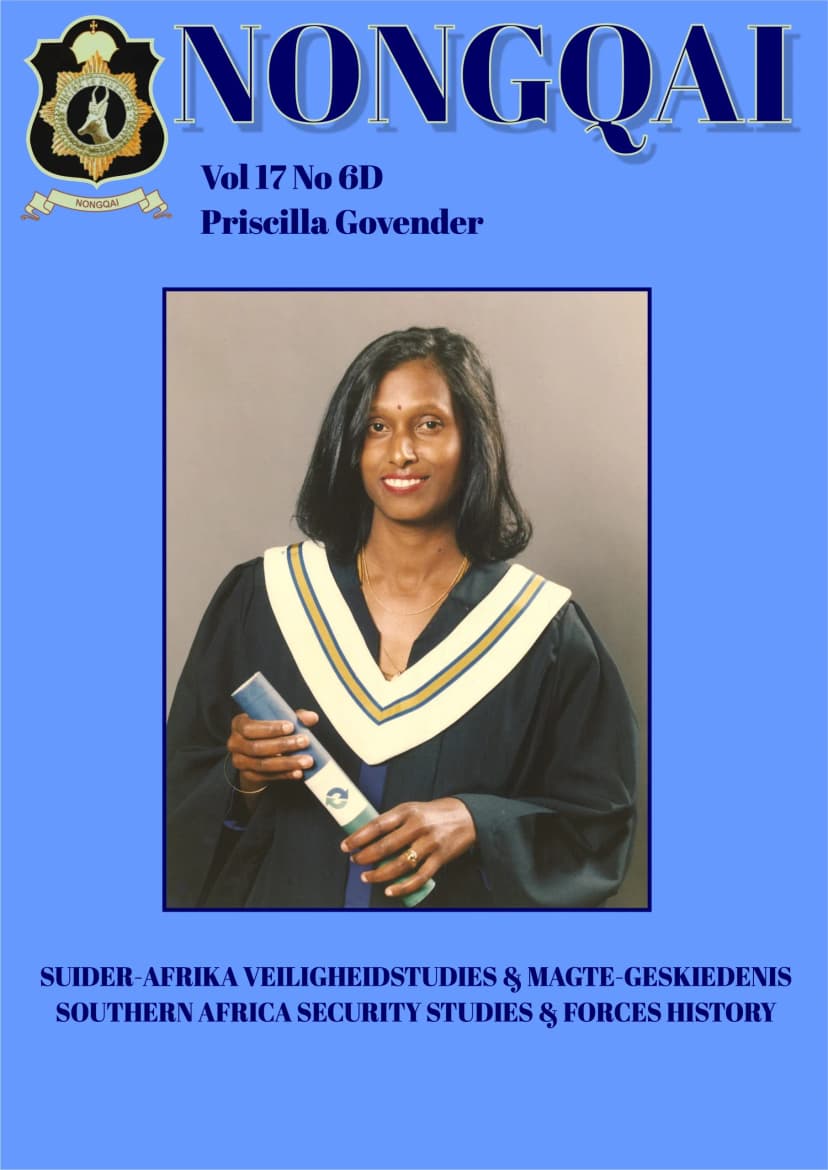
This publication pays tribute to the life and distinguished career of Colonel Priscilla Govender, a respected member of the South African Police Service (SAPS). The foreword by Brigadier (Retired) Maggie Govender and the tribute by Colonel (Retired) Charlie Pillay recognise Colonel Govender's outstanding leadership, professionalism and commitment to public service.
Born and raised in Chatsworth, Colonel Govender overcame many challenges to become one of the first Indian women to build a successful career in policing. Through dedication, discipline and continuous learning, she rose through the ranks to retire as a Colonel after more than 37 years of distinguished service. The publication highlights her professional achievements, specialised training, medals and contributions to major national and international operations.
The publication also celebrates her personal life as a devoted wife, mother, grandmother and community leader. Even after retirement, she continued serving society through voluntary work and by supporting senior citizens, demonstrating that public service extends beyond a professional career. Her humility, compassion and integrity remain an example to others.
Overall, this work honours Colonel Priscilla Govender as a trailblazer and role model whose life inspires future generations to serve with courage, integrity and dedication. It preserves her legacy while recognising the contributions of all those who assisted in documenting and celebrating her remarkable journey.
This document provides a first-hand account of a South African Police constable who was deployed during the Soweto Uprising of 16 June 1976. The narrative describes his sudden mobilization, deployment to Soweto, and involvement in controlling widespread unrest alongside a police reaction unit and Special Task Force members. It highlights the chaotic and violent conditions encountered, including protests, looting, arson, and the use of force against demonstrators. The account also reflects on the physical and psychological hardships experienced by police personnel, such as lack of sleep, food shortages, extreme cold, and prolonged exposure to violence. Additionally, the document offers personal observations on the nature of the protests, the escalation into unrest, and subsequent deployments to other regions. Overall, it presents a subjective perspective on a significant historical event in South Africa, emphasizing operational challenges and the human experience of law enforcement during civil unrest.
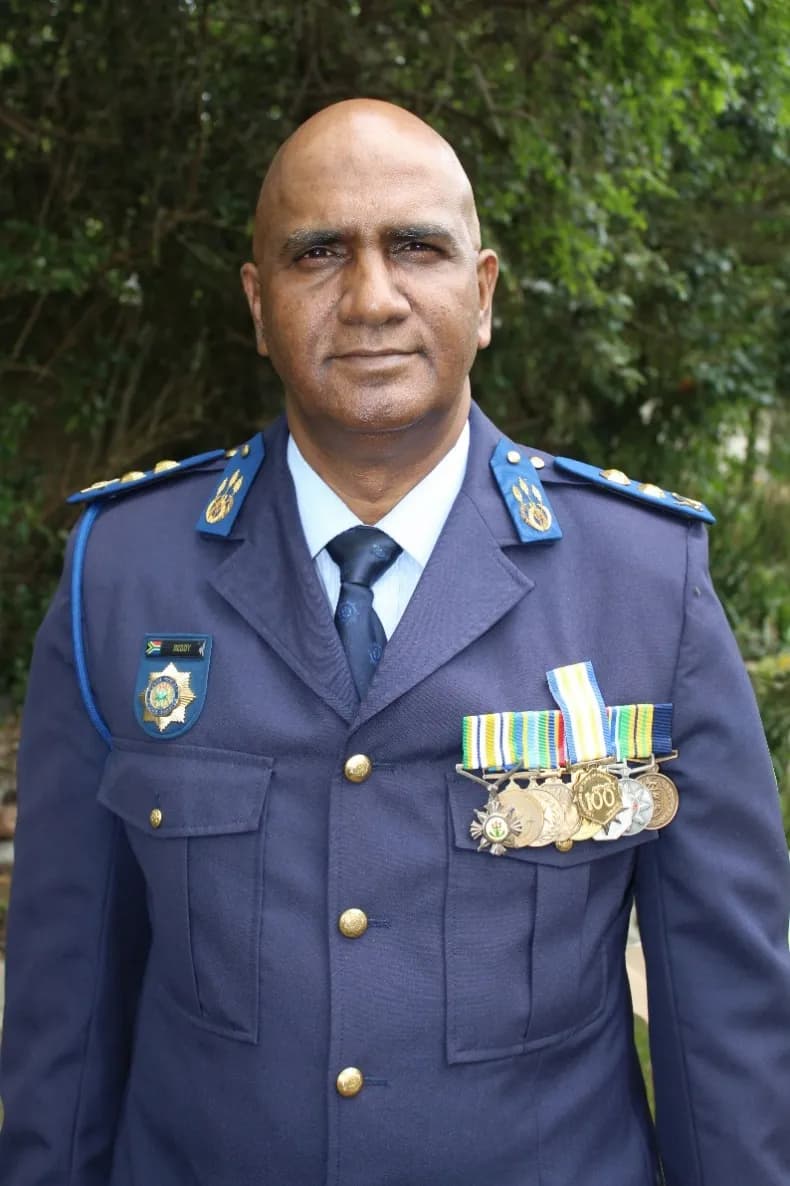
This autobiography tells the inspiring life story of Brigadier Chris Thaver, who served with honour and dedication in the police service. It describes his early struggles, career growth, and the challenges he faced during difficult times in South Africa. Through hard work, discipline, and determination, he achieved many historic milestones in the police service. His story also highlights the importance of family support, mentorship, and strong personal values.
The transfer of Russian military hardware and personnel to Angola in 1987–1989 stands as the last great act of Soviet global power projection. It was a masterful but ultimately futile attempt to manage the decline of the Soviet empire through the selective redirection of its remaining strength.