Brief: Kommentaar op dr WP Steenkamp se E-Boek
Brief aan Nongqai deur prof Fanie Cloete: Kommentaar op: ‘SOUTH AFRICA’S TRANSITION: WHAT REALLY HAPPENED AND WHY - PART 3: THE LESSONS: HOW DID WE ARRIVE WHERE WE ARE TODAY’
33 articles match your filters

Brief aan Nongqai deur prof Fanie Cloete: Kommentaar op: ‘SOUTH AFRICA’S TRANSITION: WHAT REALLY HAPPENED AND WHY - PART 3: THE LESSONS: HOW DID WE ARRIVE WHERE WE ARE TODAY’

Net 'n Laspos, Johan van Zyl, in Nongqai Skrywers & Boeke

The article argues that the student uprisings were driven not only by practical grievances but by a profound cultural and ideological clash reshaping South African universities.

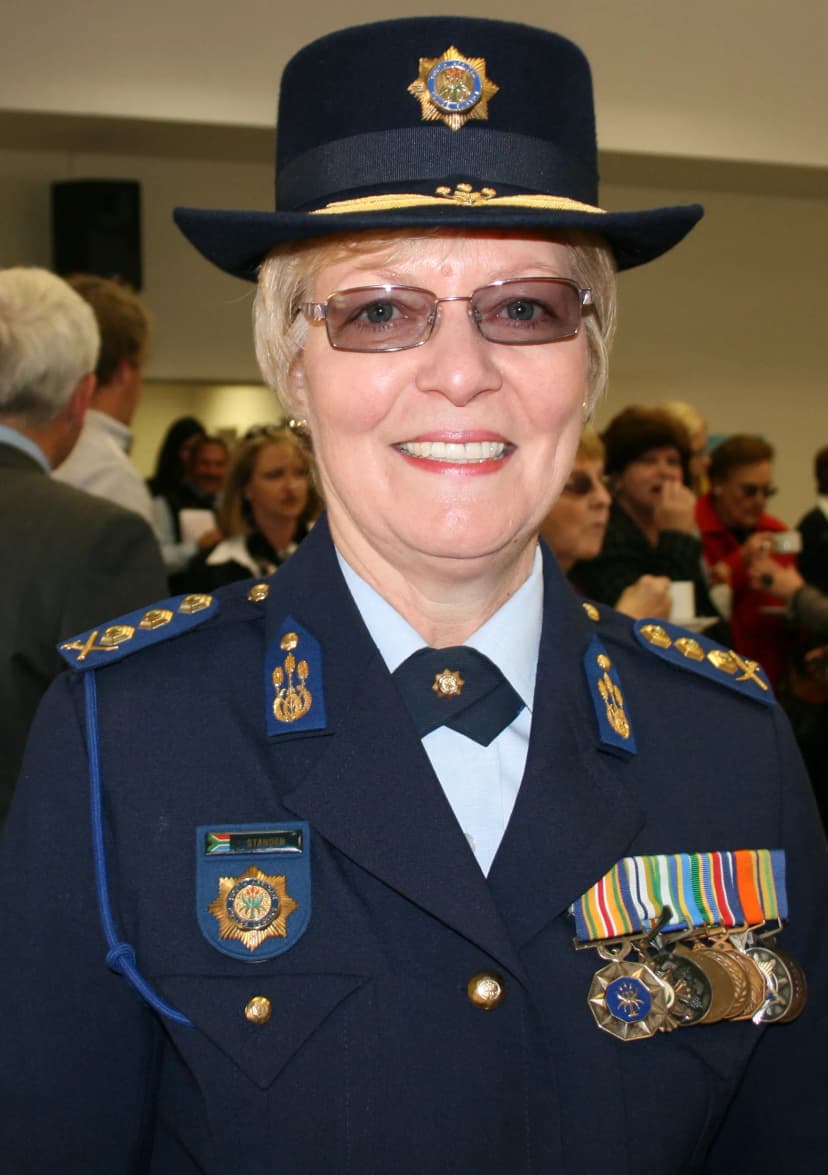
’n Baanbreker in die Suid-Afrikaanse Polisiediens: Van tikster tot adjunk-nasionale kommissaris — ’n merkwaardige loopbaan van diens, deursettingsvermoë en leierskap

Captain Wollie Wolmarans outlines the principles, history, and practical application of forensic ballistics in South Africa, enriched with insights from his extensive career.

The South African Police Service [SAPS] and its many generals.

NONGQAI. IN MEMORIAM: BRIGADIER J.C.P. GOOSEN†

Nongqai Vol 17 No 8 – Spesiale Taakmagte: Gesigsbedekking

Beriggewers en Informante. Nongqai Vol. 17 Nr. 8.

Nongqai Vol 17 No 8 - Photo: First woman traffic wardens in South Africa - McGregor Museum

A man, of dual British and Azerbaijani nationality is being was arrested on 17 July 2026 and is held in Cyprus pending a hearing on a request for his extradition to the United Kingdom, where the authorities accuse him of spying at the Royal Air Force base at Akrotiri, Cyprus in the southern part of the island. It is the first British investigation abroad under the National Security Act.

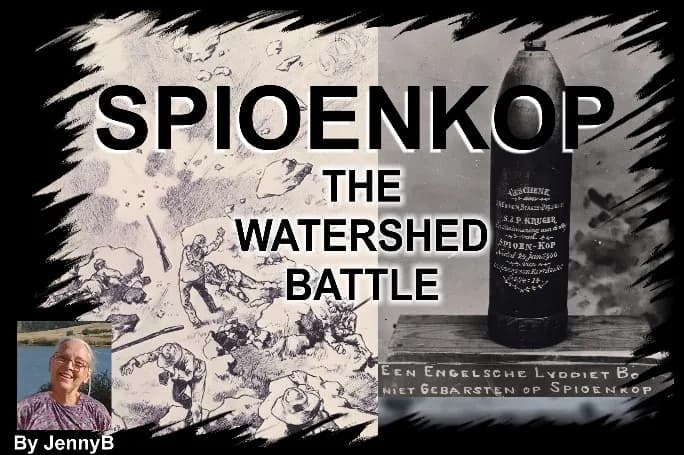
This chapter examines the Battle of Spioenkop (23–24 January 1900), one of the most decisive and tragic engagements of the Second Boer War. It outlines the British capture and subsequent loss of the summit due to poor reconnaissance, miscommunication, and tactical confusion. The narrative highlights key figures such as General Edward Woodgate, Dr Frederick Treves, General Joachim Christoffel Fourie, Captain Hendrik Frederik Slegtkamp, and international volunteers including Joseph and August Hammar and John Costas. The chapter integrates battlefield descriptions, personal accounts, medical details, and cultural artefacts to illustrate the human dimension of the conflict. It also traces how Boer tactical ingenuity, including actions at Aloe Knoll/Alwynkoppie, contributed to the British defeat. The legacy of Spioenkop is presented through graves, memorials, and later artistic depictions, underscoring its enduring place in South African and international military history.