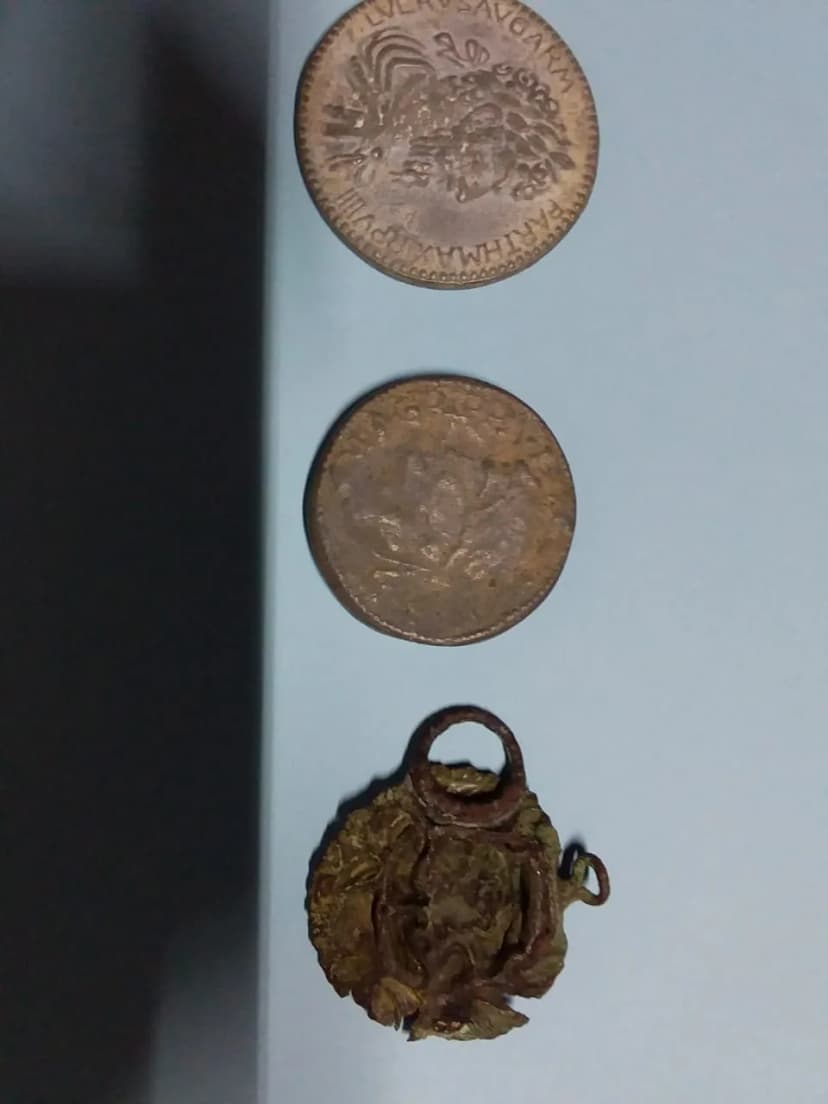
Discoveries of Roman artefacts near Nelspruit (Mpumalanga)
Ancient Mediterranean Artefacts and Voyages in Southern Africa: Roman Coins and Phoenician Circumnavigation Discoveries of Roman artefacts near Nelspruit (Mpumalanga) — including sestertii of Lucius Verus and Marcus Agrippa, a lion-head medal, and fragments of a sandal — add to a growing body of evidence of ancient Mediterranean connections with Southern Africa. Similar finds include Greek and Roman coins discovered in Pondoland (Transkei coast), Hebraic coins in KwaZulu-Natal, and coins linked to shipwrecks near Mossel Bay. These artefacts raise questions: were they merely remnants of shipwrecks, or signs of early trade reaching the southern tip of Africa? The debate is enriched by Herodotus’ account of Phoenician sailors, commissioned by Pharaoh Necho II around 600 BC, who allegedly circumnavigated Africa — a feat later proven possible by modern experimental voyages. Together, these finds and traditions suggest that Southern Africa’s coastline was not isolated, but part of a wider network of ancient maritime exploration and exchange, connecting the Cape to the Mediterranean world centuries before European colonisation.