11 articles match your filters

Crime in South Africa (post 1994)A historical analysis showing how revolutionary indoctrination, paramilitary training, and state neglect allowed farm attacks in South Africa to evolve into a long running, deadly phenomenon.
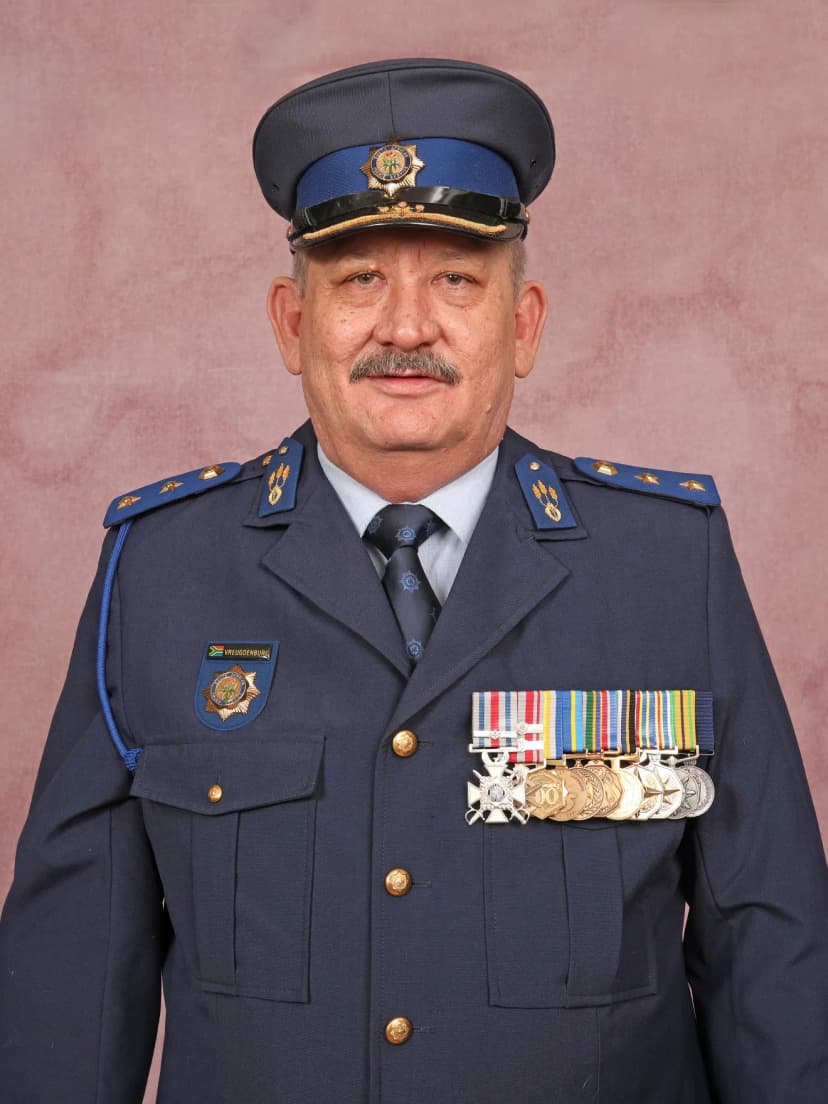
Crime in South Africa (post 1994)Colonel Johannes “Tollie” Vreugdenburg is one of the very few South African Police detectives to have earned the Silver Cross for Bravery twice, a distinction reserved for exceptional courage under extreme danger.
His career reflects a lifetime of service marked by professionalism, integrity, and unwavering dedication to national security.
Crime in South Africa (post 1994)South Africa’s forensic DNA system is experiencing a severe capacity crisis that threatens the integrity of criminal investigations and the delivery of justice. Recent parliamentary replies reveal an overwhelming backlog of 298,710 DNA exhibit entries, of which 228,017 exceed the prescribed 90 day processing period. Critical Crime Index samples—essential for prosecutions—are heavily affected, including thousands linked to rape, murder, and sexual offences against children. The average age of entries is approximately 800 days, with some samples delayed for more than three years. These delays undermine investigations, weaken prosecutorial cases, and prolong trauma for victims. The Democratic Alliance (DA) calls for an emergency national intervention, including regulated partnerships with accredited university laboratories, to expand DNA processing capacity and prevent further erosion of justice.

Crime in South Africa (post 1994)This article by Dr Ian De Vries examines how persistent political interference has weakened the South African Police Service (SAPS) and contributed to decades of organisational dysfunction. Drawing on historical examples, structural analysis, and current crises highlighted before the Madlanga Commission, De Vries argues that SAPS’s bloated rank system, promotion-for-pay culture, and erosion of experienced officers have severely undermined policing effectiveness. He contends that political meddling—from ministers influencing operational decisions to long standing tensions between commissioners and cabinet members—has become a systemic obstacle to professional policing. De Vries proposes a radical restructuring: abolishing the position of Minister of Police, depoliticising SAPS leadership, and placing accountability under a multi party parliamentary policing committee. This, he argues, would curb unethical political influence, retain expertise, and restore public trust in law enforcement.

Crime in South Africa (post 1994)Warrant Officer Donavan Naidoo showed great courage when he acted against dangerous suspects while off duty. Even after being injured, he continued to protect the public and helped stop a serious crime.
His quick thinking led to the arrest of one suspect and the recovery of several weapons. Naidoo’s actions show strong commitment to safety and duty. His bravery reflects the sacrifice many officers make with little recognition.

Crime in South Africa (post 1994)VF+ Condemns Vandalism of Kruger Statue Ensemble at Church Square in Pretoria

Crime in South Africa (post 1994)Privaat Vuurwapenbesit: ’n Noodsaaklike Reg in ’n Gewelddadige Land - “Hierdie artikel ondersoek die kritieke rol van privaat vuurwapenbesit in Suid-Afrika, teen die agtergrond van staatsverliese en toenemende misdaad.”
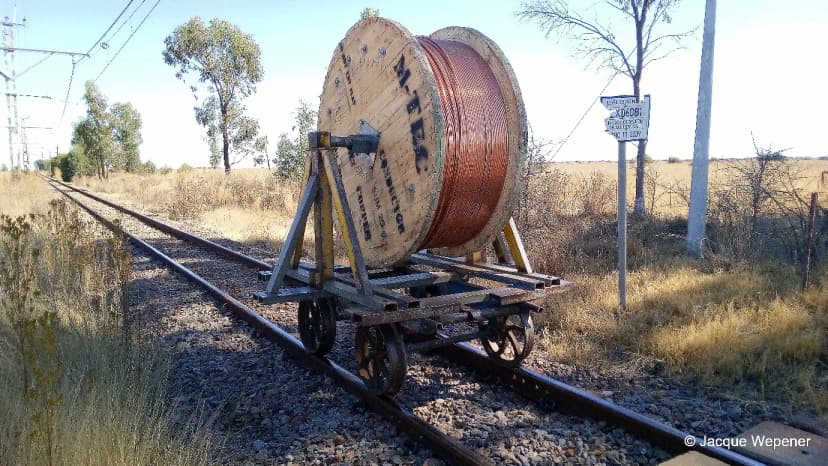
Crime in South Africa (post 1994)Theft of Copper Contact Wire and Its Impact on South African Rail Operations

Crime in South Africa (post 1994)DIE AANGEWESE POLISIEMINISTER, FIROZ CACHALIA, HET 'N OBSESSIE ONTWIKKEL

Crime in South Africa (post 1994)The dramatic events surrounding Lt.Gen. Nhlanhla (Lucky) Mkhwanazi the Provincial Commissioner of SAPS in KwaZulu-Natal.

Crime in South Africa (post 1994)Sensational crimes in Krugersdorp & Germiston - modus operandi: Digging of tunnels to steal money in vault.