Nongqai Album 3/2026
Nongqai Photo Album: March 2026
Compiled by Hennie Heymans
Keywords of photos
Cape Police
1890’s: State Artillery: Zuid-Afrikaansche Republiek
Anglo Boer War: Boere at Spioenkop
South African Constabulary
1913 circa: South African Police: Old Pretoria Central
1930 circa: South African Police: Kalahari
1940: South African Police: Umtata
1946: South African Police: Umtata
1955: South African Police: Brakpan.
1961: South African Police: Wentworth
1938 (circa): Union Defence Force: Special Service Battalion: Robert’s Heights
1939: Callo to Arms: Pamphlet
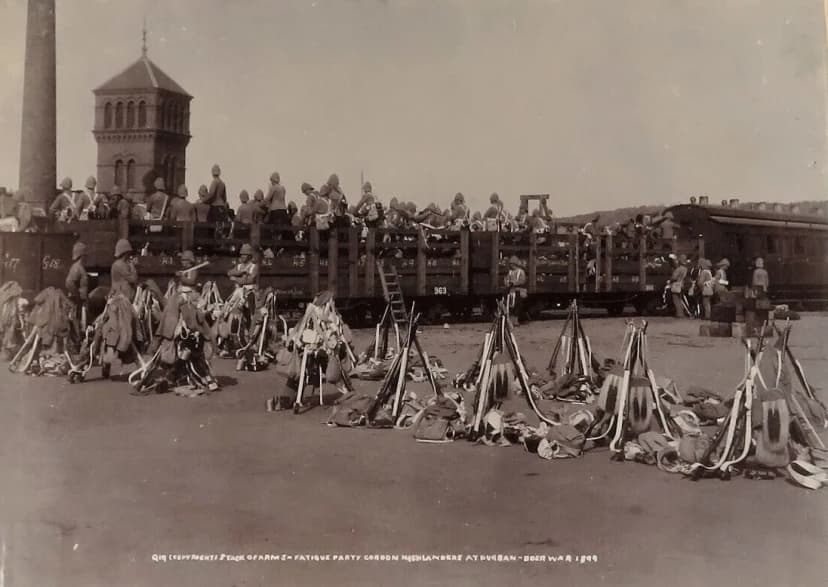
2026: Military Train at Kroonstad
Cape Police
The Cape Police was a colonial paramilitary force established in the Cape Colony in the late nineteenth century.1900’s: South African Constabulary.
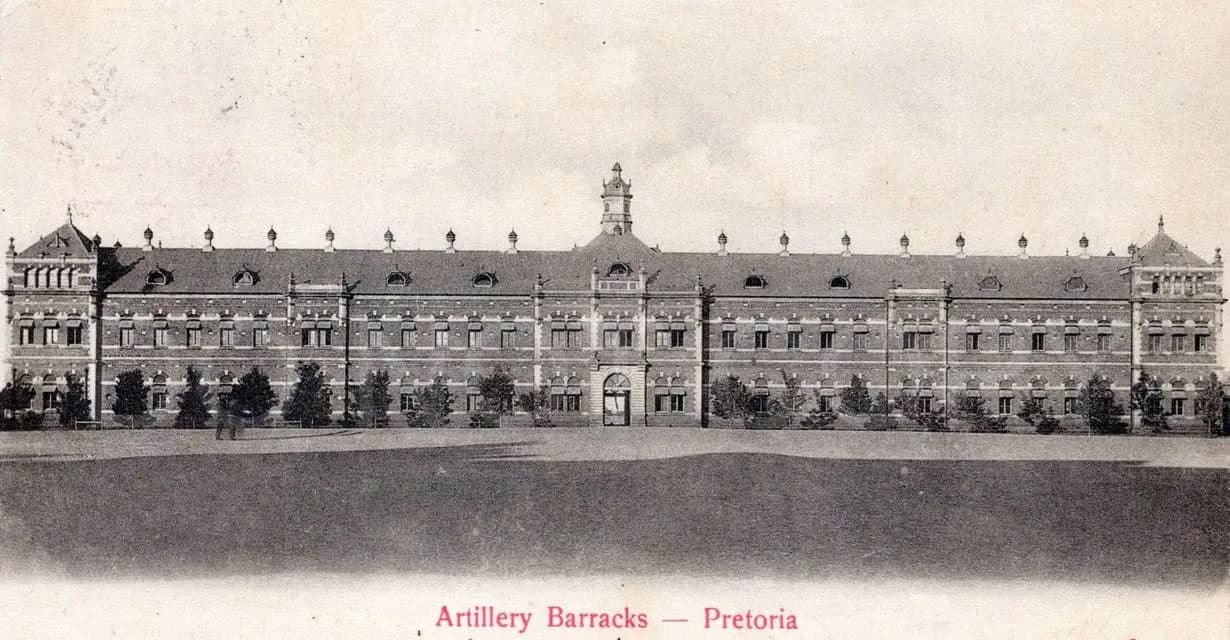
1890’s: State Artillery: Zuid-Afrikaansche Republiek
Staatsartillerie Barracks, was built for the Zuid-Afrikaansche Republiek's artillery corps. It was designed by architects Sytze Wierda and Klaas van Rijsse.
Anglo Boer War: Boere at Spioenkop
Via Richard van Wyk
South African Constabulary
C
Thanks to Will Endley & Jennifer Bosch
1913 circa: South African Police: Old Pretoria Central
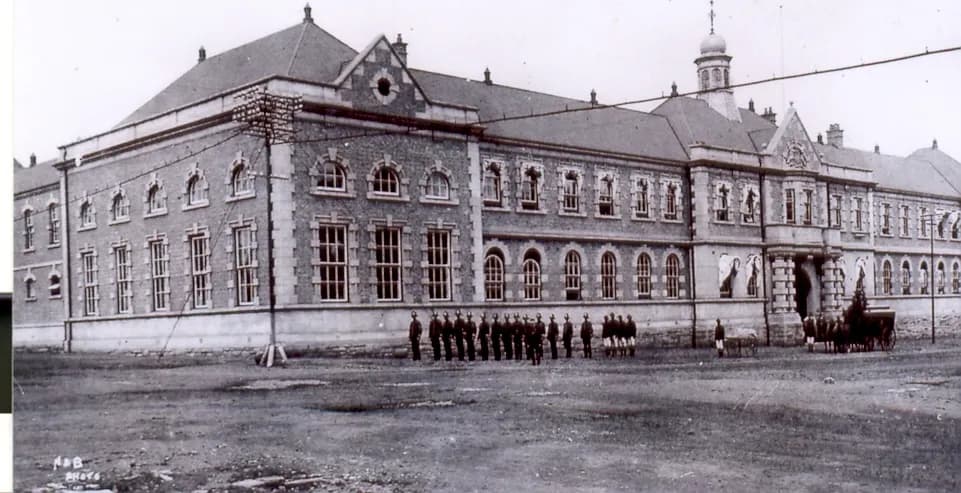
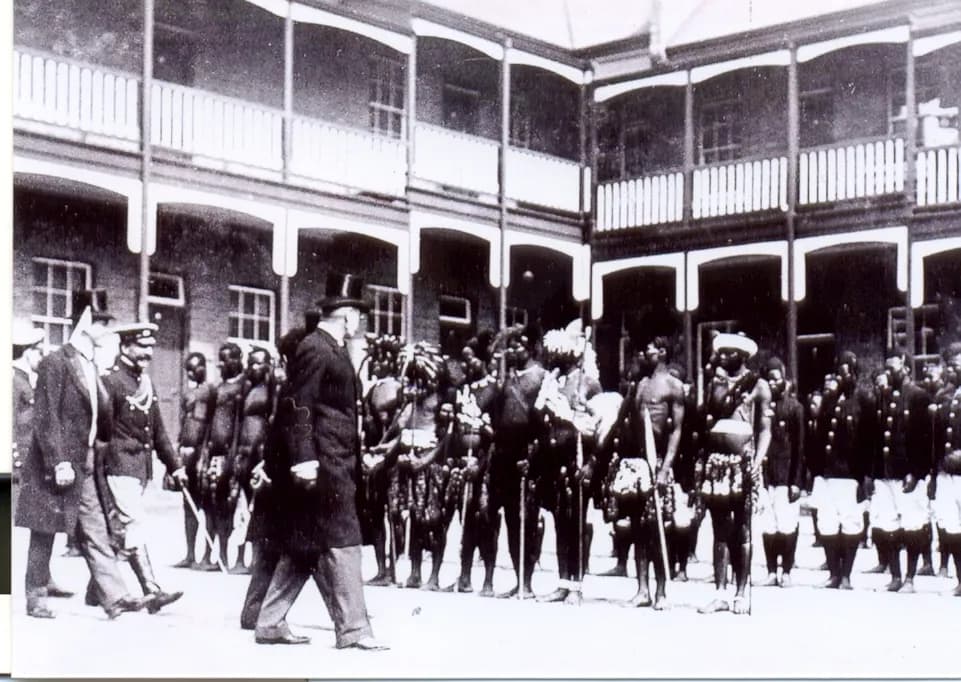
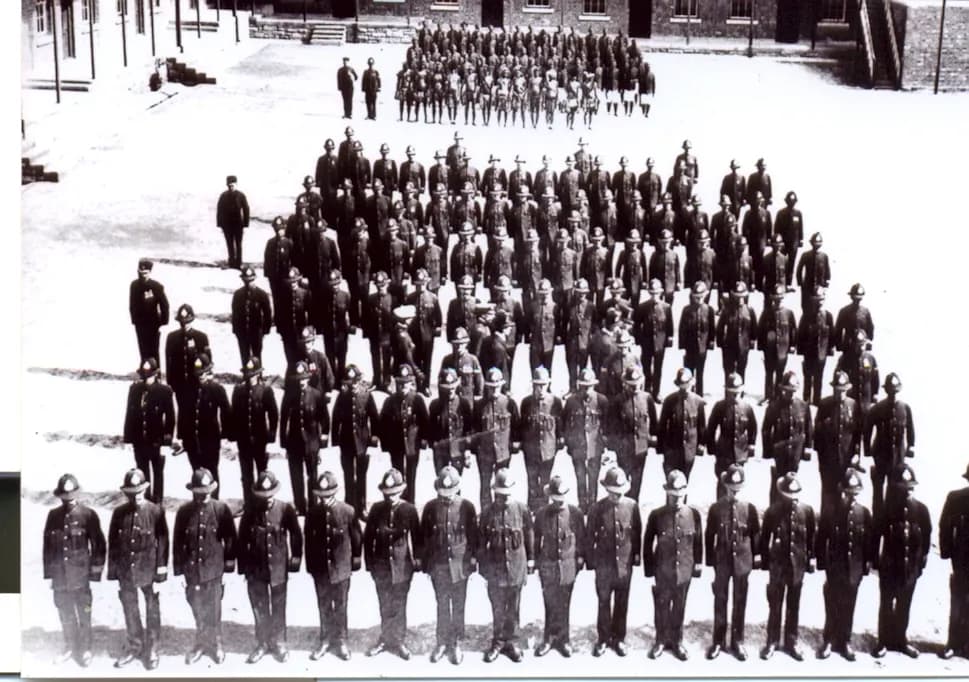


Constable Umdisa – “The Human Bloodhound” – he had an illustrious career in the SA Police. We will soon publish a story on him.
1930 circa: South African Police: Kalahari

A camel-mounted policeman somewhere in the Kalahari chatting to a driver of an early Road Motor Services lorry driver of the SAR. Via P de Wet
1940: South African Police: Umtata

Umtata, 1940. Mounted police on parade. R v Wyk
1946: Umtata
Umtata, 1946. Police reserve headquarters. - R v Wyk
1955: South African Police: Brakpan.

1961: South African Police: Wentworth
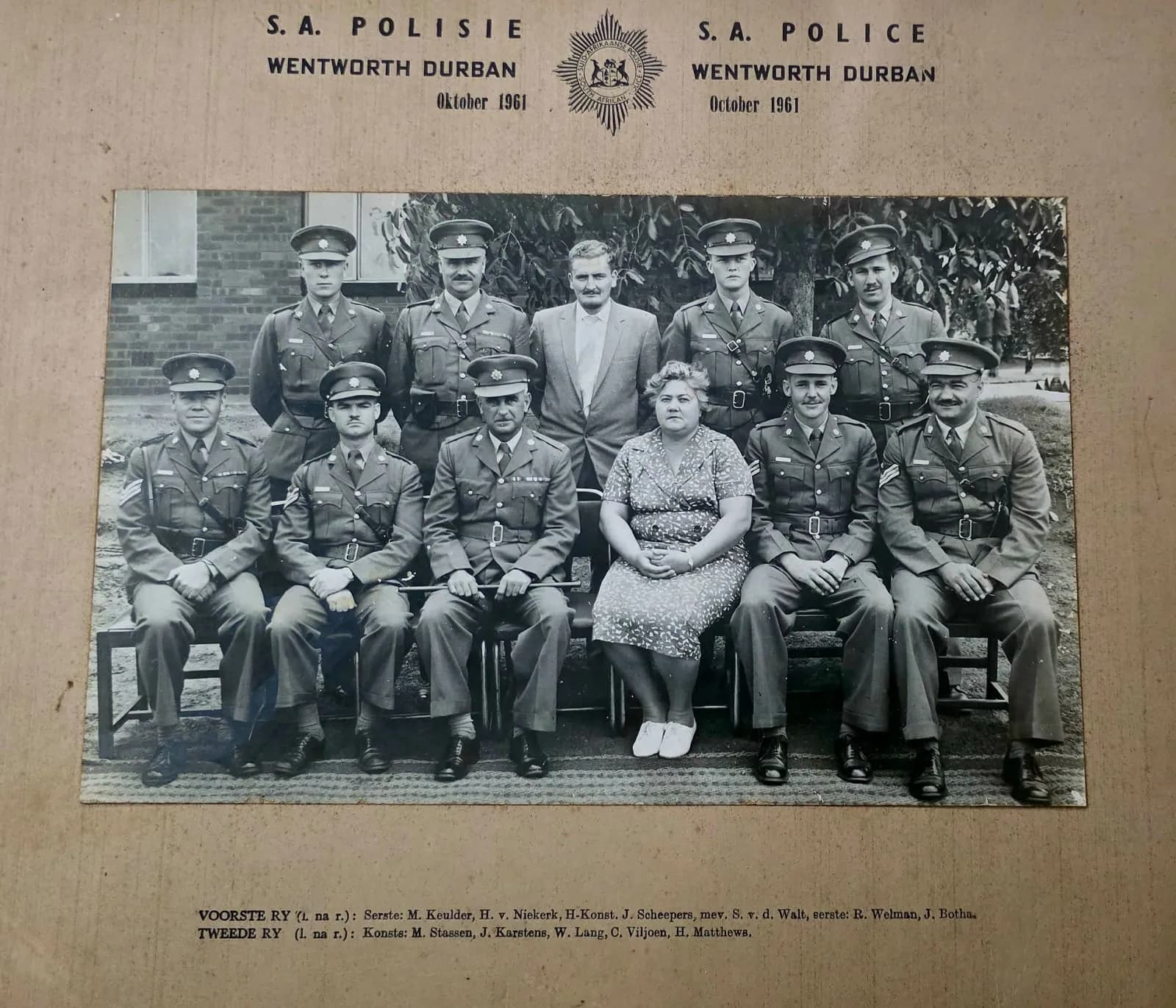
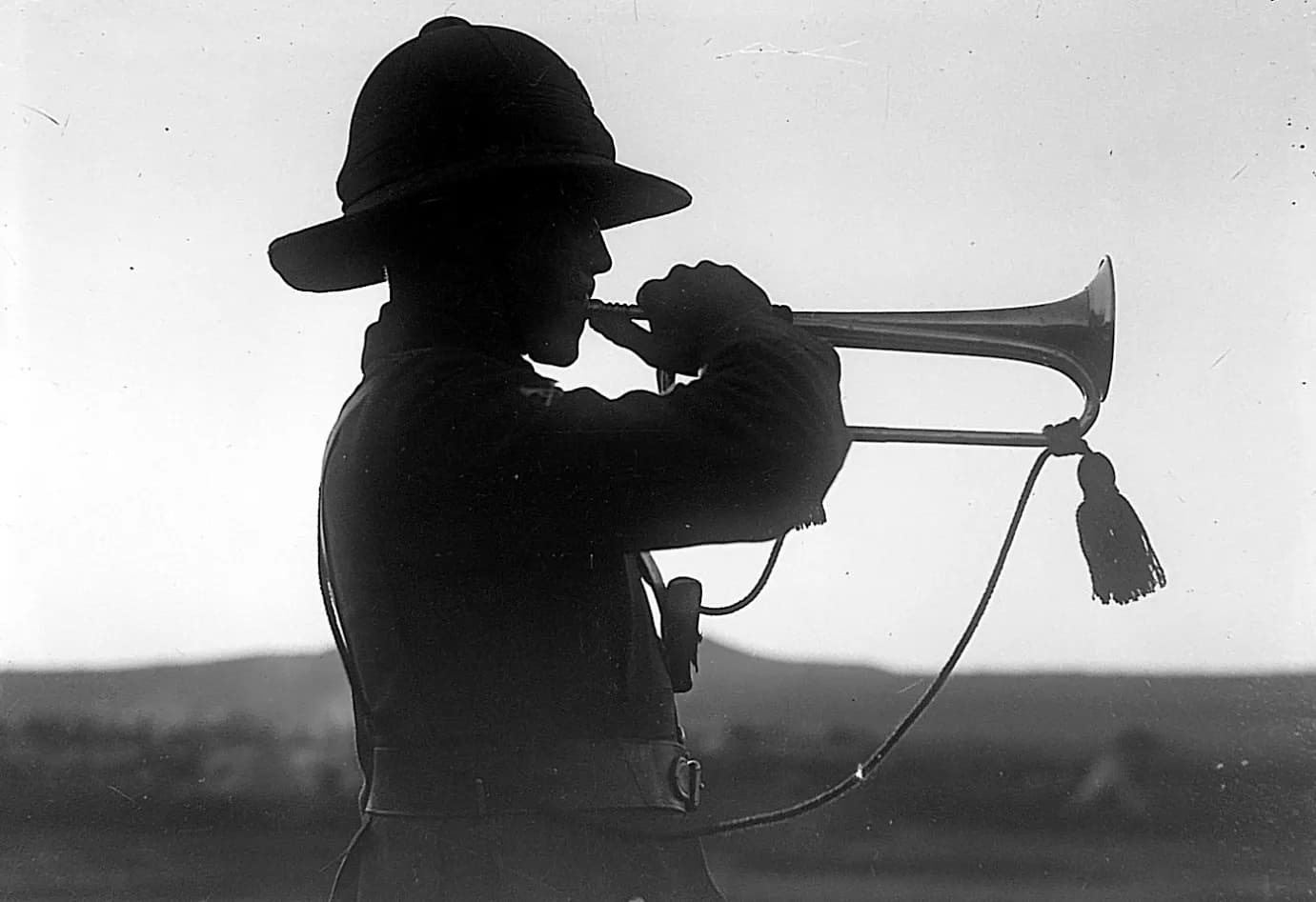
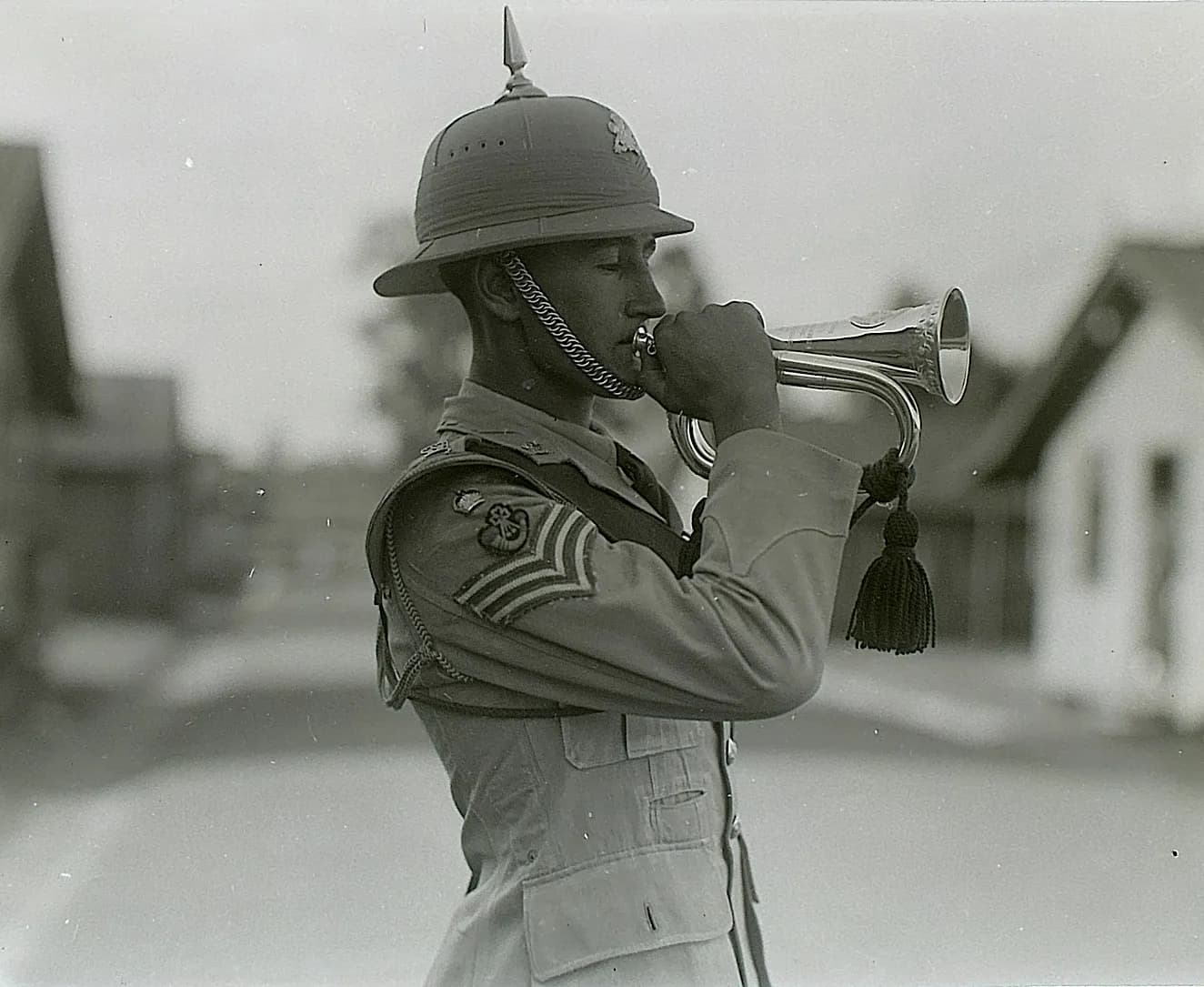
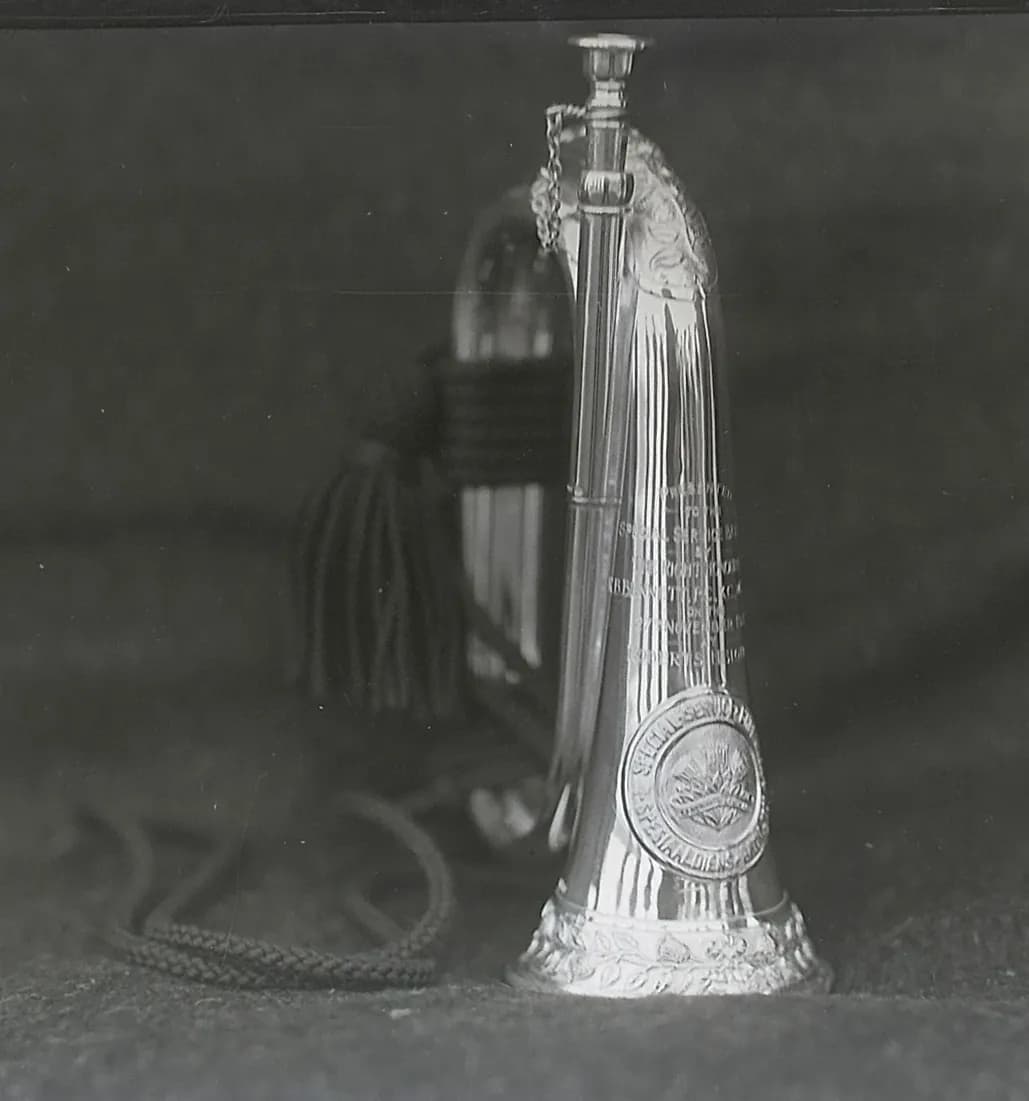
1938 (circa): Union Defence Force: Special Service Battalion: Robert’s Heights



1939: Call to Arms
2026: Military Train at Kroonstad
Kroonstad North Yard - Military train being checked before departure to Bloemfontein (1), (2) and (3). Thanks to J Wepener.

Write to us about this article
Do you remember this, or know more? Your comment appears here once an editor has read it.
The editors may print your comment, with your name, in the monthly edition.