Nongqai Vol 17 No 6 – Lt-Col W.H.C. Taylor
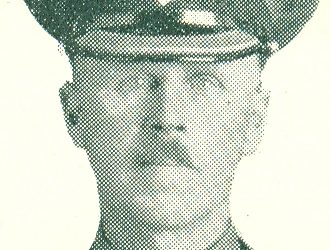
This article examines a rare photographic album attributed to Colonel W.H.C. Taylor, documenting an inspection tour of police stations and temporary Foot-and-Mouth Disease control posts conducted in 1935 across regions historically associated with Bechuanaland and the Kalahari fringe. The collection, preserved in the McGregor Museum, Kimberley, provides valuable visual and contextual insights into policing infrastructure, mobility (including camel transport), and rural administration in remote areas during the interwar period.
Beyond its administrative significance, the article highlights Taylor’s broader historical importance, including his career in the South African Police and his contributions to early archaeological interpretation. Particular focus is given to a photograph labelled “Buck jumper,” depicting a figure imitating an antelope through costume and movement. This image has played a notable role in anthropological discourse, especially in interpretations of San rock art and therianthropic imagery, suggesting possible links between ritual performance and artistic representation.
The article also reflects on historical naming conventions and colonial administrative perceptions, noting the continued informal use of “Bechuanaland” decades after its official political status had changed. Overall, the study underscores the interdisciplinary value of Taylor’s photographic record for historians, anthropologists, and researchers of southern African heritage.
